Saturday, July 11, 2026
Home Blog Page 73

CS Atal Dulloo Reviews Social Welfare, Clears Major Agriculture Projects to Boost Wool, Dairy and Livestock Sectors in J&K

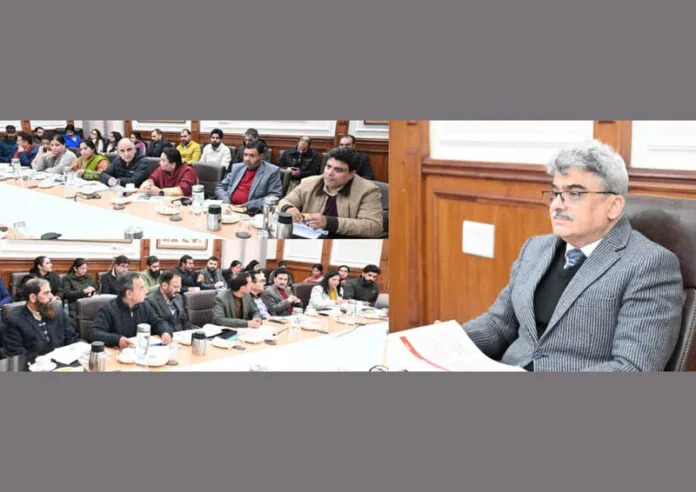
 Chief Secretary Atal Dulloo today chaired a comprehensive review meeting of the Social Welfare Department and the Agriculture Production Department, assessing the performance of key welfare missions and major sectoral initiatives aimed at inclusive development and rural economic growth in Jammu and Kashmir.

During the review of the Social Welfare Department, the Commissioner Secretary presented a detailed overview of the department’s performance, implementation of flagship schemes, financial status, infrastructure development and future priorities. The meeting was attended by senior officers, including Secretaries, Mission Directors of Mission Poshan, Mission Shakti and Mission Vatsalya, Directors of Social Welfare Jammu and Kashmir, Chairpersons of Advisory Boards and other concerned officials.

The Chief Secretary reviewed the functioning of Directorates, Mission Directorates, Advisory Boards, Corporations and statutory bodies under the department, underscoring sustained efforts towards inclusive development, women empowerment, child welfare, nutrition security and social protection of vulnerable sections.

Commissioner Secretary, Social Welfare Department, Sarmad Hafeez informed that the department is working to uplift underserved sections through its Directorates, three Mission Directorates, Advisory Boards for Scheduled Castes, Other Backward Classes and Pahari-speaking people, and dedicated corporations including the J&K Women Development Corporation and the J&K SC/ST & BC Development Corporation.

Reviewing Mission Poshan and the strengthening of Nutrition and Early Childhood Care and Education (ECCE), Mission Director Sajad Hussain Ganai said that 99 per cent Anganwadi Centres in the Union Territory now have functional infrastructure with essential amenities. He added that Saksham Anganwadis equipped with modern facilities are being operationalised across J&K, while over 24,933 Anganwadi Workers have been trained under the ‘Poshan Bhi Padhai Bhi’ initiative.

On Mission Shakti, Mission Director Mohammad Akber said the Mission continues to play a pivotal role in women empowerment and safety. He informed that more than 2,500 awareness workshops have been conducted through District Hubs for Empowerment of Women. As many as 11 new Shakti Sadans and five Sakhi Niwas (Working Women Hostels) have been approved and are nearing operationalisation. He further said that One Stop Centres have assisted 2,727 women, Women Helpline-181 has handled over 22,000 calls during FY 2025–26, and Nari Adalats have been operationalised in 50 Panchayats to resolve disputes at the grassroots level.

Reviewing Mission Vatsalya, Mission Director Nazim Zia Khan said significant progress has been achieved in child protection and rehabilitation. He informed that 23 Child Care Institutions, including observation homes, special adoption agencies and open shelters, have been established or approved across the Union Territory.

Emphasising the future roadmap, the Chief Secretary stressed the need for whole-of-government convergence, digital welfare governance, livelihood-linked assistance and universal social protection, with special focus on mother-and-child care, aspirational Anganwadis, skill development, self-employment and institutional strengthening to realise the vision of Viksit Bharat @2047.

Meanwhile, the Chief Secretary also reviewed a series of proposals presented by the Agriculture Production Department aimed at enhancing the production of wool, milk and meat in Jammu and Kashmir through value chain strengthening, genetic upgradation and expansion of processing infrastructure.

The meeting first reviewed the PAAVAN (Processing, Aggregation and Value Addition Network for Wool) project, which seeks to revive and modernise the wool sector in J&K through a federation-driven institutional framework. The project envisages establishment of two wool processing and value addition units at Jammu and Srinagar, creation of a revolving fund for assured procurement of wool from farmers and a three-tier cooperative structure up to UT level.

The Chief Secretary was also briefed on the J&K Elite Sheep Mission based on Embryo Transfer Technology (ETT/MOET) to accelerate genetic improvement in sheep and goats through establishment of 20 ETT laboratories with support from SKUAST Jammu and Kashmir.

The meeting further reviewed the J&K Dairy Value Chain Infrastructure Expansion Programme under PMFME, aiming to establish 1,000 new milk value addition units over five years, expand organised processing capacity and improve farmers’ income.

Kashmir Moving Towards Peace; Pakistan a Coward Nation: Chairman NATPF Sanjay Manhas

Jammu, January 14, 2026:

Sanjay Manhas, Chairman of the National Anti Terrorism and Peace Front, on Wednesday stated that Kashmir is firmly moving on the path of peace, stability and progress, and that the atmosphere in the Valley has significantly improved in recent times.

In a Press Statement Issued today, Manhas said that the people of Jammu & Kashmir are now prioritizing peace over conflict, and the region is witnessing gradual normalization in daily life due to strengthened security measures and public cooperation.

“Kashmir is on the way of peace. People want stability, development and a better future. The era of fear is ending,” Manhas said.

While condemning terrorism and external interference, Sanjay Manhas strongly criticized Pakistan and called it a coward nation, alleging that it has continuously attempted to disturb peace in Kashmir through terror networks and anti-national activities.

“Pakistan is a coward nation. It cannot fight openly and therefore uses terrorism as a weapon. Its agenda is to spread unrest, but it has failed again and again,” he said.

The Chairman stated that the security forces have played a key role in safeguarding the nation, and the people must continue supporting peace efforts to ensure long-term stability and growth in Jammu & Kashmir.

Manhas appealed to youth to stay away from misleading propaganda, remain united, and participate actively in nation-building initiatives.

“Peace is the biggest strength. The future of Kashmir lies in peace, education, employment and development,” he added.

The National Anti Terrorism and Peace Front reaffirmed its commitment to promoting harmony, strengthening national unity, and resisting all forms of terrorism and separatist ideology.

Safe My Trip: Prioritising Safety for a Better Travel Experience

In recent years, travel has become more accessible than ever. While exploring new destinations brings excitement and cultural enrichment, ensuring personal safety during travel remains a critical responsibility. Safe My Trip is an initiative and mindset that promotes informed, prepared, and cautious travel without compromising the joy of the journey.

Preparation Is the First Step to Safety

Before embarking on any trip, travellers should plan thoroughly. Important documents such as identification cards, passports, tickets, and insurance papers should be secured and backed up digitally. Sharing travel itineraries with family members or trusted contacts helps ensure assistance can be reached quickly in case of emergencies.

Responsible Handling of Luggage and Valuables

Travellers are advised to keep their luggage properly locked and never leave belongings unattended in public places. Cash, credit cards, and essential items should be stored separately to reduce risk in the event of theft or loss. Awareness and vigilance play a significant role in preventing avoidable incidents.

Caution During Local Transportation

Using verified transportation services and avoiding unregistered taxis or guides is essential, particularly in unfamiliar locations. Travellers should refrain from sharing personal information with strangers and remain alert during late-night travel. Responsible decisions can significantly reduce potential risks.

Ensuring Safety at Accommodation

At hotels or other accommodations, guests should familiarise themselves with emergency exits and security measures. Doors should be securely locked, and any suspicious activity must be reported to hotel management immediately. A safe stay contributes directly to a stress-free travel experience.

Special Considerations for Solo and Family Travellers

Solo travellers are encouraged to keep emergency contacts informed of their whereabouts, while families should take extra precautions when travelling with children. Knowledge of nearby medical facilities and emergency services is an added advantage in unforeseen situations.

Conclusion

Travel safety is not about fear—it is about awareness and responsibility. By taking simple precautions and making informed choices, travellers can ensure that their journeys remain memorable for the right reasons.

Safe My Trip stands for one simple message:

Travel smart, stay alert, and return safely.

Dense Fog Disrupts Air, Rail Traffic; Cold Wave Persists in Jammu

0

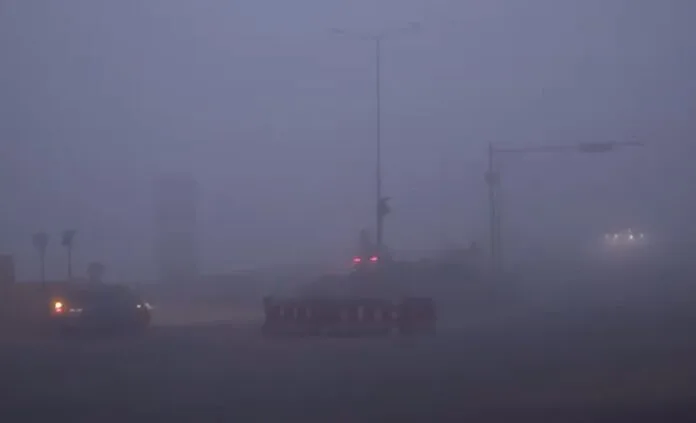
: Normal life in Jammu was disrupted on Wednesday as a dense blanket of fog affected air and rail operations, while chilling weather conditions continued across the region.

“Due to dense fog and poor visibility, flight operations at Jammu airport remained affected since morning,” an official said.

Rail services were also badly hit. A senior railway official said several trains were running three to four hours behind schedule, as dense fog across northern parts of the country disrupted rail movement.

The Meteorological Department (MeT) said foggy conditions are likely to persist for a few more days, even as cold weather continues to grip the region.

According to the MeT Department, minimum temperatures recorded during the intervening night of January 13–14 were: Jammu 4.0°C, Banihal 5.3°C, Batote 4.5°C, Katra 5.5°C, Bhaderwah 0.5°C, Kathua 4.2°C, Jammu Airport 4.8°C, Udhampur 1.0°C, Ramban 2.8°C, Samba 1.5°C, Rajouri 0.6°C, Kishtwar 4.3°C, Reasi 2.6°C and Doda 4.3°C.

In view of the harsh cold conditions, the administration has extended winter vacations in schools till January 14, while several institutions are conducting online classes for primary sections.

People in the plains of Jammu, especially roadside vendors, were seen burning firewood to protect themselves from the biting cold. Many business establishments have installed warmers and electric heaters to provide relief to customers.

Vehicular movement remained slow, with drivers using headlights even during daytime to avoid accidents amid poor visibility caused by thick fog.

Women VDGs Guard Remote Jammu Villages During Winter Migration


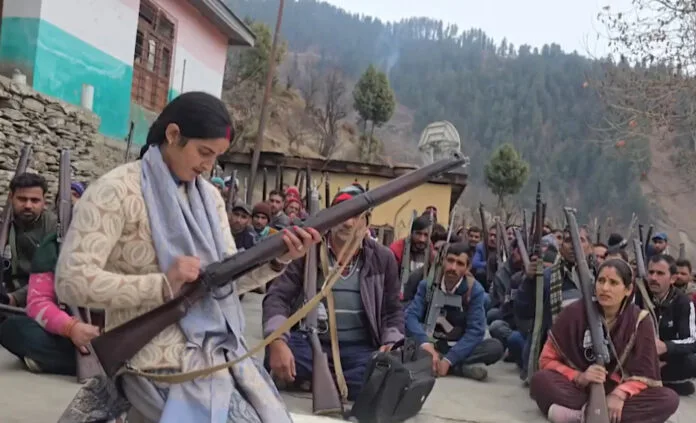
 Women members of Village Defence Guards (VDGs) are safeguarding remote villages of the Jammu region during the winter months, when many men migrate to other parts of the country in search of livelihood.

Equipped with .303 rifles after undergoing training by various security agencies, women VDGs are deployed in difficult terrain, often in isolated and vulnerable areas, Superintendent of Police, Bhaderwah, Vinod Sharma said.

Training shoulder to shoulder with their male counterparts, the women remain resolute in defending their communities against terrorist threats. Their presence has significantly strengthened local security arrangements, particularly during periods when villages face reduced manpower, the officer said, adding that women’s participation in village defence is not new to the region.

In September 2009, Rukhsana Kausar, a Gujjar woman from Upper Kalsi in Rajouri district, displayed exemplary bravery by shooting dead a Lashkar-e-Taiba (LeT) terrorist. Her act earned her several national and state awards, including the Kirti Chakra, India’s second-highest peacetime gallantry award, besides a job in the Jammu and Kashmir Police.

“In the hilly Chenab region, particularly in Doda, harsh winters force many men to migrate to states such as Uttarakhand, Delhi and Mumbai for work. This seasonal migration leaves villages without able-bodied men, except for a few elderly residents, making them vulnerable to anti-national elements,” Sharma said.

To address this security gap, the police have trained women as VDGs. “They are equally committed to the security and sovereignty of the country. We train them in tactics and strategies to counter terrorist threats, and their performance has been very encouraging,” he added.

Dozens of armed women VDGs are patrolling remote pockets of Doda,

Kishtwar and Ramban districts, emerging as a reliable force to counter insurgency and protect their villages in the absence of male members. They are also undergoing regular training jointly conducted by the police and the Army in far-flung villages and hamlets, many of which are located in dense forests and remain vulnerable to militant activity.

“We are trained to fight terrorists and are ready to face the enemies of the nation,” said Shivani (21), a VDG from Civilli village in Gandoh tehsil of Doda district, bordering Himachal Pradesh.

The Doda region witnessed several massacres during the peak of militancy in the 1990s. The VDGs include both Hindu and Muslim members, including women, reflecting communal harmony, the officer said

JKBOSE Declares Class 12 Results; Overall Pass Percentage at 84.02

 The Jammu and Kashmir Board of School Education (JKBOSE) on Tuesday announced the results of the Class 12 annual examinations, recording an overall pass percentage of 84.02, officials said.

A total of 70,735 students from the Kashmir division and the winter zones of the Jammu division appeared in the examinations, of whom 59,435 candidates qualified successfully.

Girls once again outperformed boys in the results. While the pass percentage of boys stood at 82 per cent, girls recorded a higher success rate of 86 per cent, continuing the trend of girls outperforming boys in board examinations.

JKBOSE officials described the overall performance as satisfactory and congratulated the successful candidates on their achievement.

Security Forces Intensify Search Operation in Kathua’s Remote Villages

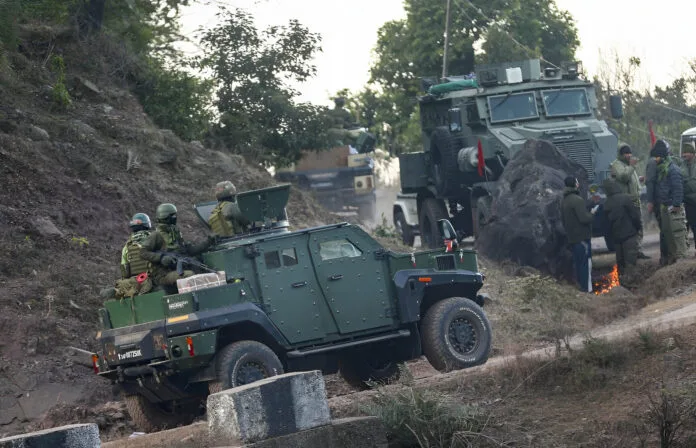
 Security forces on Wednesday stepped up an ongoing search operation by extending the cordon to track down and neutralise terrorists in the remote forested areas of Kathua district, officials said.

The operation was launched on Tuesday in the Najote forest area of Billawar tehsil following specific inputs about the presence of a terrorist. Several gunshots were heard when security forces moved in to sanitise the area.

However, there was no direct contact between the terrorist and the security forces. Fresh intelligence inputs suggest that the suspect managed to escape the initial cordon by taking advantage of the treacherous terrain and darkness, officials said.

According to officials, the terrorist allegedly took food from a shepherd in a nearby area around midnight before moving deeper into the forest.

Reinforcements have since been deployed in multiple directions, and more than a dozen villages around Najote have been cordoned off as part of the expanded operation to track down the terrorist and any possible associates.

Meanwhile, the Jammu and Kashmir Police’s Special Operations Group (SOG) also launched a separate cordon-and-search operation in Jakhole Baira and adjoining villages in the Rajbagh area after a local resident reported suspicious movement of two persons near his cattle shed.

“No trace of the suspicious persons has been found so far,” officials said.

With Republic Day approaching, security has been tightened across the Jammu region, particularly in border villages and high-altitude areas, to thwart any terrorist activity.

Officials said frequent drone intrusions from across the border over the past few days have emerged as a major security concern, prompting the deployment of additional forces at vulnerable locations.

Intensified patrolling, area domination exercises and night surveillance are being conducted to prevent infiltration attempts or airdropping of arms and narcotics, officials added.

Operation Sindoor Showed India’s Resolve and Restraint: Army Chief

0

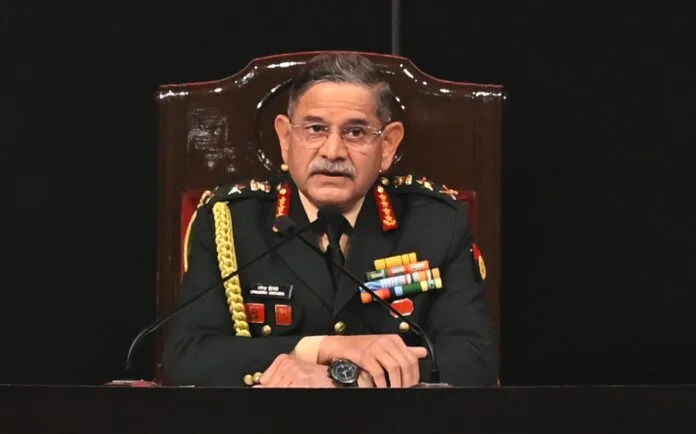
Army Chief General Upendra Dwivedi on Wednesday said Operation Sindoor was a “defining demonstration” of India’s resolve and restraint, reflecting the moral strength and professional excellence of the country’s armed forces as well as its youth.

Addressing cadets at the National Cadet Corps (NCC) Republic Day Camp here, General Dwivedi said the operation highlighted India’s firm response to terrorism while maintaining strategic discipline.

“Operation Sindoor was a defining demonstration of India’s resolve and restraint, a reflection of the moral strength and professional excellence of our armed forces and our youth alike,” the Army Chief said.

The operation was carried out by the Indian armed forces in the early hours of May 7 last year, eliminating at least 100 terrorists in response to the Pahalgam terror attack in April, in which 26 civilians were killed.

A day earlier, General Dwivedi had sent a strong message to Pakistan, stating that Operation Sindoor remains ongoing and that “any misadventure by the adversary will be resolutely responded to”.

At the Army’s annual press conference on January 13, the Army Chief said the operation helped reset strategic assumptions, as Indian forces struck deep to dismantle terror infrastructure, puncturing Islamabad’s “longstanding nuclear rhetoric”.

Recalling the role of the NCC during the operation, General Dwivedi said more than 75,000 NCC cadets volunteered across the country, contributing to civil defence, hospital management, disaster relief and community services.

“Recent events have shown what Indian youth are capable of. You are the most powerful generation — Generation Z. Our youth are a reservoir of strength that must be channelised with discipline, purpose and national commitment,” he said.

The Army Chief said the NCC continues to be a sought-after pathway for young people aspiring to join the armed forces and stressed the need for ‘civilisational atmanirbharta’ — self-reliance in thought, technology, innovation and character.

He highlighted initiatives such as Army cells at IITs, technology clusters and the Army Internship Programme 2025-26 aimed at fostering innovation and national security awareness.

“We invite you to actively participate in national security, innovation and development initiatives,” he said.

Emphasising the vision of Viksit Bharat @ 2047, General Dwivedi said a developed, secure and self-reliant India cannot be achieved by the government alone.

“It will be achieved by young leaders, NCC cadets, innovators, teachers, engineers, doctors, soldiers and responsible citizens like you,” he said.

“So, let’s march with discipline, innovate with integrity and serve with pride. Together, we shall build a strong, self-reliant, united and developed India,” the Army Chief added.

PM Modi Greets Nation on Makar Sankranti, Extends Wishes on Magh Bihu

0

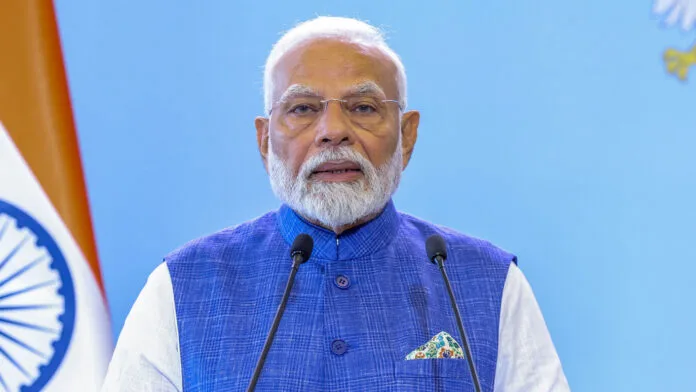
Prime Minister Narendra Modi on Wednesday greeted the nation on the occasion of Makar Sankranti, a harvest festival celebrated across different parts of the country according to local traditions and customs.

Makar Sankranti marks the transition of the Sun into the zodiac sign of Capricorn (Makar) and is observed as a mid-winter harvest festival.

“This sacred occasion of Sankranti is celebrated in various parts of the country according to local customs and traditions. I pray to Lord Surya for everyone’s happiness, prosperity and excellent health,” Modi said in a post on X.

In a separate post, the Prime Minister extended greetings on Uttarayan, another name for the festival in several regions.

“Heartfelt greetings on the auspicious occasion of Uttarayan! May this sacred festival of Makar Sankranti fill your life with happiness, and may everyone be blessed with good health and well-being,” he said.

“May this joyful celebration also strengthen bonds of togetherness and usher in prosperity and positivity for all,” Modi added.

The Prime Minister also conveyed his wishes on Magh Bihu, which is celebrated in Assam and parts of the Northeastern region.

“Magh Bihu celebrates the joy of harvest, abundance and togetherness. May this festival bring prosperity, good health and happiness to every home,” he said.

“May the spirit of gratitude and harmony continue to guide us towards a brighter and more prosperous future,” the Prime Minister added.

Over 9 Lakh Devotees Take Holy Dip at Sangam Ahead of Makar Sankranti at Magh Mela

0

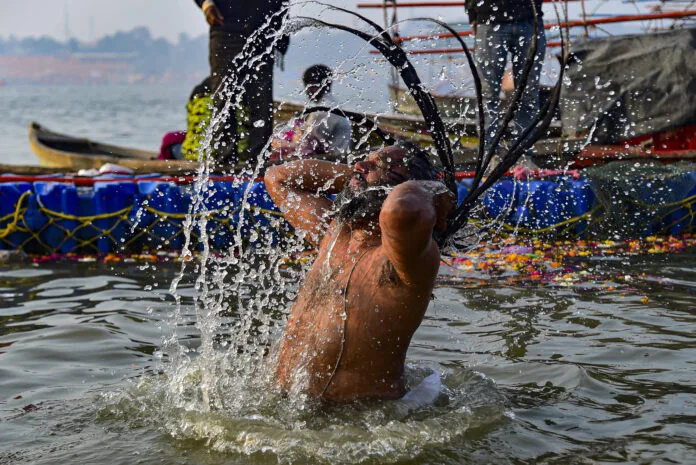
More than nine lakh devotees took a holy dip in the Ganga and at the Sangam here by Wednesday morning as part of Makar Sankranti festivities, officials said.

While many parts of the country are observing the harvest festival on Wednesday, Uttar Pradesh will celebrate Makar Sankranti on Thursday, which also marks the second major bathing festival of the ongoing Magh Mela.

Superintendent of Police (Magh Mela) Neeraj Pandey said devotees began arriving at the ghats in the early hours.

“By 6 am, over nine lakh devotees had taken a dip in the Ganga and at the Sangam. The number of pilgrims is expected to rise to between one crore and 1.5 crore by Wednesday evening on the occasion of Makar Sankranti,” Pandey said.

To manage the massive influx of pilgrims, over 10,000 police personnel have been deployed across the mela area to ensure security and smooth traffic movement.

Officials said more than 31 lakh devotees took a holy dip during the Paush Purnima bathing festival this year, while 28.95 lakh pilgrims participated in the Paush Purnima bath during Magh Mela 2024.

Magh Mela Officer Rishiraj said that 42 temporary parking facilities have been set up this year with the capacity to accommodate over one lakh vehicles, helping ease congestion and ensure smooth traffic flow.

He added that a total of 12,100 feet-long bathing ghats have been constructed for Magh Mela 2025–26, equipped with basic facilities such as changing rooms and toilets.

To maintain adequate water levels in the Ganga during the fair, 8,000 cusecs of water are being released daily from the Ganga barrage in Kanpur, officials said.

The 44-day-long Magh Mela, held annually during the Hindu month of Magh (January–February), takes place at the Triveni Sangam, the confluence of the Ganga, the Yamuna and the mythical Saraswati.

Magh Mela Prayagraj 2026 is being held from January 3 to February 15 and is marked by several age-old traditions, including Kalpavas and the Panchkosi Parikrama.

Key bathing dates for the Magh Mela include January 15 (Makar Sankranti), January 18 (Mauni Amavasya), January 23 (Vasant Panchami), February 1 (Maghi Purnima) and February 15 (Maha Shivratri).