
Aspirants Corner
Understanding Political Funding and Its Impact on Corruption
Introduction: In the complex world of politics, the issue of political funding and its nexus with corruption is a matter of constant…
4 Oct 2023
Introduction: In the complex world of politics, the issue of political funding and its nexus with corruption is a matter of constant…

E-governance refers to the use of digital technologies, particularly the internet, to enhance the efficiency, accessibility, and accountability of government services and…
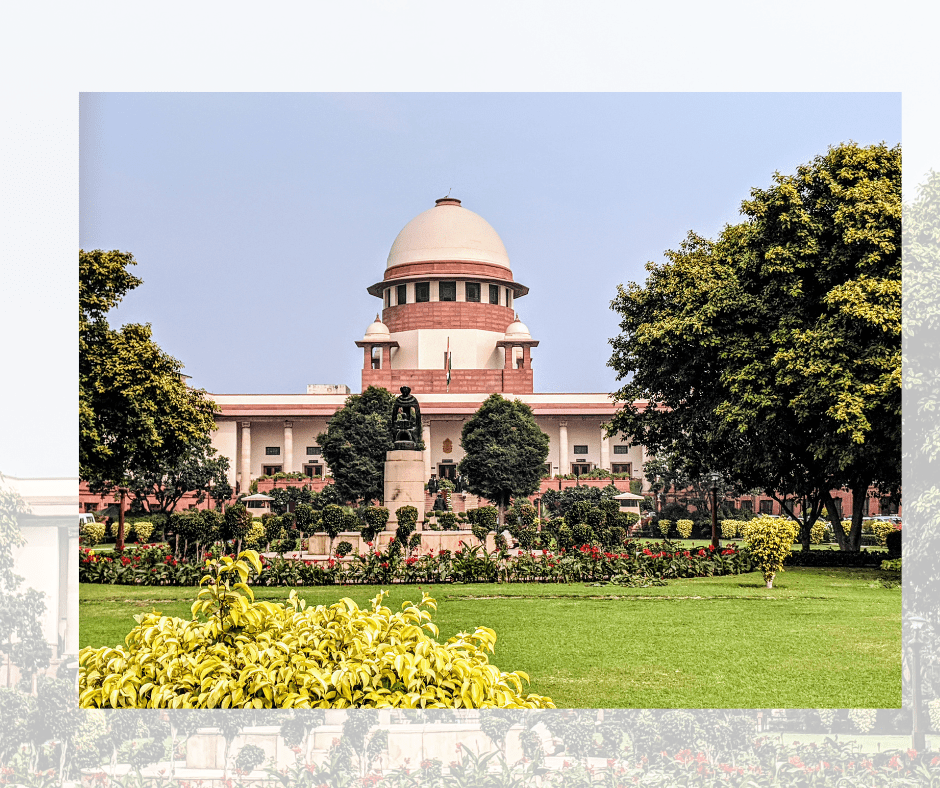
The Indian Judiciary: A Pillar of Democracy and Constitutional Adherence In the complex tapestry of India’s democratic framework, the judiciary emerges as…

The Panchayati Raj System in India: A Beacon of Decentralized Governance In the diverse tapestry of India, the Panchayati Raj system stands…

The Indian Constitution: A Shield for Citizens’ Rights The Indian Constitution, adopted in 1950, is not just a legal document; it is…

Introduction Articles 25 to 28 guarantee right to freedom of religion. Article 25 guarantees to every person the freedom of conscience and…

In a democracy, transparency and accountability are essential for the functioning of the government and the empowerment of its citizens. The Right…
The Representation of People’s Act (RPA) is a crucial legislation that governs elections in India. Enacted in 1951, the RPA has been…

Introduction: Fundamental Duties (FD) are a set of moral obligations and responsibilities of every citizen of India, enshrined in Article 51A of…

Introduction: The Directive Principles of State Policy (DPSP) are a set of guidelines and principles enshrined in Part IV (Articles 36-51) of…