Author: Himalayan Express

  • RBI Committed To Remain Vigilant Of Emerging Vulnerabilities, Keep Financial System Resilient: Guv

    RBI Committed To Remain Vigilant Of Emerging Vulnerabilities, Keep Financial System Resilient: Guv

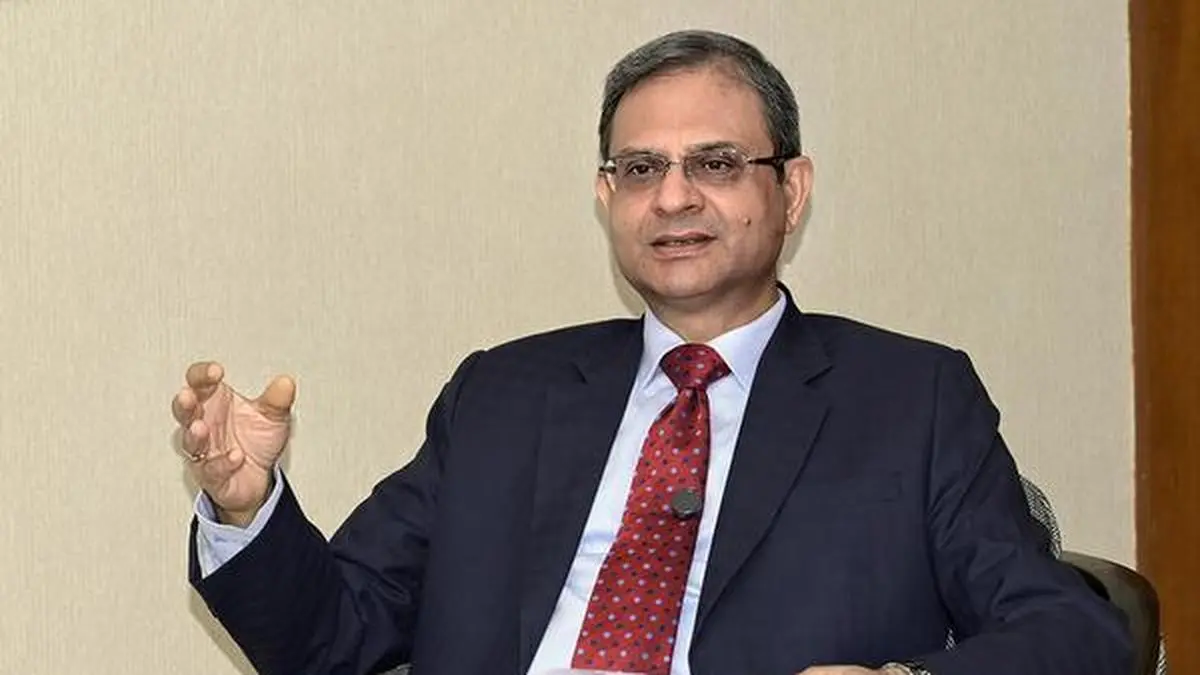
    Reserve Bank Governor Sanjay Malhotra on Saturday said the resilience of the financial system today should not be taken as a guarantee against future vulnerabilities and called for continued vigilance to safeguard financial stability.

    Speaking at the Kautilya Economic Conclave here, he outlined five priorities for policymakers, stressing that financial stability should focus not on preventing shocks but on strengthening the financial system’s ability to withstand and contain their impact.

    “Today’s resilience may not necessarily imply tomorrow’s immunity, and we are committed to remain vigilant of emerging vulnerabilities and continue to keep our financial system strong and resilient,” he said, highlighting the resilience of the financial system supported by healthy balance sheets of banks and NBFCs.

    He said shocks, whether endogenous or exogenous, are inevitable and the objective should be to build a financial system capable of providing financial services even under severe stress.

    Malhotra also flagged a new generation of systemic risks that are increasingly exogenous, cross-border and interconnected.

    The next financial crisis, he said, may not necessarily originate in a bank or even within the financial sector, but could begin with a geopolitical event, cyber attack or technological failure and affect the financial system through multiple channels.

    He stressed the need to better understand network dependencies and contagion channels while making scenario analysis a cornerstone of risk management.

    The RBI governor also called for improvements in monitoring and assessment frameworks through better and more granular data.

    Data on non-banking financial institutions (NBFIs), interconnected exposures, technological developments and cross-border positions can remain fragmented, he said, adding that the data quality would increasingly determine the quality of risk assessment in an interconnected financial system.

    He said resilience also needs to be “system-wide”, noting that a strong banking system, while necessary, is not sufficient.

    Resilience is required across NBFIs, financial markets, payment systems, technology infrastructure providers, critical third parties and cross-border financial networks, he said.

    On financial innovation, Malhotra said technologies such as artificial intelligence and tokenisation, as well as new forms of financial intermediation, could significantly improve efficiency, but innovation must not undermine the foundations of trust in the financial system.

    He emphasised sound institutions, settlement finality, singleness of money and financial integrity as fundamental properties that need to be preserved.

    “The challenge before us is to build a financial system that can withstand shocks that we can anticipate, and even those we cannot yet foresee,” he said.

    This would require resilient institutions, better data, deeper markets, credible safety nets, effective resolution mechanisms and regulation and supervision that are proactive and forward-looking while remaining proportionate, he said.

    “If we succeed, financial stability will remain largely invisible, and in central banking, invisibility is perhaps the most invaluable and meaningful measure of success,” he added. (Agencies)
  • India Defeat Pakistan To Win Second Consecutive Asian Games Cricket Gold Medal

    India Defeat Pakistan To Win Second Consecutive Asian Games Cricket Gold Medal

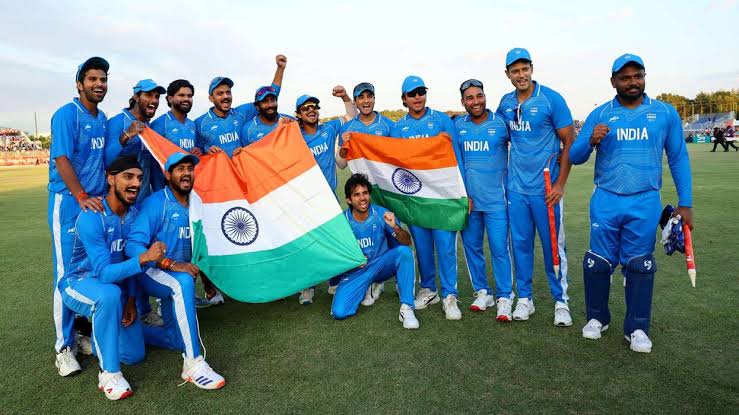
    India defeated Pakistan by 19 runs here on Saturday to clinch their second consecutive gold medal in the Asian Games men’s cricket event.

    After posting 211 for six on a batting-friendly track, India restricted Pakistan to 192 for six despite a gusty 96 (50 balls; 7 sixes, 5 fours) from Hasan Nawaz.

    Axar Patel was the pick among the bowlers for India with figures of 4-0-29-2.

    Earlier in the match, half-centuries from Abhishek Sharma (61) and Tilak Varma (51 not out) powered India to a daunting total here at the Korogi Sports Park.

    India’s women’s team had also successfully defended its gold earlier in the mega-event.

    India 211/6 in 20 overs (Abhishek Sharma 61, Tilak Varma 51 not out; A Minhas 2/25, A Daniyal 2/43)

    Pakistan 192/6 in 20 overs (Hasan Nawaz 96; Axar Patel 2/29) by 19 runs. (Agencies)

  • New Dining Experience Slate Restaurant Opens in Jammu

    New Dining Experience Slate Restaurant Opens in Jammu

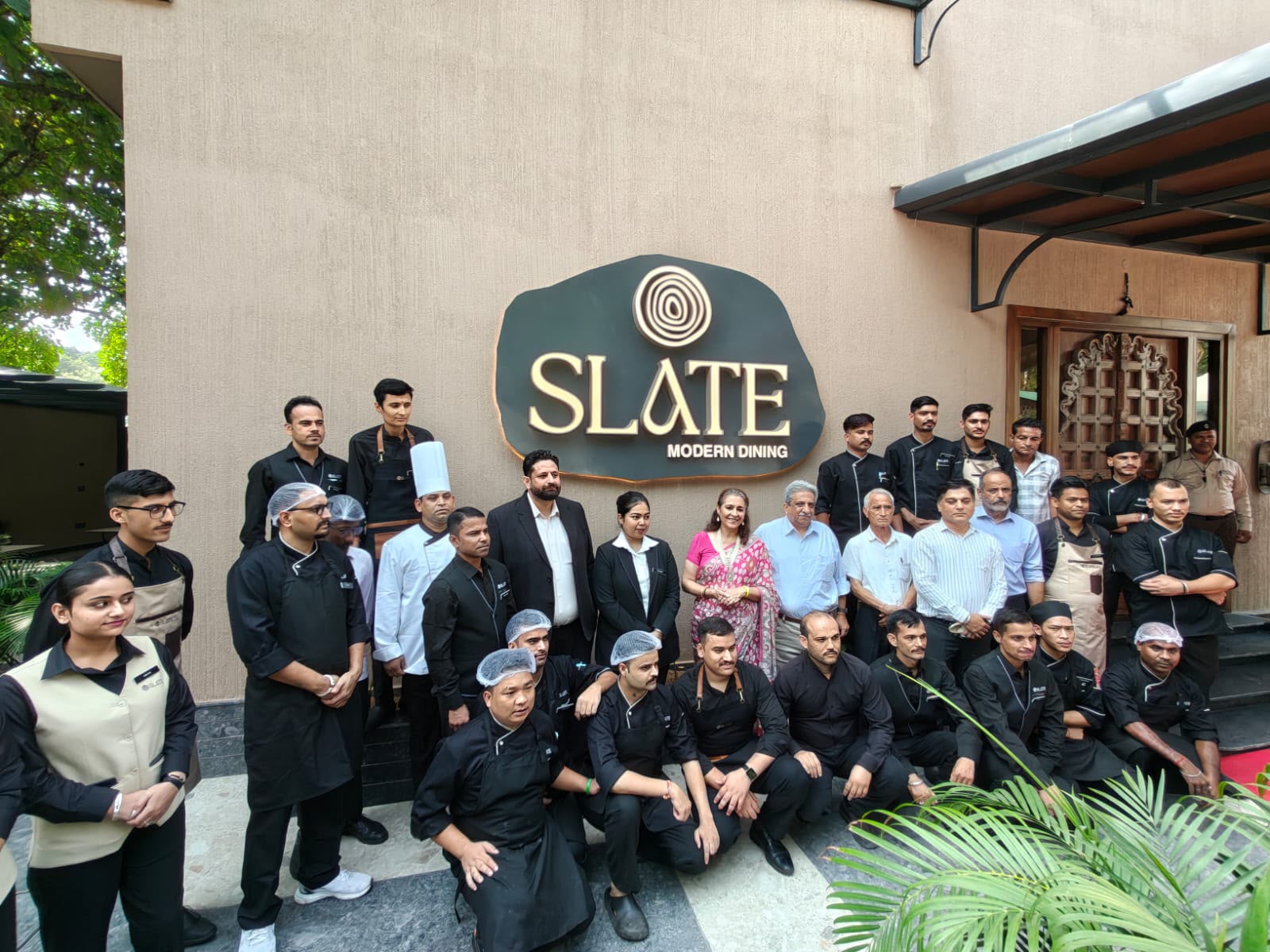
    Slate Restaurant has opened in Jammu, creating a new hub for contemporary dining and social gatherings. Located next to Vedas in the R. B. Jodhamal Mill Compound, the restaurant welcomes guests to experience elevated culinary delights.

    The launch on [insert date] marks a significant addition to Jammu’s growing culinary landscape. Slate Restaurant aims to redefine dining in the region by merging exceptional food, inviting décor, and a warm atmosphere where every meal can become a cherished occasion.

    More than a traditional restaurant, Slate serves as a versatile venue suitable for family get-togethers, business lunches, intimate celebrations, and other significant events. Its name symbolizes a blank canvas where guests can sculpt memorable experiences through delicious meals and delightful conversations.

    “At Slate, our goal is not just to provide a meal,” said Aparna Kuthiala, Director of Slate Restaurant. “We aspire to create a welcoming environment from the moment a guest arrives—where food is crafted with care, the atmosphere encourages lingering, and every visit has the potential to be special. Slate invites Jammu to enjoy the best in flavor, camaraderie, and hospitality.”

    Slate’s menu spotlights modern dining, showcasing a commitment to quality ingredients and artistic presentation. The restaurant’s design elegantly combines contemporary style with warmth, offering a pleasant setting for any type of gathering.

    A Hub for Social Engagement

    As the hospitality scene in Jammu continues to flourish, Slate positions itself as the go-to destination for residents and visitors alike. The restaurant is set to become a favorite for families, professionals, and anyone looking for a polished dining experience. Additionally, Slate provides tailored arrangements for private events and group bookings, ensuring personalized services for every occasion.

    Highlights of the Slate experience include:

    • A sleek yet welcoming dine-in ambiance
    • A creative menu designed for leisurely dining and special moments
    • Comfortable yet elegant settings suitable for friends, families, and corporate guests
    • Customized packages for private parties and group events
    • Your moment is our priority with attentive and personalized service

    “Jammu is known for its rich culture of celebration and hospitality,” said Vikrant Kuthiala. “Slate embodies this spirit. We are eager to invite guests not just for a meal, but for the meaningful moments that accompany it.”

    Slate Restaurant
    Location:
    Located next to Vedas, R. B. Jodhamal Mill Compound, Toph Sherkhanian, Jammu.
    Operating Hours: 12:30 PM to 10:30 PM
    For Reservations, Private Events, & Group Bookings:
    Phone/WhatsApp: 96350 56655 | 97600 65755
    Follow us on Instagram: @slatemoderndining

  • Omar, Mehbooba Remember Gandhi, His Ideals Of Peace, Inclusive Society

    Omar, Mehbooba Remember Gandhi, His Ideals Of Peace, Inclusive Society

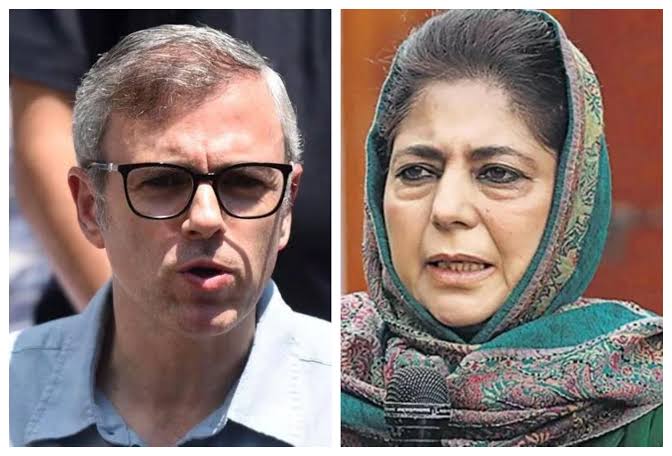
    Mahatma Gandhi’s message of truth, non-violence, peace, and harmony inspires generations, Jammu and Kashmir Chief Minister Omar Abdullah said on Friday in tribute to the freedom fighter on his birth anniversary.

    Abdullah called upon the people to follow Gandhi’s ideals and work for a more compassionate and inclusive society.

    PDP chief Mehbooba Mufti said remembering Gandhi means finding courage to stand up for the India he gave his life for.

    “On Gandhi Ji’s Jayanti, seeing our young people, despite all odds, gather at Shivaji Park and Jantar Mantar to defend the India we believe in fills my heart with hope,” Mehbooba said on X.

    The former chief minister said Gandhi gave his life for an idea of India where every citizen could live with dignity and freedom.

    “Today, that India is being tested. For me, remembering Gandhi Ji means finding the courage to stand up for the India he gave his life for,” Mehbooba said. (Agencies)

  • CS Directs DCs To Certify 100% Coverage Of Eligible Farmers Under Agristack

    CS Directs DCs To Certify 100% Coverage Of Eligible Farmers Under Agristack

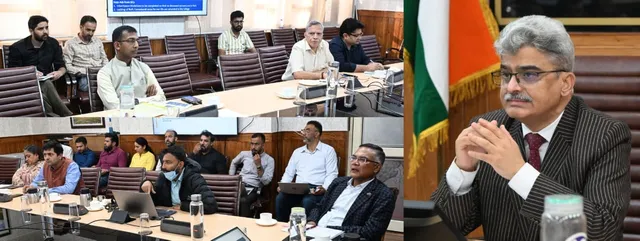
    Chief Secretary, Atal Dulloo, today chaired a comprehensive review meeting to assess the progress of digitisation of land records and implementation of AgriStack across Jammu and Kashmir.

    The meeting has a particular focus on district-wise progress in creation of Farmer IDs, generation of Unique Land Parcel Identification Numbers (ULPINs), digitisation and integration of cadastral maps through BhuNaksha and proposed integration of digitised land records with RBI’s Unified Lending Interface (ULI).

    The meeting besides ACS, Finance; was attended by Secretary, Revenue; Divisional Commissioner, Jammu/Kashmir; Deputy Commissioners; Managing Director, AgriStack; Director, Land Records; representatives of RBI, BISAG-N and NIC besides other concerned officers.

    Taking a detailed district-wise appraisal of each component separately, the Chief Secretary enquired from Deputy Commissioners about the reasons for delays and the gaps between targets and achievements.

    He directed the district administrations to ensure that no eligible farmer is left out of AgriStack or Farmer ID registration, and asked them to furnish certificates to this effect after due verification.

    The Chief Secretary also directed the Deputy Commissioners to fix responsibility wherever undue delays are observed, besides conducting frequent field inspections to monitor both progress and quality. He further enjoined upon them to depute other concerned officers to undertake regular field inspections and submit weekly progress reports.

    ACS Finance, Shailendra Kumar, stressed the need to prioritise farmers available in villages, observing that they constitute the overwhelming majority of the target population, while exceptional cases of absentees could be taken up subsequently.

    He advised against generalising exceptions and urged the field agencies to make every effort to complete AgriStack work without further delay.

    The ACS Finance also asked Deputy Commissioners to formulate specific operational guidelines for different situations encountered by field functionaries, so that procedural issues do not become a reason for delaying the work.

    On this occasion the Secretary, Revenue, Kumar Rajeev Ranjan, gave out instant solutions to the issues raised bt DCs He also took this occasion to apprise the meeting that J&K has achieved 100 per cent digitisation coverage across its foundational land administrative units, covering all 20 districts, 207 tehsils and 6,818 villages.

    As many as 68,62,596 land parcels (Khasras) have been digitised. The backlog of 6,47,274 mutations has also been incorporated across all 20 districts, leaving no pending backlog.

    Moreover it was given out that the Department has received 14,48,748 grievances, of which 14,38,571 were non-quasi-judicial. As many as 14,27,576 non-quasi-judicial grievances have been resolved.

    The meeting was informed that against a base of 71,04,737 Khasras across 6,818 villages, data entry for AgriStack has progressed substantially, with 65,77,944 Khasras submitted, 58,17,502 verified and 57,30,681 approved, representing 80.7 per cent of the total base.

    In Jammu Division, 2,770 out of 3,750 villages have been fully approved, with an overall Khasra approval rate of 80.8 per cent. Similarly in Kashmir Division, 1,945 out of 3,068 villages have been fully approved, with an overall Khasra approval rate of 80.5 per cent.

    The meeting was informed that 1,21,472 Farmer IDs have been generated across 1,663 villages so far. Kashmir Division accounts for 70,979 Farmer IDs across 836 bucketed villages, while Jammu Division has generated 52,751 Farmer IDs across 827 villages.

    Regarding the Digital Crop Survey it was given out that the same for Kharif 2026 is being undertaken across 5,714 villages covering around 30.61 lakh agricultural plots.

    Survey has been completed for 30,61,696 plots, representing 96.55 per cent progress, while supervisors have approved 27,27,189 plots.

    As far as ULPIN generation is concerned it was divulged that the process has gained substantial momentum and significant progress has been recorded in generation of Unique Land Parcel Identification Numbers (ULPINs).

    The meeting was apprised that as of September 25, ULPIN coverage had expanded to 5,275 villages, up from 4,078, while the number of ULPINs generated increased to 33,47,011, registering an addition of 4,08,887 since the previous review.

    The meeting also reviewed the implementation of BhuNaksha and integration of cadastral maps with digitised land records. Under the prescribed six-step workflow, the process involves inventory and collection of Shajra/Mussavi maps, geo-referencing, Khasra-wise subdivision into daughter maps, topology and boundary checks, integration with Jamabandi/Record of Rights and field validation by Patwaris.

    Out of 6,818 village maps, 6,468 have been handed over to BISAG-N, of which 6,049 have been received back. Geo-referencing of 425 maps is pending, while attribute tables for 5,754 maps have been completed.

    The meeting was also apprised of the proposed integration of J&K’s digitised land records with RBI’s Unified Lending Interface (ULI) through specialised APIs.

    The integration is envisaged to facilitate secure access to relevant land and farm-related information for agricultural lending, including landowner and land parcel details, farm parameters, mortgage details, crop information and flag-marking of existing loans.

    The Chief Secretary directed all concerned agencies to work against fixed timelines and clearly assigned responsibilities.

    Deputy Commissioners have been asked to complete locking of RoR/Jamabandi within one month of Farmer ID generation, complete Farmer ID generation in all bucketed villages and address unclaimed buckets and cross-district land parcels within two months.

    The Chief Secretary stressed that the digitisation exercise should not remain confined to data generation, but must translate into accurate, updated and field-validated land records that enable faster citizen services, transparent land administration and easier access to institutional agricultural credit for all farmers in the days to come.

  • CM Omar Hails J&K Compressed Bio-Gas Policy 2026 As Major Step Towards Clean Energy, Circular Economy

    CM Omar Hails J&K Compressed Bio-Gas Policy 2026 As Major Step Towards Clean Energy, Circular Economy

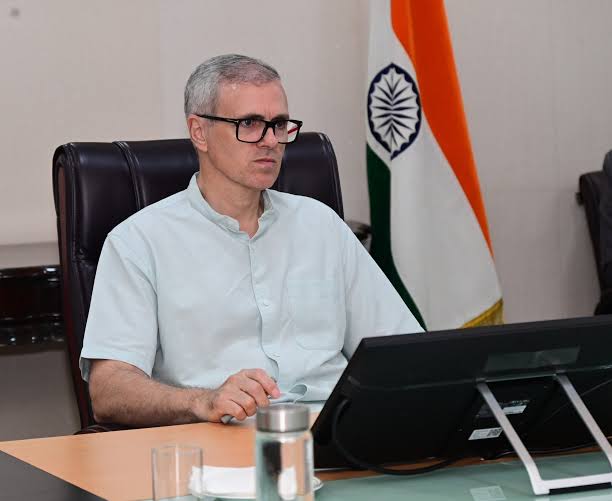
    Chief Minister Omar Abdullah has termed the Jammu and Kashmir Compressed Bio-Gas (CBG) Policy 2026 a major step towards promoting clean energy, strengthening the circular economy and turning organic waste into wealth in Jammu & Kashmir.

    Following its approval by the Council of Ministers chaired by the Chief Minister, the Government has notified the Jammu and Kashmir Compressed Bio-Gas (CBG) Policy 2026, providing a comprehensive framework for converting organic waste into clean automotive fuel and organic fertiliser.

    The policy aims to promote investment in CBG production by facilitating the utilisation of diverse organic waste streams, including cattle dung, apple pomace, municipal solid waste, pine needles and crop residues. It seeks to simultaneously address waste management, energy security, rural employment and sustainable agricultural practices.

    A key feature of the policy is capital expenditure support of ₹0.50 crore per TPD, with assistance capped at ₹10 crore per project. Government land will be made available at nominal lease rates of ₹1 per square metre, with 100 per cent exemption from stamp duty.

    To facilitate ease of doing business, the policy provides for 60-day deemed approvals for non-statutory permissions through the Single Window Portal, enabling eligible clearances to be deemed granted if not disposed of within the stipulated timeframe.

    The policy also provides for 100 per cent SGST reimbursement for the first five years of operation, a manpower subsidy of ₹3,000 per month per local unskilled worker for two years, and interest subvention of up to ₹2 crore on bank term loans.

    The Government will also facilitate feedstock aggregation and market linkages for bio-manure, with the policy targeting distribution of bio-manure to 10,000 farmers. The initiative envisages creation of around 2,000 direct rural jobs by 2030, besides generating livelihood opportunities across the CBG value chain.

    The policy, valid up to 2032, is aimed at creating a conducive ecosystem for green investment while promoting decentralised waste-to-energy solutions and strengthening rural economies.

    Chief Minister Omar Abdullah congratulated Minister for Science & Technology Satish Sharma and the Department of Science & Technology for notifying the policy, describing it as an important initiative towards sustainable energy development and a cleaner, more resource-efficient Jammu & Kashmir.

  • Vande Bharat Crosses Chenab, Anji Bridges At 100 Kmph As Katra-Banihal Train Speed Limit Raised

    Vande Bharat Crosses Chenab, Anji Bridges At 100 Kmph As Katra-Banihal Train Speed Limit Raised

    A Vande Bharat Express crossed the world’s highest railway bridge over the Chenab River and India’s first cable-stayed railway bridge at Anji at 100 kmph, as the maximum permissible speed on the 111-km-long Katra-Banihal broad-gauge rail section was raised to 100 kmph, officials said.

    The speed enhancement on the Shri Mata Vaishno Devi Katra-Banihal section under the Jammu division of Northern Railway was successfully tested on Thursday, marking a significant operational milestone for the ambitious Udhampur-Srinagar-Baramulla Railway Link (USBRL) project.

    “The maximum permissible speed on the 111-km-long Shri Mata Vaishno Devi Katra-Banihal section has been increased from 75 kmph to 100 kmph,” Senior Divisional Commercial Manager Uchit Singhal said.

    He said the Vande Bharat Express (Train No. 26401/26404) created a new record by crossing both the world’s highest Chenab Bridge and India’s first cable-stayed Anji Bridge at 100 kmph.

    The 111-km Katra-Banihal section is a crucial and technically challenging component of the USBRL project, which is aimed at providing seamless rail connectivity between the Kashmir Valley and the rest of the country.

    The Railway Ministry approved the enhancement in the maximum permissible speed to 100 kmph after all prescribed safety conditions were complied with by the Railways in August this year, officials said.

    Earlier, trains were permitted to operate at a maximum speed of 85 kmph on the Shri Mata Vaishno Devi Katra-Sangaldan section and 75 kmph on the Sangaldan-Banihal section.

    The increase in the permissible speed is expected to make train operations on the USBRL project smoother, reduce travel time and provide faster, safer and more comfortable journeys to passengers.

    With the enhancement, travel time between Shri Mata Vaishno Devi Katra and Banihal is also expected to come down, providing faster and more comfortable rail connectivity in the region.

    The Katra-Banihal section traverses some of the most difficult and rugged terrain of the Pir Panjal and lower Himalayan ranges, involving deep valleys, steep mountain slopes, major rivers and highly complex geological formations.

    The construction of the line has therefore required extensive use of advanced engineering techniques, including long tunnels, high-level bridges and sophisticated railway infrastructure, officials said.

    The section has some of the country’s most prestigious and challenging engineering structures, including the Chenab Railway Bridge, the world’s highest railway bridge, constructed over the Chenab River near Reasi, and the Anji Khad Railway Bridge, India’s first cable-stayed railway bridge.

    The section also has 33 tunnels.

    Prime Minister Narendra Modi flagged off the Katra-Srinagar Vande Bharat Express from Shri Mata Vaishno Devi Katra on June 6, 2025. (Agencies)

  • Saffron Cultivation Begins In Ladakh

    Saffron Cultivation Begins In Ladakh

    A chunk of land in Leh, which was barren till 3 months ago, is all set to grow some exquisite saffron for the first time in Ladakh.

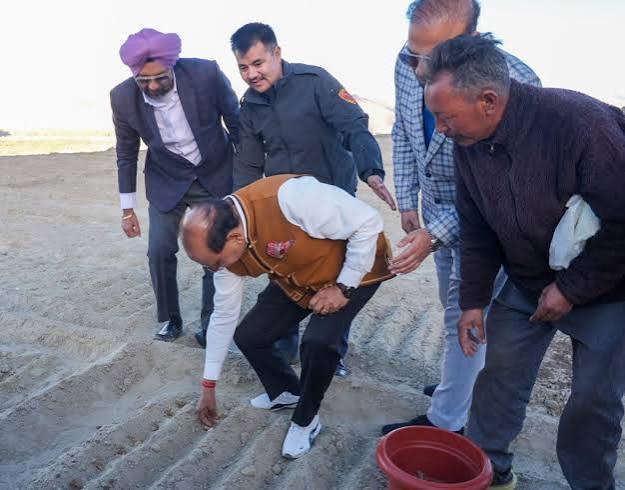
    Buoyed by the stupendous success of the Lilium flower fields in Ladakh, Lieutenant Governor Vinai Kumar Saxena has undertaken another agricultural-diversification exercise of growing saffron in the cold desert of Ladakh. As an ambitious experiment, nearly 800 kg corms (90,000 nos.) of premium Iranian saffron have been planted over nearly 4000 square meters of land, which was earlier barren and has been recently restored and rejuvenated, as part of Project Him Sarovar, under the guidance of L-G Saxena. Agriculture experts said these saffron corms are expected to produce a good quantity of saffron.

    The initiative is guided by Prime Minister Narendra Modi’s vision of diversifying traditional agricultural practices for financial sustainability and economic empowerment of the farmers and the youth. Saffron plantation in Ladakh builds on the Administration’s successful experiment with high-value floriculture, particularly the massive cultivation of Lilium and Gladiolus in Leh, that has opened new employment and livelihood opportunities for farmers, Self-Help Groups and other local entrepreneurs.

    The pilot saffron cultivation is being undertaken at Command Area Gate No. 27 at Spituk Pharka in Leh. For this purpose, high-quality Iranian saffron corms with a circumference of 8 to 10 cm, a diameter of 2.5 to 3 cm or larger, and a weight of 10 grams or more, which are considered the best corms, have been planted. These specifications are considered suitable for high-quality saffron production.

    L-G Saxena said the saffron plantation has immense potential to strengthen our local economy by introducing another high-value crop under Ladakh’s unique high-altitude agro-climatic conditions. This, he said, would also bust the myth that saffron cannot be grown in Ladakh and that the barren or degraded land could not be restored.

    “Our endeavour is to transform degraded and barren land into productive assets and create new opportunities for our farmers. The introduction of saffron is another important experiment in crop diversification, which can open a new avenue for enhancing farmers’ incomes through a premium-value crop,” said L-G Saxena.

    Saffron is a high-value crop with strong market demand and commands a premium price, offering the potential to provide farmers with an additional and remunerative source of income. Jammu and Kashmir is the primary region for saffron cultivation in India, accounting for approximately 90 per cent of the country’s total production. Its introduction in Ladakh is, therefore, being undertaken as a pilot to assess its suitability to the region’s climatic conditions and explore its economic potential.

    It may be noted that the saffron plantation site is part of the 800 acres of land being restored in Leh by bringing fresh water from the adjoining Igoo–Phey irrigation canal, which was recently restored and operationalised. On the directions of the Lieutenant Governor, unutilised or excess water from the canal is being channelled towards the barren land to increase its moisture content and make it suitable for cultivation.

    The Command Area also has four water ponds as part of Project Him Sarovar, which are located adjacent to the site, with a combined storage capacity of around 24 million litres.

  • J&K Govt Orders Transfers, Postings Of Eight Forest Department Officers

    J&K Govt Orders Transfers, Postings Of Eight Forest Department Officers

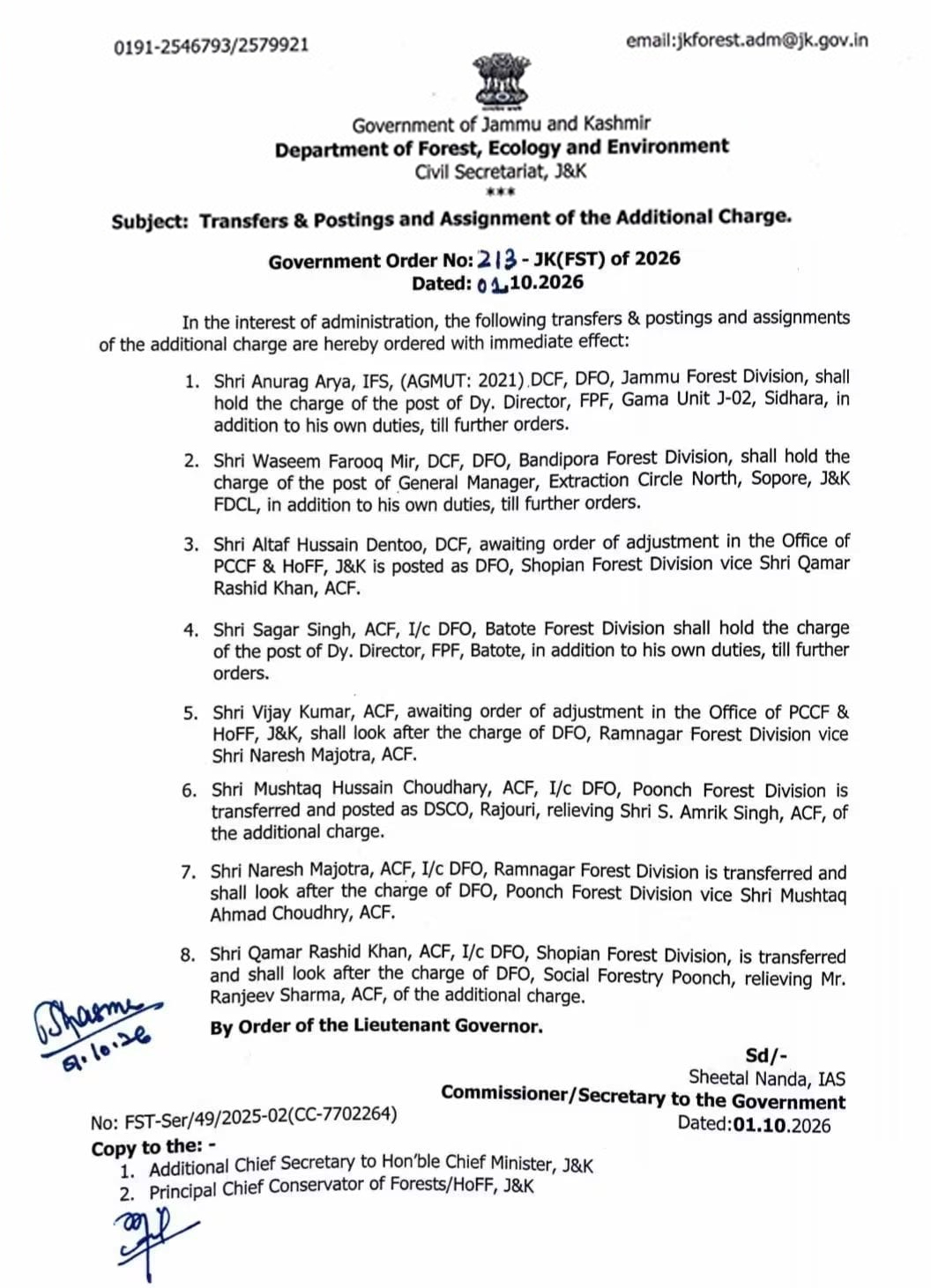
    Jammu, Oct 1: The Jammu and Kashmir Government has ordered transfers, postings and assignment of additional charges of eight Forest Department officers with immediate effect.Vande Bharat tickets

    ORDER1

  • PM Modi Has ‘Good Ideas’ For Settlement Of Ukraine Conflict: Putin

    PM Modi Has ‘Good Ideas’ For Settlement Of Ukraine Conflict: Putin

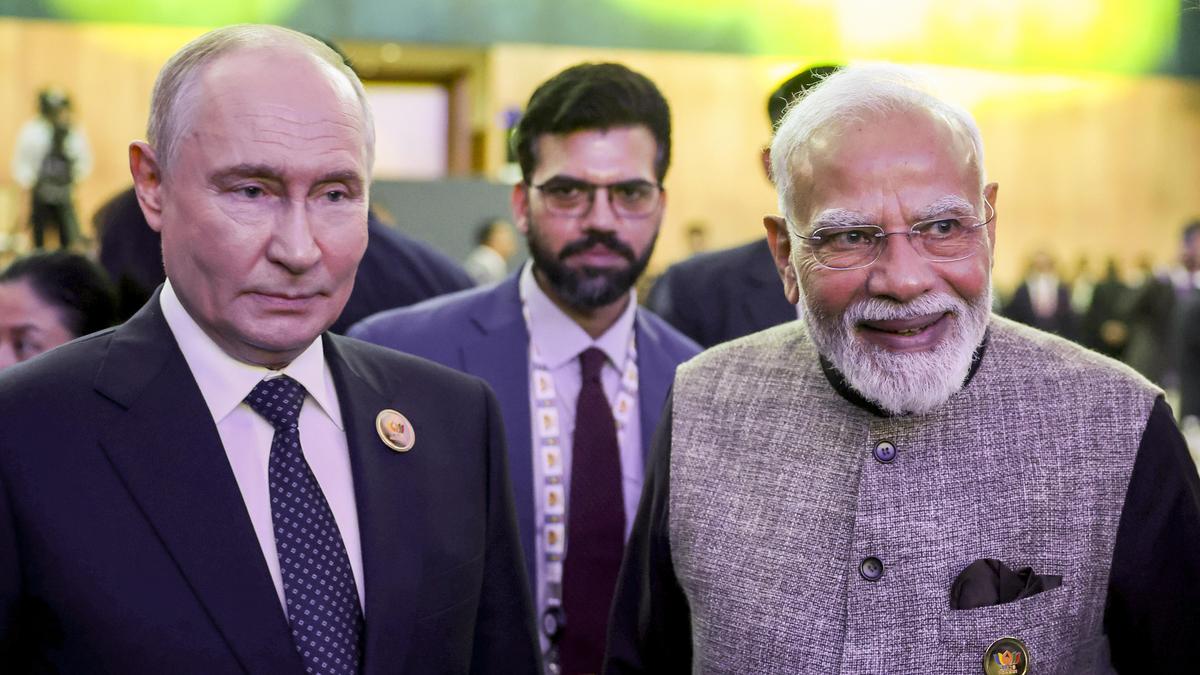
    Prime Minister Narendra Modi has “very good ideas” on a mutual settlement of the Ukraine conflict and raises the issue at “every meeting”, Russian President Vladimir Putin has said.

    Putin made the remarks on Thursday at the annual meeting of the Valdai International Discussion Club, according to state-run TASS news agency.

    “As for Prime Minister Modi’s position on ending wars, I can say that he is one of those world leaders who, despite our very good, even friendly relations, including at the personal level, constantly raises the issue and asks questions about ending the conflict in Ukraine,” Putin said.

    The Russian leader said Modi “brings up these matters at every meeting we have and takes a keen interest in them”.

    “He has very good ideas aimed at finding mutually acceptable solutions,” Putin added.

    Ahead of the BRICS summit in New Delhi last month, Putin and Modi held talks, during which the Russian leader briefed Modi on the overall situation regarding the Ukraine war, which began in February 2022, and ongoing peace initiatives.

    A few days before that, Kremlin spokesperson Dmitry Peskov said Russia would welcome any peace efforts by India to end the Ukraine conflict, noting that Moscow’s strategy aligns closely with New Delhi’s position for a resolution through dialogue and diplomacy.

    Putin, at the forum on Wednesday, also expressed appreciation for India’s cultural diversity and unity.

    “India cannot fail to amaze with its scale and diversity,” he said.

    “Few people know this, but Mr. [Indian Prime Minister Narendra] Modi told me that of the 1.5 billion people, 600 million Indians speak their native language, Hindi, while most speak their own languages, and they all live together – amazing,” he said.

    Asserting that this cannot fail to inspire admiration, he said, “There is something unique about Indian culture that can certainly serve as an example of how diversity and unity can coexist. It is certainly something to learn from.” (Agencies)