Author: Himalayan Express

  • Omar Abdullah Condemns Kulgam Terror Attack on Migrant Workers

    Omar Abdullah Condemns Kulgam Terror Attack on Migrant Workers

    Omar Abdullah Condemns Kulgam Terror Attack

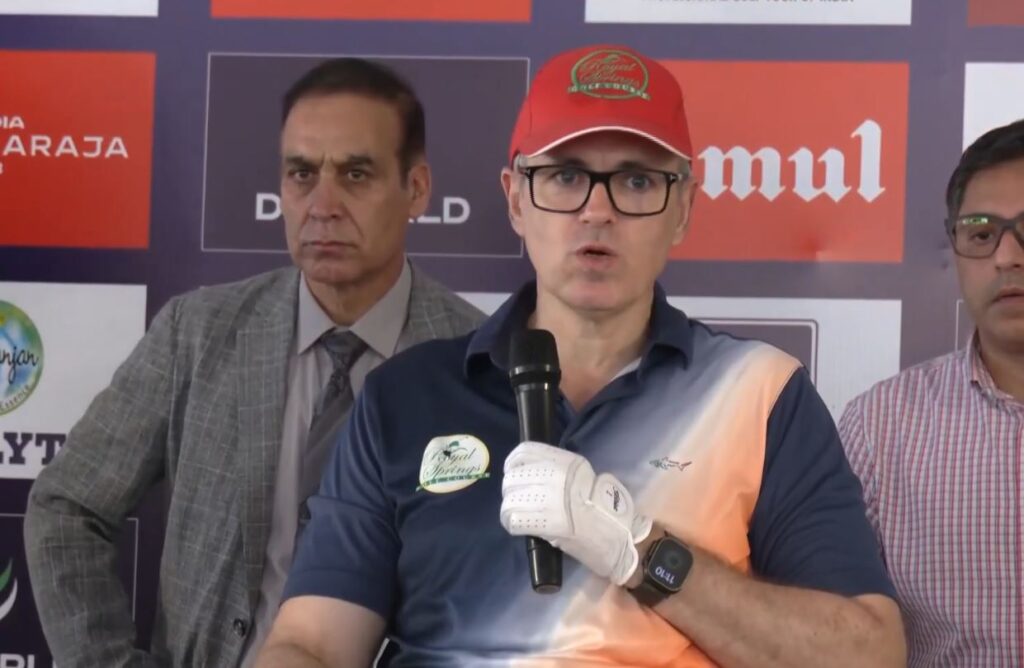
    In a poignant statement, Jammu and Kashmir Chief Minister Omar Abdullah condemned the brutal killing of two migrant labourers in Kulgam district on July 31. He asserted that no religion permits killing innocent people. Abdullah described the incident as ‘very unfortunate’ and expressed deep sympathy for the victims and their families.

    Call for Enhanced Security Measures

    During a press conference, Abdullah highlighted the need for improved vigilance, stating, “It is essential that those tasked with maintaining security step up their efforts to ensure that such attacks do not occur again.” His remarks came in the wake of a deadly incident at a brick kiln, where armed assailants targeted two men from Chhattisgarh.

    This attack raises pressing concerns about the safety of migrant workers, who often face vulnerabilities in regions with historical conflict. Abdullah reiterated his condemnation, saying, “It shouldn’t have happened. Words are not enough to condemn it.” His emphasis on collective responsibility is crucial as communal harmony becomes increasingly important in Jammu and Kashmir.

    Local Authorities Respond

    In light of this tragedy, local authorities have expressed their determination to enhance security measures across the region. Officials noted that a comprehensive review of the security grid is underway to safeguard not only migrant workers but all residents. This incident marks another tragic moment in the long history of violence in the Kashmir region, where numerous innocent lives have been lost to terrorism.

    Community Engagement and Unity

    Experts urge the security forces to adopt a multi-pronged approach that includes community engagement and improved intelligence to prevent further violence. As Jammu and Kashmir confronts the challenges posed by such attacks, community leaders and political representatives, including Abdullah, are calling for unity against violence.

    They stress the importance of dialogue and understanding across diverse religious and ethnic lines to build a safer society. The gravity of this incident requires urgent attention, with a community-wide focus on fostering peace and solidarity among all groups.

    Looking Forward

    The chief minister’s forthright condemnation of the Kulgam terror attack reflects a broader hope that such acts of violence will cease. Abdullah’s statements not only express sympathy but also highlight the urgent need for a secure environment for everyone in the region. As the community rallies together, there’s a collective hope for a future where violence is no longer a part of daily life.

  • PDP Protest Article 370 Abrogation Anniversary in J&K

    PDP Protest Article 370 Abrogation Anniversary in J&K

    PDP to Protest Article 370 Abrogation Anniversary

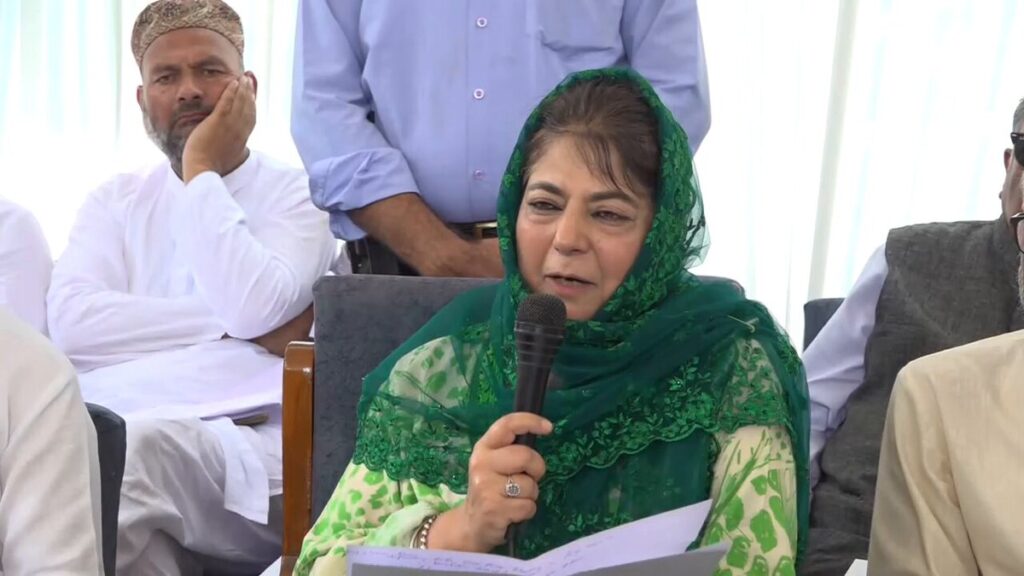
    PDP president Mehbooba Mufti announced that the party will hold district-level protests across Jammu and Kashmir on August 5. This marks the seventh anniversary of the abrogation of Article 370. During a recent meeting, Mufti directed all party office bearers to ensure robust participation across districts. The protests aim to demand the restoration of Article 370, which provided special status to the region, and advocate for the release of political prisoners.

    Background on Article 370

    Article 370 was abrogated in August 2019, leading to significant political changes in Jammu and Kashmir. The PDP has consistently opposed this move, arguing that it undermines the region’s autonomy and identity. The party’s continued stance reflects the sentiments of many in the local populace.

    Mobilizing Support for the Protests

    The PDP emphasized the need for public participation in the upcoming protests. In a statement, they reiterated, “As directed by Mehbooba Mufti during today’s meeting with senior party leaders, all party functionaries are instructed to ensure active participation in the protests on August 5.” This initiative highlights the party’s efforts to rally support for political rights and justice in Jammu and Kashmir.

    Political Implications of the Protests

    The upcoming protests may invigorate discussions surrounding Jammu and Kashmir’s special status among various stakeholders. Political analysts suggest that this renewed focus could lead to significant dialogues about the implications of Article 370’s abrogation. The PDP hopes to galvanize supporters and raise awareness about how this change has affected local governance and civil rights.

    Public Response and Future Directions

    As August 5 approaches, the PDP’s planned protests signal ongoing complexities in Jammu and Kashmir’s political landscape. The public response remains to be seen, but the PDP is optimistic about drawing attention not only from party members but also from various civil rights groups. These groups advocate for the restoration of Article 370 and improved political conditions across the region.

    Conclusion

    The protests on August 5 will serve as a platform for voices advocating for political rights in Jammu and Kashmir. Mufti’s leadership remains pivotal in rallying support for these concerns. The PDP’s strategy aims to keep discussions about Article 370 alive, ensuring that the voices of those affected by its abrogation continue to be heard.

  • Chargesheet Filed Against Punjab Residents in MES Recruitment Fraud

    Chargesheet Filed Against Punjab Residents in MES Recruitment Fraud

    Chargesheet Filed Against Punjab Residents in MES Recruitment Fraud

    The Crime Branch of Jammu and Kashmir Police has filed a chargesheet against two Punjab residents linked to a fraudulent Military Engineering Services (MES) recruitment scam. This scam, which surfaced in 2023, resulted in substantial financial losses for victims in Samba district. Accused Bakshish Singh from Amritsar and Amandeep Singh from Jalandhar allegedly duped two locals of Rs 14 lakh.

    The Details of the Scam

    These individuals initially believed they would secure jobs in the MES, according to a statement from the Jammu Crime Branch. The chargesheet was presented on Monday at the Additional Special Mobile Magistrate’s court in Samba, highlighting the ongoing seriousness of such fraud cases. In 2023, the victims reported their plight to authorities, stating that they were induced into paying a hefty sum under false promises of employment.

    Investigation Progress

    The investigation revealed that Bakshish Singh was arrested in Amritsar following sustained police efforts. However, co-accused Amandeep Singh remains at large, despite extensive raids and a lookout notice that the police issued. The police have already initiated proceedings to declare Amandeep a proclaimed offender.

    How Victims Were Misled

    The investigation unearthed that the victims received forged appointment letters and were falsely directed to travel to distant locations like Ranchi and Meerut. They were misled to believe that these trips were necessary for medical examinations, document verification, and joining formalities. Upon further inquiry, officials from the MES discredited these appointment letters, confirming they were counterfeit and never recognized by the department.

    Evidence Collected by Authorities

    The spokesperson for the Crime Branch emphasized that thorough verification confirmed the victims’ claims. Moreover, as part of the investigation, the Special Crime Wing (SCW) gathered an array of evidence, including documentary, digital, and financial data. This encompassed bank transaction records and a forensic examination of questioned documents, which collectively validated the accusations against the accused.

    Public Advisory for Vigilance

    The Jammu and Kashmir Crime Branch has issued a public advisory urging vigilance against such fraudulent job rackets. They recommended that individuals verify recruitment offers through official government channels prior to making any payments. This initiative aims to protect citizens from falling prey to similar deceptive schemes in the future.

  • India Repatriates 274 Fugitives from 36 Nations Since 2019

    India Repatriates 274 Fugitives from 36 Nations Since 2019

    In a significant development, the Ministry of Home Affairs (MHA) reported that India has successfully brought back 274 fugitives from 36 countries from 2019 to 2026. This group comprises individuals wanted for serious crimes, including terrorism, gang activities, financial crimes, murder, rape, and violations under the Protection of Children from Sexual Offences (POCSO) Act.

    The MHA disclosed this information on Tuesday, highlighting the robust efforts undertaken to tackle fugitive criminals. Alongside repatriating fugitives, authorities have attached assets worth Rs 17,874 crore belonging to these criminals between 2019 and 2026, invoking the stringent provisions of the Prevention of Money Laundering Act (PMLA).

    Additionally, the MHA stated that a total of Rs 18,762 crore has been recovered in cases involving Fugitive Economic Offenders. They issued 40 Red Corner Notices in 2022 and reported 182 notices already issued in 2026 alone, underscoring an intensified crackdown on fugitive criminals.

    Of the 274 fugitives returned to India, 45 were repatriated just this year up to July, following a record of 70 in 2025. Other repatriations in previous years include 43 in 2024, 37 in 2023, and 40 in 2022. The statistical breakdown reveals that a significant number of these fugitives were wanted for critical offences, that include 62 for violent crimes, 53 for sexual offences and POCSO violations, and many others involved in serious organized crime.

    The MHA emphasized a decisive stance against these fugitives under the leadership of Prime Minister Narendra Modi and Union Home Minister Amit Shah. They credited the enactment of the Fugitive Economic Offenders Act in 2018 for providing stronger tools to bring back those who fled India.

    Historically, before 2014, India’s extradition framework had been described as “outdated,” with treaties limited to just 37 countries and an average of only four extraditions per year from 2004 to 2013.

    “Our previous governments lacked the political will to address this issue, but the Modi government has elevated the extradition of fugitives to a ‘national priority’,” the MHA explained. The agency highlighted a three-pronged strategy implemented by Home Minister Amit Shah—global outreach, strong coordination, and smart diplomacy—to strengthen the fight against fugitive offenders.

    Under the current administration, rigorous enforcement of the PMLA has led to substantial asset attachments and the establishment of a Special Global Operations Centre by the Central Bureau of Investigation (CBI). This centre coordinates with international police agencies to effectively track and apprehend fugitives.

    The MHA shared that the rise in the number of Interpol Red Corner Notices issued demonstrates the enhanced focus on repatriation in recent years. Operation Trishul, launched to geo-locate absconders, leverages advanced technologies such as satellite inputs and digital footprint analysis to trace fugitives who have adopted new identities abroad.

    Among the notable instances of successful extradition includes Tahawwur Hussain Rana from the United States, showcasing India’s commitment to pursuing complex terror cases.

    The recent successes in repatriating fugitives are attributed to strategic planning, sustained diplomatic efforts, and close operational partnerships across multiple Indian government agencies. This cohesive approach reflects a collective understanding of fugitive management as a critical aspect of national security.

    National security is intrinsically linked to the issue of fugitive offenders, which requires coordinated, ongoing action and legal preparedness. The MHA noted the establishment of a Standing Focus Group under the Multi Agency Centre (MAC) to ensure comprehensive tracking and prosecution of fugitives.

    “Fugitives operating from abroad are not just case files; they represent ongoing threats that necessitate a proactive approach,” concluded the MHA.

  • CAT Chairman briefs Dr Jitendra, overall case disposal rate above 93 per cent

    CAT Chairman briefs Dr Jitendra, overall case disposal rate above 93 per cent

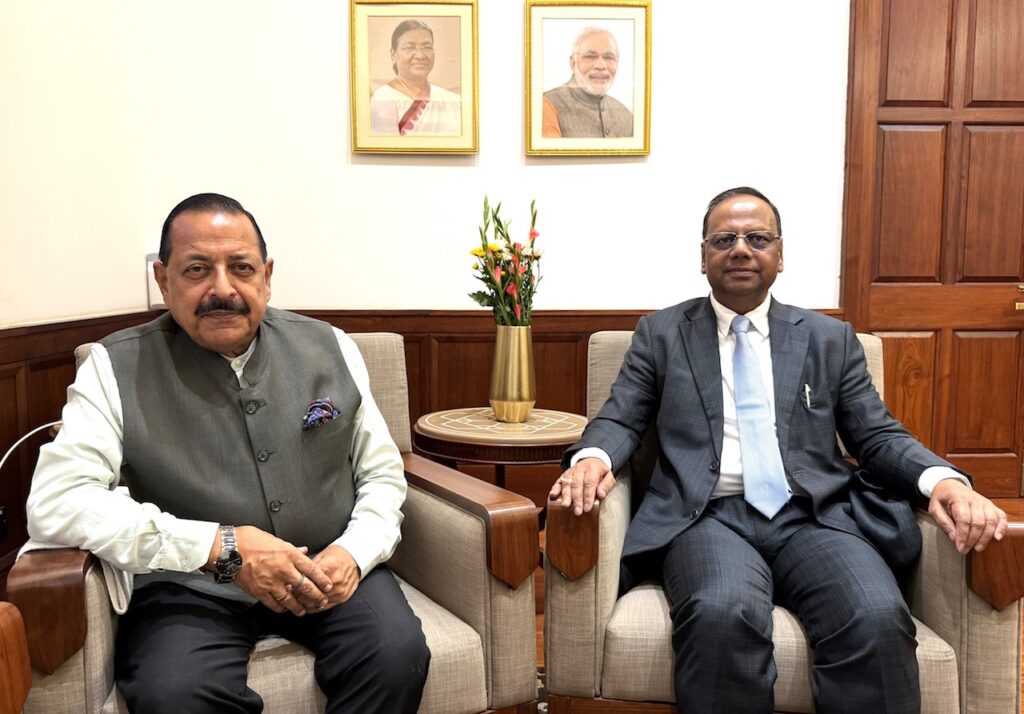
    Chairman of the Central Administrative Tribunal (CAT), Justice Ranjit Vasantrao More, called on Union Minister of State (Independent Charge) for Science & Technology and Earth Sciences, Minister of State in the Prime Minister’s Office, and Minister of State for Personnel, Public Grievances and Pensions, Dr. Jitendra Singh, and briefed him on the Tribunal’s recent initiatives aimed at strengthening administrative justice through institutional reforms, wider outreach and technology-enabled service delivery.

    Justice More informed the Minister that since its inception the Tribunal has received more than 10 lakh cases for adjudication and disposed of over 9.32 lakh cases, maintaining an overall disposal rate of more than 93 per cent.

    Dr. Jitendra Singh said the Government under the leadership of Prime Minister Shri Narendra Modi has consistently pursued governance reforms that make public institutions more transparent, efficient and citizen-centric. He said administrative justice is an integral component of good governance and reforms must continuously improve accessibility, efficiency and ease of service delivery for government employees across the country.

    The Minister said the transformation taking place across public institutions is being driven by a strong emphasis on technology, transparency and process simplification. He said digital platforms are helping institutions deliver services faster, improve accountability and reduce procedural delays, thereby making governance more responsive to the needs of citizens.

    Referring to the progress made by the Central Administrative Tribunal, Dr. Jitendra Singh said the Tribunal’s expanding digital ecosystem, strengthening infrastructure and sustained improvement in case disposal reflect the broader direction of governance reforms being pursued by the Government. He said these initiatives are contributing towards a more efficient and accessible administrative justice delivery system.

    The Minister said expanding access to justice remains an important priority. He said the establishment of new Benches and commencement of Circuit Sittings in geographically distant regions have brought administrative justice closer to litigants, reducing travel and improving convenience for government employees serving in different parts of the country.

    Dr. Jitendra Singh said institutional reforms are most meaningful when they produce measurable outcomes. He said continued improvement in disposal of cases alongside modernisation of judicial processes demonstrates the value of sustained reforms backed by technology and better administrative systems.

    Justice Ranjit Vasantrao More apprised the Minister that the Tribunal has undertaken several important initiatives during the past few years, including establishment of new Benches at Jammu and Srinagar and commencement of Circuit Sittings at Puducherry, Leh, Kargil and Vijayawada, thereby expanding access to administrative justice in remote and underserved regions.

    The Chairman also briefed the Minister on the significant progress achieved under the Advanced Case Information System (ACIS), which has enabled a wide range of digital services including e-filing, virtual hearings, online display boards, SMS and e-mail alerts, online payment of court fees, mobile application, e-certified copies, digital inspection of judicial records, advanced search facilities, e-mentioning, e-listing and paperless court functioning through a document management system.

    Dr. Jitendra Singh said such initiatives are fully aligned with the Government’s vision of Digital India, where technology serves as an enabler of transparency, efficiency and ease of governance. He said digital transformation is creating institutions that are more accessible, responsive and future-ready.

    During the meeting, Justice More informed the Minister that since its inception the Tribunal has received more than 10 lakh cases for adjudication and disposed of over 9.32 lakh cases, maintaining an overall disposal rate of more than 93 per cent. He also apprised the Minister that pendency has declined significantly in recent years despite continued inflow of fresh cases, while annual disposal during 2025 exceeded fresh institutions.

    The Chairman further briefed the Minister on the implementation of e-Office across all Benches, onboarding of officers and staff on e-HRMS, adoption of the Public Financial Management System (PFMS), digital processing of pension cases through the Bhavishya Portal and implementation of e-SAM as part of the Tribunal’s broader digital governance initiatives.

    Dr. Jitendra Singh said the Government will continue to support reforms that strengthen institutional capacity, improve public service delivery and leverage technology to build efficient, accountable and citizen-centric institutions. He said the objective is to ensure that governance reforms continue to translate into tangible benefits for employees and citizens alike.

  • Over 250 Foreigners Arrested in Delhi for Drug Trafficking

    Over 250 Foreigners Arrested in Delhi for Drug Trafficking

    Delhi’s law enforcement agencies have arrested 254 foreign nationals in drug trafficking cases since the beginning of 2024. The government revealed in the Lok Sabha that the arrests occurred alongside significant narcotics seizures valued at over ₹40.53 crore.

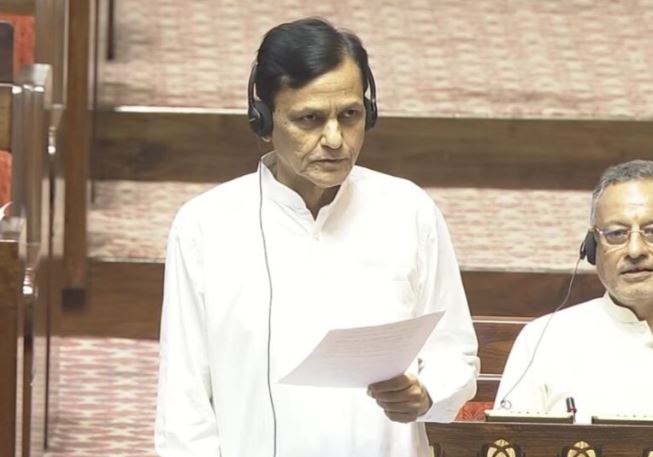
    The Minister of State for Home Affairs, Nityanand Rai, provided this detailed report in a written reply to the Lok Sabha on Tuesday. According to the data from Delhi Police, arrests of foreign nationals accounted for illegal trafficking of narcotic drugs in the National Capital Region from 2024 to June 30, 2026.

    The breakdown of these arrests indicates that 40 foreign nationals faced arrest in 2024, 35 in 2025, and 15 during the first half of 2026. Locations of these arrests include Khanpur Extension, Deoli, Sangam Vihar, Mehrauli, Hauz Rani, and areas in west Delhi such as Uttam Nagar.

    Seized narcotics comprised a range of substances, including heroin, cocaine, methamphetamine, and ganja, with the total estimated values being ₹12.75 crore in 2024, ₹14.27 crore in 2025, and ₹13.50 crore up until June 30, 2026.

    Further investigations revealed that 103 foreign nationals lived in rented accommodations without mandatory tenant verification, prompting action against 63 landlords. The Delhi Police regularly conducts tenant verifications, including those of foreign nationals, to bolster security and maintain law and order.

    In addition to these measures, Minister Rai commented on the government’s stringent “Zero Tolerance” policy against drug traffickers. He stated that the Narcotics Control Bureau (NCB) has adopted a technology-driven approach to target and dismantle drug trafficking networks operating via online platforms, encrypted applications, and the darknet.

    Law enforcement now employs cyber experts to investigate darknet-enabled drug trafficking and cryptocurrency transactions. Rai emphasized the establishment of dedicated Darknet and Cryptocurrency Cells within Anti-Narcotics Task Forces, which will utilize AI-enabled analytics and enhance inter-agency coordination.

    Specialized training programs have emerged through partnerships with the US Drug Enforcement Administration and Rashtriya Raksha University. These programs focus on cyber-enabled narcotics investigations, digital forensics, and cryptocurrency investigations.

    The NCB’s vision document outlines a comprehensive three-year roadmap under a “Whole-of-Government” and “Whole-of-Society” approach to combat drug trafficking and abuse. This includes strengthening financial investigations, enhancing international cooperation, and promoting the Mission Drug Free Campus initiative in educational institutions.

    The government continues to maintain that these measures reflect a broader commitment to addressing drug trafficking and safeguarding public health and safety in India.

  • Opposition MPs Protest Donation Theft at Ram Temple, Police Action

    Opposition MPs Protest Donation Theft at Ram Temple, Police Action

    Opposition MPs Unite Against Donation Theft

    Opposition Members of Parliament (MPs) gathered in the Parliament House complex on Tuesday to protest the alleged theft of donations meant for the Ram temple in Ayodhya. They also voiced their concerns over police actions against student demonstrators. The protest featured prominent leaders like Congress general secretary Priyanka Gandhi Vadra, who joined the chorus of criticism aimed at the current government.

    Protest Details and Symbolism

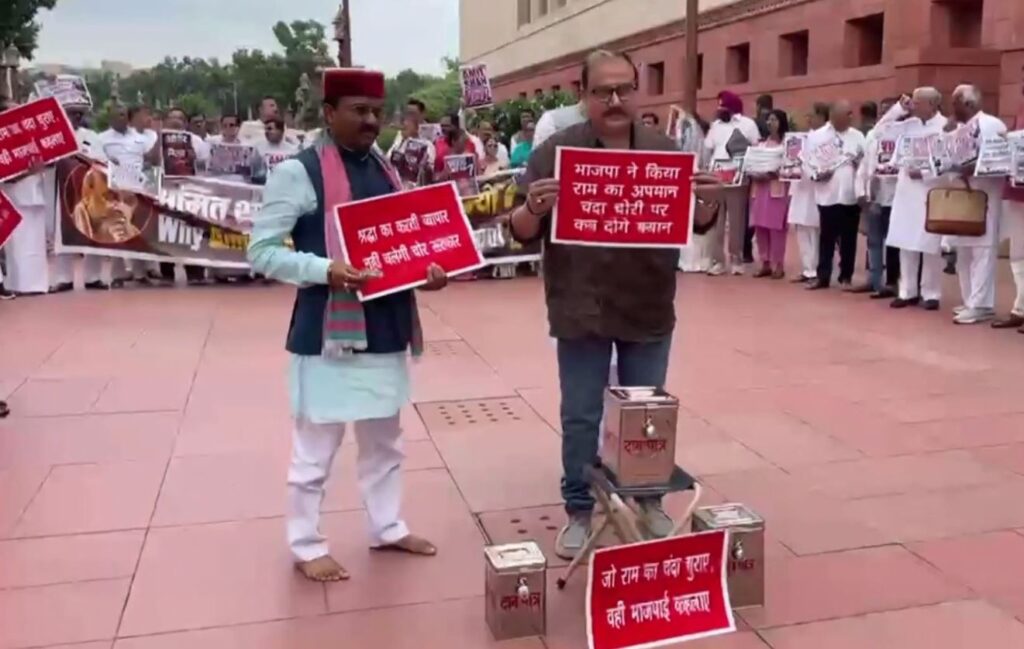
    The protesting MPs displayed placards and raised slogans like ‘chhanda chor, gaddi chor’ (donation thieves, throne thieves). They specifically called out Home Minister Amit Shah to answer their queries. This demonstrative act took place in front of the Makar Dwar area of Parliament. In a symbolic gesture, the MPs set up donation boxes at the protest site, visually representing the purported theft incident at the temple.

    Some MPs even deposited cash into the boxes, symbolizing the actual donations that were allegedly misappropriated. This act underscored their message and highlighted their demand for accountability regarding the donations.

    Key Figures in the Protest

    The protest included not just Priyanka Gandhi but also significant political figures like SP’s Dimple Yadav and Dharmendra Yadav, TMC’s Sagarika Ghose, and RJD’s Sanjay Yadav and Manoj Jha. They all united in condemning both the alleged donation misappropriation and the recent police actions against student protesters.

    As the protest unfolded, the MPs stood behind a large banner asking, ‘Why is Amit Shah absent from Parliament?’ This pointedly directed attention to the Home Minister’s perceived absence from legislative discussions on pressing issues.

    Concerns from the INDIA Bloc

    The protest stemmed from rising concerns within the INDIA bloc, which has pledged to hold the government accountable for what they characterize as serious transgressions. They intend to challenge the administration on two fronts: the alleged donation theft at the Ram temple and the brutal police crackdowns on student-led protests that took place last week.

    In a strategic move, floor leaders of the INDIA bloc convened in the chamber of Leader of Opposition in the Rajya Sabha, Mallikarjun Kharge. They reiterated their resolve to illuminate these issues surrounding ‘chhanda chori’ (donation theft) and ‘police excesses’ against students to the public.

    Implications of the Allegations

    This unity among various political factions signals a significant challenge for the ruling party. The Ram temple in Ayodhya has been a focal point of contention, representing not only religious significance but also intense political rivalry. The INDIA bloc seeks to use this alleged misappropriation as a rallying point to galvanize public sentiment against the government.

    Prominent leaders have begun to voice their worries about the implications of these allegations. Reports indicate rising anger among the youth regarding police actions during peaceful protests. The opposition plans to leverage this wave of dissent to strengthen their narrative against the ruling party ahead of upcoming elections.

    Call for Transparency

    With allegations of corruption weighing heavy, the opposition hopes to compel the government to provide transparency regarding the use of donations meant for the Ram temple. As the political landscape intensifies, all eyes remain on how government responses will unfold in light of the public outcry.

    Conclusion

    The protest by opposition MPs is not just about the alleged donation theft; it’s a broader commentary on governance and accountability. The coming weeks will be crucial as the opposition seeks to maintain momentum and keep these issues in the public eye.

  • 964 Amarnath Pilgrims Depart Jammu for Baltal Base Camp

    964 Amarnath Pilgrims Depart Jammu for Baltal Base Camp

    964 Amarnath Pilgrims Depart from Jammu

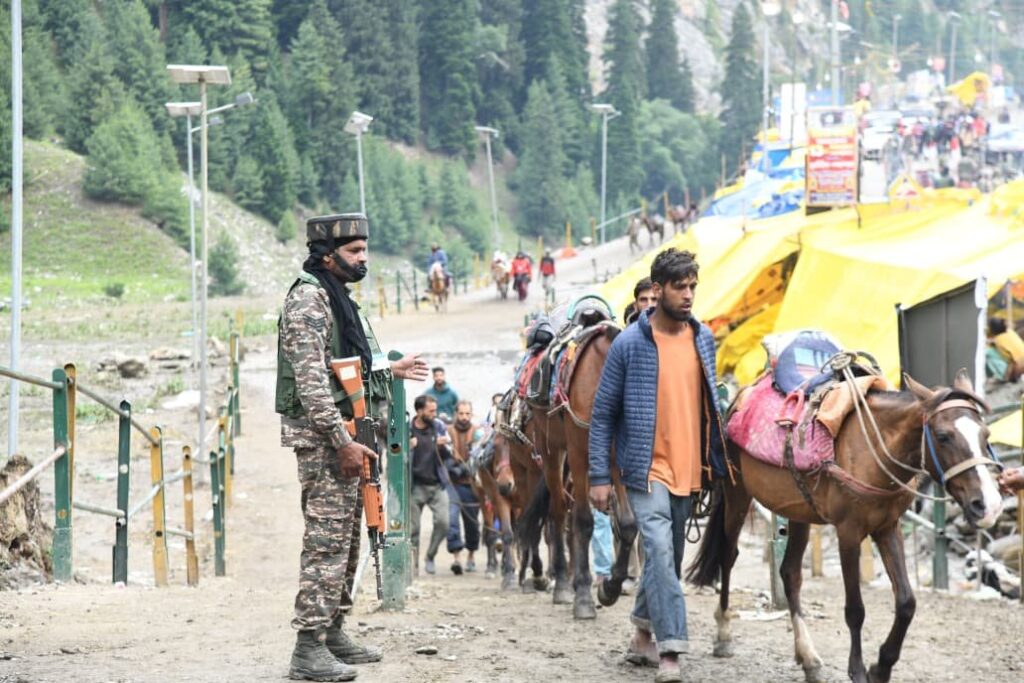
    A fresh batch of 964 Amarnath pilgrims set off on their journey to the sacred Shri Amarnath Yatra from the Bhagwati Nagar Yatri Niwas in Jammu. This group departed in the early hours of Tuesday, specifically at 3:05 a.m., under strict security measures to ensure the safety of all participants.

    Details of the Pilgrim Convoy

    According to the Zonal Police Control Room in Jammu, this 27th batch included a diverse group: 744 men, 177 women, one child, 32 sadhus, and 10 sadhvis. They traveled in a convoy of 39 vehicles, comprising 21 buses, eight medium motor vehicles, and 10 light motor vehicles. This organized approach highlights the meticulous planning involved in managing the pilgrimage.

    Cumulative Numbers and Return Convoy

    With this latest departure, the total number of pilgrims who have left from the Bhagwati Nagar base camp during this year’s yatra has reached an impressive 1,41,712, according to official reports. On the same day, the 25th return convoy carrying pilgrims from the Baltal base camp also made its way back to Jammu. This return convoy included 2,073 pilgrims, consisting of 1,552 men, 461 women, 11 children, 41 sadhus, and eight sadhvis.

    Return Convoy Details

    The return convoy utilized a total of 63 vehicles, including 42 heavy motor vehicles, six medium motor vehicles, 14 light motor vehicles, and one truck. This efficient transportation system ensures that both upward and downward convoys adhere to their schedules, making the pilgrimage experience smoother for everyone involved.

    Commitment to Safety

    Officials have assured that the Amarnath Yatra remains well-organized and secure. The management has implemented multi-layer security arrangements to ensure that pilgrims can complete their journey safely. The commitment of authorities to maintain safety during this religious event is evident, allowing thousands to partake in this significant pilgrimage.

    Conclusion

    The annual Amarnath Yatra continues to progress smoothly, showcasing the dedication of all involved in making this sacred journey possible. As more pilgrims depart for the shrine, the focus on safety and organization remains a top priority, ensuring that everyone can experience this spiritual journey with peace of mind.

  • ClearMedi Healthcare Launches Super Specialty OPD Centre in Jammu at HexaMed with “Pay What  You Wish” Consultation Initiative

    ClearMedi Healthcare Launches Super Specialty OPD Centre in Jammu at HexaMed with “Pay What You Wish” Consultation Initiative

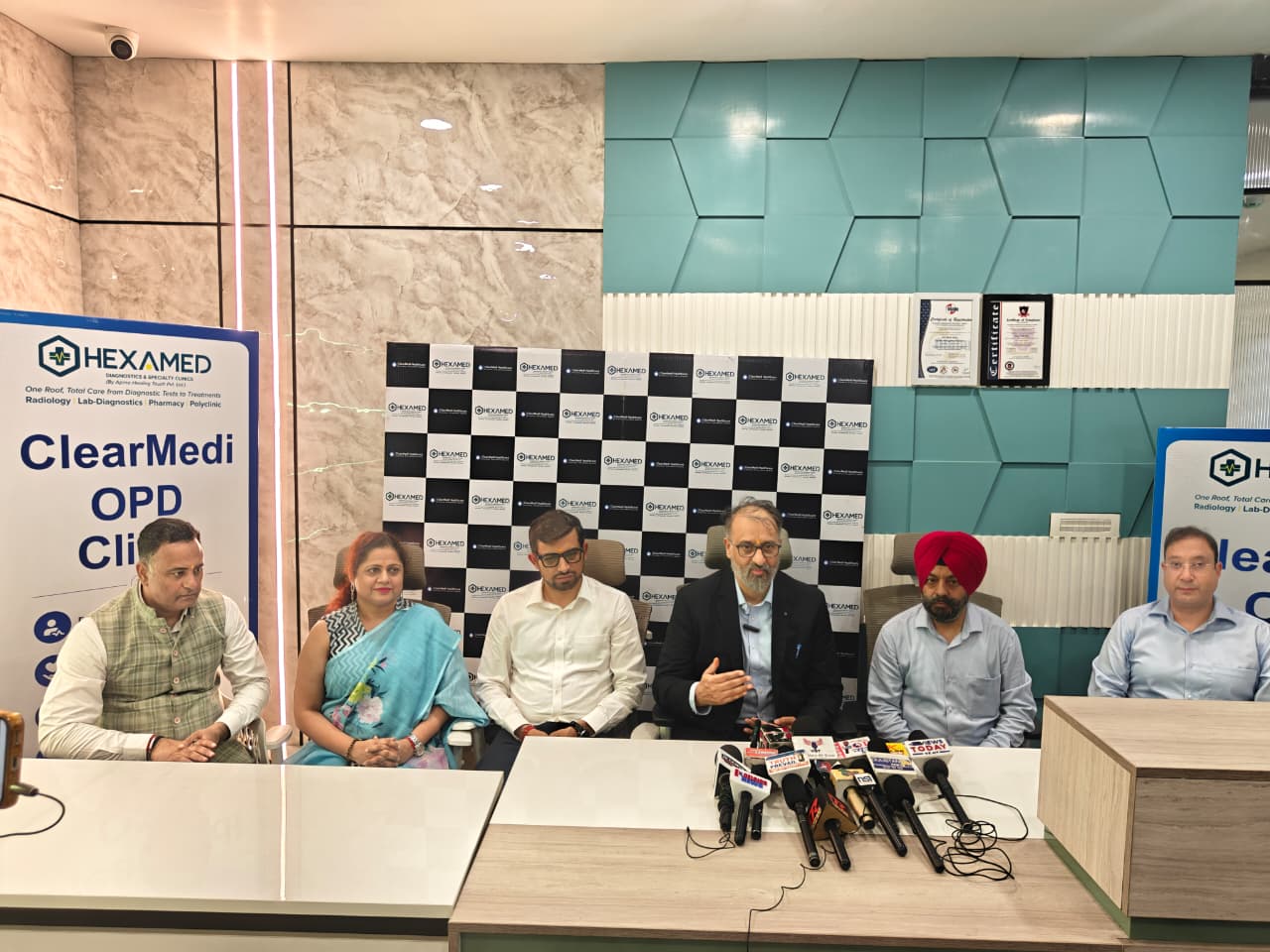
    HexaMed Clinic, Channi Bye Pass, Jammu, marking a significant milestone in bringing advanced superspecialty healthcare closer to the people of Jammu and the surrounding regions.
    The initiative reflects the vision of CDR Navneet Bali, CEO, ClearMedi Healthcare, to make quality
    healthcare accessible to every individual, irrespective of financial background, by ensuring that expert
    medical care is available closer to patients’ homes.
    As part of this unique initiative, ClearMedi Healthcare has introduced the “Pay What You Wish”
    consultation model, enabling every patient to consult super-specialists by paying any amount starting
    from just ₹1. Patients are free to contribute any amount they wish for their consultation, ensuring that
    financial constraints never become a barrier to accessing world-class medical expertise.
    Highlighting the overarching institutional commitment behind this launch, Mr. Atulya Sharma, Chief
    Corporate Affairs & Governance Officer of ClearMedi Healthcare, stated:
    “At ClearMedi Healthcare, our governance model and operational focus are anchored strictly in clinical
    excellence and ethical, patient-first care. The establishment of the Jammu Super Specialty OPD
    Centre—anchored by our landmark ‘Pay What You Wish’ consultation policy—is a deliberate strategic
    step toward dismantling economic barriers in specialized healthcare living the core values of Clearmedi
    Healthcare ‘Everyone, Everywhere, Equally’. We are empowering families across Jammu and Kashmir
    with immediate access to premier best in class medical expertise, ensuring that financial constraints
    never compromise the standard, timeliness, or continuity of life-saving care.”
    The initiative has been launched with a single objective—to reach every needy patient and make superspecialty healthcare available to everyone, everywhere.
    The OPD Centre will provide consultations by renowned specialists from the ClearMedi Hospitals
    Group across a comprehensive range of super-specialties, including:
    * Orthopaedics & Spine Surgery
    * Comprehensive Kidney Transplant Surgery
    * Complete Renal Sciences (Nephrology, Renal Medicine & Kidney Care)
    * Urology
    * Neurosurgery
    * Neurology
    * Cardiology
    * Gastroenterology & Hepatology
    * Pulmonology & Critical Care
    * Endocrinology & Diabetes Care
    * Medical Oncology
    * Surgical Oncology (Onco Surgery)
    * Gynaecological Oncology Surgery
    * General & Advanced Laparoscopic Surgery
    The centre will be supported by ClearMedi’s dedicated Super Specialty Kidney Transplant Team,
    backed by its complete Renal Sciences programme, offering comprehensive evaluation, transplant
    counselling, nephrology services, and long-term kidney care under one coordinated clinical network.
    Among the key specialists visiting Jammu will be Dr. Paras Bhatt, Senior Orthopaedic & Spine Surgeon,
    ClearMedi Noida, along with other highly experienced consultants representing various superspecialties from across the ClearMedi Healthcare network.
    Speaking on the occasion, Mr. Anshuman Sharma, Facility Director, ClearMedi Noida, said:
    “The launch of the Jammu Super Specialty OPD Centre is aimed at bringing expert healthcare closer to
    patients and eliminating the need for long-distance travel for specialized consultations. Our ‘Pay What
    You Wish’ initiative reflects our commitment to ensuring that no patient is denied access to expert
    medical advice because of financial limitations. We believe quality healthcare should be accessible to
    everyone.”
    The centre is expected to benefit patients from Jammu, Kathua, Samba, Udhampur, Reasi, Rajouri,
    Poonch, Doda, Kishtwar, and other districts across Jammu & Kashmir, significantly reducing the need
    to travel outside the region for expert super-specialty consultations.
    With this launch, ClearMedi Healthcare continues to strengthen its presence across North India while
    advancing its guiding philosophy of “Everyone, Everywhere, Equally.” The initiative represents
    another step towards delivering affordable, accessible, and high-quality healthcare to every section of
    society.
    About ClearMedi Healthcare
    ClearMedi Healthcare is one of India’s fastest-growing healthcare networks, committed to delivering
    affordable, accessible, and high-quality healthcare through its super-specialty hospitals & centres, with
    outreach programmes across the country. With a strong focus on service & clinical excellence,
    innovation, and patient-centric care, ClearMedi continues to expand providing access to advanced
    medical services while ensuring that quality healthcare reaches every community

  • Omar Abdullah Condemns Kulgam Killings, Announces ₹10 Lakh Ex-Gratia

    Omar Abdullah Condemns Kulgam Killings, Announces ₹10 Lakh Ex-Gratia

    Omar Abdullah Condemns Kulgam Killings

    Srinagar, August 1: Chief Minister Omar Abdullah has strongly condemned the brutal killings of two labourers in Kulgam. In response to this tragic incident, he announced an ex-gratia relief of ₹10 lakh each from the Chief Minister’s Relief Fund (CMRF) for the next of kin of the deceased.

    Support for the Victims’ Families

    The Chief Minister expressed profound grief over the loss of innocent lives, emphasizing that the assistance would be in addition to the ₹6 lakh immediate relief provided by the District Administration. This swift action reflects the government’s commitment to support the families affected by this heinous act.

    Heartfelt Condolences Offered

    Omar Abdullah conveyed his heartfelt condolences to the bereaved families, stating that the government stands firmly with them during this incredibly difficult time. He prayed for eternal peace for the departed souls and strength for the families to bear this irreparable loss.

    Community Response

    This incident has sparked outrage within the community, as many are calling for justice and enhanced security measures to protect vulnerable workers. The Chief Minister’s announcement of financial support aims to provide some relief to the grieving families, but the emotional toll of such violence is immeasurable.

    Looking Forward

    As the investigation into the Kulgam killings continues, it’s imperative for the government to ensure the safety of all citizens. The commitment shown by Omar Abdullah in these trying times is crucial in rebuilding trust and providing hope to those affected by violence.