Delhi’s law enforcement agencies have arrested 254 foreign nationals in drug trafficking cases since the beginning of 2024. The government revealed in the Lok Sabha that the arrests occurred alongside significant narcotics seizures valued at over ₹40.53 crore.
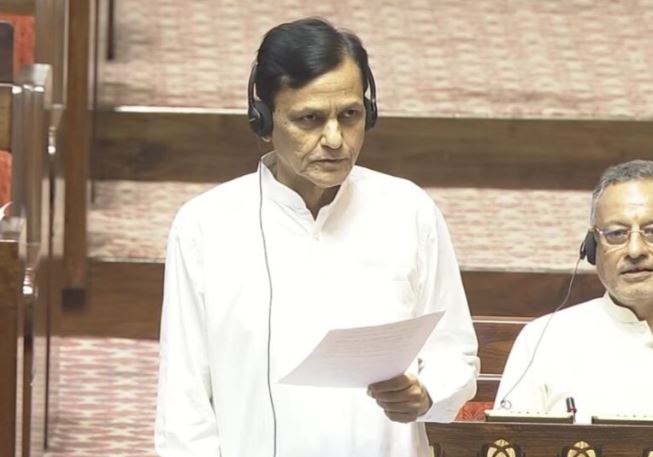
The Minister of State for Home Affairs, Nityanand Rai, provided this detailed report in a written reply to the Lok Sabha on Tuesday. According to the data from Delhi Police, arrests of foreign nationals accounted for illegal trafficking of narcotic drugs in the National Capital Region from 2024 to June 30, 2026.
The breakdown of these arrests indicates that 40 foreign nationals faced arrest in 2024, 35 in 2025, and 15 during the first half of 2026. Locations of these arrests include Khanpur Extension, Deoli, Sangam Vihar, Mehrauli, Hauz Rani, and areas in west Delhi such as Uttam Nagar.
Seized narcotics comprised a range of substances, including heroin, cocaine, methamphetamine, and ganja, with the total estimated values being ₹12.75 crore in 2024, ₹14.27 crore in 2025, and ₹13.50 crore up until June 30, 2026.
Further investigations revealed that 103 foreign nationals lived in rented accommodations without mandatory tenant verification, prompting action against 63 landlords. The Delhi Police regularly conducts tenant verifications, including those of foreign nationals, to bolster security and maintain law and order.
In addition to these measures, Minister Rai commented on the government’s stringent “Zero Tolerance” policy against drug traffickers. He stated that the Narcotics Control Bureau (NCB) has adopted a technology-driven approach to target and dismantle drug trafficking networks operating via online platforms, encrypted applications, and the darknet.
Law enforcement now employs cyber experts to investigate darknet-enabled drug trafficking and cryptocurrency transactions. Rai emphasized the establishment of dedicated Darknet and Cryptocurrency Cells within Anti-Narcotics Task Forces, which will utilize AI-enabled analytics and enhance inter-agency coordination.
Specialized training programs have emerged through partnerships with the US Drug Enforcement Administration and Rashtriya Raksha University. These programs focus on cyber-enabled narcotics investigations, digital forensics, and cryptocurrency investigations.
The NCB’s vision document outlines a comprehensive three-year roadmap under a “Whole-of-Government” and “Whole-of-Society” approach to combat drug trafficking and abuse. This includes strengthening financial investigations, enhancing international cooperation, and promoting the Mission Drug Free Campus initiative in educational institutions.
The government continues to maintain that these measures reflect a broader commitment to addressing drug trafficking and safeguarding public health and safety in India.