
UNITED NATIONS, Nov 25: India has said its efforts to sanction perpetrators and facilitators of the 26/11 Mumbai terror attacks have been blocked in the past for “political reasons” that enabled them to organise further cross-border assaults against the country, an apparent reference to China’s repeated moves to block New Delhi’s efforts to blacklist Pakistan-based terrorists at the UN.
India’s Permanent Representative to the UN, Ambassador Ruchira Kamboj, said terrorism continues to pose a “grave threat” to international peace and security, as ISIS and al-Qaeda affiliated and inspired groups, particularly in Asia and Africa, continue to operate and target civilians and security forces.
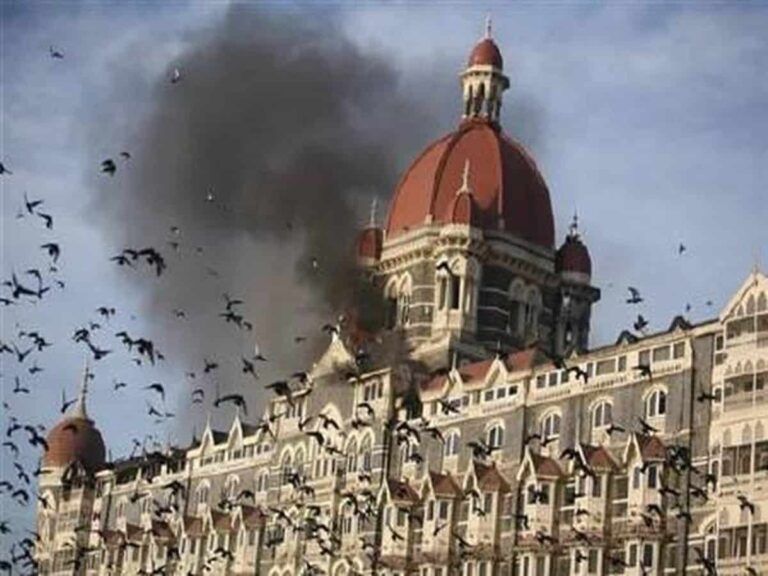
“Lest we forget, in November 2008, 10 terrorists entered the city of Mumbai through sea route from Pakistan, ravaging the city for 4 days, killing 166 people, including 26 foreign nationals,” she said on Wednesday in her remarks to the UN Security Council Joint Briefing by the Chairs of the 1267/1373/1540 Committees to the Security Council.
Her remarks came ahead of the 14th anniversary of the 26/11 terror attacks in India’s financial capital Mumbai.
“Our efforts to sanction the perpetrators and facilitators of these terror attacks were blocked in the past for political reasons. These actors continue to walk free and have been organising further cross-border attacks against my country,” she said, amid repeated holds by China on bids by India and the US to designate Pakistan-based terrorists and entities.
Since June this year, China, an all-weather ally of Pakistan, has put holds on proposals to blacklist Pakistan-based terrorists Hafiz Talah Saeed, Lashkar-e-Taiba leader Shahid Mahmood, Lashkar-e-Taiba terrorist Sajid Mir, senior Jaish-e-Mohammed (JEM) leader Abdul Rauf Azhar and Abdul Rehman Makki under the Al Qaeda Sanctions regime.
India and the US had submitted proposals to designate the Pakistan-based terrorists and subject them to an asset freeze, travel ban and arms embargo, but they hit stumbling blocks when Beijing placed holds on the proposals.
The 15-nation UN Security Council heard briefings from Chairs of Subsidiary bodies of the Council – the Counter-Terrorism Committee chaired by India, 1267 Al Qaeda Sanctions Committee chaired by Norway and the 1540 Committee concerning non-proliferation of weapons of mass destruction chaired by Mexico.
Kamboj had briefed the Council in her capacity as Chair of the 1373 Counter-Terrorism Committee.
Delivering India’s national statement at the briefing, Kamboj said the work of the 1267 Committee relies on that of the Analytical Support and Sanctions Monitoring Team, which in its recent report to 1988 Committee highlighted the continued threat posed by Lashkar-e-Taiba and Jaish-e-Mohammad.
“We thank the team for its reports and hope that the team will continue to report the activities of these groups, including in its periodic reports to the 1267 Committee.
“While these entities were listed under the 1267 sanctions regime more than a decade back, there is a need to keep monitoring their activities as they have been allowed to operate under various aliases with state-sponsored hospitality,” Kamboj said, in a veiled reference to Pakistan.
As the Chair of the Counter Terrorism Committee (CTC) for 2022, Kamboj said India made “all efforts” to ensure that the Committee can deliver its mandate effectively.
She said the Government of India “had the honour to host” special meetings of the CTC in Mumbai and New Delhi last month.
In Mumbai, the CTC members paid tribute to the victims of terrorist attacks, including the Mumbai terror attacks, and had the opportunity to listen to the victims’ experience of attacks, stories of their resilience and their expectation from the international community, including from the UN Security Council.
The meeting in New Delhi highlighted the threat posed by the use of new and emerging technologies such as social media, encryption messaging services, virtual currencies, blockchain technologies, mobile money wallets, and drones by terrorist groups and an urgent need for the Security Council to address this threat in a comprehensive and holistic manner, she added.
The Delhi Declaration, adopted at the culmination of the meeting, “embodies the Council’s collective determination to pay attention to this threat and further develop guidance for member states to address this threat,” Kamboj said.
She said India is confident that the UAE, as the incoming Chair of the CTC, would continue to build on these initiatives.
The CTC, in the past year, was able to underscore the risk posed by the existing as well as expanding terrorist threats in Asia and Africa, and the need for providing capacity-building assistance to risk-prone member states, as well as ensuring effective actions by member states to curb the activities of terrorist groups operating from the territories under their control.
“It is important that terror-risk prone jurisdictions bring their CFT (Combating Financing of Terrorism) and AML (Anti-Money Laundering) frameworks at par with the international standards, including those standards set by the Financial Action Task Force (FATF),” Kamboj said. She said India commends CTC and CTED (Counter Terrorism Committee Executive Directorate) for their efforts to involve FATF and other such international financial ‘watchdogs’ in the activities of the CTC and CTED.
Kamboj recalled the clarion call of External Affairs Minister S Jaishankar to the Security Council last year through his 8-point action plan, which also highlighted the need for reform of the working methods of the Security Council Sanctions Committees in order to ensure greater transparency, accountability and effectiveness in the working of these Committees.
During the briefing, the US said that the important work of the 1267 Al-Qaeda Sanctions Committee of the UN Security Council must remain free from politicisation that “only benefits the terrorists”.
“We can contribute to the peace and security in Africa, and internationally, by supporting UN listings of ISIS and al-Qaeda affiliates of their supporters that continue to pose serious threats to peace and stability in the region, and indeed globally,” Political Coordinator in US Mission to the UN John Kelley said on Wednesday.
“Unfortunately, the 1267 Committee has only agreed to designate one entity since the beginning of this year. The important work of this committee must remain free from politicisation that only benefits the terrorists,” he said in his remarks. (Agencies)
Efforts to sanction terrorists behind 26/11 blocked for political reasons
Traffic resumes on Jammu-Poonch highway after anti-insurgency operation in Nar forests
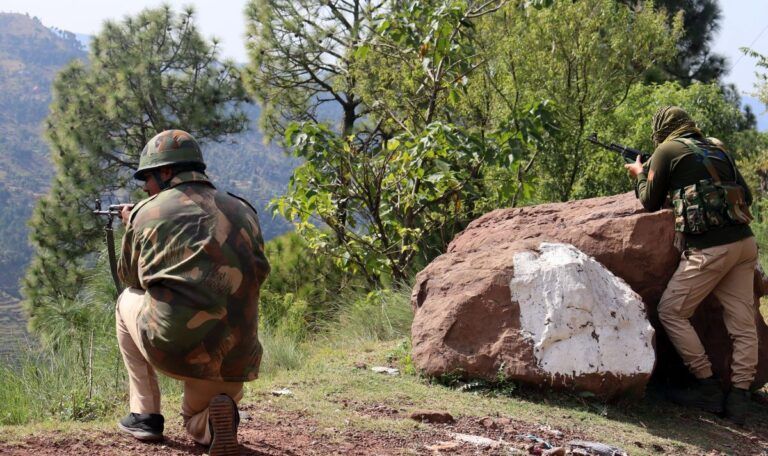
Poonch, Nov 25: The traffic movement on Jammu-Poonch highway was restored Friday morning after remaining suspended for several hours after security forces launched a massive search operation in Nar forest area of Mendhar in Poonch district yesterday, officials said.
Quoting official sources, news agency GNS reported that a combing operation was launched by army several days back on apprehension of presence of terrorists in the dense forest area. “The army at around 1230 hours on Thursday fired some 15 rounds of speculative gunshots in Bhatadurian forests, however there was no response,” they said.
As a precautionary measure, the vehicular traffic on highway between Bhimber Gali and Jaranwali Gali was suspended, they said. This morning at around 8 am, the traffic was allowed, they said.
A police official confirmed that the highway was reopened but said that search operation was continuing.
At minus 1.4°C, Srinagar records season’s coldest night
Srinagar, Nov 25: Cold conditions prevailed in Jammu and Kashmir as Srinagar, the summer capital of J&K, recorded season’s coldest night on Friday.
Quoting a MeT department official, news agency GNS reported that Srinagar recorded a low of minus 1.4°C against minus 0.8°C on the previous night. The temperature was 1.5°C below normal during this time of the year for the capital city so far, he said.
Qazigund recorded a low of minus 2.2°C against minus 2.0°C on the previous night. The temperature was 2.3°C below normal for the gateway town of Kashmir, he said.
In Pahalgam, the mercury settled at minus 3.6°C against minus 4.4°C on the previous night and it was 1.2°C below normal for the south Kashmir resort.
Kokernag recorded a low of minus 0.5°C against minus 1.0°C on the previous night and it was 1.1°C below normal for the place, he said.
Gulmarg recorded a low of 0.0°C against minus 2.4°C on the previous night. It was 2.1°C above normal for the world famous skiing resort in north Kashmir’s Baramulla district, the official said.
In Kupwara town, the mercury settled at minus 2.4°C, the same as on the previous night, the official said. It was 1.9°C below normal for the north Kashmir place, he said.
Jammu recorded a low of 9.8°C against 9.1°C on the previous night. It was 1.7°C below normal for J&K’s winter capital, he said. Banihal recorded a low of 5.0°C (2.6°C above normal), Batote 5.6°C (0.8°C above normal), Katra 9.8°C (0.1°C above normal) and Bhadarwah 3.4°C (1.3°C above normal).
In Ladakh, Kargil recorded a low of minus 11.3°C, Leh minus 8.8°C and mercury in Drass, the world’s second coldest place after Siberia, settled at minus 12.7°C, the official said.
The MeT department has forecast mainly dry weather for next 24 in J&K and said that no large change was expected till the end of this month.
COVID-19: 347 New Cases, Active Cases Down to 5,516
New Delhi, Nov 25: India saw a single day rise of 347 coronavirus infections, taking the virus tally to 4,46,70,830, while the active cases further declined to 5,516, according to the Union Health Ministry data updated on Friday.
The death toll has climbed to 5,30,604 with one death each reported from Delhi, Gujarat and Karnataka in the last 24 hours, the data updated at 8 am stated.
The active cases constitute 0.01 per cent of the total infections, while the national COVID-19 recovery rate has increased to 98.80 per cent, according to the ministry website.
A decrease of 365 cases has been recorded in the active COVID-19 caseload in 24 hours.
The number of recoveries increased to 4,41,34,710, while the case fatality rate was recorded at 1.19 per cent.
According to the ministry’s website, 219.89 crore doses of Covid vaccines have been administered in the country so far under the nationwide vaccination drive.
India’s COVID-19 tally had crossed the 20 lakh mark on August 7, 2020, 30 lakh on August 23, 40 lakh on September 5 and 50 lakh on September 16.
It went past 60 lakh on September 28, 70 lakh on October 11, crossed 80 lakh on October 29, 90 lakh on November 20 and surpassed the one-crore mark on December 19.
India crossed the grim milestone of two crore on May 4 and three crore on June 23 last year. It crossed the four-crore mark on January 25 this year. (AGENCIES)
DSEK proposes winter vacations for schools in phased manner from Dec 1
SRINAGAR, Nov 25: In view of the increasing cold conditions and freezing temperatures prevailing in the valley, the Director of School Education Kashmir (DSEK) has proposed the the Government to announce winter vacation for all educational institutions beginning from December 1.
Director School Education Kashmir in a letter has proposed to the Principal Secretary Government of Jammu and Kashmir Union Territory that the health of children is our primary concern and it is proven that the children are more prone to heat loss in cold climates. Children exposed to extreme cold for too long can get frostbite or even life threatening hypothermia.
The children are also at an increased risk of exercise induced asthma and cold exposure can cause specific acute and chronic physiological responses, the letter said.
It said that acute physiological responses including shivering can reduce heat loss and increase heat production.
In view of increased cold weather conditions and sub zero temperature in Kashmir division which adversely affects schooling, in such circumstances it is proposed that winter vacations for the upcoming winter may announce, the letter further said.
It has proposed that upto 5th standard the winter vacation may announce from December 1, 2022 to February 28th 2023, upto 8th standard from December 5 and upto 10th standard from December 10, 2022 to February 28, 2023 respectively.
Kashmir valley continues to experience cold conditions with the minimum temperatures recorded below freezing point all across on Thursday disrupting normal activities. (AGENCIES)
Tunnels across major passes in Ladakh in offing; to cost Rs 5,000 cr
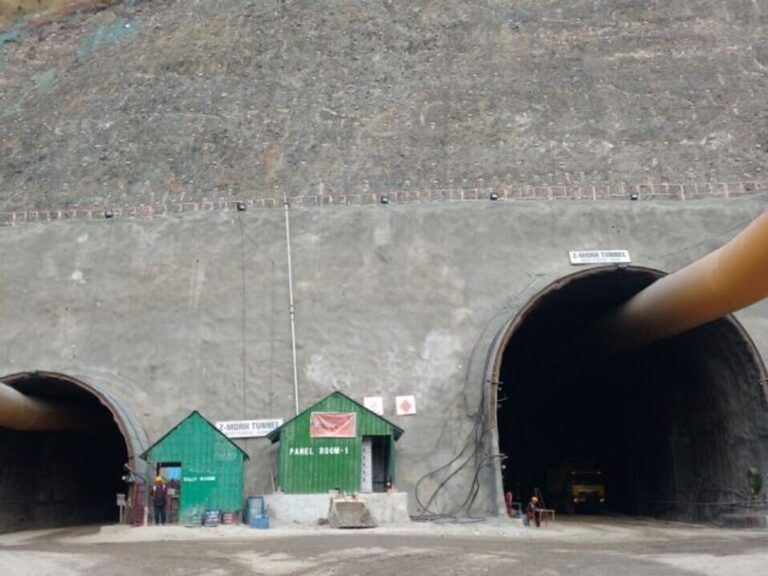
Leh, Nov 24: The Ladakh administration is planning to build tunnels at cost of Rs 5,000 crores across major passes in the union territory to improve internal connectivity, and has hired consultants for the mega task, a senior official said on Thursday.
Situated at an average altitude of over 11,000 feet, Ladakh, which literally means ‘land of high passes’ is a place like no other. The passes offer breath-taking views and gateway to beautiful valleys nestled in the Himalayas.
The Ladakh’s famous Khardung-La pass is also known as the highest motorable road in the world, and the tourists need to pass through it while going to Nubra Valley.
“The government of Ladakh is contemplating to build tunnels across major passes to improve internal connectivity in the union territory,” Commissioner-Secretary, Ladakh Public Works Department (PWD) Ajeet Kumar Sahu said.
He said that the consultants have been hired to prepare detailed project reports (DPRs) of tunnels across Khardung La, Fotu La, Namika La, and Key-La passes.
An all-weather tunnel enhances connectivity between valleys for facilitating the movement of the military, civilians, and tourists in the region, he said.
The tunnel on Key-La pass will be alternative path to dangerous Changla pass, which will make travel to world famous Pangong lake easy and shorten it by one-and-half-hours, the Commissioner-Secretary said.
The survey and feasibility study is being conducted by Rail India Technical and Economic Services (RITES), which has been assigned to prepare DPRs of the tunnels, he said.
“The construction of these tunnels will lead to faster, safer, and smoother movement of internal traffic resulting in the all-around economic development of Ladakh”, Sahu said.
The proposed 5.5 kilometre long Khardung-La tunnel, will also help increase the safety of travellers due to bypassing of areas prone to landslide and avalanche, Sahu said.
Besides, it would also protect the Khardung glacier, which is a major source of water for Leh town, from receding due to the increase in heat emitted by automotive vehicular movement, the official said.
The consultant agency for the project shared that the proposed bypass tunnels at the Fotu La and Namika La passes will reduce the travel distance from Kargil to Leh by around an hour besides providing safety in traffic movement due to the accumulation of snow and icing on road during winters, he said.
“The expected increase of traffic in winter after the opening of the Zojila tunnel also necessitates the construction of these tunnels as it serves as a strategic route for logistic supply to Ladakh. These tunnels are expected to boost local business activities, employment opportunities, and tourism in the region”, Sahu said.
As per the RITES, preliminary survey and testing on all locations have been done and certain options have been worked out on the tunnel alignments, he said.
“Those are being examined technically as well as through a cost-benefit analysis. Some pending testing would be done in the next working season to clearly assess the geological formation of these passes,”the Commissioner said.
Sahu has asked the RITES to send the initial report before December 31 so that required approvals are obtained in advance. (AGENCIES)
Workshop on “ON FARM MULBERRY CULTIVATION PRACTICES” concluded at Poonch Campus

Poonch November 24 : The two days Workshop on “ON FARM MULBERRY CULTIVATION PRACTICES” concluded at Poonch Campus.
Prof. Dipankar Sengupta, Director Poonch Campus in his address thanked the local administration for their support and cooperation in making this event a successful one, and also congratulated all the staff and students for participating in the event.
Prof. Dipankar Sengupta thanked all the faculty members of the Department of Sericulture, organisers, Special Invitees, Chief Guests, Convener, Teaching and Non-Teaching Staff and Students of Poonch Campus and students of other educational institutions.
Dr. Jyoty Angotra, Lecturer, SKCGDC, Poonch, presented a detailed speech as a feedback note on the workshop and congratulated all the staff, organisers and participants for the huge success of the workshop.
On day second, the first session started with the lecture on Mulberry plant and its commercial utilization by Ms. Sumya Kapoor. She detailed the commercial and medicinal values of mulberry.
During the practical session Dr. Muzafar Ahmad Bhat and Ms. Sumya Kapoor, demonstrated the selection and preparation of land for mulberry cultivation.
Dr. Suraksha Chanotra, Incharge Department of Sericulture and Convener of the Workshop, conducted practical on Pruning and Traning of the mulberry, its time, significance and methods.
Moreover, Dr. Chanotra explained to the students about how to identify different diseases of mulberry. She further demonstrated the preparation of the cutting and plantation system of mulberry.
In the second session of practical exercises, Dr. Rubia and Ms. Kalpna Sudan, Lecturer, Department of Sericulture, explained the precautions and management strategies related to mulberry cultivation.
Mr. Shazad Ahmed Khan (Senior Leader) also graced the function and appreciated the director Poonch Campus. He hailed the efforts of faculty for organising the workshop.
Dr Rubia Bukhari Campus Officer on behalf of Poonch Campus, thanked all the participants, faculty members, local administration and the media for their support and cooperation in making this event a successful one.
The Workshop concluded with the formal Valedictory session, during which Dr. Suraksha Chanotra presented a brief summary of the two days workshop. She briefed all the exercises and practical’s to the participants.
Formal vote of thanks was presented by Ms. Sumya Kapoor.
RTI portal to help people access information about SC operationalised
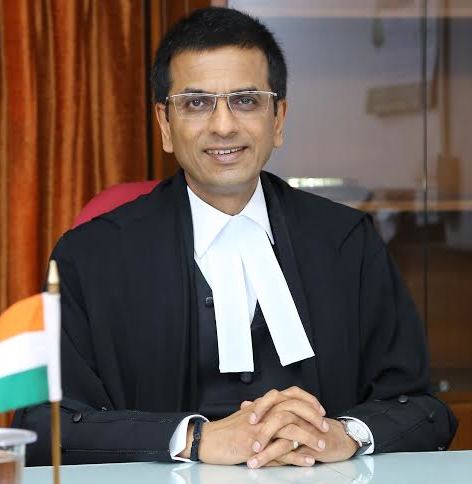
NEW DELHI, Nov 24: A portal for filing RTI applications to help people access information about the Supreme Court was operationalised on Thursday.
At the outset of the hearing, the CJI, who was sharing the bench with Justices Hima Kohli and J B Pardiwala, said the portal will start functioning soon.
“Before we start with the mentioning (of cases), I wanted to say that the RTI portal is ready. It will start working in 15 minutes. In case, there are some problems, please bear with us. If there is some problem, get back to me…I will be more than happy to look into it,” the CJI said.
The bench headed by the CJI had been hearing a plea filed by law students Akriti Agarwal and Lakshya Purohit seeking a mechanism to file RTI applications online in the apex court.
Earlier, the CJI, while hearing the PIL on November 11, had said that the portal was “practically ready” for launch.
The online portal will streamline responses of the Supreme Court under the Right to Information Act.
Earlier, RTI applications with respect to the top court were being filed through post only. (Agencies)
SC agrees to form constitution bench on issues related to polygamy, nikah-halala
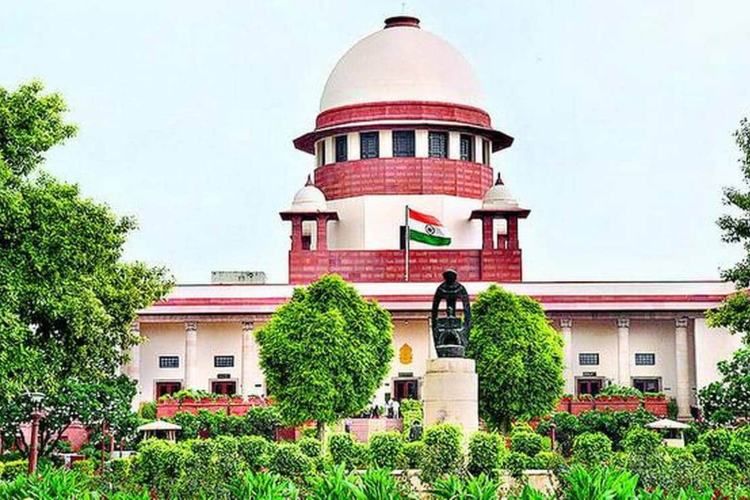
The Supreme Court on Thursday agreed to form a constitution bench to conduct proceedings on pleas related to polygamy and nikah-halala, practised among Muslims.
A bench headed by Chief Justice of India DY Chandrachud said that it will form a new bench to deal with the issues. The court direction came when advocate Ashwini Upadhyay this morning mentioned the plea seeking to ban Nikah Halala and Polygamy.
Advocate Upadhyay informed the court that two judges -Justices Indira Banerjee and Justice Hemant Gupta– have been retired and a new bench has to be formed.
The five-judge bench of justices Indira Banerjee, Hemant Gupta, Surya Kant, MM Sundresh and Sudhanshu Dhulia were hearing the matter.
The court was dealing with a petition seeking the declaration of polygamy and nikah-halala, practised among Muslims, as illegal and unconstitutional.
The practice of nikah-halala requires a divorced woman to marry someone else, consummate the marriage and then get a divorce in order to again marry her first husband under Muslim personal law.
On the other hand, polygamy is the practice of having more than one wife or husband at the same time.
Lieutenant General Asim Munir appointed as Pakistan’s new Army chief
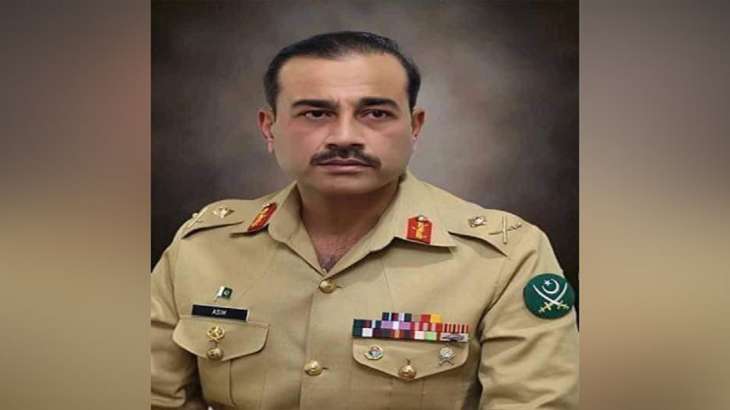
ISLAMABAD,: Pakistan Prime Minister Shehbaz Sharif on Thursday chose Lt Gen Asim Munir as the new Army chief (COAS) to replace incumbent General Qamar Javed Bajwa.
Bajwa, 61, is scheduled to retire on November 29 after a three-year extension. He had ruled out seeking another extension.
Lt Gen Sahir Shamshad Mirza had been picked as the Chairman of the Joint Chiefs of Staff Committee (CJCSC). Both officers have also been promoted to four-star generals.
The CJCSC is the highest authority in the hierarchy of the armed forces but the key powers including mobilisation of troops, appointments and transfers lie with the COAS which makes the person holding the post the most powerful in the military.
Information minister Marriyum Aurangzeb tweeted the announcement on the next army chief on Thursday morning. “The summary about (appointments) has been sent to the President,” she wrote.
Defence minister Khawaja Asif told the media after the appointments that the “advice” had been forwarded to President Arif Alvi, adding that all matters had been settled according to the law and the Constitution. He hoped that the President would not make the appointments “controversial” and would endorse the advice of the premier.
New COAS (Chief of Army Staff) Lt Gen Munir is from the Frontier Force Regiment, and has led the nation’s elite spy agencies- the Inter-Services Intelligence that focuses on security and military intelligence.
He has served under Bajwa’s direct command in the often-troubled northern areas that border Afghanistan, China and India.
Imran Khan had removed Munir as ISI chief within eight months of his appointment and replaced him with an officer considered close to him.
Lt Gen Munir was due for retirement on November 27. But now with his appointment as army chief, he will serve for another three years. (Agencies)