Wednesday, July 15, 2026
Home Blog Page 8

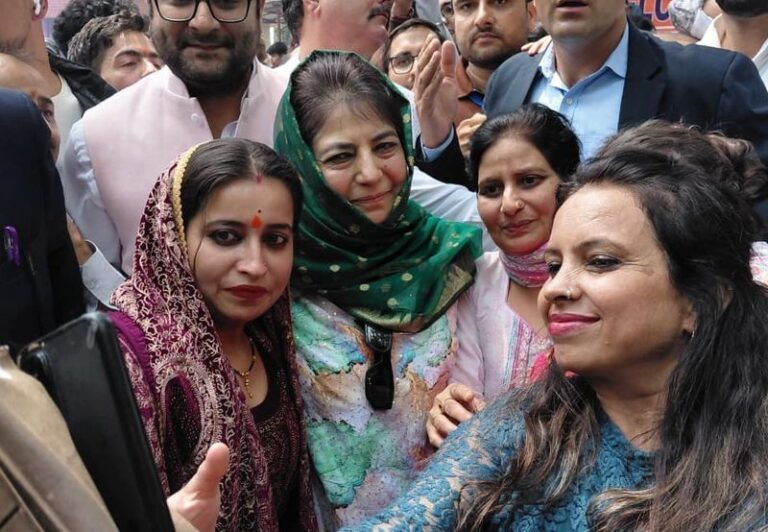
Mehbooba Mufti at Kheer Bhawani Mela: “Move Beyond the Past, Build a Shared Future”

PDP chief Mehbooba Mufti on Monday called for stronger bonds between Kashmiri Pandits and Muslims, urging communities to move forward and invest in a shared future in Kashmir.

During her visit to the Kheer Bhawani temple in Ganderbal, Mufti interacted with Kashmiri Pandits attending the annual mela and said the warmth between communities reflects the spirit of Kashmiriyat.

She said it is time to overcome mistrust and division, while highlighting the role of Kashmiri Pandit doctors serving people across the Valley.

Mufti also urged the government to ensure better facilities for Kashmiri Pandits living in Kashmir and Jammu, and appealed for maintaining brotherhood and direct community connections.

159 Drug Samples Fail Quality Tests, One Spurious Medicine Detected in May Alert

The Central Drugs Laboratories have identified 46 drug samples as “Not of Standard Quality (NSQ)” in the monthly drug alert for May 2026, while State Drugs Testing Laboratories reported 113 NSQ samples.

The Health Ministry said the identification was part of routine regulatory surveillance by the Central Drugs Standard Control Organisation (CDSCO) to ensure quality and safety of medicines in the market.

Officials clarified that NSQ findings relate only to the specific tested batches and do not indicate a concern with all products of the same medicine available in the market.

Meanwhile, one spurious drug sample from Assam was also detected, allegedly manufactured by unauthorised manufacturers using another company’s brand name. The matter is under investigation and action will follow as per law.

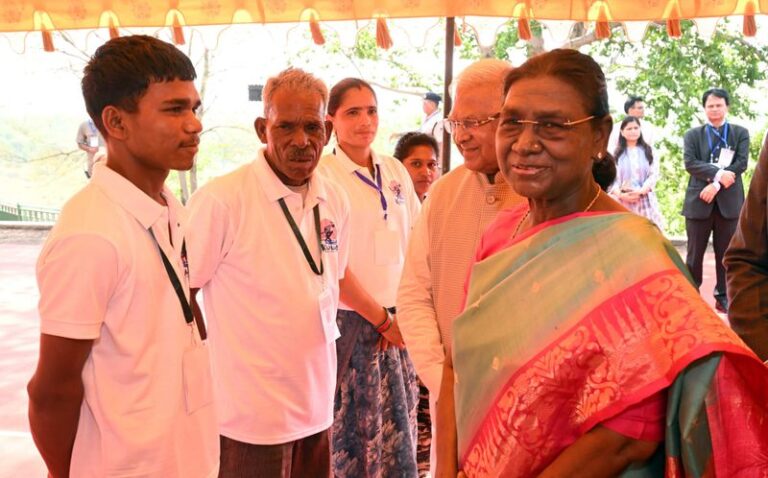
President Murmu Visits Kuno National Park, Reviews India’s Cheetah Reintroduction Project

President Droupadi Murmu concluded her five-day Madhya Pradesh visit after exploring Kuno National Park and reviewing the progress of India’s ambitious cheetah reintroduction initiative.

During her visit, the President toured the Cheetah Command and Control Centre, where she was briefed about advanced monitoring and tracking systems used to protect and study the big cats. She also viewed an exhibition highlighting the achievements of Project Cheetah.

The President later departed from Gwalior for Delhi, as Madhya Pradesh officials bid her farewell.

Launched in 2022, Project Cheetah aims to restore the cheetah population in India after its extinction, with Kuno National Park developed as the country’s first cheetah reintroduction site.

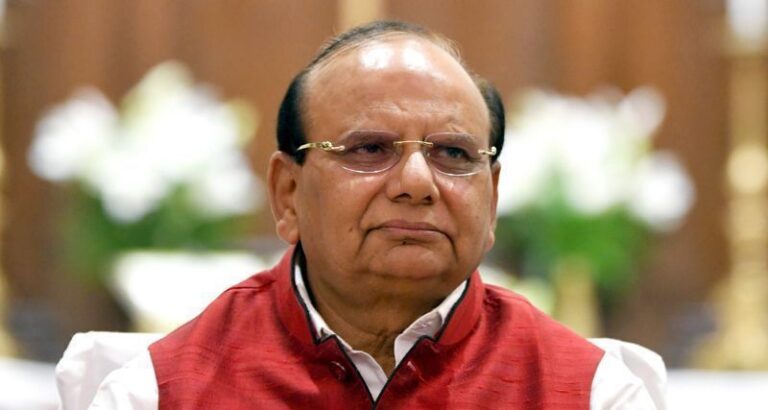
Ladakh LG Notifies Draft Mineral Foundation Rules 2026 for Welfare of Mining-Affected Communities

Leh: Lieutenant Governor of Ladakh Vinai Kumar Saxena has notified the draft Ladakh District Mineral Foundation (Trust) Rules, 2026, aimed at strengthening welfare and sustainable development initiatives for communities affected by mining activities across the Union Territory.

The proposed rules are focused on ensuring better utilization of funds generated through mining activities for the benefit of local residents and affected areas.

The framework aims to support development projects, improve basic infrastructure, and promote sustainable growth while maintaining a balance between resource utilization and community welfare.

The move marks an important step towards responsible mining practices and inclusive development in Ladakh.

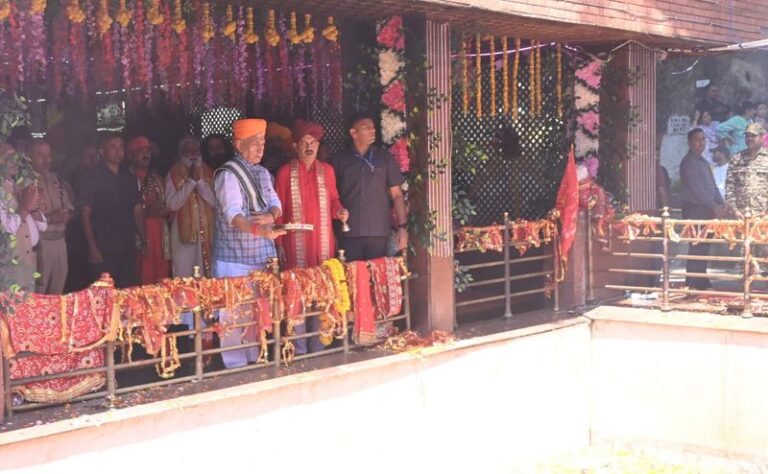
LG Manoj Sinha Offers Prayers at Kheer Bhawani Temple, Prays for Peace and Prosperity in J&K

Ganderbal: Jammu and Kashmir Lieutenant Governor Manoj Sinha on Monday visited the historic Kheer Bhawani Temple in Ganderbal district and offered prayers for peace, prosperity, and harmony in the Union Territory.

The LG paid obeisance at the temple of Ragnya Devi as hundreds of Kashmiri Pandits participated in the annual Kheer Bhawani Mela amid tight security arrangements.

During his visit, Sinha reviewed the facilities and arrangements made for devotees attending the religious gathering.

Speaking to reporters, the Lieutenant Governor expressed satisfaction over the increased participation of devotees this year compared to previous years.

He said prayers were offered for continued peace and development in Jammu and Kashmir and wished that the blessings of Mata Kheer Bhawani remain with the people.

The annual mela is celebrated every year on Jyeshta Ashtami and holds great religious significance for the Kashmiri Pandit community.

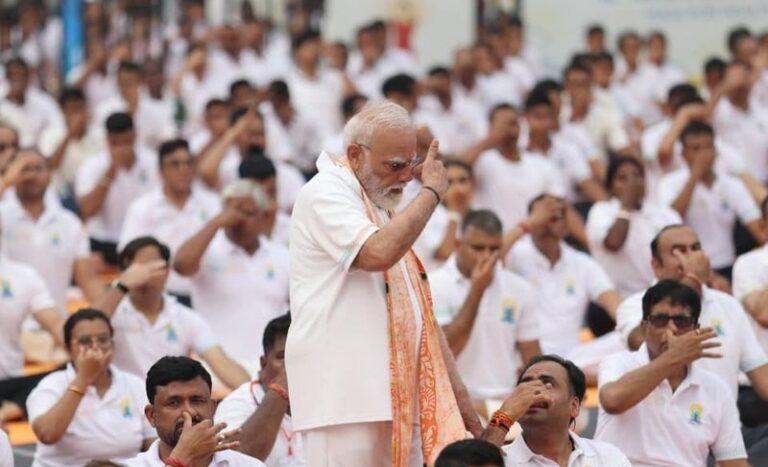
PM Modi Highlights Yoga, Self-Reliance and Maritime Strength During Kolkata Visit

Kolkata: Prime Minister Narendra Modi highlighted the importance of personal well-being, national self-reliance, and India’s growing maritime strength during two major events in Kolkata.

Addressing thousands of people during the International Day of Yoga celebrations at Red Road, PM Modi said yoga is not only about physical fitness but also about mental balance, inner peace, and global harmony.

He emphasized that a balanced lifestyle involving proper work, nutrition, and sleep is essential for a healthy life. PM Modi urged citizens to make yoga a part of their daily routine instead of limiting it to a single day celebration.

Later, at Syama Prasad Mookerjee Port, the Prime Minister focused on India’s defence capabilities and maritime growth.

He commissioned three indigenous naval vessels — INS Dunagiri, INS Sanshodhak, and INS Agray — highlighting the role of indigenous manufacturing in strengthening India’s defence sector.

PM Modi said a strong maritime capability is important for economic growth, security, and global influence. He stressed that India’s goal is to become self-reliant in defence rather than depend only on imports.

The events reflected two key messages from the Prime Minister — strengthening individuals through health and discipline, and strengthening the nation through technology, security, and self-reliance.

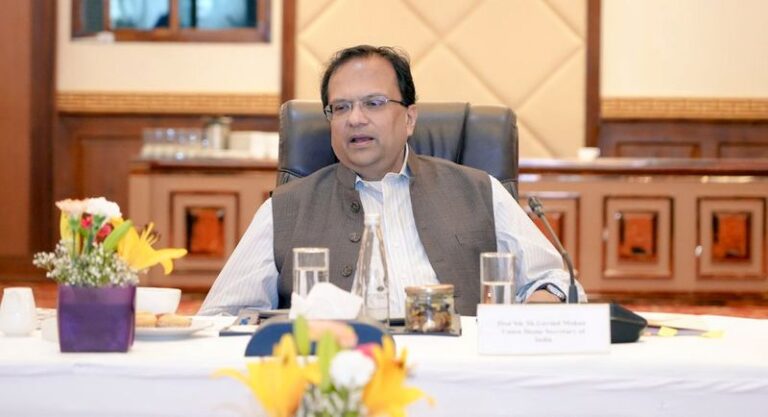
Union Home Secretary Reviews Security Preparedness for Shri Amarnath Yatra in Srinagar

Union Home Secretary Govind Mohan arrived in Srinagar on Saturday to undertake a comprehensive review of security and logistical arrangements for the forthcoming Shri Amarnath Yatra, scheduled to commence on July 3 amid heightened preparedness by security and civil administration agencies.

Official sources said the Home Secretary is set to chair a high-level meeting involving senior officials from the Jammu and Kashmir administration, Police, Army, Central Armed Police Forces (CAPFs), intelligence agencies, and other stakeholders to assess the overall preparedness for the annual pilgrimage.

The review will focus on strengthening the security grid along both the traditional Pahalgam route in Anantnag district and the shorter Baltal route in Ganderbal district, from where the pilgrimage will begin simultaneously on July 3.

The visit comes at a crucial time as security forces have intensified area domination exercises, route sanitisation operations, anti-terror surveillance measures, and security audits across the Kashmir Valley, particularly in districts connected with the Yatra route.

Sources indicated that discussions are expected to cover deployment strategies, convoy protection, intelligence coordination, emergency response systems, disaster management preparedness, communication networks, and pilgrim safety arrangements at various transit and base camps.

Special emphasis is likely to be laid on inter-agency coordination to ensure swift response to any contingency during the pilgrimage period.

In recent weeks, multiple mock drills and joint exercises involving the Jammu and Kashmir Police, CRPF, SDRF, health services, fire and emergency departments, and other agencies have been conducted to test preparedness and strengthen coordination mechanisms.

Officials said the Home Secretary is also expected to review infrastructure and facilitation measures put in place for pilgrims, including healthcare facilities, transportation services, accommodation arrangements, communication support, rescue operations, and emergency evacuation plans.

The annual Shri Amarnath Yatra is one of the country’s most significant religious pilgrimages, attracting thousands of devotees from across India every year. Authorities have intensified preparations to ensure a safe, secure and hassle-free pilgrimage experience for all devotees.

The high-level review underscores the Centre’s focus on maintaining robust security arrangements and seamless logistical support ahead of the commencement of the Yatra next month.

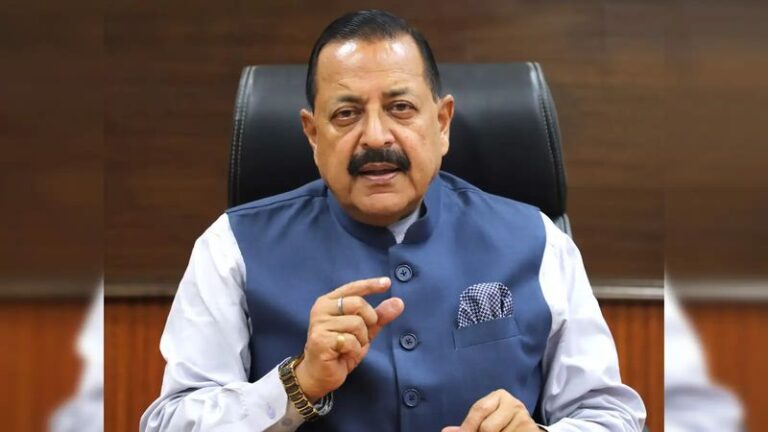
Article 370 Abrogation Sparked Aspirational Surge in J&K Youth: Jitendra Singh

 Union Minister of State for Science and Technology Dr. Jitendra Singh has said that the abrogation of Article 370 has brought about a significant transformation in the mindset of people in Jammu and Kashmir, particularly among the youth, leading to an unprecedented rise in aspirations and achievements.

In an interaction, Dr. Singh said that young people from even the smallest towns and remote areas of Jammu and Kashmir are now excelling in academics and competitive examinations, reflecting a new sense of confidence and opportunity.

“One of the most significant changes is in the mindset of the people. Today, children from small towns are topping examinations and performing exceptionally well in competitive tests. An aspirational surge has taken place among the youth,” he said.

The Minister observed that the removal of Article 370 strengthened the feeling of belongingness among the people of Jammu and Kashmir by integrating them fully with the rest of the country.

“Earlier, many people felt isolated and different. Today, they see themselves as equal citizens with equal opportunities and equal rights. This psychological transformation has played a crucial role in shaping the aspirations of the younger generation,” he remarked.

Highlighting social reforms that followed the constitutional changes of August 2019, Dr. Singh noted that several categories of citizens who were previously deprived of certain rights have now been brought into the mainstream.

The Union Minister said the changes have created an environment where talent and hard work are emerging as the key drivers of success, encouraging young people to pursue higher education, professional careers, entrepreneurship and public service.

PM Modi Capable of Resolving PoJK Issue: Jitendra Singh

Speaking on the issue of Pakistan-occupied Jammu and Kashmir (PoJK), Dr. Singh reiterated the Government of India’s long-standing position that the region is an integral part of the country.

He referred to the unanimous Parliamentary Resolution adopted in 1994, which declared the entire territories of Jammu, Kashmir and Ladakh as integral parts of India. He noted that the Bharatiya Janata Party had strongly supported the resolution.

“There is no issue between India and Pakistan except the issue of PoJK and its eventual reintegration with the Indian Republic,” he said.

Dr. Singh further asserted that Prime Minister Narendra Modi possesses the leadership, conviction and determination required to address the outstanding issue of PoJK.

“If anyone has the courage, capacity and commitment to resolve the issue of PoJK, it is Prime Minister Narendra Modi,” he stated.

The Minister also alleged that the people living in Pakistan-occupied Jammu and Kashmir have long faced discrimination and have been treated as second-class citizens by the Pakistani establishment.

A New Era of Confidence

Dr. Singh emphasized that the developments witnessed in Jammu and Kashmir over the past few years reflect a broader transformation in governance, opportunities and public participation. He said the emergence of young achievers from remote areas, coupled with growing educational and professional aspirations, demonstrates the positive impact of greater integration and expanded opportunities in the Union Territory.

According to the Minister, Jammu and Kashmir is witnessing a new era marked by confidence, ambition and increasing participation of its youth in nation-building and competitive fields across the country.

GMC Jammu Achieves Milestone with First Stem Cell Therapy for Knee Osteoarthritis

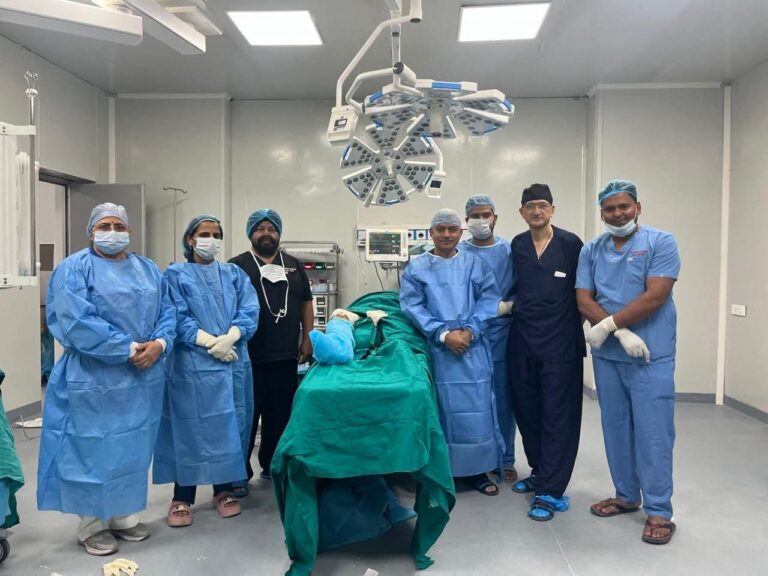
Jammu, June 19: In a significant medical breakthrough, the Department of Orthopaedics at Government Medical College (GMC) Jammu has successfully introduced Stem Cell Therapy for the treatment of knee osteoarthritis, becoming one of the select medical centres in India to offer this advanced regenerative treatment.

The pioneering procedure was performed on a 65-year-old patient, Bishno Devi, a resident of Bainglar, Samba, who had been suffering from chronic knee pain due to osteoarthritis and was considering Total Knee Replacement (TKR) surgery to alleviate her symptoms.

Stem Cell Therapy is an emerging treatment modality aimed at preventing or slowing the progression of osteoarthritis in patients with mild to moderate disease. The therapy has shown promising results in delaying, and in some cases preventing, the need for knee replacement surgery. It is a minimally invasive day-care procedure, allowing patients to be discharged on the same day.

The procedure was successfully carried out at Bone and Joint Hospital, Jammu, by Dr. Bias Dev, Associate Professor, Department of Orthopaedics, with assistance from Dr. Tahir Afzal and Dr. Tadeel Rashid.

One of the major challenges associated with stem cell therapy is maintaining an uninterrupted cold chain during transportation, as stem cells are preserved in liquid nitrogen chambers at temperatures below minus 90 degrees Celsius to ensure their viability.

The necessary consumables and materials required for the treatment were arranged under the Ayushman Bharat Scheme, enabling the patient to undergo the advanced procedure completely free of cost.

Expressing their gratitude, the patient and her family thanked the treating doctors and the administration of GMC Jammu for making the cutting-edge treatment accessible. They particularly appreciated the efforts of Principal GMC Jammu, Dr. Ashutosh Gupta, for facilitating the availability of this advanced medical facility for patients in the region.

The introduction of Stem Cell Therapy marks another milestone in the advancement of healthcare services at GMC Jammu and is expected to benefit numerous patients suffering from osteoarthritis across Jammu and Kashmir.

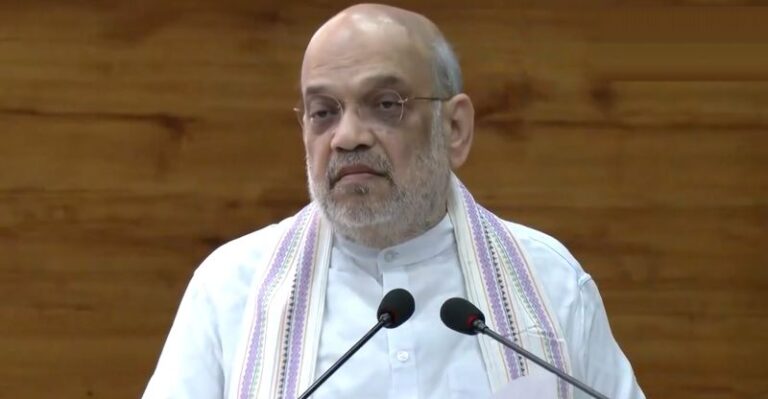
Home Ministry Working with Supreme Court to Reduce Case Pendency, Ensure Timely Justice: Amit Shah

 Union Home Minister Amit Shah on Friday said the Ministry of Home Affairs is actively working with the Supreme Court of India to develop a new system aimed at reducing the pendency of cases in the Supreme Court and various high courts, ensuring timely justice for citizens.

Addressing the inaugural session of the All India Fingerprint Conference-2026 organised by the National Crime Records Bureau in New Delhi, Shah stressed the importance of scientific investigation, accurate evidence collection, and the effective use of technology in strengthening the criminal justice system.

The Home Minister said that significant reforms have been undertaken through the three new criminal laws introduced by the government. He noted that nearly 90 per cent of the legal loopholes identified in the previous criminal laws have been addressed.

“The Union Home Ministry is actively engaged with the Supreme Court to create a new system that can effectively deal with volume-based delays in the High Courts and the Supreme Court,” Shah said, adding that the government is determined to eliminate unnecessary delays in the delivery of justice.

He urged police officers and forensic experts to ensure proper collection and preservation of evidence from crime scenes, emphasizing that contaminated evidence often weakens prosecution and delays convictions.

Shah called upon investigating officers to file timely charge sheets, maintain regular coordination with prosecutors, and pursue cases diligently to facilitate speedy judicial decisions.

Highlighting the growing role of technology in policing, the Home Minister said that crime-related data should be analysed using Artificial Intelligence (AI) and Machine Learning tools to identify crime patterns, predict criminal activities, and expedite investigations.

Referring to the proposed Modus Operandi Bureau within the NCRB, Shah said the unit should now begin functioning to study criminal methodologies, repeat offenders, and interstate as well as international criminal networks.

The minister also emphasized the wider use of the National Automated Fingerprint Identification System (NAFIS), stating that while the system has helped solve several complex cases, its potential remains underutilised.

“NAFIS is currently being used only about 10 per cent of the time. It should not be limited to identifying criminals alone. The database must be continuously enriched with fingerprints collected from every crime scene,” he said.

Shah observed that India’s criminal justice system is undergoing a major transformation and must evolve into an effective mechanism for ensuring citizens receive the rights guaranteed under the Constitution.

He also highlighted the need for specialised training of police personnel and prosecutors under the new criminal laws so that only relevant and scientifically verified evidence is presented before courts.

Stressing the need for efficiency, Shah said technological tools such as fingerprint matching, DNA analysis, facial recognition, and digital evidence should be effectively integrated into investigations, prosecution, and conviction processes.

“We need to ensure the active use of technology across the entire chain of investigation, prosecution, and conviction,” the Home Minister said.

The conference brought together police officers, forensic experts, and criminal justice professionals from across the country to discuss advancements in forensic science, fingerprint analysis, and technology-driven policing.