Monday, July 13, 2026
Home Blog Page 73

J&K to Emerge as Film Hub Again, Omar Abdullah Seeks Collaboration with Mumbai’s IICT

0

The Jammu and Kashmir government is striving to make the scenic Union Territory an attractive destination for filmmaking once again, Chief Minister Omar Abdullah said on Thursday, stressing the need to build local talent and modern post-production infrastructure.

Talking to reporters during his visit to the Indian Institute of Creative Technologies (IICT) in Mumbai, the Chief Minister said that reviving the film industry in J&K requires strong institutional support and world-class training facilities.

“We are trying to make films in Jammu and Kashmir again. We are trying to restore the film industry in J&K. And if we want Jammu and Kashmir to become an attractive destination for filmmaking, then human talent and post-production capability must be created locally, and that is where a relationship with an institution like IICT becomes important for us,” Abdullah said.

The Chief Minister visited the IICT campus at the National Film Development Corporation (NFDC), Mumbai, to explore avenues for institutional collaboration and student exchange between the institute and the J&K government.

He said IICT and NFDC are working towards establishing a formal relationship so that students from Jammu and Kashmir can come to Mumbai and learn modern techniques of post-production, editing, sound and lighting, among other skills.

“IICT and NFDC are establishing a formal relationship so that our students come here and learn new ways of post-production, editing, sound, light, among others,” he said.

Omar Abdullah expressed hope that in the future, the hub-and-spoke model adopted by IICT, with its main campus in Mumbai and satellite centres elsewhere, could also be extended to Jammu and Kashmir.

“It will be possible that one day IICT’s satellite campus will be established in Jammu and Kashmir. Today, what we have seen is that IICT has established magnificent infrastructure here in a very short time. We would like to see human talent being made available in the Union Territory, which will help bring down costs and also create jobs in J&K,” he added.

Notably, the hub-and-spoke model is an organisational structure with a central hub and interconnected centres.

According to IICT’s website, the institute is India’s lighthouse for AVGC-XR (Animation, VFX, Gaming, Comics and Extended Reality). It has been established with the support of the Union Ministry of Information and Broadcasting, the Maharashtra government and leading industry bodies FICCI and CII.

As the national nodal organisation for AVGC-XR, IICT brings together academia, industry, technology and policy to nurture talent, drive innovation and strengthen India’s global competitiveness in creative technologies.
Extreme Cold, Pollution Raise Risk of Preterm Births, High BP in Pregnant Women: Doctors

0

Exposure to extreme cold conditions coupled with rising air pollution significantly increases the risk of preterm births and high blood pressure in expectant mothers, which can adversely affect a baby’s growth, doctors have warned.

North India continues to reel under an intense cold wave, with maximum temperatures in several areas plunging nearly 10 degrees Celsius below normal, aggravating health risks, especially for pregnant women.

Dr Anita Sabherwal, gynaecologist and senior consultant at the Sitaram Bhartia Institute of Science and Research, said pregnancy makes women more prone to dry skin, nasal stuffiness and altered immunity, and cold weather further worsens these problems. “It also makes them more vulnerable to viral infections,” she said.

She explained that winter often leads to reduced water intake due to lack of thirst, less physical activity because of cold weather and heavy clothing, and increased fatigue. “All this leads to easy tiredness, joint and muscle stiffness, body pains and constipation,” Dr Sabherwal said.

With pollution levels rising in winter, cases of breathing difficulty and bronchitis also increase. “Studies have reported a higher risk of preterm births and low birth weight babies due to high air pollution,” she added.

Dr Sabherwal also cautioned that winter diets rich in traditional sweets, nuts and ghee often lead to excess weight gain and spikes in blood sugar levels. She stressed the importance of maintaining healthy nutrition, proper hydration and suitable exercises during pregnancy for a positive birth outcome.

Medical experts explained that the human body responds to cold by constricting blood vessels to conserve heat. While this is a normal response, pregnancy already puts extra pressure on the circulatory system. “When blood vessels tighten further, blood pressure can rise, increasing the risk of pregnancy-related hypertension and complications such as preeclampsia,” doctors said.

Dr Yashica Gudesar, Director and Unit Head, Obstetrics and Gynaecology, Max Super Speciality Hospital, Dwarka, said, “Keeping warm, getting six to eight hours of sleep, following a high-protein diet to support fetal weight gain and taking blood thinner medications as prescribed can help manage these risks.”

Dr Nikita Kumari, senior consultant at the Sitaram Bhartia Institute, said pregnancy during winter brings a unique set of challenges. “While these issues are usually not serious, timely care and simple precautions can go a long way in keeping both mother and baby healthy,” she said.

She advised pregnant women to take the seasonal flu vaccine if recommended, avoid crowded places during peak pollution or flu outbreaks, wear masks in polluted areas, maintain hand hygiene and seek early medical advice for symptoms like fever, persistent cough or breathlessness.

Dr Kumari also highlighted that Vitamin D deficiency is common among Indian women and worsens during winter. “Expectant mothers should get 15 to 20 minutes of sunlight on face and arms, take supplements as prescribed and go for regular antenatal check-ups to detect deficiencies early,” she said.

Research shows that exposure to cold activates stress-related hormonal systems in the body, including the sympathetic nervous system and the renin-angiotensin system, both of which influence blood pressure and can indirectly affect fetal development. Studies have linked prolonged cold exposure during the second and third trimesters to a higher risk of low birth weight babies, while extreme cold during early pregnancy has been associated with preterm births.

Dr Swapnil Agrahari, obstetrician and gynaecologist at Silverstreak Multispeciality Hospital, said, “When placental blood flow is reduced, the baby may not receive adequate nutrition, which can slow growth. This is why maintaining warmth and overall health during winter is especially important for expectant mothers.”

Experts stressed that warning signs such as persistent headaches, swelling or sudden rises in blood pressure should never be ignored. “With proper care, awareness and timely medical guidance, most winter-related pregnancy risks can be managed effectively, ensuring the health and well-being of both mother and baby,” Dr Agrahari added.

LG Manoj Sinha Interacts with J&K Youth, Congratulates UT Contingent for Stellar Performance at National Youth Festival 2026

0

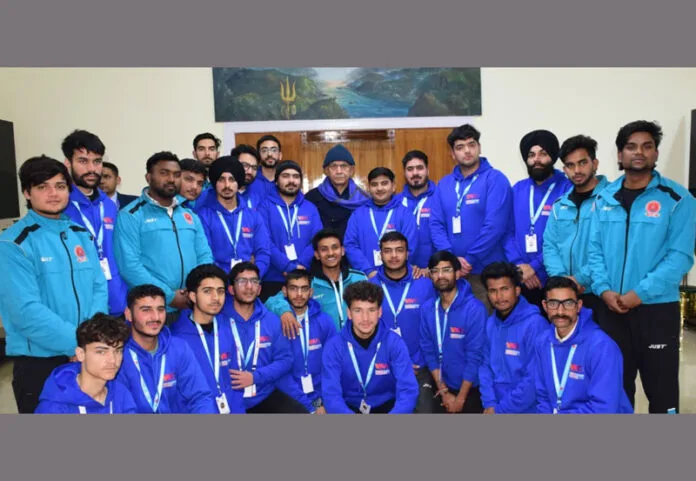
Lieutenant Governor Manoj Sinha on Wednesday interacted with the youth who returned after representing the Union Territory of Jammu and Kashmir at the 29th National Youth Festival – Viksit Bharat Young Leaders Dialogue 2026 held in New Delhi.

The Lieutenant Governor congratulated the J&K UT contingent for their exemplary performance on the national stage and lauded their contribution in showcasing the talent, innovation and potential of the youth from the Union Territory.

During the interaction, the Lieutenant Governor encouraged the youth to adopt four mantras in life — knowing one’s inner self, finding the inner voice, learning through experiences and fostering collaboration — to achieve success and contribute meaningfully to nation-building.

The J&K UT contingent participated under two tracks — the Viksit Bharat Challenge Track and the Cultural & Innovation Track. Suvidha (Topic: Innovation with Tradition, Building a Modern Bharat), Kum Kum (Building Future-Ready Workforce for Viksit Bharat), Mridul (Fit Bharat, Hit Bharat) and Nitish (Building Sustainable and Green Viksit Bharat) were selected for the final PPT round and presented their ideas before the Hon’ble Prime Minister Shri Narendra Modi.

The J&K team comprising Salik Aijaz Khan, Saliq Bashir and Adnan Ferdos secured third position at the national level for their Hackathon project A.N.T.S (Disaster Resilient System). Meanwhile, Sheikh Anzar Amin was selected for the PM Gallery for inventing an Automatic Gas Regulator for LPG gas heaters.

Yasha Mudgal, Commissioner/Secretary to Government, Youth Services and Sports; Anuradha Gupta, Director General, Youth Services and Sports; and other senior officers and officials who accompanied the contingent were also present during the interaction.

The Lieutenant Governor reiterated the administration’s commitment to nurturing innovation, leadership and entrepreneurship among the youth of Jammu and Kashmir and assured them of full support in turning their ideas into impactful initiatives.

BSP to Contest 2027 UP Polls Alone, Will Form Government with Full Majority: Mayawati

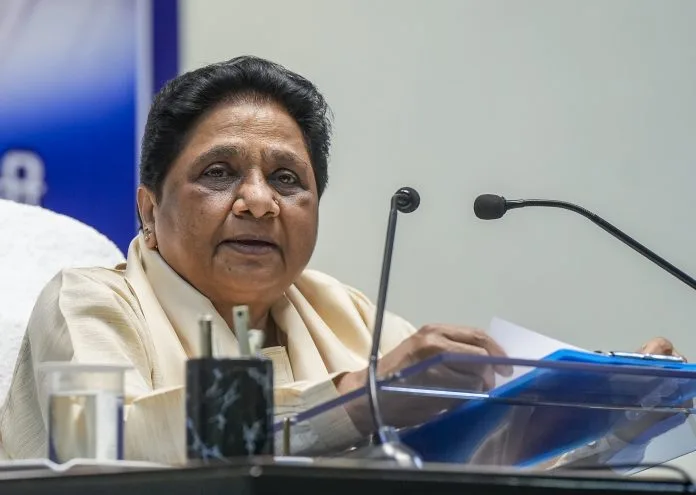
Bahujan Samaj Party (BSP) president Mayawati on Thursday announced that her party will contest all elections across the country, including the 2027 Uttar Pradesh Assembly elections, on its own and will form a government with a full majority in the state.

Addressing a press conference here on her 70th birthday, Mayawati said the party has decided that it is “more appropriate” to fight all small and big elections independently and will not enter into any kind of alliance with any party.

“There should be no confusion about this. The Bahujan Samaj Party will contest the next Assembly elections in Uttar Pradesh alone,” she said.

However, she added that in the future, if the party becomes fully convinced that any alliance partner can effectively transfer its votes — particularly of upper castes — to the BSP, then a positive decision on contesting elections in alliance could be taken, though she said such a situation would take years to materialise.

Mayawati claimed that the people of Uttar Pradesh are once again inclined to bring the BSP back to power in 2027, recalling the party’s four previous terms in office. She said party workers are fully engaged in ensuring the formation of a BSP government with a full majority in the next Assembly elections.

Launching a sharp attack on the BJP, Congress and other “caste-based parties”, the BSP chief said her party would give them a fitting reply and form its fifth government in Uttar Pradesh.

Raising concerns over Electronic Voting Machines (EVMs), Mayawati alleged that manipulation and dishonesty had occurred in past elections, but asserted that the BSP would continue to contest elections across the country with full strength. She said opposition to EVMs is growing nationwide.

She also accused previous governments of neglecting BSP founder Kanshi Ram, alleging that national mourning was not declared after his death. Mayawati further alleged injustice towards Muslims and other communities, while asserting that no communal riots occurred during BSP rule and that all sections, including Yadavs, were taken care of.

Earlier in the day, Uttar Pradesh Chief Minister Yogi Adityanath and Samajwadi Party president Akhilesh Yadav extended birthday greetings to Mayawati. Adityanath, in a post on X, wished her good health and long life, while Yadav lauded her lifelong struggle for the rights and dignity of the oppressed and marginalised.

Mayawati turned 70 on Thursday, with the BSP observing the day across Uttar Pradesh as ‘Jan Kalyankari Diwas’.

CS Atal Dulloo Reviews Social Welfare, Clears Major Agriculture Projects to Boost Wool, Dairy and Livestock Sectors in J&K

0

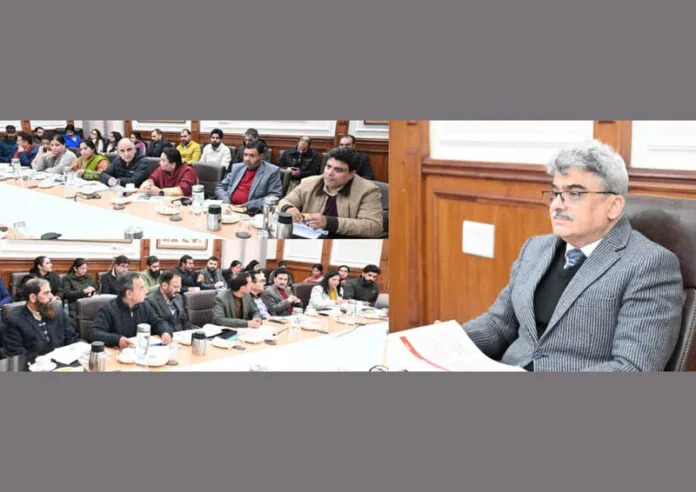
 Chief Secretary Atal Dulloo today chaired a comprehensive review meeting of the Social Welfare Department and the Agriculture Production Department, assessing the performance of key welfare missions and major sectoral initiatives aimed at inclusive development and rural economic growth in Jammu and Kashmir.

During the review of the Social Welfare Department, the Commissioner Secretary presented a detailed overview of the department’s performance, implementation of flagship schemes, financial status, infrastructure development and future priorities. The meeting was attended by senior officers, including Secretaries, Mission Directors of Mission Poshan, Mission Shakti and Mission Vatsalya, Directors of Social Welfare Jammu and Kashmir, Chairpersons of Advisory Boards and other concerned officials.

The Chief Secretary reviewed the functioning of Directorates, Mission Directorates, Advisory Boards, Corporations and statutory bodies under the department, underscoring sustained efforts towards inclusive development, women empowerment, child welfare, nutrition security and social protection of vulnerable sections.

Commissioner Secretary, Social Welfare Department, Sarmad Hafeez informed that the department is working to uplift underserved sections through its Directorates, three Mission Directorates, Advisory Boards for Scheduled Castes, Other Backward Classes and Pahari-speaking people, and dedicated corporations including the J&K Women Development Corporation and the J&K SC/ST & BC Development Corporation.

Reviewing Mission Poshan and the strengthening of Nutrition and Early Childhood Care and Education (ECCE), Mission Director Sajad Hussain Ganai said that 99 per cent Anganwadi Centres in the Union Territory now have functional infrastructure with essential amenities. He added that Saksham Anganwadis equipped with modern facilities are being operationalised across J&K, while over 24,933 Anganwadi Workers have been trained under the ‘Poshan Bhi Padhai Bhi’ initiative.

On Mission Shakti, Mission Director Mohammad Akber said the Mission continues to play a pivotal role in women empowerment and safety. He informed that more than 2,500 awareness workshops have been conducted through District Hubs for Empowerment of Women. As many as 11 new Shakti Sadans and five Sakhi Niwas (Working Women Hostels) have been approved and are nearing operationalisation. He further said that One Stop Centres have assisted 2,727 women, Women Helpline-181 has handled over 22,000 calls during FY 2025–26, and Nari Adalats have been operationalised in 50 Panchayats to resolve disputes at the grassroots level.

Reviewing Mission Vatsalya, Mission Director Nazim Zia Khan said significant progress has been achieved in child protection and rehabilitation. He informed that 23 Child Care Institutions, including observation homes, special adoption agencies and open shelters, have been established or approved across the Union Territory.

Emphasising the future roadmap, the Chief Secretary stressed the need for whole-of-government convergence, digital welfare governance, livelihood-linked assistance and universal social protection, with special focus on mother-and-child care, aspirational Anganwadis, skill development, self-employment and institutional strengthening to realise the vision of Viksit Bharat @2047.

Meanwhile, the Chief Secretary also reviewed a series of proposals presented by the Agriculture Production Department aimed at enhancing the production of wool, milk and meat in Jammu and Kashmir through value chain strengthening, genetic upgradation and expansion of processing infrastructure.

The meeting first reviewed the PAAVAN (Processing, Aggregation and Value Addition Network for Wool) project, which seeks to revive and modernise the wool sector in J&K through a federation-driven institutional framework. The project envisages establishment of two wool processing and value addition units at Jammu and Srinagar, creation of a revolving fund for assured procurement of wool from farmers and a three-tier cooperative structure up to UT level.

The Chief Secretary was also briefed on the J&K Elite Sheep Mission based on Embryo Transfer Technology (ETT/MOET) to accelerate genetic improvement in sheep and goats through establishment of 20 ETT laboratories with support from SKUAST Jammu and Kashmir.

The meeting further reviewed the J&K Dairy Value Chain Infrastructure Expansion Programme under PMFME, aiming to establish 1,000 new milk value addition units over five years, expand organised processing capacity and improve farmers’ income.

Kashmir Moving Towards Peace; Pakistan a Coward Nation: Chairman NATPF Sanjay Manhas

0

Jammu, January 14, 2026:

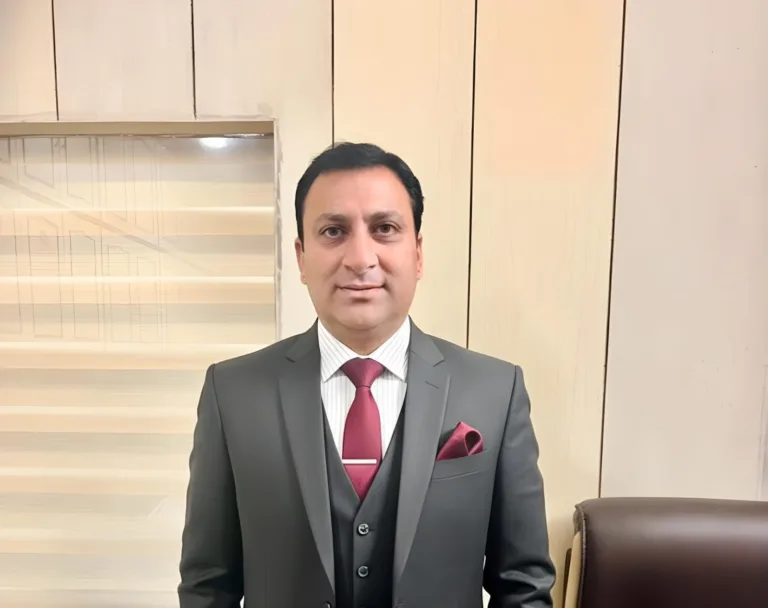
Sanjay Manhas, Chairman of the National Anti Terrorism and Peace Front, on Wednesday stated that Kashmir is firmly moving on the path of peace, stability and progress, and that the atmosphere in the Valley has significantly improved in recent times.

In a Press Statement Issued today, Manhas said that the people of Jammu & Kashmir are now prioritizing peace over conflict, and the region is witnessing gradual normalization in daily life due to strengthened security measures and public cooperation.

“Kashmir is on the way of peace. People want stability, development and a better future. The era of fear is ending,” Manhas said.

While condemning terrorism and external interference, Sanjay Manhas strongly criticized Pakistan and called it a coward nation, alleging that it has continuously attempted to disturb peace in Kashmir through terror networks and anti-national activities.

“Pakistan is a coward nation. It cannot fight openly and therefore uses terrorism as a weapon. Its agenda is to spread unrest, but it has failed again and again,” he said.

The Chairman stated that the security forces have played a key role in safeguarding the nation, and the people must continue supporting peace efforts to ensure long-term stability and growth in Jammu & Kashmir.

Manhas appealed to youth to stay away from misleading propaganda, remain united, and participate actively in nation-building initiatives.

“Peace is the biggest strength. The future of Kashmir lies in peace, education, employment and development,” he added.

The National Anti Terrorism and Peace Front reaffirmed its commitment to promoting harmony, strengthening national unity, and resisting all forms of terrorism and separatist ideology.

Safe My Trip: Prioritising Safety for a Better Travel Experience

0

In recent years, travel has become more accessible than ever. While exploring new destinations brings excitement and cultural enrichment, ensuring personal safety during travel remains a critical responsibility. Safe My Trip is an initiative and mindset that promotes informed, prepared, and cautious travel without compromising the joy of the journey.

Preparation Is the First Step to Safety

Before embarking on any trip, travellers should plan thoroughly. Important documents such as identification cards, passports, tickets, and insurance papers should be secured and backed up digitally. Sharing travel itineraries with family members or trusted contacts helps ensure assistance can be reached quickly in case of emergencies.

Responsible Handling of Luggage and Valuables

Travellers are advised to keep their luggage properly locked and never leave belongings unattended in public places. Cash, credit cards, and essential items should be stored separately to reduce risk in the event of theft or loss. Awareness and vigilance play a significant role in preventing avoidable incidents.

Caution During Local Transportation

Using verified transportation services and avoiding unregistered taxis or guides is essential, particularly in unfamiliar locations. Travellers should refrain from sharing personal information with strangers and remain alert during late-night travel. Responsible decisions can significantly reduce potential risks.

Ensuring Safety at Accommodation

At hotels or other accommodations, guests should familiarise themselves with emergency exits and security measures. Doors should be securely locked, and any suspicious activity must be reported to hotel management immediately. A safe stay contributes directly to a stress-free travel experience.

Special Considerations for Solo and Family Travellers

Solo travellers are encouraged to keep emergency contacts informed of their whereabouts, while families should take extra precautions when travelling with children. Knowledge of nearby medical facilities and emergency services is an added advantage in unforeseen situations.

Conclusion

Travel safety is not about fear—it is about awareness and responsibility. By taking simple precautions and making informed choices, travellers can ensure that their journeys remain memorable for the right reasons.

Safe My Trip stands for one simple message:

Travel smart, stay alert, and return safely.

Dense Fog Disrupts Air, Rail Traffic; Cold Wave Persists in Jammu

0

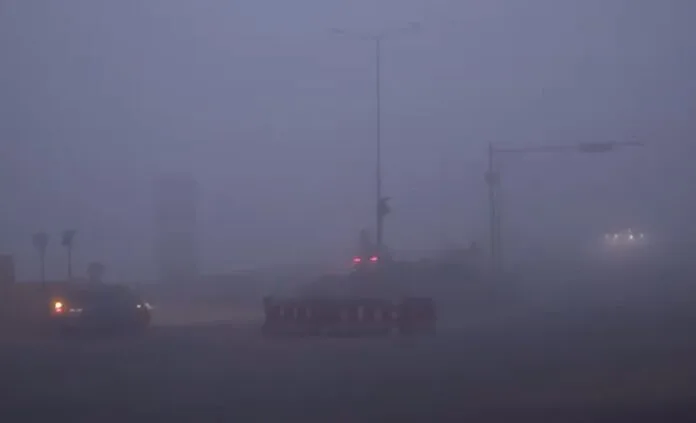
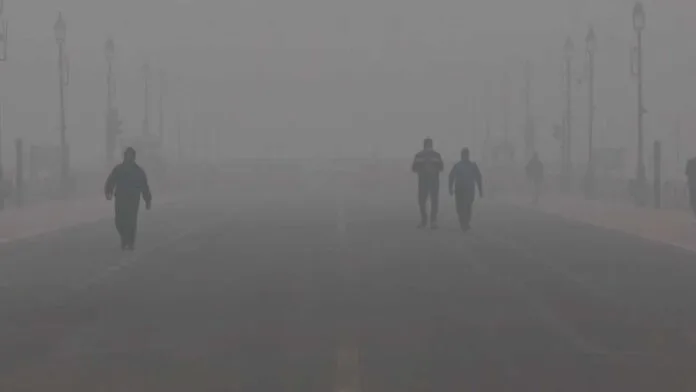
: Normal life in Jammu was disrupted on Wednesday as a dense blanket of fog affected air and rail operations, while chilling weather conditions continued across the region.

“Due to dense fog and poor visibility, flight operations at Jammu airport remained affected since morning,” an official said.

Rail services were also badly hit. A senior railway official said several trains were running three to four hours behind schedule, as dense fog across northern parts of the country disrupted rail movement.

The Meteorological Department (MeT) said foggy conditions are likely to persist for a few more days, even as cold weather continues to grip the region.

According to the MeT Department, minimum temperatures recorded during the intervening night of January 13–14 were: Jammu 4.0°C, Banihal 5.3°C, Batote 4.5°C, Katra 5.5°C, Bhaderwah 0.5°C, Kathua 4.2°C, Jammu Airport 4.8°C, Udhampur 1.0°C, Ramban 2.8°C, Samba 1.5°C, Rajouri 0.6°C, Kishtwar 4.3°C, Reasi 2.6°C and Doda 4.3°C.

In view of the harsh cold conditions, the administration has extended winter vacations in schools till January 14, while several institutions are conducting online classes for primary sections.

People in the plains of Jammu, especially roadside vendors, were seen burning firewood to protect themselves from the biting cold. Many business establishments have installed warmers and electric heaters to provide relief to customers.

Vehicular movement remained slow, with drivers using headlights even during daytime to avoid accidents amid poor visibility caused by thick fog.

Women VDGs Guard Remote Jammu Villages During Winter Migration

0


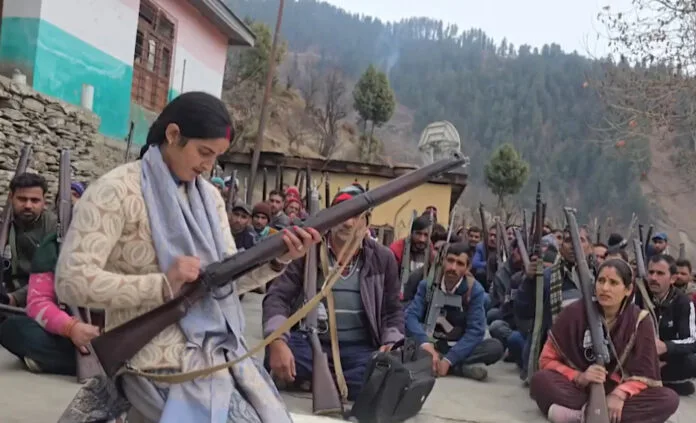
 Women members of Village Defence Guards (VDGs) are safeguarding remote villages of the Jammu region during the winter months, when many men migrate to other parts of the country in search of livelihood.

Equipped with .303 rifles after undergoing training by various security agencies, women VDGs are deployed in difficult terrain, often in isolated and vulnerable areas, Superintendent of Police, Bhaderwah, Vinod Sharma said.

Training shoulder to shoulder with their male counterparts, the women remain resolute in defending their communities against terrorist threats. Their presence has significantly strengthened local security arrangements, particularly during periods when villages face reduced manpower, the officer said, adding that women’s participation in village defence is not new to the region.

In September 2009, Rukhsana Kausar, a Gujjar woman from Upper Kalsi in Rajouri district, displayed exemplary bravery by shooting dead a Lashkar-e-Taiba (LeT) terrorist. Her act earned her several national and state awards, including the Kirti Chakra, India’s second-highest peacetime gallantry award, besides a job in the Jammu and Kashmir Police.

“In the hilly Chenab region, particularly in Doda, harsh winters force many men to migrate to states such as Uttarakhand, Delhi and Mumbai for work. This seasonal migration leaves villages without able-bodied men, except for a few elderly residents, making them vulnerable to anti-national elements,” Sharma said.

To address this security gap, the police have trained women as VDGs. “They are equally committed to the security and sovereignty of the country. We train them in tactics and strategies to counter terrorist threats, and their performance has been very encouraging,” he added.

Dozens of armed women VDGs are patrolling remote pockets of Doda,

Kishtwar and Ramban districts, emerging as a reliable force to counter insurgency and protect their villages in the absence of male members. They are also undergoing regular training jointly conducted by the police and the Army in far-flung villages and hamlets, many of which are located in dense forests and remain vulnerable to militant activity.

“We are trained to fight terrorists and are ready to face the enemies of the nation,” said Shivani (21), a VDG from Civilli village in Gandoh tehsil of Doda district, bordering Himachal Pradesh.

The Doda region witnessed several massacres during the peak of militancy in the 1990s. The VDGs include both Hindu and Muslim members, including women, reflecting communal harmony, the officer said

JKBOSE Declares Class 12 Results; Overall Pass Percentage at 84.02

 The Jammu and Kashmir Board of School Education (JKBOSE) on Tuesday announced the results of the Class 12 annual examinations, recording an overall pass percentage of 84.02, officials said.

A total of 70,735 students from the Kashmir division and the winter zones of the Jammu division appeared in the examinations, of whom 59,435 candidates qualified successfully.

Girls once again outperformed boys in the results. While the pass percentage of boys stood at 82 per cent, girls recorded a higher success rate of 86 per cent, continuing the trend of girls outperforming boys in board examinations.

JKBOSE officials described the overall performance as satisfactory and congratulated the successful candidates on their achievement.