Monday, July 13, 2026
Home Blog Page 117

DRDO Launches Agni-Prime Missile from Rail-Based Mobile System

0

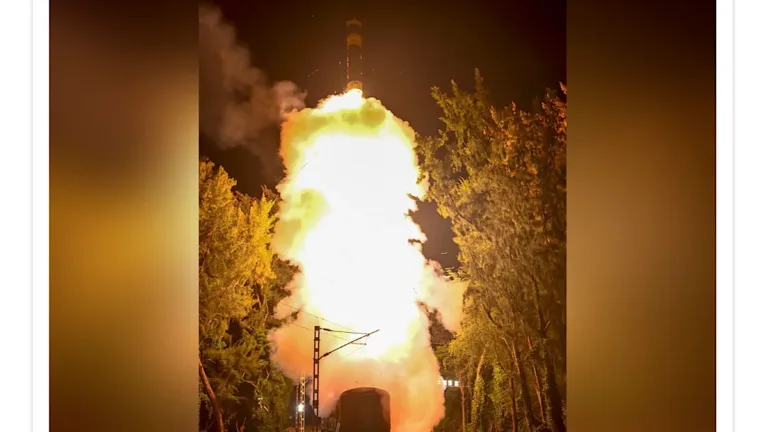
The Defence Research and Development Organisation (DRDO) successfully launched the Agni-Prime missile from a rail-based mobile launcher system on October 19, 2023. This test, carried out in collaboration with the Strategic Forces Command (SFC), demonstrates India’s cutting-edge missile technology and operational readiness.

The Agni-Prime missile boasts advanced capabilities, having a range of up to 2,000 km. According to a Defence Ministry statement, this next-generation missile features enhanced technological attributes that position India among select nations possessing sophisticated missile systems.

The launch occurred yesterday from a specially designed mobile launcher that operates seamlessly on the Indian rail network. This capability allows for effective cross-country mobility, enabling quick launch operations with minimal visibility. Such features are crucial in enhancing strategic response times in any defense scenario.

Equipped with all independent launch capabilities, the mobile launcher integrates state-of-the-art communication systems and robust protection mechanisms to ensure operational integrity. The ground-based tracking stations monitored the missile’s flight path, confirming that it met all mission objectives during the launch.

This successful demonstration reinforces India’s commitment to advancing its defense systems, especially in the realm of rail-based launch capabilities. Senior scientists from DRDO and officers from the SFC were present to witness the landmark event. Unlike traditional launch systems, Agni-Prime’s rail-based mobility significantly reduces deployment times and increases tactical flexibility.

Furthermore, the road-mobile variant known as Agni-P has already entered service following a series of successful flight trials. Defence Minister Rajnath Singh lauded the efforts of the DRDO and SFC, stating that this achievement elevates India’s status in global defense capabilities.

In a statement on social media, Singh reflected on the implications of the launch, highlighting, “This unique test has firmly established India in the exclusive club of nations that have developed canisterized launch systems capable of launching from a rail network.”

Singh extended his congratulations to all those involved in the project, emphasizing the importance of such innovations in enhancing national security. He specifically acknowledged the critical role of the participating teams and the strategic foresight of India’s defence research framework.

Secretary of the Department of Defence Research and Development and Chairman of DRDO also praised the achievement, recognizing the collective effort that led to this milestone. The successful launch of the Agni-Prime missile marks a significant step forward in India’s strategic missile development program, poised to bolster its defense capabilities considerably.

As nations continue to advance their military technologies, the DRDO’s efforts with the Agni-Prime missile signify India’s preparedness to safeguard its interests on the global stage, thus reflecting its dedication to maintaining a robust defense posture.

PM Modi Highlights 11 Years of Make in India Initiative Success

0

Prime Minister Narendra Modi marked the 11th anniversary of the ‘Make in India’ initiative on Thursday, stating that it has significantly bolstered India’s economic growth and propelled the nation towards self-reliance. Modi emphasized the positive impact of this initiative in promoting innovation and job creation across various sectors.

In a detailed statement shared on X, PM Modi remarked, “It is gladdening to see how 11 Years Of Make In India has contributed to furthering economic strength and laying the foundation for Aatmanirbharta.” He pointed out the initiative’s role in harnessing India’s entrepreneurial spirit, claiming it has created a global impact.

Reflecting on the launch of ‘Make in India’ 11 years ago, the Prime Minister noted that it aimed to accelerate India’s development and leverage its immense entrepreneurial potential. “Make in India has given an impetus to India’s entrepreneurs,” he said.

During the event, which coincided with the inauguration of the Uttar Pradesh International Trade Show-2025, PM Modi stressed the need for a shift towards indigenous production across all sectors. He asserted that the government stands firmly behind stakeholders, pushing for a substantial focus on establishing a ‘Swadeshi’ economy in the years ahead.

Highlighting the government’s commitment, PM Modi stated, “The government is putting a strong emphasis on Make in India manufacturing.” He expressed ambitions for comprehensive production capabilities in India, from chips to ships, while ensuring that the business environment remains conducive. Significantly, he announced the removal of over 40,000 compliance requirements and the decriminalization of more than a thousand laws to facilitate smooth business operations.

As ‘Make in India’ enters its second decade, Union Commerce and Industry Minister Piyush Goyal praised the government’s strides in indigenous defence manufacturing during a similar address. He expressed that “the world is a witness to India’s defence manufacturing strength today,” attributing this achievement to PM Modi’s strategic vision.

In an illustration of India’s growing defence capabilities, the nation successfully launched the Intermediate Range Agni-Prime Missile from a railway-based mobile launcher. Defence Minister Rajnath Singh congratulated the agencies involved for this significant milestone.

‘Make in India’ continues to define the landscape of the Indian economy, propelling growth and enabling the nation to aspire towards self-sufficiency. With such assertive governmental support, experts believe that the initiative will further enhance India’s global competitiveness in manufacturing.

LG Kavinder Gupta Reviews Security Situation in Ladakh

0

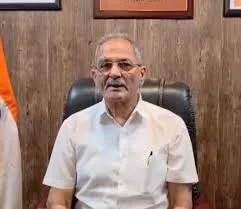
Lieutenant Governor Kavinder Gupta chaired a high-level security review meeting today to discuss the evolving security situation in Ladakh. The meeting aimed to assess and strategize on maintaining peace, safety, and public order in the Union Territory.

The Lt Governor emphasized the need for heightened vigilance and close coordination among various security agencies. He underscored the importance of inter-agency cooperation, stating, “To ensure the safety of the people in Ladakh, we must work together seamlessly. Effective communication and collaboration are essential in addressing any challenges that may arise.”

During the meeting, Gupta urged for proactive measures to address any potential security threats. He highlighted that the security situation must remain stable to foster an environment of trust and safety among residents.

The Lt Governor acknowledged the complexities in security matters within Ladakh, influenced by its unique geographical location and demographic diversity. This necessitates a customized approach for intervention and response aimed at maintaining law and order.

Experts believe that such high-level meetings play a crucial role in reinforcing the overall security framework of the region. Security analyst Dr. Rajesh Singh commented, “In a region like Ladakh, where various socio-political factors at play, it is imperative to have a comprehensive security strategy that adapts to prevailing conditions.”

The meeting concluded with the adoption of specific plans to enhance patrols and monitoring, particularly in sensitive areas that require additional focus. Proper resource allocation and training will also be prioritized to equip personnel better in handling potential disturbances.

Ladakh, a Union Territory since August 2019, has witnessed heightened security measures in response to varied challenges. The local administration’s proactive stance aims to reassure residents while inviting tourists to enjoy the region’s natural beauty.

As security remains a top priority, Lt Governor Kavinder Gupta’s initiatives reflect the ongoing commitment to ensuring the safety and well-being of every citizen in Ladakh. The administration’s readiness to address any challenges ahead will continue to strengthen trust and stability in the region.

Omar Abdullah Conducts Aerial Survey of Flood-Hit Kathua Areas

0

Jammu and Kashmir Chief Minister Omar Abdullah conducted an aerial survey of the flood-affected villages in Kathua district on Thursday, assessing the extent of damage from recent heavy rainfall and flooding.

During the survey, Abdullah interacted with local residents who suffered losses, particularly in the village of Duggain in Billawar, where many houses sustained significant damage. This direct engagement aimed to provide emotional support and gain first-hand insights into the community’s needs during this crisis.

Following the aerial assessment, the chief minister convened a high-level meeting with district administration officials. He emphasized the urgency of delivering relief aid to the affected households, showcasing his administration’s commitment to addressing the immediate needs of the victims.

In a message shared on X (formerly Twitter), Abdullah reiterated the government’s resolve to assist all families impacted by the flood. He stated, “We will ensure that all possible assistance reaches those affected by this natural calamity.” This promise aims to restore hope among residents struggling with the aftermath of the flooding.

In addition to his visit to Kathua, Chief Minister Abdullah plans to travel to the Mahore area of Reasi district to further gauge the situation, where flash floods have wreaked havoc. His commitment to personal involvement in these assessments illustrates a proactive approach to managing disaster recovery in J&K.

Data from the region indicates that the recent monsoon has brought unprecedented rainfall, a significant 150% above average, leading to severe flooding. As the government mobilizes resources, officials note that rural areas experience the most challenges in recovery, primarily due to infrastructure damage.

Experts highlight the importance of timely relief operations, stating that swift action can minimize long-term psychological and economic impacts on affected families. Abdullah’s immediate response aligns with these concerns, reflecting a government focused on compassionate governance.

As the chief minister leads the charge in recovery efforts across flood-affected areas, residents in Kathua and Reasi remain hopeful for swift government action to navigate these challenging times. His aerial survey not only serves as a symbolic gesture but also as a critical step toward an organized recovery framework for Jammu and Kashmir.

Curfew in Ladakh: 50 Detained After Violent Clashes

0

On Thursday, authorities imposed a curfew in Leh, Ladakh, following violent clashes that left four dead and over 89 injured. The unrest began on Wednesday as protestors called for a shutdown to demand statehood and the extension of the Sixth Schedule to Ladakh. Heavy contingents of police and paramilitary forces enforced the curfew after widespread violence erupted in the region.

Protests erupted when the Leh Apex Body (LAB) organized a shutdown to further discussions with the Centre on critical issues including statehood. The situation deteriorated, resulting in arson, vandalism, and violent street battles. Witnesses reported incidents of burning vehicles and the BJP office.

In support of climate activist Sonam Wangchuk, a shutdown occurred in Kargil. Meanwhile, in Leh, the local police detained around 50 individuals involved in the clashes. A police spokesperson stated, “The situation in the curfew-bound areas is well under control, with no incidents reported.”

As per reports, three of the injured citiens are from Nepal. Investigations are underway to uncover possible foreign involvement in the violence.

The LAB and Kargil Democratic Alliance (KDA) have pressed for their demands over the past four years. Officials revealed that the next round of negotiations with the Central government is scheduled for October 6, an important date for stakeholders seeking solutions.

District Magistrate Rakesh Kumar implemented several prohibitory orders in Kargil. These include prohibitions against gatherings of five or more, public demonstrations, and the use of sound amplifying devices without prior permission. The orders intend to maintain public peace during this turbulent period.

Fears escalated when two protestors from the ongoing hunger strike were hospitalized on Tuesday. Following this, the LAB youth wing initiated a call for protests that spiraled out of control. Claiming that the unrest was provoked by misleading statements, the Central government cited a lack of satisfaction among politically motivated individuals regarding progress in talks.

“The government stands committed to fulfilling the aspirations of the people of Ladakh by providing adequate constitutional safeguards,” the home ministry stated late Wednesday. Lt. Governor Kavinder Gupta described the violence as part of a conspiracy, stating, “Curfew has been imposed as a precaution to prevent further casualties.”

During an online conference, Sonam Wangchuk appealed to protesters to halt violence. He emphasized that such actions only serve to jeopardize their cause, saying, “We do not want instability in Ladakh and the country.” Commenting on the situation, he stated, “Today is the saddest day for Ladakh and for me personally… Our previous peaceful efforts seem overshadowed by recent violence.”

The developments in Ladakh highlight the continuing struggle over regional identity and governance, underscoring the need for peaceful dialogue moving forward. While the curfew continues, local authorities remain vigilant, preparing to manage any further unrest.

Seven Buddhist Monks Including Indian Killed in Sri Lanka

0

Seven Buddhist monks, including an Indian national, lost their lives and six others sustained injuries following a cable-operated rail cart accident at the Na Uyana Aranya Senasanaya monastery in northwestern Sri Lanka on Wednesday night. Police confirmed the death toll, indicating that among the deceased monks were representatives from multiple nationalities, including Russia and Romania, marking a tragic event at this well-known meditation site.

The sanctuary, located approximately 125 km from Colombo, is popular with both local and international practitioners seeking tranquility through meditation and spiritual retreats. The cable car incident has garnered widespread attention, as it poses questions about safety protocols within the monastery’s transportation system.

According to police reports, the cable car abruptly overturned, leading to a sudden loss of control. Of the six injured monks, four have been reported in critical condition, requiring immediate medical attention. Witnesses at the scene recounted the chaotic moments that followed the accident, as fellow practitioners rushed to assist the victims.

Local authorities have launched an investigation into the circumstances surrounding this fatal accident, aiming to establish clear accountability and improve safety measures in the future. The unexpected loss of life has prompted an outpouring of grief from the Buddhist community, both in Sri Lanka and abroad.

The incident highlights the potential dangers associated with cable-operated transportation systems, particularly in remote areas such as this monastery. It also emphasizes the necessity for stringent safety regulations to ensure the well-being of monks and visitors alike.

Condolences have emerged from various international organizations, underscoring the global impact of this tragic event. The Sri Lankan government has expressed its sorrow and determination to support the families of the victims during this difficult time.

While the capacity for meditation and spiritual growth attracts many to Na Uyana Aranya Senasanaya, incidents like this remind us of the fragile nature of life. Efforts to investigate and understand the cause of the accident will play a crucial role in preventing future tragedies.

This unfortunate occurrence serves as a wake-up call for proper safety oversight, particularly within places that gather large numbers of people seeking peace. As the community mourns, authorities urge the public to remain patient as investigations continue.

NFJM Inaugurates Press and Media Centre in Jammu

0

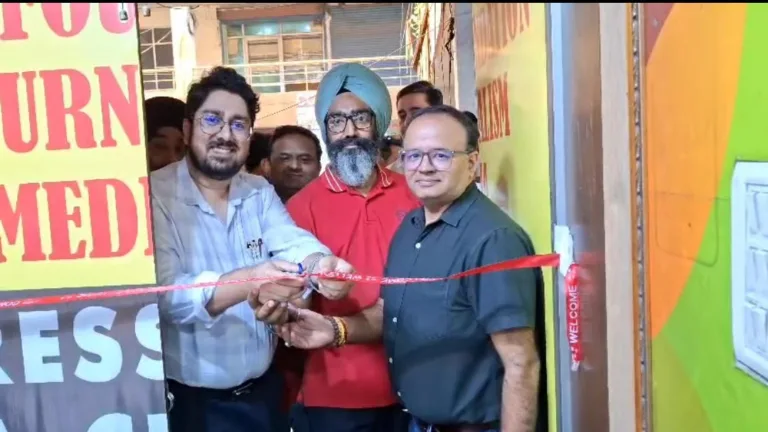
Jammu, September 24: The National Foundation for Journalism & Media (NFJM) has officially inaugurated its first Press & Media Centre at F-1/8C, Trikuta Shopping Complex, B.C. Road, Jammu.

This significant event took place in the presence of esteemed media professionals, journalists, and community members. Dr. Tahir Rufayee, Chairman of NFJM, performed the inaugural ceremony, emphasizing the Centre’s mission and vision.

Dr. Rufayee stated, “This Press & Media Centre will serve as a hub for fair reporting, informed public engagement, and responsible journalism.” He further affirmed NFJM’s commitment to strengthening democratic values through truthful and ethical media practices.

The Press & Media Centre will offer comprehensive facilities for news reporting and publications, press conferences, media briefings, research and analysis, and public engagements. This initiative aims to create a professional environment where journalists and media practitioners can collaborate effectively.

The establishment of this Centre marks a crucial step for NFJM in promoting transparent, accountable, and ethical journalism in Jammu and beyond. As S.Harjeet Singh, the lead behind this initiative, underscores, the Centre aspires to be a catalyst for change within the local media landscape.

With the emergence of digital media and increasing misinformation, the need for a dedicated space promoting ethical journalism has never been more pertinent. Journalists will benefit from a well-equipped location fostering community engagement and media accountability.

Dr. Rufayee highlighted, “We aim to empower journalists with the tools, training, and support they need to uphold the highest standards of integrity in reporting.” This commitment resonates with NFJM’s broader vision of enhancing journalistic standards across India.

The Centre will also offer workshops and seminars aimed at enriching the skills of budding journalists. By providing access to resources and expert guidance, NFJM hopes to inspire a new generation to pursue careers in responsible journalism.

As Jammu continues to grow as a hub for media activity, the opening of the Press & Media Centre signals a promising future for journalism in the region. This facility not only supports seasoned journalists but also welcomes aspiring media talent to engage in meaningful conversations about the future of news reporting.

The NFJM’s investment in this Press & Media Centre reflects its dedication to fostering a robust media ecosystem that adheres to journalistic excellence.

For further information on the activities and services offered at the Press & Media Centre, interested individuals can contact NFJM directly or visit the Centre’s official website.

Pipping Ceremony held at Zonal Police Headquarter Jammu

0

IGP Jammu Zone and DIG JKS Range Decorate Newly Promoted Officers/Officials

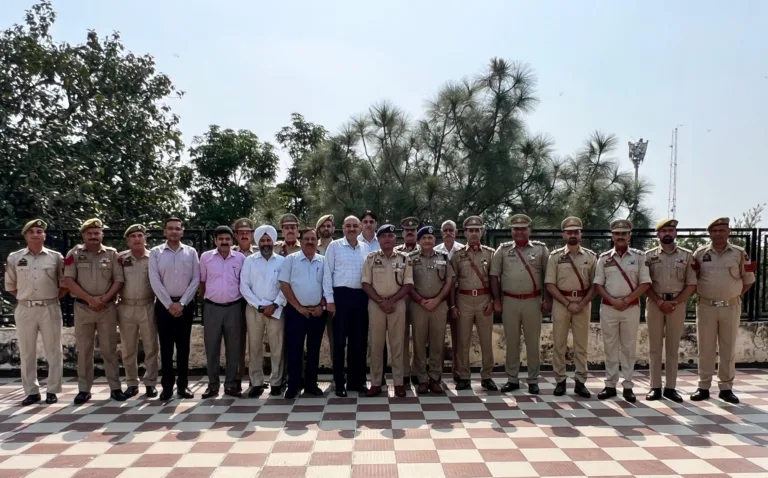
Jammu, September 24, 2025: A solemn Pipping Ceremony was organised today at the Zonal Police Headquarters (ZPHQ) Jammu, where Inspector General of Police, Jammu Zone, Shri Bhim Sen Tuti, IPS, along with Deputy Inspector General, JKS Range, Shri Shiv Kumar Sharma, IPS, decorated the newly promoted officers/officials with their ranks.

2. The occasion marked an important milestone in the professional careers of the promoted personnel, whose service, commitment, and professionalism have been duly acknowledged. Congratulating the officers/officials, the IGP lauded their dedication and underscored that with promotion comes greater responsibility, particularly the need to uphold the highest standards of integrity, discipline, and accountability.

3. The promoted officers/officials expressed gratitude for the recognition and reaffirmed their resolve to serve the department and community with sincerity, diligence, and renewed zeal. The IGP extended best wishes for their future endeavours, highlighting the importance of leadership, teamwork, and professionalism in their enhanced roles.

4. Those who were decorated on the occasion include: Subash Chander, SI (M); Neelam Singh, SI (M); Ajay Kumar, SI (M); Banty Kumar, SI (M); Dilbag Singh, SI (M); Krishan Lal, ASI (M); Davinder Pal, ASI (M); Surinder Kumar, (ASI); Kulbushan Khajuria, HC (M); Sachin Sumbaria, HC (M); Parvinder Lal, HC (M); Rajinder Kumar, HC (M); and Anil Sharma, HC (M).

5. The ceremony was also attended by senior officers including DIG JSK Range; SO to IGP Jammu; CPO ZPHQ Jammu; PS to IGP Jammu; ADO, ZPHQ Jammu; DSP Estates Jammu and Sr. PO, ZPHQ Jammu. The ceremony concluded with a message of inspiration, reminding the promoted personnel to continue upholding the values and traditions of the Police Department, and to discharge their duties with renewed dedication, professionalism, and commitment to public service.

Earthquake Resilience in J&K: Prof. Gupta Meets CM Abdullah

0

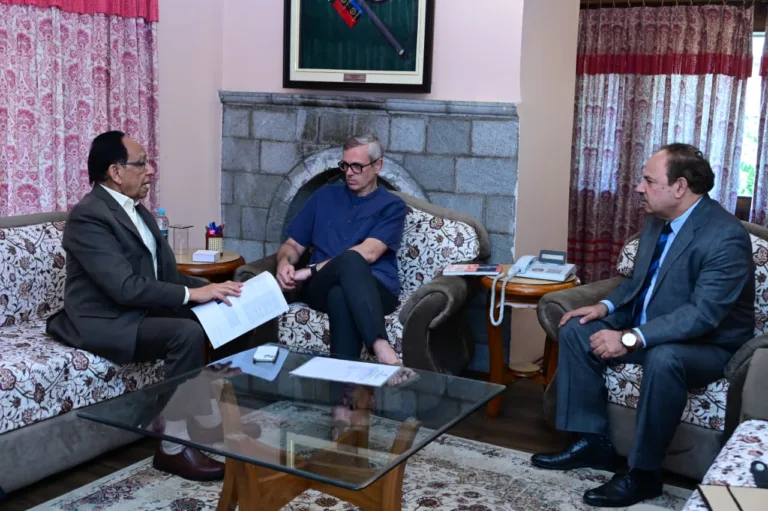
On September 24, renowned Earth Scientist Prof. Harsh K. Gupta met Jammu and Kashmir’s Chief Minister Omar Abdullah at the Public Outreach (Raabita) Office to discuss key measures for enhancing earthquake resilience and disaster preparedness in the region.

Accompanying the chief minister during this crucial meeting were Advisor to the Chief Minister Nasir Aslam Wani, and Prof. Shakil Ahmad Romshoo, Vice-Chancellor of the Islamic University of Science and Technology (IUST). The gathering emphasized the importance of coordinated efforts in mitigating the risks associated with seismic activities in Jammu and Kashmir.

Prof. Gupta, a former member of the National Disaster Management Authority (NDMA) and former Secretary in the Ministry of Earth Sciences, delivered an impactful presentation. He emphasized that developing earthquake-resilient infrastructure is imperative for Kashmir, a region located within the vulnerable Himalayan earthquake belt. His call for action follows a successful model implementing medium-term earthquake forecasting in the northeast Himalayan area.

In his presentation, Prof. Gupta outlined several proactive strategies. One of the key recommendations was the establishment of an “Earthquake Safety Day”. This initiative would serve as a platform to educate school students about earthquake safety and response measures. He emphasized creating simulations of past significant quakes, conducting mega-mock drills, and ensuring strict compliance with earthquake-safe construction practices.

The scientist also advocated for the deployment of Earthquake Early Warning Systems along the Himalayan belt to provide timely alerts and minimize the impact of potential disasters. Such systems reportedly have the potential to significantly enhance safety during seismic events.

Chief Minister Abdullah appreciated Prof. Gupta’s insights and recognized the pressing need for comprehensive disaster preparedness strategies. He assured the scientist that the government remains committed to enhancing earthquake resilience in Jammu and Kashmir. Abdullah confirmed that all suggestions would be integrated into the broader disaster management strategy for the region, prioritizing public safety and infrastructure development.

As Kashmir consistently faces seismic threats, the discussion stressed a unified approach to disaster resilience. Experts believe that immediate action is crucial to safeguard lives and properties as they await the implementation of sound disaster preparedness strategies.

Govt Transfers Two CEOs in Jammu and Kashmir Education Dept

0

The Jammu and Kashmir government announced the transfer and posting of two Chief Education Officers (CEOs) in the School Education Department on Wednesday. The decision aims to streamline operations and boost administrative efficiency in the education sector.

Mohammad Hafiz, who currently serves as the Chief Education Officer (CEO) Doda, will now take over as I/C CEO Rajouri. This change reflects the government’s intention to ensure effective management across the region’s educational institutions.

In a reciprocal move, Iqbal Hussain, the I/C CEO Rajouri, has been transferred to Doda. The reassignment of these officials underscores the government’s commitment to fostering an efficient educational environment for students.

The School Education Department plays a crucial role in shaping the academic landscape for youth in Jammu and Kashmir. Officials believe that fresh leadership can drive progressive changes and revitalize strategies aimed at improving student outcomes.

Both Hafiz and Hussain bring extensive experience to their new roles. Their appointments emphasize a focus on administrative efficiency and enhanced learning conditions amidst ongoing educational challenges.

By implementing these changes, the Jammu and Kashmir government aims not only to reinforce its commitment to quality education but also to address existing infrastructural and administrative hurdles faced by schools. Adjustments in leadership often bring new perspectives, helping adapt to the evolving demands of the educational framework.

As the region navigates various socio-political challenges, enhancing school management through effective leadership becomes critical. The government believes that strategic placements within the School Education Department can positively impact student performance and institutional growth.

The ongoing efforts to revitalize the educational landscape in Jammu and Kashmir demonstrate a proactive approach by the authorities. This aligns with broader goals of ensuring that quality education remains accessible and impactful for all students in the region.