Monday, July 13, 2026
Home Blog Page 115

Terrorists Awaiting Infiltration at LoC; BSF on High Alert

0

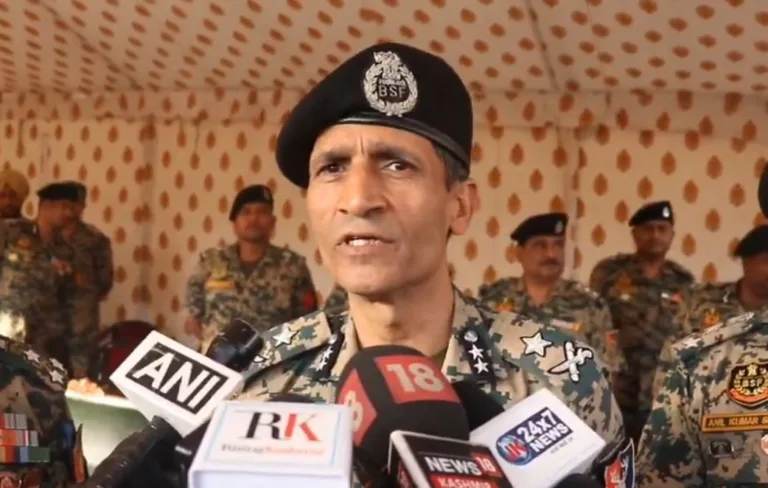
A senior Border Security Force (BSF) officer, Inspector General (IG) Ashok Yadav, revealed on Saturday that terrorists wait at launch pads across the Line of Control (LoC) with intentions to infiltrate the Kashmir valley. The officer emphasized that security forces remain highly alert and prepared to thwart any attempts.

In an address to the media, Yadav pointed out that increased infiltration attempts usually intensify ahead of the winter season. The months leading up to snowfall often see a surge in such activities.

“There are always attempts to infiltrate before snowfall. There are still about two months before that period begins, and terrorists know they have reduced chances for the next six months, hence they try to infiltrate during this time,” he explained. He affirmed the high level of vigilance among security forces, making infiltration exceedingly challenging.

Yadav noted the presence of terrorists at the launch pads across the LoC, particularly in the Bandipora and Kupwara sectors, highlighting their readiness to seize the opportunity for infiltration. “They await the right moment, sometimes under the cover of bad weather, but our security setup remains resilient,” he added.

He explained that the Army and BSF work closely to maintain dominance over the LoC, utilizing advanced surveillance technologies to bolster their efforts. “Alongside the Army, we dominate the LoC effectively. This year, we have successfully thwarted two infiltration attempts already. The heightened alertness of our personnel and the adoption of new methodologies and surveillance equipment make it significantly difficult for terrorists to cross into our area of responsibility,” the IG asserted.

The multifaceted approach involves not only physical patrolling but also employing technological advancements to monitor movements and detect potential threats. BSF’s proactive measures in intelligence gathering and collaboration with other security forces play a critical role in maintaining peace in the region.

Yadav’s statements arrive amidst increased scrutiny over security measures in sensitive areas prone to infiltration. As the winter months draw close, the urgency for preparedness escalates, underscoring the importance of well-coordinated efforts to prevent acts of terrorism.

The vigilant stance of the BSF and Army underscores their commitment to safeguarding the Indian territorial integrity against infiltration attempts. Their readiness serves as a deterrent to those who might exploit gaps in security to threaten peace and stability in the region.

The security forces’ continued vigilance ensures that even with the imminent challenges posed by weather and terrain, the chances of successful infiltrations remain minimal. The BSF and its allies exemplify a strong defense posture through calculated strategies and rapid responses to emerging threats.
Sujada Bashir Hails Opening of 12 Tourist Resorts Urges Inclusion of Drang,Gogaldara, Botapathri, Shranz, Tosamaidan & Doodhpathri

0

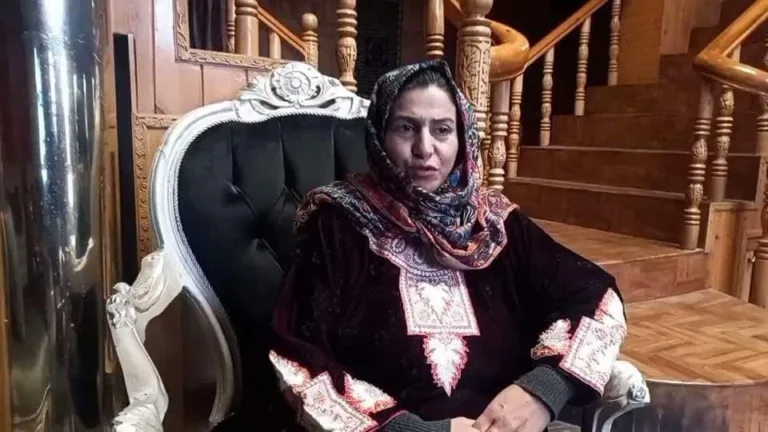
Srinagar-Sept 26:Senior leader of Democratic Progressive Azad Party Sujada Bashir, has warmly welcomed the Lieutenant Governor’s decision to reopen 12 long-closed tourist resorts, describing it as a “historic and long-overdue step” towards revitalizing Jammu & Kashmir’s tourism sector.

While lauding the initiative, Bashir urged the administration to expand the scope and immediately reopen other unexplored and neglected gems such as Drang, Gogaldara, Baderkot, Botapathri, Shranz, Tosamaidan, Doodhpathri, among others.

“Tourism is the backbone of our people’s economy. Limiting access to only a few destinations will not bring the desired impact. Every potential tourist site must be developed and opened to ensure equal opportunities, strengthen local livelihoods, and highlight Kashmir’s unparalleled beauty to the world,” she said.

Bashir further stressed that the government must complement these openings with modern infrastructure, improved road connectivity, and essential amenities to guarantee sustainable growth and year-round visitor engagement.

“It is time to unlock the complete tourism potential of Jammu & Kashmir. Half-measures will not be enough—bold, inclusive, and visionary steps are required now,” she asserted.

Sensex, Nifty Fall Nearly 1% Following Trump’s Tariff Announcement

0

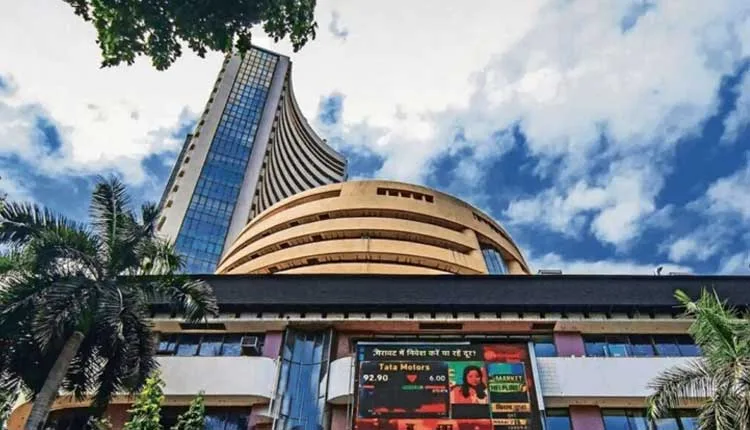
MUMBAI: The benchmark stock indices, Sensex and Nifty, dropped nearly 1% on Friday, marking their sixth consecutive decline due to heavy selling in pharma and IT shares. This downtrend followed US President Donald Trump’s announcement imposing a 100% tariff on pharmaceutical drugs starting next month.

The 30-share BSE Sensex closed 733.22 points lower, or 0.90%, settling at a three-week low of 80,426.46. At one point during the session, it nosedived over 827 points to 80,332.41.

Meanwhile, the 50-share NSE Nifty tumbled 236.15 points, or 0.95%, reaching an over three-week low of 24,654.70. The index has been in decline since September 19, with a reduction exceeding 3% over the past six sessions. The Sensex has fallen by 2,587.50 points, or 3.16%, during the same period.

In terms of market sectors, the BSE Healthcare index dropped by 2.14% as most pharma shares experienced significant declines. Wockhardt shares fell sharply, plummeting 9.4% amid concerns over future profitability due to the tariff announcement.

Trump’s announcement on his preferred social media platform, Truth Social, clearly stated, “Starting October 1st, 2025, we will impose a 100% Tariff on any branded or patented Pharmaceutical Product, unless a Company is building their Pharmaceutical Manufacturing Plant in America.” He clarified that the definition of “building” includes both “breaking ground” or “under construction,” ensuring that no tariffs will be levied if construction has initiated.

Among the notable laggards in the Sensex, Mahindra & Mahindra, Tata Steel, Sun Pharma, and Infosys significantly drove down the index. On the other hand, stocks like Larsen & Toubro, Tata Motors, ITC, and Reliance Industries saw slight upticks, contrasting the overall negative trend.

“Indian equities faced a dramatic decline on Friday following the US’s unexpected tariff announcement. Investor sentiment took a hit from the recent hike in H-1B visa fees, causing panic selling in IT stocks,” stated Ponmudi R, CEO of Enrich Money, an online trading and wealth management firm. He further emphasized that both IT and healthcare sectors significantly affected the broader indices as investors reassessed earnings forecasts and export growth potential amidst increasing tariffs.

Across Asian markets, indices such as South Korea’s Kospi, Japan’s Nikkei 225, Shanghai’s SSE Composite index, and Hong Kong’s Hang Seng faced significant drops, reflecting the widespread concern over the new tariffs.

On the European front, equity markets displayed a contrasting trend, trading positively as US markets closed lower on Thursday, echoing investor discomfort. Additionally, foreign institutional investors (FIIs) offloaded equities worth Rs 4,995.42 crore on Thursday alone, exacerbating the sell-off.

The global oil benchmark, Brent crude, experienced a slight dip of 0.27% to $69.23 a barrel, hinting at potential volatility in energy prices due to global market concerns following the tariff news.

On Thursday, the Sensex had already dropped 555.95 points or 0.68%, closing at 81,159.68, while the Nifty fell by 166.05 points or 0.66% to 24,890.85. These figures underline the challenging environment that both indices face with increasing global tensions and trade barriers.

MiG-21: A Legacy of Pride in Indian Military Aviation

0

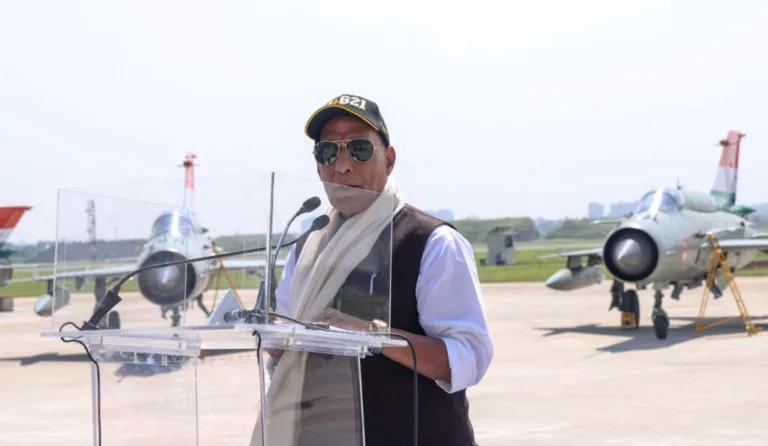
On Friday in Chandigarh, Defence Minister Rajnath Singh remarked that the MiG-21 aircraft, which has served the Indian Air Force (IAF) for over 62 years, represents not just a machine, but a profound symbol of national pride and the enduring bond between India and Russia.

Singh praised the MiG-21, noting its unparalleled journey of more than six decades in safeguarding India’s skies and enhancing the nation’s strategic depth. The defence minister addressed attendees at the decommissioning ceremony for the legendary fighter jet held at the Chandigarh Air Force Station.

The MiG-21 has long stood as a cornerstone of the IAF’s combat fleet, with its final operational sortie marking the closure of an era that began in the 1960s. “The MiG-21 picked up the burden of our nation’s security for decades,” Singh declared, reflecting on its significant contributions to the nation.

He remembered the valor displayed by the armed forces during various operations where the MiG-21 played a crucial role. “As we bid farewell, we also honor a chapter written in golden letters of our military aviation history,” he remarked, evoking the rich legacy of the aircraft.

Over 11,500 MiG-21 aircraft were manufactured globally, with 850 serving in the IAF. This impressive number underscores the aircraft’s enduring popularity, reliability, and multi-dimensional capabilities.

During his speech, Singh recounted the critical moments in which the MiG-21 shaped India’s military stance, including its engagements during the 1971 war with Pakistan, the Kargil conflict in 1999, and the Balakot airstrikes in 2019. He articulated, “From historical missions to modern conflicts, the MiG-21 has consistently raised the national flag high.” Each mission, Singh noted, reinforced the aircraft’s role in defending India’s sovereignty.

Singh emphasized the deep emotional connection that the nation holds with the MiG-21. “It is not merely an aircraft; it is a family member,” he stated, reflecting on the profound bond the IAF and Indian public share with the fighter jet. The minister expressed genuine gratitude while noting that the aircraft not only showcases military strength but also symbolizes cultural respect for machines that have historically protected the nation.

He connected the ceremony with traditions in Indian culture, likening the farewell to ancient rituals that honor both living and non-living entities essential for national security. Asserting strong respect for the aircraft, he said, “This farewell should transcend mere formalities, reflecting our cultural heritage.”

During his address, Singh clarified misconceptions surrounding the age of the MiG-21. He explained that while some variants were 40 years old, many initially inducted in the 1960s and 1970s had long been retired. “The MiG-21s currently in service have been modernized and remain operationally relevant,” Singh affirmed, highlighting that even comparable aircraft in other countries are frequently kept on duty for similar durations.

The MiG-21’s legacy highlights not only the technological prowess of the IAF but also the spirit of resilience that underpins the Indian military. Its operational history is replete with achievements and incidents that shaped the course of India’s defense narrative. Singh’s tribute encapsulated the shared memories and meticulous gratitude of a nation toward a machine that has become synonymous with its airpower.

As India continues to advance its aerospace endeavors, the MiG-21 will forever hold a treasured spot in the hearts of millions—both as an aircraft and as a testament to a nation’s indomitable spirit in the face of challenges.

Govt Cancels FCRA Licence of Sonam Wangchuk’s SECMOL

0

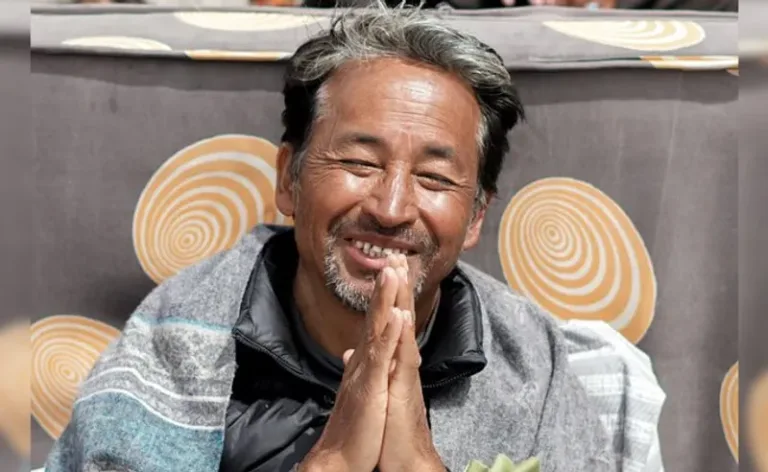
New Delhi, Sep 25: The Union Home Ministry has cancelled the FCRA licence of the Students’ Educational and Cultural Movement of Ladakh (SECMOL), an organization founded by renowned climate activist Sonam Wangchuk, with immediate effect. This decision came after the ministry discovered alleged irregularities in the organisation’s financial practices.

The ministry’s action stems from discrepancies detected in SECMOL’s accounts, notably a controversial fund transfer from Sweden deemed against “national interest.” The order detailed that the ministry had previously issued a show-cause notice to SECMOL regarding these financial irregularities, particularly relating to foreign contributions.

SECMOL, established to promote cultural and educational initiatives in Ladakh, had received approval to accept foreign donations. However, scrutiny of their financial records revealed concerns. Reports indicate that during the fiscal year 2021-22, Wangchuk deposited ₹3.5 lakh into the association’s FCRA account improperly, a move violating Section 17 of the FCRA.

In response to these allegations, SECMOL clarified that this amount stemmed from the sale of an old bus, purchased with funds obtained through FCRA donations. They stated that any proceeds from selling assets acquired via foreign funding should be directed back into the FCRA account.

However, the ministry contested this explanation, citing that the funds were received in cash and therefore not adequately disclosed. The order stated, “an amount of ₹3.35 lakh has been reported by SECMOL as a foreign contribution from Sonam Wangchuk, yet this transaction is absent from the FCRA account, which is a violation of Section 18 of the Act.”

In another alarming discovery, the ministry flagged a transfer of ₹54,600, which SECMOL described as an error in depositing local funds into its FCRA account. Additionally, a sizeable foreign contribution of approx ₹4.93 lakh from Sweden aimed at raising awareness on migration, climate change, and food security is still under investigation.

The Union Home Ministry has rejected SECMOL’s defense arguing that foreign contributions for studies involving national sovereignty violate public interest. As a result, the ministry invoked its powers under Section 14 of the FCRA to promptly revoke SECMOL’s licence.

Following the cancellation, Sonam Wangchuk expressed concerns over the government’s motives, asserting that they are attempting to fabricate allegations against him. Wangchuk, who has led efforts advocating for statehood and constitutional rights for the people of Ladakh, warned of potential personal repercussions.

“I see they are building up a case to bring me under the Public Safety Act and throw me in jail for two years,” Wangchuk stated in a recent interview. “I am ready for that, but Sonam Wangchuk in jail may cause them more problems than a free Sonam Wangchuk,” he added.

This situation raises significant questions regarding the intersection of activism, funding, and national interests in India’s socio-political landscape. With international scrutiny on NGOs and their funding sources, the case of SECMOL highlights the evolving challenges faced by non-profits operating under foreign contribution regulations.

Govt Report Reveals One-Third of Children Have High Triglycerides

0

NEW DELHI: A disturbing report released by the Ministry of Statistics and Programme Implementation indicates that over a third of India’s children aged 5 to 9 years could have high triglycerides. The prevalence rates emerge from statistical analyses conducted through various health surveys and highlight regions such as Jammu and Kashmir, West Bengal, and northeastern states as having the highest incidence of this health risk.

Statistics show a staggering 67.2% of children in West Bengal are projected to have elevated triglycerides levels. Similarly, Sikkim reports around 64% of its children affected, accompanied by 55% in Nagaland, 57% in Assam, and 50% in Jammu and Kashmir. These findings raise significant concerns about the long-term health implications for a significant portion of the child population, as high triglycerides can increase the risk of heart disease in adulthood.

In contrast, Kerala and Maharashtra stand out as states with lower prevalence rates. Here, just 16.6% of children in Kerala and 19.1% in Maharashtra were reported to have elevated triglyceride levels. This stark difference underscores the need for targeted public health initiatives in areas with higher risks.

The report, titled ‘Children in India 2025,’ is the fourth edition of the series since its inception in 2008. It was unveiled during the 29th Conference of Central and State Statistical Organisations (CoCSSO) held in Chandigarh on September 25. The ministry described the report as providing “a comprehensive and detailed analysis of the well-being of children in the country.”

To compile the data for this report, officials utilized information gathered from various governmental health surveys, including the National Family Health Survey 2019-21 and Comprehensive National Nutrition Survey 2016-18. This rigorous data collection highlights critical areas of concern regarding the health and well-being of children across India.

Moreover, the findings extend beyond triglyceride levels. The report identifies prematurity and low birth weight as major causes of infant mortality within the first 29 days of life, with a national prevalence of approximately 48%. Additionally, birth asphyxia and trauma during birth, along with pneumonia, rank as the second and third leading causes with prevalence rates of 16% and 9%, respectively. These aspects underline the necessity for enhanced maternal and infant healthcare services.

As the report further explores adolescent health, it classifies around 5% of the teenage population in India as hypertensive. The highest rates of hypertension appear in Delhi (10%), followed closely by Uttar Pradesh (8.6%), Manipur (8.3%), and Chhattisgarh (7%). Worryingly, over 16% of adolescents also exhibit high triglyceride levels, indicating a growing trend of non-communicable diseases among the youth.

Apart from health statistics, the report delves into education statistics, revealing that approximately 63.1% of India’s children and adolescents are literate. For those aged seven and above, the literacy rate climbs to 73.1%. Notably, literacy rates vary across genders; over 80% of boys aged 7-9 are literate, while 81.2% of girls in the same age group also achieve literacy.

This comprehensive report not only sheds light on alarming health metrics related to high triglycerides in children but also highlights broader issues of education and physical well-being that call for urgent governmental attention and resource allocation.

Ladakh Unrest: Curfew Continues in Leh Amid Protests

0

Curfew continues in Leh, Ladakh, for the third straight day as the region faces unrest following protests for statehood and constitutional protections. The Union Home Ministry held meetings to evaluate security on Friday.

No incidents of violence reported in the town, where the curfew was first imposed on Wednesday evening, after widespread protests resulted in four fatalities and over ninety injuries. The Leh Apex Body (LAB) initiated these protests demanding that Ladakh receives statehood and be included under the Sixth Schedule of the Constitution, which offers greater autonomy.

Despite the ongoing restrictions, authorities noted that the situation in Ladakh remains largely calm. They indicated plans to potentially relax curfew measures later in the day to facilitate essential activities. However, police and paramilitary forces maintain a strong presence to uphold law and order and prevent unrest.

Over fifty individuals are in detention due to their involvement in the protests, which have caused significant disruption in the region. District Magistrate Leh, Romil Singh, has ordered the closure of all government and private educational institutions for two days, underscoring the seriousness of the situation.

A high-level contingent from the Ministry of Home Affairs arrived in Leh on Thursday to assess the developments. Local authorities and officials aim to ensure peace and stability continue as the community seeks resolution.

Lieutenant Governor of Ladakh, Kavinder Gupta, emphasized the need for peace, stating, “The videos being circulated are deliberate attempts to disturb peace in Ladakh. We cannot allow the future of our youth to be compromised. Any such incidents will be dealt with under a zero-tolerance policy.” This highlights the government’s commitment to maintaining order and addressing public grievances appropriately.

The unrest in Ladakh reflects long-standing demands from local groups regarding greater autonomy and recognition. As the situation evolves, authorities strive to balance security with the community’s aspirations for self-determination.

Congress Urges Government to Address Ladakh’s Aspirations Promptly

0

The Congress party emphasized the urgent need for the Indian government to fulfill the legitimate aspirations of the people of Ladakh in the wake of violent protests demanding statehood. This statement came after disturbances on Wednesday resulted in four fatalities and over 90 injuries.

Congress general secretary in-charge communications, Jairam Ramesh, articulated the sentiments of the people, noting that their expectations have dimmed significantly since the Union Territory of Ladakh was formed six years ago. “There has been massive disappointment and disenchantment among the people,” stated Ramesh.

In his remarks on social media platform X, Ramesh underscored that the local populace faces serious threats to their land and employment rights. He criticized the government’s top-down approach, wherein local administration and elected bodies have fallen under the control of the Lieutenant Governor and bureaucratic entities.

He pointed out that while there have been numerous meetings concerning their legitimate demands, including requests for protections under the Sixth Schedule of the Constitution and an elected legislature, no tangible action has followed. The need for a robust governmental commitment has never been more critical.

Furthermore, Ramesh raised concerns regarding the national security implications resulting from China’s actions and Prime Minister Narendra Modi’s response to those actions. “There is great uncertainty caused by China’s unilateral abrogation of the status quo on the Line of Actual Control,” he remarked.

Ladakh holds profound cultural, economic, ecological, and strategic significance for India. Ramesh reiterated the patriotic spirit of Ladakh’s residents, stating, “The people of Ladakh have, at all times, been proud Indians to their very core.” He urged the central government to act decisively to address their needs and aspirations.

After the protests turned violent, an uneasy calm returned to Ladakh as police and paramilitary forces imposed a strict curfew in Leh. Authorities reported detaining at least 50 individuals in connection with the unrest that ensued during the shutdown organized by the Leh Apex Body, which advocated for extending constitutional protections and statehood for Ladakh.

In conclusion, the Congress party’s demand for immediate action from the government reflects the growing frustrations of the people of Ladakh. As protests persist and the situation develops, it remains vital for the government to prioritize the voices and concerns of this significant region.

LG Manoj Sinha Chairs UHQ Security Meeting Today at Raj Bhavan

0

Lieutenant Governor Manoj Sinha will chair a crucial Unified Headquarters (UHQ) meeting at Raj Bhavan in Jammu today. The meeting is scheduled to begin at 11 am, where key security and intelligence officials will convene to address vital issues concerning the region.

The UHQ operates as the high command for security and intelligence matters in Jammu and Kashmir. Today’s discussions will focus on enhancing winter preparedness amid rising tensions along the Line of Control (LoC) due to recent escalations from Pakistan.

According to sources, LG Sinha will receive comprehensive briefings from senior officials on the current security landscape in Jammu and Kashmir. They will cover various aspects, including the existing situation at the LoC and international borders.

This meeting will feature prominent military and local leadership, including Army’s Northern Commander, Lieutenant General Prateek Sharma, Jammu and Kashmir Director General of Police Nalin Prabhat, Chief Secretary Atal Duloo, along with heads of paramilitary forces and intelligence agencies. Their collective insights will be critical for shaping the operational strategies of security forces in the region.

Notably, this is not Sinha’s first UHQ meeting this year. Previously, he chaired a meeting in May following the successful ‘Operation Sindoor,’ which aimed at enhancing security measures in J&K. During that meeting, he emphasized the need for “precise, intelligence-led operations” to neutralize terrorists and dismantle their supporting networks.

As the winter season approaches, addressing the preparedness of security operations becomes imperative. Logistical support, including operational strategy to ensure public safety and secure borders, remains a primary concern, especially given the recent uptick in cross-border infiltration attempts.

The UHQ meeting aligns with the ongoing efforts by the Union Territory administration to fortify security arrangements and maintain peace in Jammu and Kashmir. As the government tackles the challenges posed by external threats, the input from high-ranking officials becomes crucial to adapt and strategize effectively.

With a focus on enhancing coordination between different agencies, this meeting aims to reassure residents about their safety and stability in the region. Lieutenant Governor Sinha continues to prioritize a proactive approach to security, considering both immediate and longer-term implications.

Ladakh LG Reviews Security Situation After Clashes, Urges Vigilance

0

A day after four people lost their lives and 90 others suffered injuries during clashes in Ladakh, Lieutenant Governor Kavinder Gupta convened a high-level security review meeting in Leh on Thursday. He called for heightened vigilance and unity among citizens to uphold peace.

Gupta emphasized, “Peace and harmony are the foundation of Ladakh’s identity. Together, we must protect this legacy and ensure the safety and security of every citizen.” His remarks came in response to the unrest triggered by a shutdown initiated by the Leh Apex Body (LAB), aiming to expedite discussions with the Centre about the extension of the Sixth Schedule of the Constitution and statehood for Ladakh.

The LG’s meeting included key officials like Chief Secretary Pawan Kotwal, DGP S D Singh Jamwal, and senior army representatives, with a focus on assessing the local security environment. The LG office reiterated the need for seamless inter-agency coordination and proactive measures to maintain public order across the Union Territory.

Addressing the attendees, Gupta outlined the administration’s primary objective: prioritizing citizen safety and well-being. He instructed officials to remain vigilant and develop a robust mechanism for continuous monitoring of the situation on the ground, according to a Raj Bhavan spokesman.

Gupta stressed the importance of collaboration between civil and security agencies in responding swiftly to any challenges faced by the region. He called for improved intelligence-gathering operations and urged community engagement in sustaining harmony within the population.

“Ladakh has always been renowned for its peace, harmony, and brotherhood. However, certain anti-social elements aim to disrupt this atmosphere. I urge the populace not to succumb to such attempts. We must maintain peace at all costs,” Gupta stated emphatically.

The Lieutenant Governor also reflected on the developmental strides Ladakh has taken since becoming a Union Territory in 2019 under the leadership of Prime Minister Narendra Modi. He declared, “Our focus is on building a prosperous, peaceful, and developed Ladakh. No disruptive force will be permitted to derail this progress.”

In a call for restraint, Gupta encouraged local residents to avoid violence while assuring them of full governmental support. “The government stands firmly with the people of Ladakh. Every life is precious and we are ensuring the best possible medical care for those injured,” he added.

Regarding the emergency medical response to Wednesday’s violence, Gupta provided detailed information. A total of 90 individuals received treatment at SNM Hospital in Leh, where three were brought dead and one pronounced dead on arrival. Out of the injured, seven faced critical injuries, 20 had major trauma, while 61 sustained minor injuries.

Gupta noted that 50 patients were discharged on the same day, while seven underwent major surgeries, and 45 blood transfusions were carried out to manage the medical crisis. He confirmed that a critically injured patient was airlifted to New Delhi for advanced treatment via an Indian Air Force aircraft.

Currently, 18 patients remain hospitalized, with 11 discharged today. The families of the deceased have received their loved ones’ bodies after all legalities were observed. Gupta’s proactive administrative moves focus on ensuring that those affected receive utmost care and assistance.

Following directives from the LG, the deputy commissioner of Leh visited SNM Hospital to check on the injured and confirm that all necessary help is being provided.