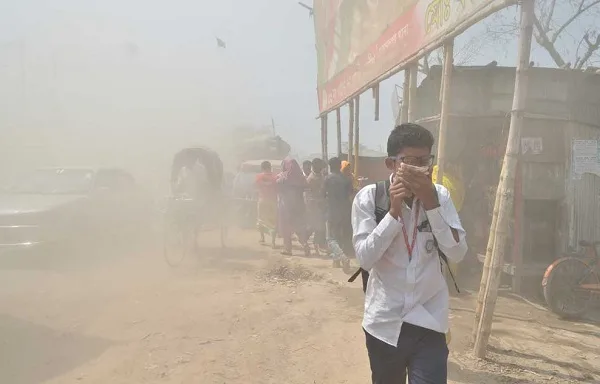
New Delhi, Jun 19 – According to a report released on Wednesday by the Health Effects Institute (HEI), air pollution was responsible for 8.1 million deaths worldwide in 2021, with India and China recording 2.1 million and 2.3 million fatalities, respectively.
The report highlighted that air pollution led to the deaths of 1,69,400 children under the age of five in India alone in 2021. Nigeria followed with 1,14,100 child deaths, Pakistan with 68,100, Ethiopia with 31,100, and Bangladesh with 19,100.
In South Asia, air pollution emerged as the leading risk factor for deaths, surpassing high blood pressure, diet-related issues, and tobacco use. The report noted a significant increase in deaths linked to air pollution compared to previous years.
India and China together accounted for 54 percent of the total global disease burden attributed to air pollution. Other countries severely affected include Pakistan (2,56,000 deaths), Bangladesh (2,36,300), Myanmar (1,01,600), Indonesia (2,21,600), Vietnam (99,700), the Philippines (98,209), Nigeria (2,06,700), and Egypt (1,16,500).
The study attributed more than 90 percent of these deaths to PM2.5 air pollution, which includes both ambient PM2.5 and household air pollution. PM2.5 particles, due to their small size, penetrate deep into the lungs and bloodstream, leading to various health issues such as heart disease, stroke, diabetes, lung cancer, and chronic obstructive pulmonary disease (COPD).
HEI President Elena Craft emphasized the urgent need for improving air quality globally, stating that reducing air pollution is crucial for enhancing public health and is feasible with concerted efforts.
Pallavi Pant, HEI’s Head of Global Health, underscored the disproportionate impact of air pollution on vulnerable populations and urged policymakers to prioritize air quality in health policies and disease prevention programs.
The report serves as a call to action for countries to address air pollution as a critical health risk factor and implement policies aimed at reducing emissions and improving air quality standards.