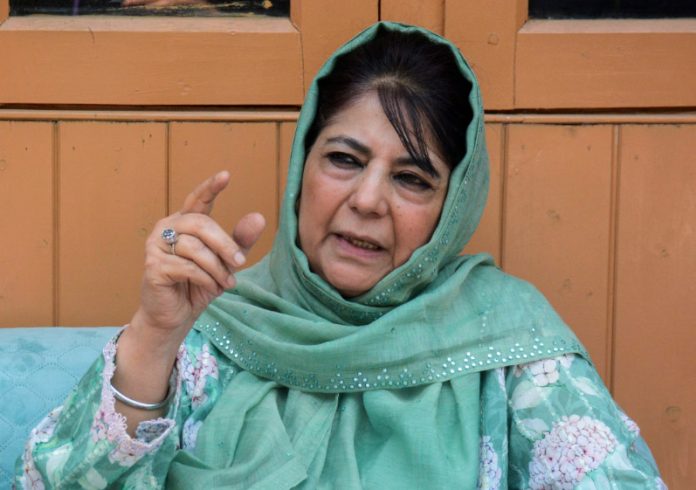
SRINAGAR, May 6: People’s Democratic Party (PDP) president Mehbooba Mufti criticized the National Conference (NC) on Wednesday for utilizing religious scripture to shift focus away from its governance failures. Mufti condemned the ruling party’s methods, asserting that their actions stem from desperation and disillusionment among the populace.
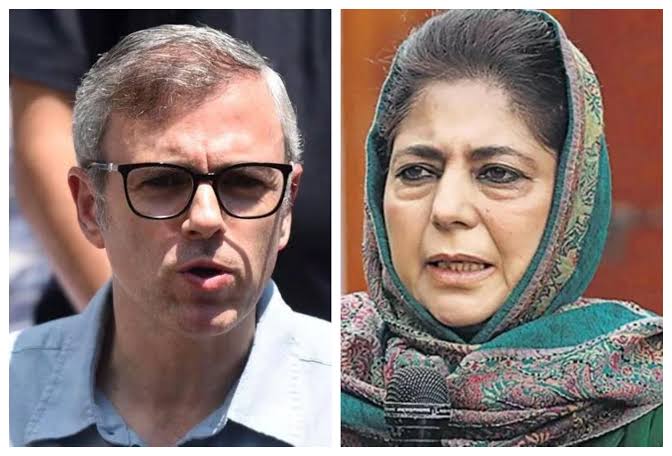
At a press conference in Srinagar, Mufti addressed NC’s chief spokesman Tanvir Sadiq and MLA Zadibal, who demanded she swear by the Quran, claiming her party supported the BJP in the Rajya Sabha polls last year. “For God’s sake, do not drag Quran into politics,” Mufti urged. “They are doing this to hide their failures over the past two years in government. People are disheartened with them,” she added.
Mufti’s comments follow a Right to Information (RTI) response indicating that the PDP did not appoint a chief agent for the Rajya Sabha elections held in October last year. This revelation fueled the NC’s allegations that three PDP MLAs had voted for the BJP in those elections.
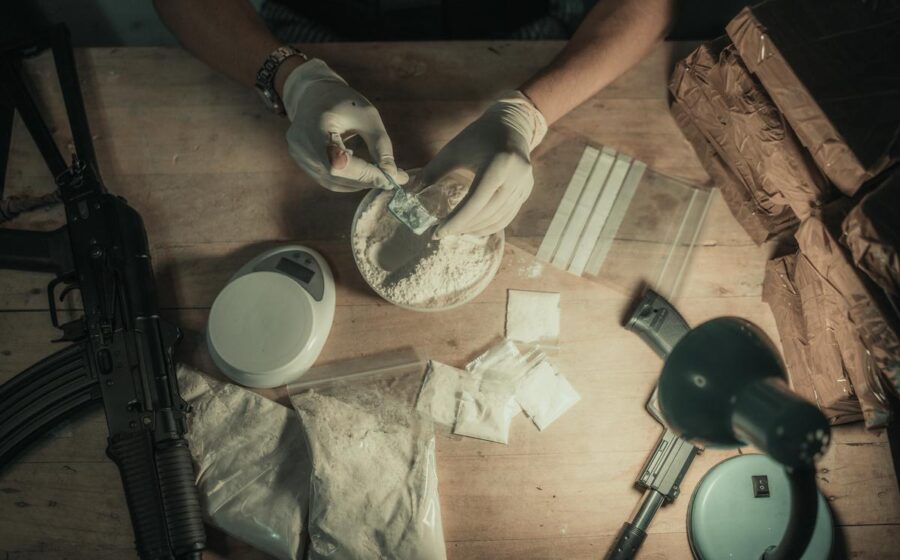
Mehbooba Mufti emphasized the pressing issues the state faces, stating, “Houses are being demolished under the pretext of fighting drugs. Earlier, the same tactic was employed to combat terrorism.” She expressed concern over the plight of employees being dismissed unexpectedly and highlighted the struggles of students who excel through open merit.
“This government has become a mute spectator to the distressing conditions of our people,” Mufti lamented. She reinforced that while her party welcomes political competition, it should not invoke religious texts to make its case. “They should keep religious scriptures out of political disputes,” she firmly stated.
The former chief minister’s statements resonate with citizens feeling the brunt of inadequate governance and her call for a more ethical approach to political discourse underscores the divisive tactics of current political strategies.
As the political landscape in Jammu and Kashmir continues to evolve, Mehbooba Mufti’s remarks elevate discussions surrounding the ethical responsibilities of political parties amidst growing public scrutiny.