Monday, July 13, 2026
Home Blog Page 98

Delhi Blast Deemed Terror Attack; Government Vows Justice

0

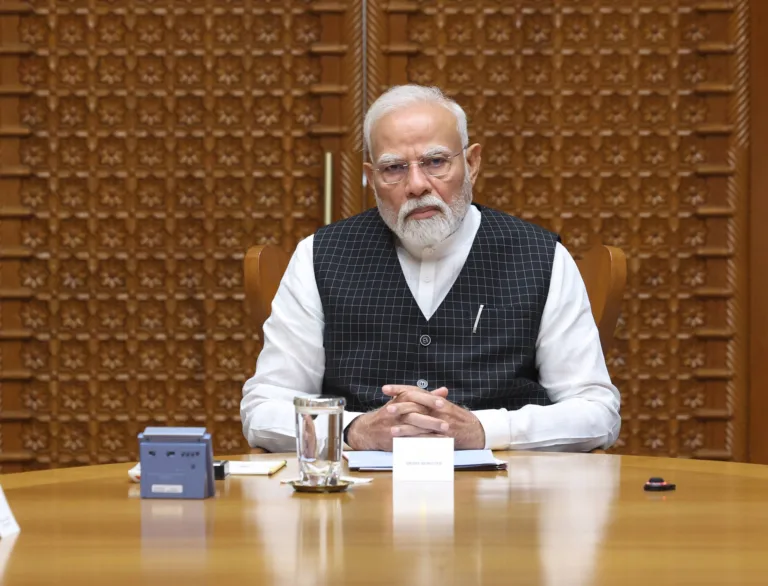
The Union Cabinet condemned the November 10 car explosion near Delhi’s Red Fort, categorizing it as a “heinous terrorist incident” and pledging to bring the perpetrators and their collaborators to justice. The meeting, chaired by Prime Minister Narendra Modi, emphasized the government’s unwavering commitment to national security.

The Cabinet expressed profound grief over the loss of innocent lives during the attack. In remembrance of the victims, members observed two minutes of silence. Union Minister, Ashwini Vaishnaw, remarked on the unfortunate event, stating, “The country has witnessed a heinous terrorist incident perpetrated by anti-national forces through a car explosion near Red Fort on November 10.”

Extending heartfelt condolences to the families mourning their loved ones, the Cabinet also wished a speedy recovery to those injured in the attack. It recognized the swift actions of medical teams and emergency responders who provided immediate assistance amidst chaos.

Labeling the explosion a “dastardly and cowardly act,” the government reaffirmed its zero-tolerance stance towards terrorism in all forms. This position resonates deeply as India stands united against acts threatening its sovereignty and safety.

The Cabinet also acknowledged the supportive messages of solidarity received from governments around the world, showcasing international unity against terrorism. Security agencies and citizens deserve commendation for their timely and coordinated response, which reinforces the collective resolve to combat terror.

The government stated, “We are monitoring the situation at the highest levels,” indicating a focused approach to security amidst the aftermath of this attack. Investigators are mandated to pursue the case with “utmost urgency and professionalism,” signaling strict measures against such acts of violence.

In closing, the resolution reiterated the government’s steadfast commitment to safeguarding citizens’ lives and maintaining national security. “We will not rest until justice is served,” it concluded, reiterating the assurance to uphold the safety and well-being of all Indians.
Srinagar Records Coldest Night at -2.1°C This Winter

0

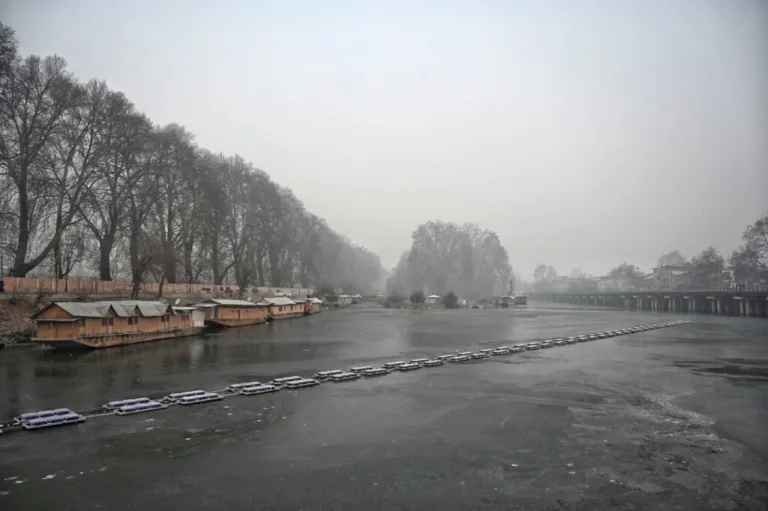
Srinagar, the summer capital of Jammu and Kashmir, recorded a chilling temperature of minus 2.1°C last night, marking the coldest night this winter, as stated by the Meteorological Department (MeT). The drop in temperature signals the onset of harsh winter conditions across the region.

Data from the MeT revealed that Pahalgam experienced even colder conditions, settling at minus 3.8°C, highlighting the frigid climate gripping the Kashmir Valley. The cold snap comes as a stark reminder of the region’s intense winter weather, impacting daily life for residents.

Dr. Mukhtar Ahmad, Director of MeT, confirmed that there is no forecast of any wet spell for at least the next week, and night temperatures are likely to remain stable until November 17. He noted, however, that a slight improvement in night temperatures could occur after that date, lasting for two to three days.

The plummeting mercury has caused parts of Srinagar and surrounding areas to witness frost formation during early morning hours. Residents have started preparing for the harsh winter months ahead, as such temperatures signify the inevitable challenges of the season.

This persistent cold weather presents challenges to agriculture, transportation, and daily routines. The government advises residents to take necessary precautions to stay warm and safe during these freezing temperatures.

With the cold snap already in full swing, residents of Srinagar brace for the upcoming winter months. This season’s extreme weather patterns also raise concerns regarding the effects of climate change on the traditional climate norms of the region.

As winter progresses, the community is reminded to stay informed through updates from the MeT. Local inhabitants are encouraged to prepare for potential disruptions caused by severe weather conditions, especially as temperatures continue to fluctuate.

Red Fort Blast: DNA Test Confirms Umar Nabi Was Driving Car That Exploded, Say Police Sources

0

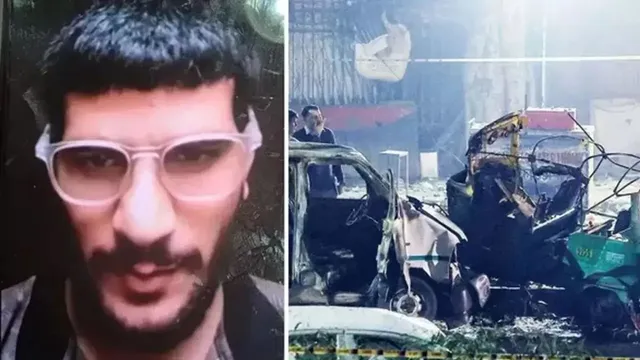
The DNA test of samples collected from the Red Fort blast site has confirmed that Dr Umar Nabi was driving the car that exploded there early this week, police sources said Thursday.

The DNA samples of Umar’s mother were collected on Tuesday and sent here for examination, the sources said, adding that they were analysed along with the remains gathered from the blast site.

“The DNA results confirm that it was indeed Umar who was driving the fateful vehicle,” said a source.

Umar was a key member of a “white collar” terror module busted earlier this week. He hails from Koil village in Jammu and Kashmir’s Pulwama.

Hours after police busted the terror module with links to proscribed Jaish-e-Mohammed and Ansar Ghazwat-ul-Hind, and arrested eight people including three doctors, the high-intensity blast ripped through a slow-moving car near Delhi”s Red Fort area on Monday evening.

Around 3,000 kilograms of ammonium nitrate, potassium chlorate and sulphur were seized after police busted the terror module, which spanned across Jammu and Kashmir, Haryana and Uttar Pradesh

NIA Conducts Searches Across 5 States In Al Qaida Gujarat Terror Conspiracy Case

0

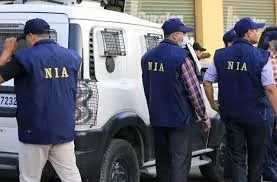
The National Investigation Agency (NIA) has conducted searches at 10 locations across five states in an Al Qaida Gujarat terror conspiracy case allegedly involving illegal Bangladeshi immigrants, officials said on Thursday.

NIA teams conducted searches at premises on Wednesday linked with various suspects and their associates in West Bengal, Tripura, Meghalaya, Haryana and Gujarat, an agency spokesperson said in a statement.

The official said several digital devices and documents were seized that have been sent for forensic analysis.

The case was registered in 2023 and centres around four Bangladeshi nationals — Mohd. Sojibmiyan, Munna Khalid Ansari, Azarul Islam, and Abdul Latif — had illegally infiltrated into India from Bangladesh using forged Indian identity documents, the NIA alleged.

“They were found to be connected with the proscribed Al-Qaida terrorist organisation. The men were involved in collection and transfer of funds to Al Qaida operatives in Bangladesh, and were also found to be actively motivating Muslim youth,” the statement said.

The NIA had filed a charge sheet on November 10, 2023 in a Ahmedabad Special Court. (Agencies)

CIK Raids Underway At 13 Locations Across Kashmir Linked To Jaish-e-Muhammad, Delhi Blast Case

0

The Counter Intelligence Kashmir (CIK) on Thursday launched simultaneous raids at 13 locations across the Kashmir valley in connection with the ongoing investigation into the Srinagar Jaish-e-Muhammad conspiracy and the recent Delhi bomb blast case, officials said.

Official sources said, the searches are being carried out based on intelligence inputs gathered by the J&K CID as part of a larger probe into the network suspected of facilitating the Red Fort blast earlier this week.

Several teams of CIK personnel are conducting the raids in coordination with local police and other security agencies. The searches are focused on premises of individuals allegedly linked with the proscribed outfit Jaish-e-Muhammad.

Sources said, The raids are part of intensified efforts to dismantle terror modules operating between Kashmir and other parts of the country. –(KNC)

J&K Pickleball Team Launches Official Jersey Ahead of IPA Nationals

0

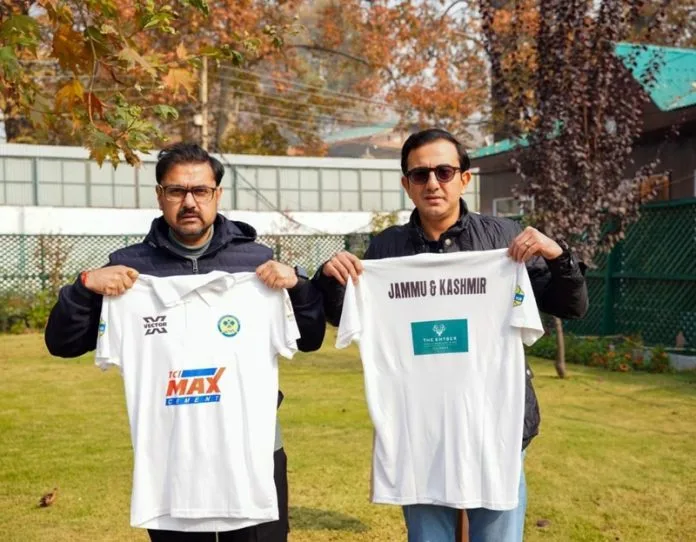
In a significant boost for pickleball in Jammu and Kashmir, the official jersey of the J&K Pickleball Team was unveiled today by the Minister for Youth Services & Sports, Satish Sharma. This event precedes the highly anticipated IPA Pickleball Nationals 2025, scheduled to take place in Bengaluru.

Minister Sharma conveyed his best wishes to the athletes representing the Union Territory. He expressed pride in the growing enthusiasm of J&K’s youth for participating in emerging sports disciplines. He praised the J&K Pickleball Association for its committed efforts in expanding the sport’s reach across districts and fostering a robust sporting culture in the region.

“The rise of pickleball in Jammu & Kashmir clearly highlights our youth’s eagerness to embrace new avenues of sports and fitness. The Government is dedicated to supporting initiatives that promote healthy lifestyles, recognize talent, and enhance sporting excellence,” remarked the Minister.

This jersey launch represents a pivotal moment in developing sports infrastructure and creating further opportunities for young athletes in the Union Territory. It aligns with the government’s broader vision of establishing J&K as a hub of sporting excellence.

The Jammu & Kashmir Pickleball Association has been instrumental in popularising pickleball. It has established dedicated playing venues and hosted numerous tournaments, thus encouraging participation from players of various age groups and backgrounds. This expansion reflects a community increasingly engaged with the sport.

The Government’s backing, alongside grassroots initiatives, aims to cultivate a vibrant sports ecosystem in Jammu and Kashmir. The focus on sports like pickleball not only nurtures talent but also empowers the youth, paving the way for a healthier future.

As excitement builds for the IPA Nationals, the J&K Pickleball Team looks poised to make a strong impression at the event. With the officially unveiled jersey, the team is prepared to showcase their skills and contribute to the growth of the sport on a national level.

Sheikh Hasina: Return to Bangladesh Depends on Democracy Restoration

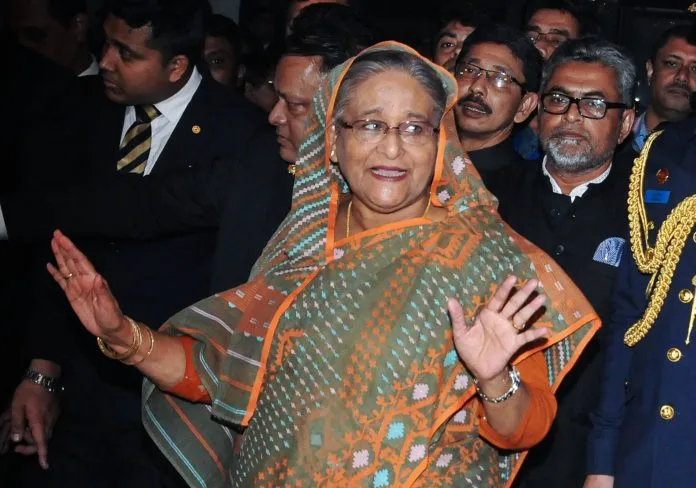
Former Bangladesh Prime Minister Sheikh Hasina declared her return to the nation depends on restoring participatory democracy, lifting the ban on her party, the Awami League, and ensuring free, fair elections. In a recent exclusive email interview with PTI from an undisclosed location in India, Hasina expressed concern over the unelected Yunus-led interim administration and its impact on India-Bangladesh relations.

“I am immensely grateful to the Indian government and its people for their kind hospitality,” she stated, acknowledging India’s support during her time of distress. Hasina has stayed in India since fleeing her country on August 5, 2024, in the wake of violent protests that led to her resignation.

Hasina emphasized that her return is contingent on the restoration of democracy, highlighting the necessity for the interim government to rescind the ban on the Awami League. She noted, “The most important condition for my return to Bangladesh is the same condition that the Bangladeshi people require: a return to participatory democracy.” Her insistence stems from the belief that any election excluding her party would lack legitimacy and fail to represent the will of the citizens.

During the chaotic months leading to her departure, she acknowledged government missteps in managing protests, stating, “Obviously, we lost control of the situation and that was regrettable.” She attributed the unrest to what she called “seasoned political firebrands masquerading as student leaders,” who exacerbated tensions during that period.

Addressing the upcoming elections scheduled for February 2025, Hasina rejected allegations of calling for a boycott and asserted the need for her party’s participation to establish a legitimate government. “Tens of millions of people support us… It would be a huge missed opportunity for a country that badly needs a government with genuine consent of the people,” she insisted.

Hasina’s critique of Dr. Muhammad Yunus, the interim leader, was sharp and unequivocal. She accused Yunus of weakening Bangladesh’s strategic partnership with India through his alleged hostility. “Yunus’ hostility to India is foolish and self-defeating… He is unelected, chaotic, and dependent on extremist forces,” she stated, cautioning that his diplomatic blunders could jeopardize bilateral ties further.

Through her remarks, Hasina sought to reassure Indian citizens that the interim government does not reflect the sentiments of the Bangladeshi populace. She affirmed, “India is and will remain our nation’s most important friend,” emphasizing the need for solidarity amid political challenges.

In a dramatic turn, Hasina offered to stand trial under international supervision, including at the International Criminal Court if necessary, positioning herself as a leader willing to face scrutiny. She criticized Yunus for evading accountability, asserting that an impartial tribunal would likely result in her exoneration.

Moreover, she dismissed the Bangladesh International Crimes Tribunal, which has sought severe penalties against her, labeling it a “kangaroo tribunal” aimed at politically extinguishing her party and influence. She expressed, “They want to eliminate us as political forces. The fact that they would use the death penalty to silence opponents shows how little respect they have for democracy or due process.”

Finally, Hasina noted that while Yunus may have initially garnered support from some Western liberals, that backing was waning as they observed his government placing radicals in prominent positions, discriminating against minorities, and undermining constitutional frameworks.

Supreme Court Refers Direct Anticipatory Bail Pleas to Three-Judge Bench

0

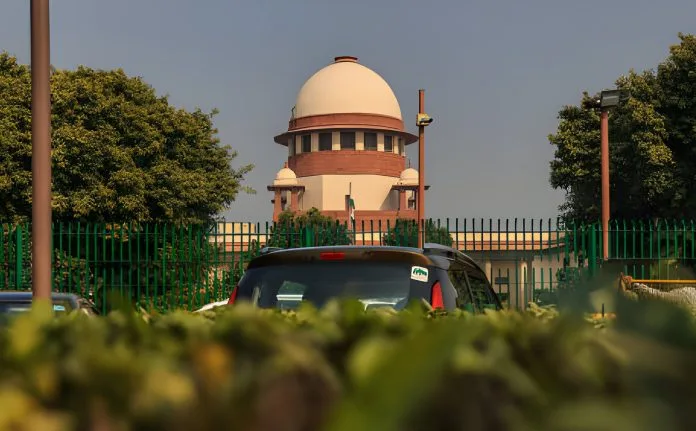
The Supreme Court of India on Wednesday referred the vital question of whether litigants can directly approach high courts for anticipatory bail to a three-judge bench. The court’s decision came amidst concerns over legal procedural norms, particularly in cases involving anticipatory bail applications.

A bench consisting of Justices Vikram Nath and Sandeep Mehta stated, “This matter requires to be heard by a three-judge bench.” They directed the case to be listed before a larger bench once it is constituted, signifying the importance of this issue.

This deliberation follows an earlier appointment of senior advocate Siddharth Luthra as amicus curiae to provide assistance on the matter, underscoring the complexity and significance of the legal questions involved.

Kerala High Court’s Practice Under Scrutiny

The Supreme Court expressed particular concern regarding the “regular practice” observed in the Kerala High Court, where litigants repeatedly file anticipatory bail applications directly without first approaching the sessions court. “One issue that is bothering us is that in the Kerala High Court, anticipatory bail applications are regularly entertained directly. Why is that so?” the bench inquired during the proceedings.

In reviewing the relevant legal framework, including provisions from the old Code of Criminal Procedure and the newly enacted Bharatiya Nagarik Suraksha Sanhita (BNSS), 2023, justices noted that a structured hierarchy exists for managing bail applications, raising questions about the legality of bypassing the sessions court.

“It doesn’t happen in any other state. Only in the Kerala High Court… applications for anticipatory bail are regularly entertained directly,” the bench pointed out, raising eyebrows regarding the procedural consistency followed across the country.

Background of the Triggering Case

The Supreme Court’s observations emerged while considering a plea filed by two individuals challenging a decision from the Kerala High Court that denied them anticipatory bail. The petitioners, having approached the High Court directly, skipped the essential step of seeking relief from the sessions court, prompting the Supreme Court to critically examine this trend.

The justices emphasized that such a practice could deprive courts of comprehensive factual records that typical sessions court proceedings would usually compile. They suggested the need for a clear and uniform approach to anticipate bail pleas, which might aid in preserving the integrity of the judicial process.

“We are inclined to consider whether the option to approach the high court is a matter of choice for the accused or whether it should be mandatory to first go to the sessions court,” remarked the bench, shedding light on the critical balance between legal rights and procedural adherence. The Supreme Court has also issued a notice to the Kerala High Court, through its Registrar General, seeking their official response on the matter.

This case reflects growing concerns regarding legal practices within the judicial framework of India. With increasing discussions about judicial reforms, the outcome of this referral could significantly impact the future of anticipatory bail proceedings across high courts in India.

As the legal community awaits further developments, the Supreme Court’s proactive stance emphasizes the judiciary’s commitment to uphold legal norms and procedural clarity, ensuring that justice remains accessible and fair.

Budgam Voters Turn Out With a Mix of Hope and Disillusionment in Crucial Bypoll

0

As voters in central Kashmir’s Budgam stepped out to cast their ballots in the high-stakes bypoll that will determine the fate of 17 candidates, the mood across polling stations reflected a striking blend of hope, frustration, and cautious optimism.

For many, the bypoll became an outlet to vent anger over unemployment, poor infrastructure, and unfulfilled promises that have spanned successive Governments. From inadequate drinking water and broken roads to erratic electricity and dysfunctional healthcare, voters said their daily hardships remain unchanged.

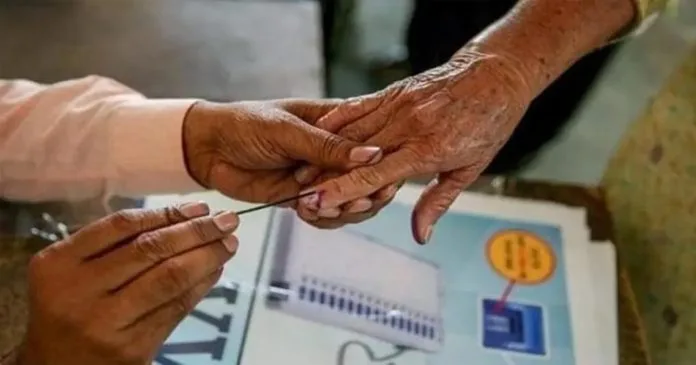
“We have no drinking water or playgrounds,” said Mohammad Yousuf from Ompora, proudly showing his inked finger. “We voted today hoping the promises of a university and a stadium will finally be fulfilled.”

In Bemina, dissatisfaction ran deeper. Abdul Rahman, waiting outside a booth, said, “We voted for the NC last time, and they never returned. No one visited our neighbourhood. We are tired of being ignored.”

Despite the disillusionment, several voters still placed their trust in the ruling National Conference (NC).

Ghulam Hassan, also from Bemina, said, “Our candidate has done good work before. With NC in power for the next four years, maybe this time development will reach us.”

Not everyone, however, was willing to give the ruling party another chance.

In Wahabpora, a middle-aged woman said she was shifting her support: “We have voted for the NC for years, but nothing improved. Now we will vote for PDP, hoping for better roads and healthcare.”

At another booth, 60-year-old Mohammad Isaq recalled past disappointments. “We voted for Omar Abdullah last time, and he left for Ganderbal. No development happened here. Still, I vote—it is my right. Maybe things will change.”

Eighty-year-old Ghulam Mohammad Hajam, leaning on a stick and supported by his son, offered a poignant reflection: “I have voted all my life. We still eat under candlelight, and we borrow water from neighbours’ bore wells. I still hope… maybe before I die, I will see real change.”

As polling concluded, voters across Budgam carried with them a mix of resentment and renewed hope—hoping their vote this time will finally bring the long-awaited transformation.

Nagrota By-Poll Records 75.08% Turnout Amid Peaceful Voting

0

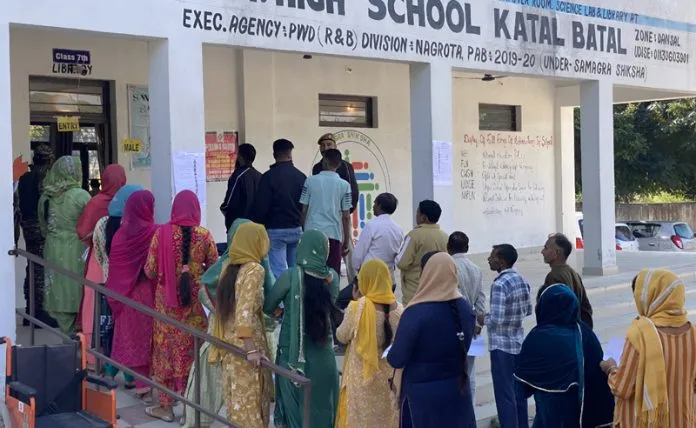
The Nagrota Assembly constituency recorded an impressive 75.08 percent voter turnout in today’s by-election, with polling passing off peacefully across all 150 polling stations, according to the Election Commission.

The fate of 10 candidates, including BJP’s Devyani Rana, NC’s Shamim Begum, JKNPP-I’s Harshdev Singh, and Independent Anil Sharma, now lies sealed in the Electronic Voting Machines (EVMs). Counting of votes is set for November 14.

Chief Electoral Officer (CEO) Sanjeev Verma told Daily Excelsior that the by-poll witnessed fully peaceful and smooth polling. Verma, who visited several polling stations during the day, noted that voters expressed satisfaction with facilities, including wheelchairs, drinking water, and effective queue management.

Officials confirmed that one or two EVMs were replaced due to technical issues, but polling resumed immediately without disruption.

Comparative turnout data shows that during the 2024 Assembly election, Nagrota had registered a slightly higher turnout of 77.66%, making today’s by-election figure notably substantial.

In 2024, BJP’s Devender Singh Rana won with 48,113 votes, while NC’s Joginder Singh secured 17,641 votes. This year, officials expect similar numbers, with around 98,000 eligible voters in the constituency.

Adequate security arrangements were firmly in place, featuring a heavy deployment of paramilitary and police personnel at sensitive locations. Election Commission Observers, including General, Police, and Expenditure observers, monitored multiple booths. Senior officials were also assigned to special polling stations.

After polling closed at 6 pm, officials securely shifted the EVMs to strong rooms, where they will remain under continuous surveillance until the counting day.

This by-election is only the second time that presiding officers used the ‘Presiding Officer App’ under the ECI’s Integrated ECTNet platform to upload booth-wise turnout data, significantly reducing delays and minimizing human error in reporting.

The by-election arose from the sudden death of BJP stalwart Devender Singh Rana, who passed away just days after winning the Assembly seat in 2024. The BJP nominated his daughter, Devyani Rana, an Economics graduate from the University of California, who campaigned focusing on ‘professional and inclusive development’.

NC’s Shamim Begum, a sitting member of the District Development Council (DDC), emphasized her grassroots connections and party organization strength during her campaign. Former minister Harshdev Singh projected himself as an “alternative voice” while Independent candidate Anil Sharma relied on local support and welfare assurances.

Long queues formed at several booths post-9 am, as sunny weather encouraged large voter turnout. Electors at the Kol Kandoli polling station expressed that they cast their ballots “to continue the pace of development in the Nagrota area.”

This by-election occurs in a political landscape where Nagrota has swung between the BJP and NC over the last five elections since 1996. The BJP claimed victories in 2002, 2008, and 2024, while the NC secured wins in 1996 and 2014. Uniquely, the Congress did not field a candidate this time and opted out of NC’s campaign, despite being alliance partners at the Union Territory level.

The Nagrota and Budgam by-polls aim to fill two vacancies in the 90-member J&K Assembly, which currently operates with 88 sitting legislators. These vacancies emerged following the death of Devender Singh Rana and the resignation of former Chief Minister Omar Abdullah, who vacated Budgam after retaining Ganderbal.