Saturday, July 11, 2026
Home Blog Page 65

J&K Govt Constitutes District-Level Panels to Monitor Student Mental Health, Prevent Suicides

The Jammu and Kashmir Government has constituted District Level Monitoring Committees in all districts to strengthen mental health protection measures and prevent suicides among students.

According to a government order issued by the General Administration Department, each committee will be headed by the respective Deputy Commissioner. The Chief Education Officer, Chief Medical Officer, District Social Welfare Officer and a representative from civil society will be members of the panel.

The committees have been tasked with monitoring the mental well-being of students, identifying stress-related issues at an early stage and ensuring coordinated intervention by education, health and social welfare departments. They will also oversee awareness programmes, counselling initiatives and other preventive measures aimed at addressing mental health challenges among students.

The move is part of the government’s broader effort to create a supportive and responsive ecosystem for students, particularly in view of rising concerns over academic stress, anxiety and related mental health issues.

CM Omar Abdullah Mourns Death of Maharashtra Dy CM Ajit Pawar in Plane Crash

Jammu and Kashmir Chief Minister Omar Abdullah on Wednesday expressed deep grief over the death of Maharashtra Deputy Chief Minister Ajit Pawar, who was killed in a plane crash in Pune district earlier in the day. Describing Pawar as an able administrator and a consummate political organiser, Abdullah said his loss would be deeply felt across the political spectrum.

In a message posted on X, the Chief Minister recalled his long association with the senior Nationalist Congress Party (NCP) leader, dating back to his college days in Mumbai. Abdullah said he had known Ajit Pawar closely during the period when he stayed with NCP chief Sharad Pawar and his family at Varsha, the official residence of the Maharashtra Chief Minister.

“Shocked to hear about the untimely demise of Ajit Pawar Saab. I’ve known Ajit da since my days in college in Bombay when I stayed with Sharad Pawar Saab and his family at Varsha. Ajit da was an able administrator and a consummate political organiser whose loss will be greatly felt,” Abdullah wrote.

The Chief Minister also conveyed condolences on behalf of his family, saying he joined National Conference president Farooq Abdullah in extending sympathies to Sharad Pawar, Supriya Sule and other members of the bereaved family.

Ajit Pawar (66) was among five people killed when a private aircraft carrying them attempted an emergency landing at Baramati airfield in Pune district on Wednesday morning. The aircraft had taken off from Mumbai and was headed to Baramati, where Pawar was scheduled to address a public meeting ahead of the February 5 zilla parishad elections in Maharashtra.

The tragic incident has sent shockwaves across the country, with leaders from across party lines expressing grief over the sudden demise of one of Maharashtra’s most influential political figures.

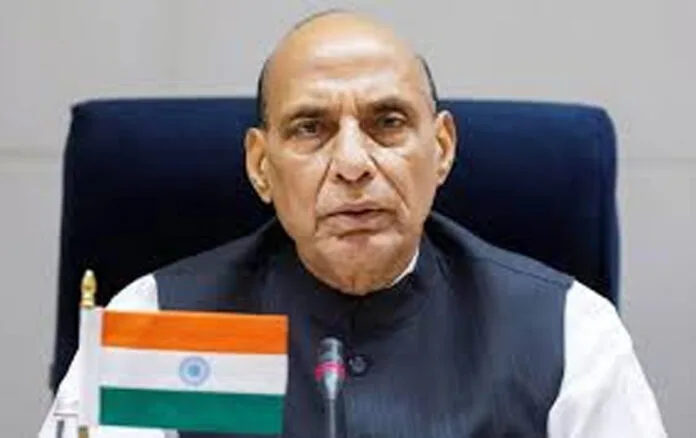
Operation Sindoor shows strength of indigenous systems: Rajnath Singh

Defence Minister Rajnath Singh on Tuesday said Operation Sindoor demonstrated how indigenous defence systems are strengthening India’s operational readiness, underlining the crucial role played by the Defence Research and Development Organisation (DRDO) in advancing self-reliance, which he described as a “national mindset” under Prime Minister Narendra Modi’s leadership.

Addressing a gathering at a DRDO event here, Singh stressed that in an era of rapid technological change—particularly on the battlefield—India must prioritise speed in innovation and deployment. “Today, especially in warfare, we must think in terms of ‘survival of the fastest’, not just ‘survival of the fittest’. The country that thinks, decides and deploys technology quickly stays ahead,” he said.

Singh highlighted the need to significantly reduce the time lag between research and prototype development, testing and eventual deployment, asserting that timely induction into the armed forces should be the primary benchmark of success.

Referring to Operation Sindoor, the defence minister said DRDO-developed technologies were effectively used during the operation, underscoring the organisation’s role in the rapid transformation of India’s defence sector driven by indigenisation. DRDO-made platforms were deployed by Indian forces during the decisive military action in May 2025.

India launched Operation Sindoor on May 7 in response to the Pahalgam terror attack, carrying out air strikes on terrorist infrastructure in Pakistan-controlled territories. The strikes led to four days of intense military exchanges, which ended with an understanding to halt hostilities on May 10.

Singh urged the DRDO to move beyond areas where the private sector has already built strong capabilities and suggested creating a separate wing within the organisation to take calculated risks in emerging and high-uncertainty domains. “If success is achieved in such sectors, the outcome will be historic,” he said.

Calling for deeper collaboration, Singh emphasised the need to bridge the gap between design, prototyping and production. He advocated a co-development model, with industry involvement from the early stages of system design through production, drawing parallels with international best practices.

He cited the Light Combat Aircraft Tejas as a successful example of collaboration between the DRDO and Hindustan Aeronautics Limited, and said many more such achievements were possible if the DRDO worked closely with public sector undertakings, private industry, MSMEs, start-ups and academia. “Government support will be meaningful only when the DRDO moves from a monopolistic R&D model to a collaborative ecosystem,” he said.

Highlighting the growth in defence exports, Singh said exports had risen from less than Rs 1,000 crore in 2014 to nearly Rs 24,000 crore at present. He reiterated the government’s target of achieving defence exports worth Rs 50,000 crore by 2029–30, and urged the DRDO to factor in export potential from the design stage, particularly in areas such as drones, radars, electronic warfare systems and ammunition.

Focusing on human capital, Singh described scientists, engineers and technicians as the real strength of the DRDO and stressed the need to provide them with learning opportunities, leadership roles and an environment where innovation is encouraged. “Failures are a part of research, and we must learn from them,” he said.

On the occasion, Singh presented awards under the DRDO Award Scheme 2024. A book titled ‘The Unprecedented Success Story of the First Indigenous Supersonic Multi-Target Surface-to-Air Missile System — AKASH’ was also released.

SC adjourns hearing on Kejriwal, Atishi plea in defamation case to April 21

The Supreme Court on Tuesday adjourned to April 21 the hearing on a plea filed by Aam Aadmi Party (AAP) national convener Arvind Kejriwal and former Delhi Chief Minister Atishi challenging a lower court order that refused to quash defamation proceedings against them over their alleged remarks on deletion of voters’ names from electoral rolls.

A bench comprising Justices M M Sundresh and N K Singh deferred the matter, observing that it required a detailed hearing. Senior advocate Meenakshi Arora, appearing for the AAP leaders, submitted that the bench had earlier indicated the case should be heard on a non-miscellaneous day—Tuesday, Wednesday or Thursday—and sought deferment accordingly.

Additional Solicitor General S V Raju, representing the Centre, argued that the alleged defamation related to a political party, which had authorised the complainant to initiate proceedings on its behalf.

On September 30, 2024, the apex court had issued notice to complainant Rajiv Babbar and stayed the proceedings before the trial court. At that time, the court framed the key legal issue as whether a political party or its authorised representative could be considered an “aggrieved person” under Section 199 of the Code of Criminal Procedure, which governs the filing of defamation complaints.

Earlier, the Delhi High Court had dismissed pleas filed by Kejriwal, Atishi, former Rajya Sabha MP Sushil Kumar Gupta and AAP leader Manoj Kumar, holding that the imputations were prima facie defamatory and appeared to have been made with the intent to vilify the Bharatiya Janata Party (BJP) and gain political mileage. The high court had also declined to interfere with the trial court’s summoning order for offences under Sections 499 (defamation) and 500 (punishment for defamation) of the Indian Penal Code.

The AAP leaders had challenged a sessions court order that upheld the magisterial court’s decision to summon them as accused. They sought the quashing of the magistrate’s March 15, 2019 order and the sessions court’s January 28, 2020 order.

The defamation complaint was filed by Babbar on behalf of the BJP’s Delhi unit, alleging that the AAP leaders had harmed the party’s reputation by accusing it of influencing the deletion of voters’ names from electoral rolls. According to the complaint, during a press conference in December 2018, the AAP leaders claimed that the Election Commission had deleted the names of around 30 lakh voters from the Bania, Poorvanchali and Muslim communities at the BJP’s behest.

Kejriwal and the other accused have contended that the trial court failed to appreciate that no offence of defamation or any other offence was made out against them.

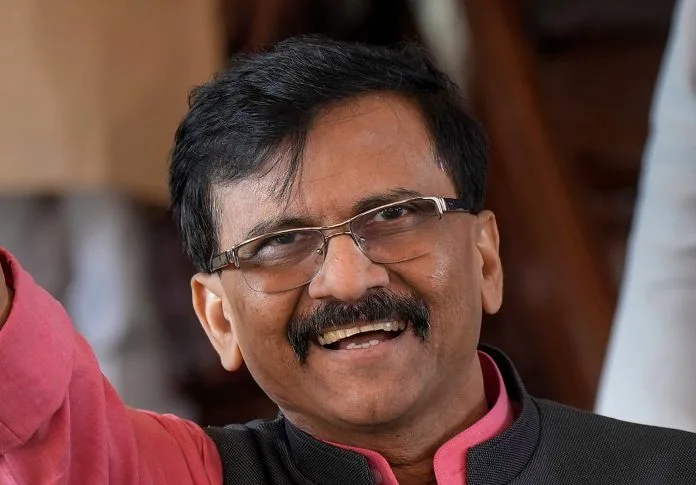
Mumbai likely to get BJP mayor, claims Sanjay Raut amid BMC power tussle

Mumbai is set to get a Bharatiya Janata Party (BJP) mayor, with the party unlikely to share the post with its ally, the Eknath Shinde-led Shiv Sena, Shiv Sena (UBT) leader Sanjay Raut claimed on Tuesday.

Nearly a fortnight after the BJP–Shiv Sena alliance emerged as the largest combine in the Brihanmumbai Municipal Corporation (BMC) elections, uncertainty continues over who will occupy the top post in the civic body.

Speaking to reporters, Raut said the BJP was firm on retaining the mayor’s post and would not concede it to the Shinde-led Sena, despite its ally’s apparent dissatisfaction. He added that the Shinde faction would have to settle for a few other key positions in the civic body after taking up the matter with the BJP’s central leadership.

“They (the BJP) will have their mayor in Mumbai,” the Rajya Sabha MP said.

Leaders of the Shinde-led Shiv Sena, however, have maintained that the mayor’s post should go to the Sena, particularly as 2026 marks the birth centenary of Bal Thackeray, the founder of the undivided Shiv Sena.

The BMC elections, held on January 15, produced a fractured mandate in the 227-member civic body. The BJP emerged as the single largest party with 89 seats, followed by the Shiv Sena (UBT) with 65 seats. The Shinde-led Shiv Sena secured 29 seats, the Congress won 24, and the Maharashtra Navnirman Sena (MNS) bagged six seats, with smaller parties and independents accounting for the rest. No party or alliance secured an outright majority.

The division of power within the ruling alliance remains a key point of negotiation, with the mayor’s post at the centre of the political tussle in India’s richest municipal corporation.

Over 20 Lakh Pending Promotions Cleared in 11 Years, Says Jitendra Singh at 18th Rozgar Mela

0

Union Minister of State for Personnel, Public Grievances and Pensions Dr. Jitendra Singh on Saturday said that more than 20 lakh long-pending promotions of government employees have been cleared over the last 11 years, ending a prolonged phase of stagnation in which many employees retired without a single promotion.

Delivering the welcome address at the 18th edition of the Rozgar Mela, the minister said the clearance of promotion cases reflects a wider transformation in government human resource management, marked by faster recruitment processes, transparency and improved career progression.

At the event, over 61,000 appointment letters were issued simultaneously across the country, with 49,225 appointments pertaining to the Ministry of Home Affairs and Central Armed Police Forces (CAPFs). Highlighting the growing role of women in security forces, Dr. Singh said policy reforms over the past decade have enabled greater participation of women, including their deployment along the zero line in the Border Security Force. He noted that for the first time, an all-male CRPF contingent at the Republic Day parade on January 26 will be led by a woman Assistant Commandant.

The minister recalled that the Rozgar Mela was conceptualised by Prime Minister Narendra Modi on October 22, 2023, to accelerate government recruitment and make the process more efficient and equitable.

Citing recruitment data, Dr. Singh said appointments made through UPSC, SSC and Railway Recruitment Boards have increased significantly. While these agencies collectively made 7.22 lakh appointments between 2004 and 2014, the number rose to 10.96 lakh since 2014, an increase of nearly one-and-a-half times.

On backlog vacancies in reserved categories, he said appointments increased from 1.08 lakh earlier to 4.79 lakh over the last 11 years, helping address long-standing inequities in representation. He also pointed out that around 14.6 per cent of appointees at the current Rozgar Mela belong to the Scheduled Tribe category, nearly double the mandated reservation, indicating focused outreach to tribal communities.

Dr. Singh outlined several recruitment reforms aimed at improving candidate convenience. These include a new SSC digital portal offering flexible exam centres and dates, online access to answer keys and grievance redressal, a unified one-time registration system by UPSC integrated with Aadhaar and DigiLocker, and assured exam centre allotment nationwide for persons with disabilities. He also highlighted the “Pratibha Setu” initiative, which connects qualified but unselected candidates with alternative employment opportunities.

Emphasising that government jobs are part of a broader employment ecosystem, the minister cited initiatives such as Startup India, which has generated over 21 lakh jobs through 2.08 lakh start-ups, and the Pradhan Mantri Mudra Yojana, under which 56.03 crore loans have been disbursed, over 60 per cent to women. He also referred to benefits extended to street vendors under PM SVANidhi and artisans under the Pradhan Mantri Vishwakarma scheme.

Concluding, Dr. Jitendra Singh said policies are being framed with the vision of a developed India by 2047, adding that the youth receiving appointment letters today would be at the peak of their careers when the nation celebrates 100 years of Independence, playing a key role in shaping India’s future.

High Courts Must Be Proactive Guardians of Rule of Law, Says CJI Surya Kant

0

Chief Justice of India Surya Kant on Saturday underscored the need for High Courts to play a more proactive role in addressing systemic failures in the rule of law, asserting that “justice delayed is not only justice denied but justice destroyed.”

Speaking at the Fali Nariman Memorial Lecture and later at a felicitation programme organised by the Bombay High Court, the CJI urged High Courts not to wait passively for cases to reach them, but to remain alert to structural and institutional shortcomings that impede access to justice.

“The goal must be to transform access to justice from a passive right into a state-guaranteed service,” Justice Kant said, emphasising that timely justice is central to public faith in the judiciary.

At the felicitation event, the Chief Justice stressed the importance of strengthening dispute resolution mechanisms beyond traditional courtroom adjudication. He said mediation, reconciliation and arbitration were not merely alternatives of convenience, but essential instruments of a mature justice system.

“These mechanisms preserve relationships, reduce costs and delays, and allow courts to focus their energies on cases where authoritative adjudication is truly required,” he said, urging judges to actively encourage alternative dispute resolution.

Justice Kant highlighted that High Courts should not function merely as appellate or revisional bodies, but as vibrant and accessible centres for constitutional remedies. “High Courts are not stepping stones to the Supreme Court. They are the primary sentinels guarding the doorsteps of the ordinary citizen,” he said, adding that while the Supreme Court may have the final word, High Courts often deliver the most vital one.

He also called for High Courts to adapt to the digital era to make access to justice easier and more inclusive. Expressing concern over litigants bypassing High Courts, the CJI said he strongly discourages privileged individuals from directly approaching the Supreme Court without exhausting remedies before High Courts.

“Article 32 does not mean that the rich and privileged have automatic direct access to the Supreme Court,” he remarked.

The Chief Justice also noted that Maharashtra provides adequate and timely budgetary support to the judiciary, describing the state’s cooperation as respectful and efficient.

Recalling the contribution of eminent jurist Fali Nariman, Justice Kant reflected on the Emergency period, calling it a constitutional crossroads that tested the soul of Indian democracy. He said India’s colonial past and the suppression of civil liberties during that era reinforced a crucial lesson: rights without effective remedies are meaningless.

Snowfall Disrupts Traffic in J&K; Clearance Operations Intensified on Srinagar–Jammu Highway

Massive road clearance operations were underway on Saturday to restore traffic on the Srinagar–Jammu National Highway and other key routes in Jammu and Kashmir, which remained closed for the second consecutive day due to slippery conditions caused by heavy snowfall, officials said.

Hundreds of commuters stranded on the 270-km Jammu–Srinagar National Highway (NH-44), the only all-weather road connecting Kashmir with the rest of the country, were evacuated to safety by the Army, police and civil administration. The stranded passengers were provided food, shelter and medical assistance, officials added.

Deputy Superintendent of Police (Traffic), NH Banihal, S P Singh said snow clearance operations on NH-44 were in their final stages and stranded vehicles on both sides of the highway would be cleared on priority. He said over 900 vehicles were stuck in the Ramban sector, while more than 2,000 vehicles, including trucks carrying essential commodities, were waiting to proceed towards Jammu, Udhampur, Kulgam and Anantnag.

“Some stretches in the Ramsoo–Banihal sector are still slippery. Road clearing agencies are sprinkling salt and urea to improve driving conditions. Normal traffic is expected to resume once stranded vehicles are cleared,” Singh said.

Amid the severe weather, the Army carried out extensive humanitarian assistance and disaster relief operations. Troops from Nachlana Army Camp responded to multiple distress calls, helping stranded civilians and tourists affected by road blockages, heavy snowfall and sub-zero temperatures. Army personnel provided food, drinking water, hot tea and first aid to elderly persons, women and children stranded along the highway.

In another operation, 32 martial arts cadets of the Warriors Taekwondo Academy, along with their coaches and parents, were rescued after being stranded near Nachlana due to sudden snowfall. The group was evacuated to Nachlana Camp, where they were provided warm meals, medical aid, clothing and safe accommodation until weather conditions improved.

Army troops from Sangaldan Camp also assisted 65 stranded passengers at Sangaldan Railway Station after receiving a distress call from railway officials, providing them with essential supplies despite difficult weather conditions.

Traffic officials said that besides NH-44, vehicular movement remained suspended on the Mughal Road, Sinthan Top road, Srinagar–Leh National Highway and several other routes across the Union Territory. People have been advised to avoid travel until roads are fully restored and declared safe.

Meanwhile, the Border Roads Organisation (BRO) has launched major snow clearance operations on the Jammu–Rajouri–Poonch National Highway, which remains closed between BG Rajouri and Jarran Wali Gali due to heavy snowfall. BRO officials said men and machinery were working round-the-clock to reopen the strategically important road.

Heavy snowfall was also reported from higher reaches of the Jammu region, including popular tourist destinations such as Patnitop, Nathatop and Bhaderwah, while rainfall in the plains, including Jammu city, ended a dry spell of over two months. Some areas of Rajouri, Doda and Udhampur witnessed snowfall after more than a decade, officials said.

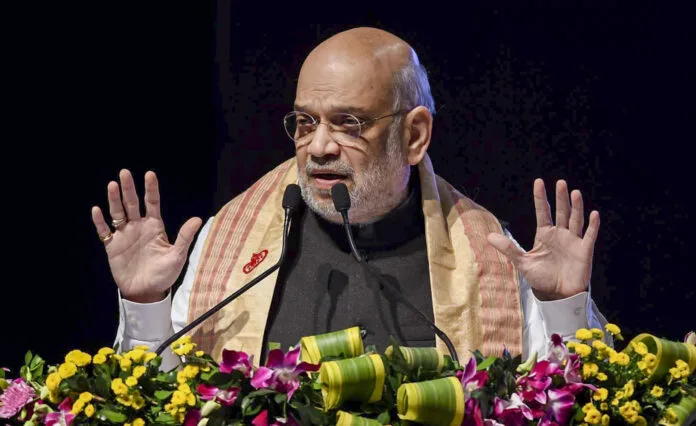
Amit Shah Launches ‘One District, One Cuisine’ Initiative in Uttar Pradesh on UP Day

Union Home Minister Amit Shah on Saturday launched the ‘One District, One Cuisine’ (ODOC) initiative in Uttar Pradesh, a new programme aimed at giving a distinct identity to the traditional food and beverage specialities of each district, on the lines of the state’s flagship ‘One District, One Product’ (ODOP) scheme.

The ODOC initiative was unveiled at an event held at Rashtriya Prerna Sthal on the occasion of Uttar Pradesh Day. State government officials said the programme builds on the success of ODOP, which has helped several region-specific products from Uttar Pradesh gain national and international recognition.

Under the new initiative, district-specific cuisines and traditional recipes will be promoted to showcase the rich culinary heritage of the state. The scheme is expected to benefit traditional halwais, small food entrepreneurs and local workers by enabling their signature dishes to reach wider domestic and global markets, thereby creating sustainable livelihood opportunities at the grassroots level.

Officials said the ODOC programme will also focus on improving quality, hygiene and food safety standards of local cuisines, ensuring alignment with prescribed food safety norms.

Chief Minister Yogi Adityanath, Deputy Chief Ministers Keshav Prasad Maurya and Brajesh Pathak, Tourism Minister Jaiveer Singh, and senior state officials were present at the launch event.

Weather Improves in Kashmir After Heavy Snowfall; Temperatures Remain Sub-Zero Across Valley

After a day of widespread snowfall, rain and gusty winds, weather conditions improved across Kashmir on Saturday, even as night temperatures continued to remain below freezing throughout the Valley, officials said.

Most parts of Kashmir witnessed moderate to heavy snowfall over the past 24 hours, particularly in higher reaches, while the plains received light to moderate snow. Srinagar experienced the season’s first snowfall, though it remained light. Intermittent snowfall and rain continued in some upper areas till late Friday night.

Officials said the weather showed signs of improvement from Saturday morning. However, the Meteorological Department has forecast light rain and snowfall at isolated places on Saturday and Sunday. Another western disturbance is expected to affect Jammu and Kashmir from Monday night to Tuesday forenoon, bringing light to moderate rain and snow at most places, with the possibility of heavy spells accompanied by thunder and gusty winds at a few locations. Thereafter, the weather is likely to remain mainly dry but partly cloudy till February 3.

Cold conditions persisted across the Valley, with Srinagar recording a minimum temperature of minus 1.4 degrees Celsius on Friday night. Gulmarg in north Kashmir’s Baramulla district was the coldest place in the Union Territory at minus 12.0 degrees Celsius, followed by Sonamarg in Ganderbal district at minus 10.5 degrees Celsius. Pahalgam recorded a low of minus 7.6 degrees Celsius.

Qazigund, the gateway town of the Valley, registered a minimum temperature of minus 4.2 degrees Celsius, while Kokernag and Kupwara recorded lows of minus 6.2 degrees Celsius and minus 4.0 degrees Celsius, respectively.

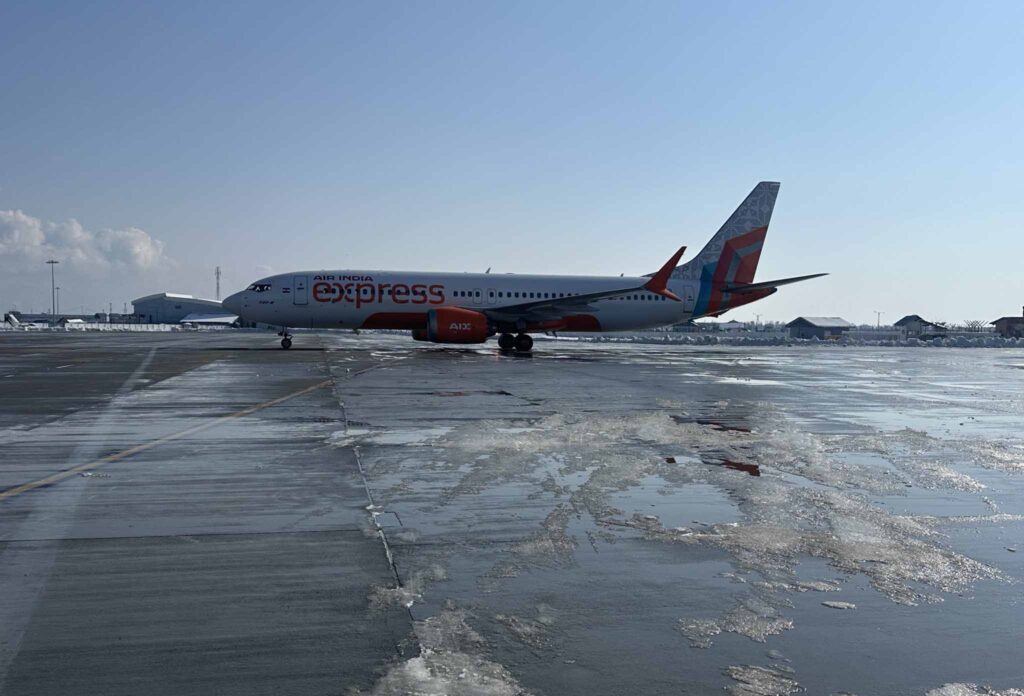
Meanwhile, flight operations at Srinagar airport, which had been suspended due to heavy snowfall, resumed after the runway was cleared.

Kashmir is currently experiencing ‘Chilla-i-Kalan’, the harshest 40-day winter period marked by intense cold and frequent snowfall. The period, which began on December 21, will conclude on January 30.