Saturday, July 11, 2026
Home Blog Page 57

Ali Mohammad Sagar Condoles Demise of Senior NC Leader Qamar Ali Akhoon, Calls It Irreparable Loss to Kargil–Ladakh

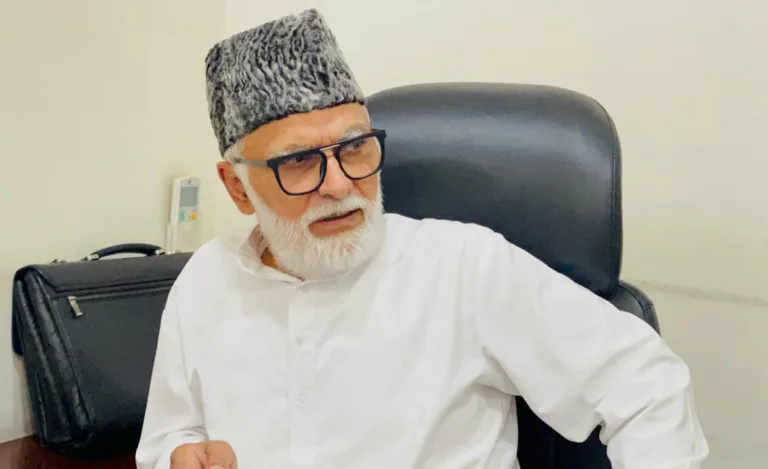
Ali Mohammad Sagar, General Secretary of the Jammu & Kashmir National Conference, today expressed profound grief over the demise of former Minister and senior party leader Qamar Ali Akhoon, describing his passing as a great loss to both the party and the people of Kargil–Ladakh.

In a condolence message, Sagar said Akhoon was a towering political figure who dedicated his entire life to public service, particularly for the welfare and development of people living in Kargil and other remote areas of Ladakh. He noted that Akhoon stood for integrity, simplicity, and unwavering commitment to justice and development.

Recalling his long association with the late leader, Sagar said he shared a close personal and political bond with Akhoon for more than three decades. He added that during his tenure in the Public Works Department, Akhoon served as Minister of State and demonstrated exceptional administrative capability, honesty, and a people-centric approach.

Sagar further stated that Akhoon consistently raised issues related to infrastructure, education, and public welfare. He played a crucial role in addressing the aspirations of marginalized communities in far-flung regions and earned respect across party lines for his principled and courageous leadership.

Describing his demise as an irreplaceable loss, Sagar said the void left behind would be difficult to fill, as the people of Kargil and Ladakh have lost a genuine representative who understood their concerns and worked tirelessly for their betterment.

On behalf of the entire party leadership and workers, Sagar extended heartfelt condolences to the bereaved family and prayed for eternal peace for the departed soul, along with strength for the family to bear the loss.
Mehbooba Mufti Seeks Government Clarification Over Alleged Demographic Change Plan in Kashmir

Mehbooba Mufti, president of the Peoples Democratic Party (PDP), on Friday urged the Jammu and Kashmir government to clarify claims regarding an alleged plan to alter the demographic composition of the Kashmir Valley.

Her remarks followed statements made by Ashwani Kumar Chrungoo, a leader associated with the Bharatiya Janata Party (BJP), who reportedly told a national daily that the Centre was working toward changing Kashmir’s demography by settling lakhs of Hindus from outside the region.

Reacting strongly to the statement, Mufti questioned the intent behind the proposal of establishing multiple townships in the Valley. In a post on X (formerly Twitter), she stated that while the creation of new townships may appear progressive on the surface, concerns arise when BJP leaders link the move to demographic adjustments.

“Forty townships in Kashmir to decongest cities? Sounds progressive until BJP voices call it a demography plan for Hindu settlement. Coincidence or deliberate state engineering? The Jammu and Kashmir government must clarify before it is too late,” Mufti wrote.

She emphasized that transparency from the government is essential to address public apprehensions and prevent unrest in the sensitive region.

The remarks have triggered political debate, with opposition leaders demanding an official explanation regarding the purpose and structure of the proposed townships. As of now, the government has not issued a formal response to the allegations.

PM Narendra Modi Shifts to New ‘Seva Teerth’ Office, Launches Major Welfare and Development Initiatives

0

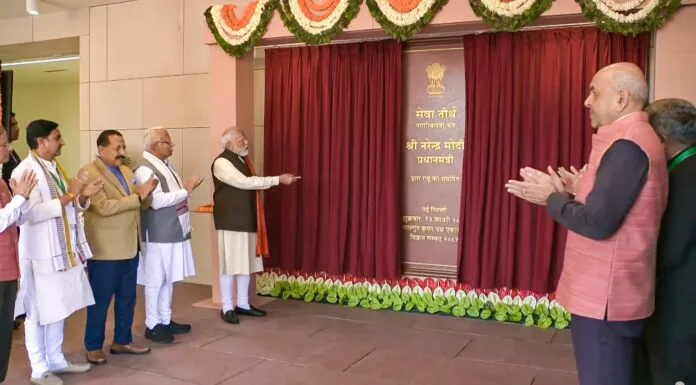
Prime Minister Narendra Modi on Friday shifted his office to the newly constructed Seva Teerth Complex, marking a significant transition from the colonial-era South Block building near Rashtrapati Bhavan on Raisina Hill. The move coincided with February 13, the day New Delhi marked 95 years since its formal inauguration as India’s modern capital in 1931.

The Prime Minister arrived at the new complex in a motorcade along with Union ministers Manohar Lal and Jitendra Singh and senior officials of the Prime Minister’s Office. He formally inaugurated the complex, which will now house the Prime Minister’s Office (PMO), the National Security Council Secretariat, and the Cabinet Secretariat, creating a centralized administrative hub.

After entering the office, Modi garlanded a statue of Lord Ganesha and immediately began official work by signing key files related to welfare and development measures aimed at women, farmers, youth, and vulnerable sections of society.

Among the major decisions was the approval of the PM RAHAT Scheme, which will provide accident victims with cashless medical treatment of up to ₹1.5 lakh, ensuring timely emergency care and reducing financial burdens on families.

The Prime Minister also set an ambitious target to double the number of ‘lakhpati didis’—women earning at least ₹1 lakh annually through self-help groups—from three crore to six crore by March 2029. Officials noted that the government had already achieved the earlier milestone of three crore beneficiaries ahead of schedule.

In a significant push for the agriculture sector, the Agriculture Infrastructure Fund was doubled to ₹2 lakh crore to strengthen storage, logistics, and the overall agricultural value chain.

To boost innovation and entrepreneurship, Modi approved the Startup India Fund of Funds 2.0 with a corpus of ₹10,000 crore. The fund aims to support deep-tech ventures, early-stage startups, advanced manufacturing, and breakthrough technologies.

Officials said the relocation to the new office and the immediate rollout of policy measures reflect the government’s focus on modern governance, efficiency, and inclusive growth.

Uproar in J&K Assembly Over BJP MLA’s Claim of Valley Residents Encroaching Land in Jammu

 The Jammu and Kashmir Legislative Assembly witnessed noisy scenes and sharp exchanges on Friday after BJP legislator Vikram Randhawa alleged that people from the Kashmir Valley had encroached upon government land in Jammu city.

The controversy erupted during the Question Hour when Randhawa raised the issue of illegal occupation of land belonging to the Jammu Development Authority (JDA).

Replying on behalf of the Chief Minister, Social Welfare Minister Sakeena Itoo informed the House that, as per official records, land measuring 688 kanals and 17 marlas in Tehsil Bahu and 579 kanals in Tehsil Jammu South is currently under illegal encroachment.

She clarified that these encroachments are not recent and that eviction proceedings are underway in accordance with the Public Premises (Eviction of Unauthorised Occupants) Act and other applicable laws.

The minister further stated that since January 2025, authorities have conducted 34 anti-encroachment drives in the two tehsils, resulting in the retrieval of 140 kanals and 11 marlas of JDA land.

Randhawa, however, alleged that many of the settlements on the encroached land belonged to people from the Kashmir Valley and claimed that nearly 90 percent of the habitations were set up by them. He urged the government to conduct a probe and take strict action to clear encroachments in his constituency.

“We have no issue if Kashmiris legally purchase land and build homes in Jammu, but construction on government land should not be allowed,” he said, adding that over 16,000 kanals of JDA land were allegedly under encroachment in Jammu.

His remarks triggered protests from members of the ruling Jammu and Kashmir National Conference, who objected to linking the issue with any particular region.

Rejecting the allegations, Itoo asserted that encroachment is an administrative issue and should not be viewed through a regional or communal lens. She emphasized that Jammu and Kashmir must not be divided on such grounds and that the government remains committed to addressing illegal occupations strictly as per the law.

Over 32,000 Cancer Cases Reported in Jammu & Kashmir; 79% Burden Falls on Kashmir Valley, Says Health Minister

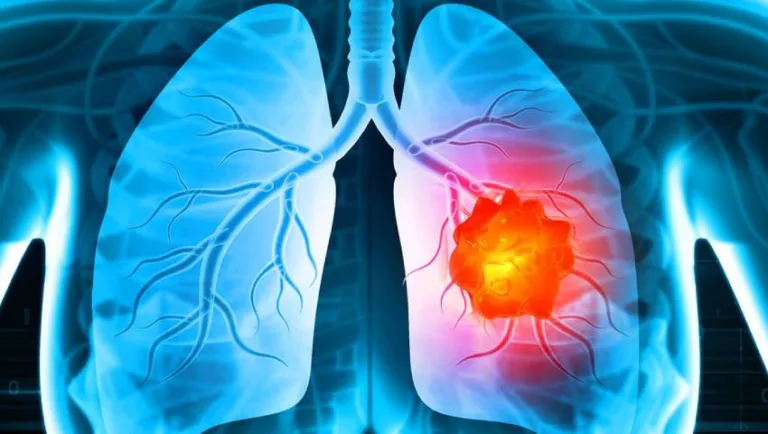
Srinagar: More than 32,000 cancer cases have been recorded across Jammu and Kashmir in recent years, with nearly 79 percent of the total cases reported from the Kashmir Valley alone, Health Minister Sakeena Itoo informed the Assembly on Friday.

Responding to an unstarred question raised by Peoples Democratic Party (PDP) legislator Waheed Ur Rehman Para, the minister said that 25,621 cases were registered in the Kashmir division between 2022 and 2024. In comparison, 6,804 cases were reported from the Jammu division between 2023 and 2025.

She stated that gastro-intestinal malignancies — including cancers of the esophagus, stomach, and colorectal region — remain among the most frequently diagnosed cancers in the region.

Rising Trend Across Both Divisions

Data compiled by the Health and Medical Education Department shows a steady year-on-year increase in cases.

In the Kashmir division, 8,021 cases were reported in 2022, 8,621 in 2023, and 8,979 in 2024. Meanwhile, the Jammu division recorded 2,036 cases in 2023, 2,187 in 2024, and 2,581 in 2025, reflecting a similar upward trend.

Strengthened Treatment Infrastructure

Highlighting government measures, the minister said advanced cancer care facilities are available at major institutions, including Sher-i-Kashmir Institute of Medical Sciences (SKIMS), Soura, and the State Cancer Institute at Government Medical College Jammu.

These centers provide comprehensive, multidisciplinary treatment covering medical oncology, surgical oncology, radiation oncology, and clinical hematology. They are equipped with modern diagnostic and therapeutic technologies such as PET-CT scans, CT scanners, dedicated CT simulators, and advanced radiotherapy systems.

The PET scan facility is currently operational at SKIMS, while another unit worth ₹16 crore is being procured for GMC Srinagar. Additionally, private hospitals such as Narayana Super Specialty Hospital Kakryal and American Oncology Institute ASCOM also provide PET scan services in the Jammu division.

Focus on Prevention and Awareness

The government has intensified awareness drives to promote early detection and prevention. Public health campaigns emphasize recognizing early warning signs and reducing risk factors through tobacco cessation, healthier diets, and lifestyle modifications.

Cancer patients are being treated at SKIMS, Government Medical Colleges and their associated hospitals, district hospitals, and Community Health Centres (CHCs). Severe cases are referred to tertiary care institutions for specialized treatment.

The minister reiterated that the administration remains committed to expanding healthcare infrastructure and strengthening early diagnosis systems to address the growing cancer burden in the Union Territory.

Budget Session’s First Leg Ends Amid Protests, Adjournments and Political Deadlock

0

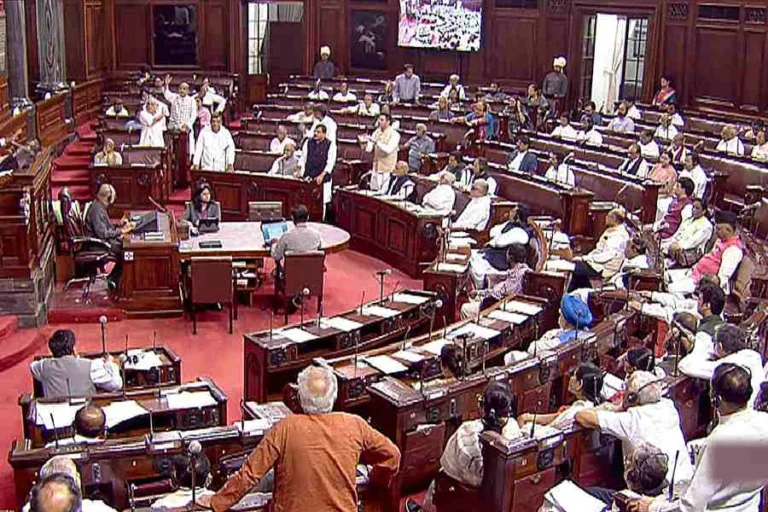
The first phase of the Budget Session of Parliament concluded on Friday after weeks of persistent disruptions, heated exchanges, and repeated adjournments, with proceedings overshadowed by political controversies surrounding the proposed India–US interim trade deal and the unpublished memoir of former Army Chief M. M. Naravane. The House will now reconvene on March 9 following a three-week recess during which parliamentary standing committees will review budgetary allocations for various central ministries under the Union Budget.

Earlier in the day, proceedings were briefly adjourned for an hour after Opposition members staged protests demanding the resignation of Union Minister Hardeep Singh Puri. The Opposition also voiced strong objections to the India–US interim trade agreement, alleging a lack of transparency and consultation.

The session had commenced on January 28 with President Droupadi Murmu addressing a joint sitting of both Houses of Parliament, setting the legislative agenda for the year. However, the proceedings soon turned contentious.

Tensions escalated in the Lok Sabha on February 2 when the Chair disallowed Leader of the Opposition Rahul Gandhi from quoting excerpts from Naravane’s memoir related to the 2020 India–China conflict. The decision triggered strong protests, leading to dramatic scenes inside the House.

Members of the Opposition resorted to sloganeering and demonstrations, resulting in multiple adjournments. The disorder culminated in disciplinary action, with seven Congress members and one CPI(M) member suspended for the remainder of the session for unruly conduct, including climbing onto officials’ tables and throwing torn papers towards the Chair.

Amid fears of further disruptions, Speaker Om Birla reportedly requested Prime Minister Narendra Modi not to attend the Lok Sabha during his scheduled reply to the Motion of Thanks on the President’s address, in an effort to maintain order.

With legislative business repeatedly stalled, much of the session’s focus shifted from policymaking to political confrontation. The upcoming recess will allow committees to scrutinize ministry-wise budget proposals, after which Parliament is expected to resume discussions with renewed focus on financial and legislative matters.

Delhi High Court, Supreme Court, MHA Among Top RTI Rejection Authorities in 2024–25: CIC Report

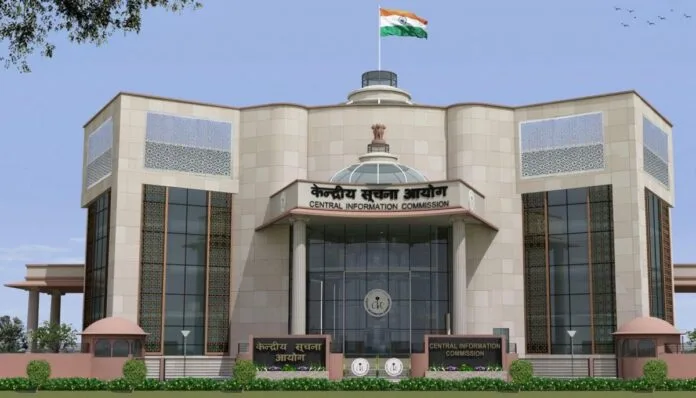
The Delhi High Court, the Supreme Court and the Ministry of Home Affairs (MHA) were among the public authorities that rejected the highest number of RTI applications in 2024–25, according to the latest annual report of the Central Information Commission (CIC). The Ministry of Finance also recorded a significant number of denials.

As per the report, Section 8(1) of the Right to Information (RTI) Act — which allows exemption from disclosure on grounds such as national security and other protected interests — was invoked 28,924 times, accounting for nearly half (49.88 per cent) of all rejection grounds cited.

The Delhi High Court recorded the highest rejection rate among the top 20 authorities, rejecting 22.88 per cent of the 2,089 RTI applications it received during the year. The Supreme Court followed with a rejection rate of 13.73 per cent, denying 689 out of 5,017 applications.

Among major ministries, the Ministry of Home Affairs rejected 7,750 out of 58,130 applications, a rejection rate of 13.33 per cent — the highest in this category. The Ministry of Finance, one of the largest recipients of RTI requests with 2,20,283 applications, rejected 18,734, translating to 8.50 per cent.

The Ministry of Law and Justice reported a rejection rate of 7.14 per cent (1,330 of 18,638 applications), while the Ministry of Electronics and Information Technology rejected 7.98 per cent of 10,134 applications.

In contrast, some departments with very high RTI volumes reported minimal rejection rates. The Ministry of Corporate Affairs received the highest number of applications at 2,54,657 but rejected only 351 (0.14 per cent). The Ministry of Education rejected 0.74 per cent of 1,34,025 applications, and the Ministry of Road Transport and Highways rejected 0.70 per cent of 35,481 applications.

Regarding legal grounds, Section 24 — which exempts certain intelligence and security organisations — was invoked 8,251 times (14.23 per cent). Section 11, related to third-party information, was cited 519 times (0.90 per cent), and Section 9, concerning copyright restrictions, was invoked 232 times (0.40 per cent). Other provisions together accounted for 34.59 per cent of rejection grounds. The CIC noted that multiple sections may be cited in a single rejection.

Appeal data showed continued challenges to denials. The Ministry of Finance recorded 26,219 first appeals and 3,966 second appeals or complaints. The MHA saw 9,389 first appeals and 960 second appeals, while the Ministry of Defence received 16,876 first appeals and 1,203 second appeals or complaints.

The report highlights wide variation in rejection patterns across authorities, even as lakhs of applications show continued public reliance on the RTI Act.

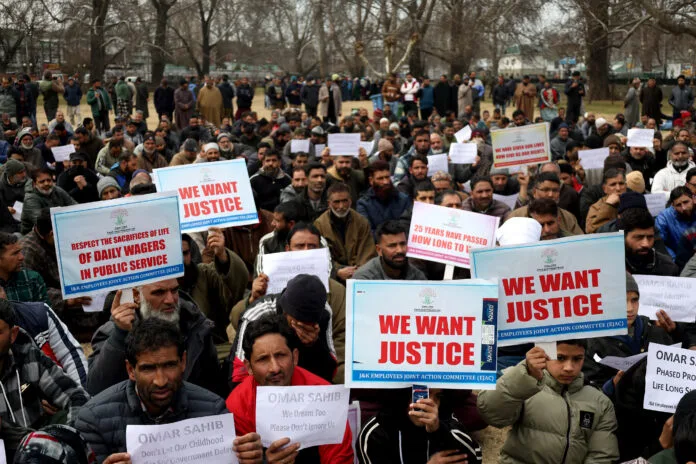
Daily Wagers, Contractual Employees Protest in J&K, Demand Regularisation of Services

A large number of daily wagers and contractual employees, along with their children, staged a protest on Thursday demanding regularisation of their services in the Jammu and Kashmir government.

The protest was organised by the Employees Joint Action Committee (EJAC) at Sher-e-Kashmir Municipal Park, where demonstrators held a sit-in and raised slogans such as “We want justice” and “Sadda haq ithe rakh” (give us our rights).

Addressing the gathering, EJAC leaders said the Omar Abdullah government should not continue in office if it fails to fulfil the commitments made to employees regarding regularisation and job security.

They said daily wagers and casual labourers form the backbone of several government departments that deliver essential public services, including electricity and drinking water, and yet continue to work without permanent status or benefits.

According to the employee representatives, more than 60,000 workers in Jammu and Kashmir have been serving as daily wagers for many years and are seeking immediate regularisation of their services.

Centre Highlights Youth Employment Push for J&K as MP Flags Unemployment, Drug Menace in Parliament

0

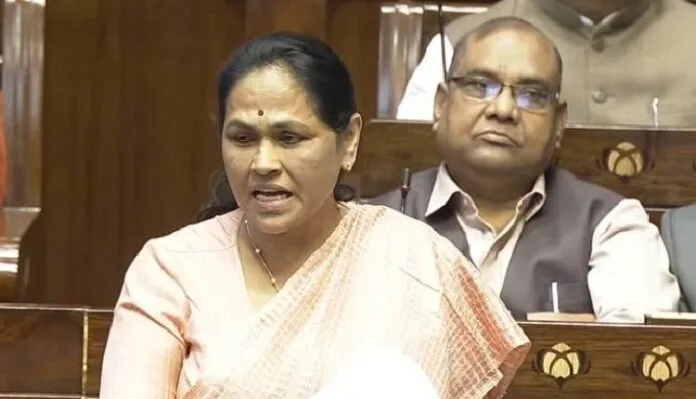
Responding to concerns raised by Jammu and Kashmir National Conference MP Chowdhary Muhammad Ramzan over rising unemployment in the Union Territory, Union Minister of State for Labour and Employment Shobha Karandlaje said the Centre has launched multiple initiatives aimed at bringing youth into the employment mainstream.

Speaking during a parliamentary discussion, Karandlaje defended the government’s approach, stating that creating opportunities for young people in Jammu and Kashmir remains a key priority. “To save Kashmir and bring the young people to the forefront is our aim,” she said.

Sharing an anecdote to underline what she described as changing perceptions, the minister said that during a recent flight, a young woman from the region told her that it was the first time a Prime Minister was thinking specifically about the children of Jammu and Kashmir. She cited this as a reflection of the Centre’s renewed focus on youth welfare and employment in the UT under Prime Minister Narendra Modi’s leadership.

Highlighting progress in formal sector inclusion, Karandlaje said around 1.60 lakh individuals from Jammu and Kashmir have enrolled with the Employees’ Provident Fund Organisation (EPFO) over the past two years, expanding social security coverage and indicating increased formal employment participation.

The exchange took place amid broader debates in Parliament on unemployment during discussions related to the Union Budget. Opposition members have repeatedly criticised the government over job creation and pointed to regional disparities in employment growth.

Raising the issue, MP Muhammad Ramzan described unemployment in Jammu and Kashmir as a “striking issue” and warned that large-scale joblessness among educated youth is contributing to serious social consequences, including drug addiction.

“Unemployment leads the youth of Jammu and Kashmir to social evils like drugs,” Ramzan said, stressing that the crisis is not only economic but also social in nature. He urged the Centre to spell out concrete, targeted measures to generate jobs and prevent further deterioration.

Experts and several public representatives have linked persistent unemployment in the region to rising substance abuse, saying the trend threatens long-term social stability if not addressed through sustained job creation and youth engagement policies.

While the government has highlighted EPFO enrolment and welfare-linked employment measures, critics argue that Jammu and Kashmir requires stronger region-specific industrial, skill development, and entrepreneurship incentives to tackle the root causes of unemployment.

J&K Assembly to Hold Special Discussion on Online Smear Campaigns, Speaker Assures House

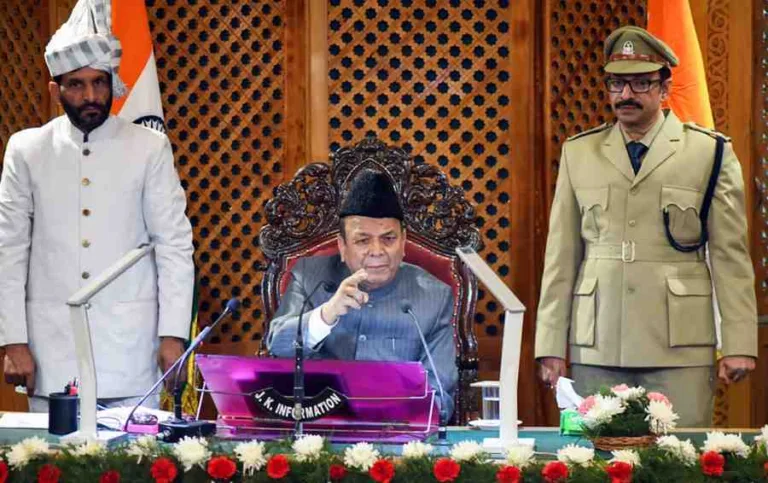
Taking cognisance of concerns raised by members across party lines over alleged online smear campaigns, Jammu and Kashmir Assembly Speaker Abdul Rahim Rather on Thursday assured that a separate half-an-hour discussion will be held on the issue during the ongoing budget session.

The matter was raised in the House amid allegations that fake social media accounts and politically motivated handles were circulating defamatory content and misleading videos against elected representatives, thereby harming their reputation and undermining the dignity of the Assembly.

Earlier, the government informed the House that a dedicated media monitoring cell has been set up in the Directorate of Information and Public Relations (DIPR) to track and counter fake and misleading information in real time. Replying to a starred question by MLA R.S. Pathania, Education Minister Sakeena Itoo said the DIPR issued 28 rebuttals related to fake news and misinformation between April 1, 2025 and January 31, 2026 — 20 through press releases and eight via official social media handles.

She said the monitoring cell continuously scans websites, news channels and social media platforms and issues rebuttals whenever misleading content is detected. However, she clarified that regulating or suspending websites, digital platforms, online news channels or private fact-checking units does not fall within the department’s jurisdiction. Similarly, imposing fines on individuals or organisations for spreading fake news is also outside its purview.

On cyber security preparedness, the minister said multiple layers of safeguards have been introduced to strengthen the digital infrastructure across government departments. She added that all departments have designated nodal officers to monitor fake news related to their respective sectors.

National Conference legislators as well as BJP leaders Sham Lal Sharma and Balwant Singh Mankotia supported the demand for a detailed discussion, calling it a serious issue and alleging sustained attempts by certain elements to tarnish the image of legislators and the House.

With several members demanding accountability against those operating fake accounts and spreading defamatory material, the Speaker directed that the issue be listed separately for detailed deliberation.

“The concern raised by the members, in my view, is the concern of the entire House… every day someone’s dignity is being tarnished,” Itoo said, urging action against offenders and calling for self-introspection among politicians.

Senior BJP MLA Sham Lal Sharma said all 90 members of the House have been subjected to abusive and unparliamentary language online and stressed that legislators should be allowed to focus on public issues.

BJP members also raised objections over the reported entry of a three-time former MLA into the Assembly complex despite not being a current member, and claimed multiple FIRs had been registered against him. Without naming anyone, they questioned how such access was being allowed. The Speaker said he had taken note of the matter and urged protesting members to return to their seats.

Earlier in the day, Food and Supplies Minister Satish Sharma apologised for his remarks against Leader of Opposition Sunil Sharma and BJP MLA Sham Lal Sharma made during a debate earlier this week.