Thursday, July 23, 2026
Home Blog Page 268

Mayawati Criticizes BJP and INDIA Bloc Over Reservation Issue

Lucknow, August 23, 2024

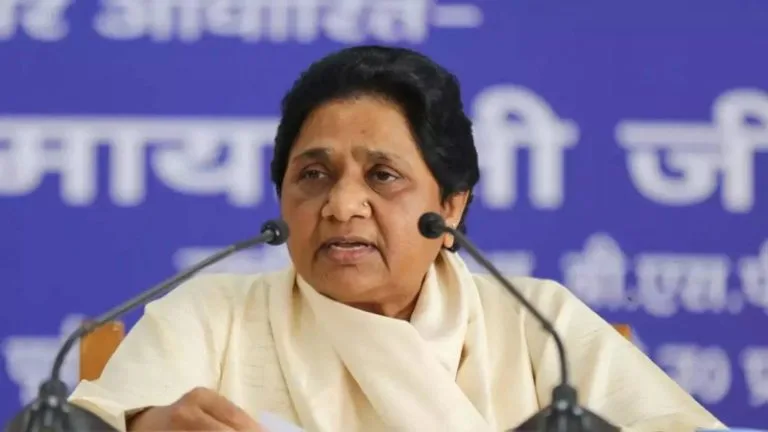
Lucknow – Bahujan Samaj Party (BSP) Chief Mayawati has launched a strong critique against both the ruling Bharatiya Janata Party (BJP) and the opposition INDIA bloc, accusing them of mishandling the sensitive issue of reservation for Scheduled Castes (SC) and Scheduled Tribes (ST).

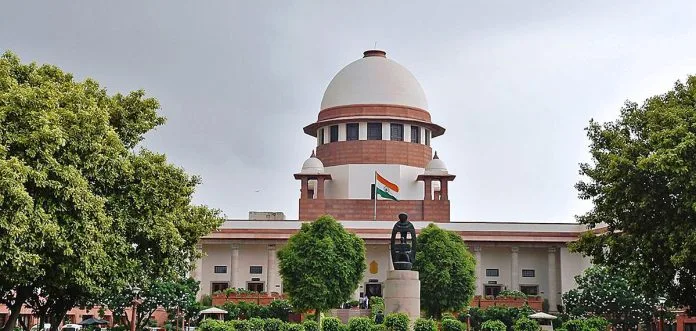
In a statement released on social media, Mayawati criticized the BJP-led central government for its perceived indifference towards implementing the Supreme Court’s recent decision regarding reservation policies. The Supreme Court, in a landmark judgement earlier this month, permitted state governments to sub-classify SC communities and identify a “creamy layer” within these groups that could be excluded from reservation benefits.

Mayawati asserted that the BJP has not taken substantive steps to amend the system to align with public expectations and to counter the court’s ruling. She condemned the government’s alleged weak advocacy in court and its failure to introduce a Constitutional Amendment Bill to address the issue, accusing the BJP of maintaining an “anti-SC/ST reservation” stance.

The BSP leader also targeted opposition parties, particularly the Congress and Samajwadi Party (SP), as well as the INDIA bloc, for their silence on the matter. Mayawati contended that this inaction reflects their lack of genuine concern for the welfare and upliftment of SCs and STs. She asserted that only the BSP, with its Ambedkarite ideology, truly represents the interests of these communities.

Earlier this week, a nationwide strike called by some Dalit and tribal groups in protest against the Supreme Court’s ruling had minimal impact on daily life in Uttar Pradesh. Despite the strike call, shops and businesses continued to operate normally across the state, with heightened security measures in place.

Mayawati’s remarks highlight the ongoing political debate and contention surrounding the reservation policy, underscoring the deep divisions and concerns over the future of affirmative action in India.
7 dead, 21 injured as school bus plunges into gorge in Leh

0

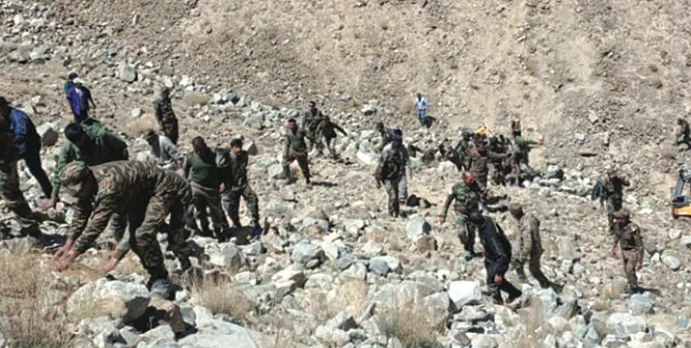
Kargil, Aug 23: At least seven people died and 21 others sustained injuries, some of them critically when a school bus skidded off the road and plunged into a deep gorge near the Durbak area in the Leh district of Ladakh on Thursday.

The ill-fated school bus carrying staff and three children was on its way when the driver lost control over the wheel while initiating a curve at Durbak and fell into a deep gorge at Durbak, resulting in the on-the-spot death of six persons and injuries to 22 persons.

Soon after the accident, the Police, Army, and locals launched a major rescue operation and shifted the injured to a nearby health facility where from they were shifted to Leh, officials said.

Deputy Commissioner Leh Santosh Sukhadev said that the accident occurred when a bus of School Lamdon carrying around 25 staff members including the driver besides three children met with an accident at Durbak.

He said that the bus carrying the staff had gone to attend a marriage function of one of the staffers at Durbak.

“Six people died on the spot and one among the seriously injured persons succumbed while arriving at the hospital,” the DC Leh said.

He said that the other injured had been shifted to a nearby hospital for treatment.

Sukhdev said three helicopters were pressed into service, two from the Indian Air Force (IAF) and one from the Army, to shift the injured to hospitals for treatment.

The Police have registered a case to ascertain the cause of the accident.

Meanwhile, Lieutenant Governor of Ladakh, Brig (Retd) B D Mishra expressed grief over the accident and directed the administration to provide all possible assistance to the injured.

“I am deeply saddened and grieved to hear about the loss of seven lives of our dear Ladakhi citizens and the injury to 21 others in a tragic accident near Durbuk. My deep condolences go to the bereaved families. I wish a speedy recovery of all the injured,” he said. “I direct the Ladakh administration to render all possible help to the affected people at the earliest and immediately arrange helicopter evacuation of those seriously injured for specialised treatment.”

Chief Executive Councillor Ladakh Autonomous Hill Development Council (LADHC) Kargil, Muhammad Jaffar Akhoon also expressed grief over the loss of lives in the accident.

“I am deeply saddened by the excruciating news of the tragic accident near Durbuk, Leh. I extend my condolences to the families of those who lost their lives in the accident. Hope for the swift and complete recovery of the injured. The role of the Army, Police, and civil administration teams has remained exemplary. They promptly responded and provided immediate assistance. May the departed souls rest in peace, and may their loved ones find strength during this difficult time,” he said.

Advisor to LG Ladakh, Pawan Kotwal, Member of Parliament Ladakh, Muhammad Haneefa Jan, and prominent social and political activist Sajad Hussain Kargil also expressed grief over the accident.


AIIMS Doctors Call Off Strike Following Supreme Court Intervention

0

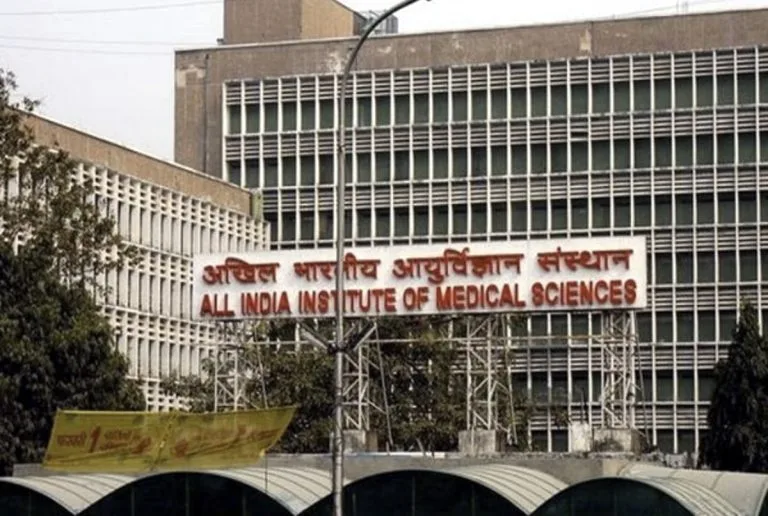
New Delhi, August 22, 2024 — Doctors at Delhi’s All India Institute of Medical Sciences (AIIMS) have decided to end their 11-day strike, which began in protest against the rape and murder of a doctor in Kolkata. The decision follows an appeal from the Supreme Court earlier today.

The Supreme Court had urged the protesting doctors to resume their duties and assured them that no punitive measures would be taken against them upon their return to work. In response to this intervention, the AIIMS Resident Doctors’ Association issued a statement on the social media platform X, announcing the end of their strike.

“We are resuming duties following the Supreme Court’s appeal and assurances regarding the RG Kar incident and the safety of doctors,” the association said. “We commend the Court’s action and call for adherence to its directives. Patient care remains our top priority.”

The strike, which began on August 12, saw doctors across the country halt outpatient department (OPD) services, although emergency services continued uninterrupted. The protest was ignited by the tragic assault and murder of a junior doctor, whose body was discovered on August 9 in the seminar hall of the state-run RG Kar Medical College and Hospital in Kolkata. The victim had suffered severe injuries.

In connection with the case, a civic volunteer has been arrested by the Kolkata Police. The incident has sparked widespread outrage and protests across the nation, highlighting concerns over the safety of medical professionals

Supreme Court Criticizes Kolkata Police Over Delay in Doctor’s Ra*e-Mu*der Case, Urges Doctors to Resume Work

0

Date: August 22, 2024

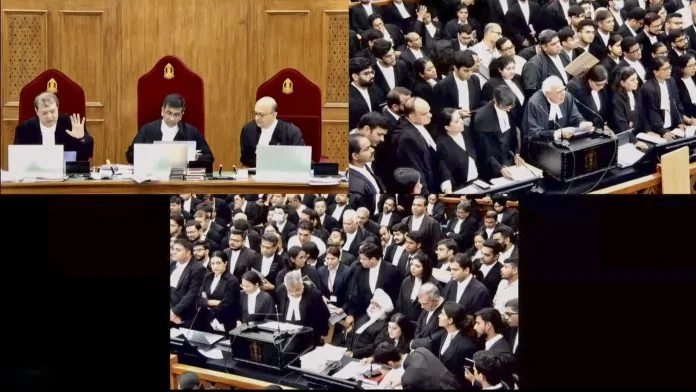
New Delhi – The Supreme Court of India has expressed severe concern over the Kolkata Police’s handling of the investigation into the rape and murder of a woman doctor at RG Kar Medical College and Hospital. Describing the delay in registering the case as “extremely disturbing,” the Court questioned the sequence of legal procedures followed by the police.

During the hearing, Chief Justice DY Chandrachud highlighted a troubling discrepancy: the postmortem of the deceased was conducted on August 9 between 6:10 pm and 7:10 pm, yet the information about the unnatural death was reportedly sent to the Tala police station only at 11:30 pm on the same day. “How was it that the post-mortem was conducted at 6:10 pm and yet the unnatural death information is sent to the police at 11:30 pm? This is extremely disturbing,” remarked the bench, which also included Justices J.B. Pardiwala and Manoj Misra.

The Court has directed the Kolkata Police officer who initially recorded the case to appear at the next hearing and clarify the timeline of the case registration. Solicitor General Tushar Mehta, representing the Central Bureau of Investigation (CBI), revealed that the FIR was registered at 11:45 pm, after the victim had already been cremated. “State police initially told the victim’s parents it was a suicide, then changed the story to murder. The victim’s friend suspected a cover-up and insisted on videography,” Mehta informed the Court.

The Supreme Court also addressed the ongoing protests by doctors. The Court urged protesting doctors to resume their duties, assuring them that no punitive measures would be taken against them upon their return. The bench emphasized the necessity of medical professionals in maintaining public health services, stating, “How will public health infrastructure run if the doctors do not work?” It further encouraged the doctors to bring any further issues to the Court’s attention once they return to work.

In response to the nationwide protests following the brutal assault and murder of the junior doctor, who was found with severe injuries inside the seminar hall of the hospital’s chest department, the Calcutta High Court ordered the transfer of the investigation from the Kolkata Police to the CBI on August 13. The CBI has since commenced its probe on August 14.

KP.3.1.1 COVID-19 Variant Becomes Dominant in the U.S. Amid Rising Infections

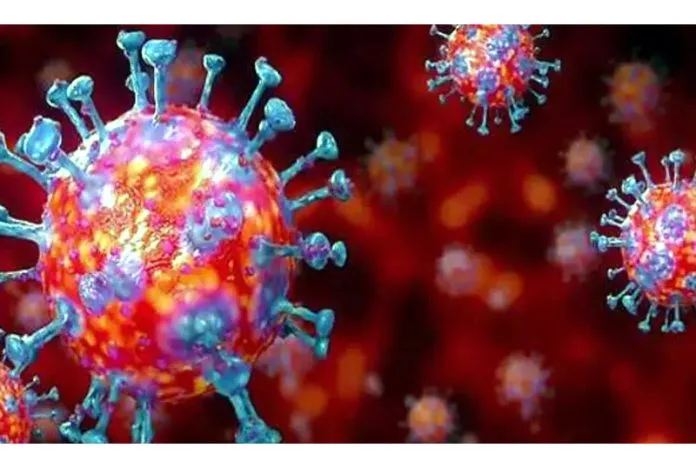
Washington, D.C. – The KP.3.1.1 COVID-19 variant, a member of the Omicron family, has emerged as the predominant strain of SARS-CoV-2 circulating in the United States, according to the latest data from the U.S. Centers for Disease Control and Prevention (CDC). The variant, which is part of a cluster of JN.1-derived variants, has been linked to a noticeable uptick in COVID-19 cases across the country.

The CDC’s data for the two-week period ending August 17 indicates that KP.3.1.1 is now responsible for approximately 31 to 43 percent of COVID-19 clinical specimens analyzed. This represents a significant increase from the 20 to 26 percent range observed in the previous two-week period ending August 3.

This rise in the prevalence of KP.3.1.1 coincides with continued high levels of COVID-19 activity, as reflected in key indicators such as test positivity rates, emergency department visits, and hospitalizations. These elevated markers of COVID-19 activity are particularly pronounced among older adults (ages 65 and above) and young children (under 2 years old).

In response to the growing impact of this variant, the CDC emphasizes the importance of COVID-19 vaccination to prevent severe illness. The agency also announced that updated COVID-19 vaccines, designed to offer enhanced protection during the 2024 to 2025 respiratory virus season, will be available this fall.

The CDC continues to advise the public to stay informed about vaccination options and to take preventive measures to protect themselves and others from COVID-19.

BSF DG Visits Forward Areas Along IB in J&K, Reviews Security

BSF DG Visits Forward Areas Along IB in J&K, Reviews Security

The Director General of the Border Security Force (BSF), Praveen Sood, recently visited key forward areas along the International Border (IB) in Jammu and Kashmir (J&K) to review and strengthen security measures. This visit highlights the BSF’s ongoing efforts to enhance border security amid regional tensions.

Inspection of Security Posts and Frontline Personnel

During his visit, DG Praveen Sood conducted thorough inspections of various security posts along the IB. He interacted directly with frontline personnel to understand their operational challenges and to assess the effectiveness of current security protocols. This hands-on approach ensures that the BSF can address any gaps in security and improve its response to potential threats.

Focus on Enhancing Surveillance and Technology

A significant part of the review involved evaluating advanced surveillance technologies and border management systems. The DG emphasized the need for state-of-the-art equipment to detect and prevent cross-border infiltrations and other security breaches. By integrating modern technology, the BSF aims to maintain a robust defense along the border.

Supporting Troop Morale and Operational Readiness

DG Sood also addressed the importance of troop morale and support. Recognizing the demanding conditions faced by BSF personnel, he stressed the need for continuous motivation and resources to ensure high performance and effective border security. Maintaining high morale is crucial for the resilience and efficiency of security operations.

Strategic Measures and Future Plans

The visit included discussions on strategic measures and future plans for enhancing border security. The DG’s insights and directives will guide the implementation of new strategies and improvements in border management. The BSF’s commitment to upgrading its operations reflects its dedication to safeguarding the International Border in J&K.

Ongoing Efforts to Secure the International Border

Overall, DG Praveen Sood’s visit underscores the BSF’s commitment to securing the International Border in Jammu and Kashmir. By focusing on advanced technology, operational readiness, and troop support, the BSF aims to effectively address security challenges and ensure the safety of the region.


ALSO READ: Enhanced M-Pox Management at SKIMS Srinagar.


Supreme Court to Form Committee for Resolving Farmers’ Grievances

0

New Delhi – The Supreme Court of India has announced plans to constitute a multi-member committee aimed at addressing and resolving the grievances of farmers on a long-term basis. The decision, announced by a bench consisting of Justice Surya Kant, Justice Dipankar Datta, and Justice Ujjal Bhuyan, is intended to tackle the ongoing issues that have led to significant disruptions, including highway blockades.

During today’s hearing, the Court directed the Punjab and Haryana governments to submit a list of tentative issues concerning farmers to the newly formed committee. This move follows a series of protests and blockades that have impacted major transport routes, including the Shambhu border near Ambala, which has been a focal point of contention since February 13.

The Punjab government reported compliance with the Court’s previous order from August 12, stating that they have engaged with the protesting farmers and agreed to partially open the blocked highway. The Supreme Court had previously emphasized that highways should not be used as parking spaces, urging the Punjab government to facilitate the removal of tractors and trollies from the roads.

The Court has instructed both Punjab and Haryana governments to continue their engagement with the protesting farmers and to encourage them to clear their vehicles from the highways to restore normalcy.

The Supreme Court’s decision comes in response to a plea from the Haryana government challenging a high court order that demanded the removal of barricades erected at the Shambhu border. These barricades were set up in February after farmer groups, including the ‘Samyukta Kisan Morcha’ and ‘Kisan Mazdoor Morcha,’ planned to march to Delhi to advocate for their demands, including a legal guarantee for the Minimum Support Price (MSP) for their produce.

The matter will be revisited on September 2, when the Court is expected to review the progress of the committee and further discussions on the farmers’ issues.

Tags: Supreme Court, Farmers’ Grievances, Punjab, Haryana, Highway Blockades, Minimum Support Price, Legal Guarantee, Agricultural Protests

Enhanced M-Pox Management at SKIMS Srinagar.

SKIMS Srinagar: has significantly bolstered its response to the M-Pox outbreak by implementing comprehensive measures to ensure effective management and containment. As part of these efforts, the institution has established state-of-the-art isolation facilities and a dedicated control room to handle M-Pox cases with utmost efficiency.

To address the growing needs, SKIMS has set up a 24/7 helpline center, available at 0194-2403679, to provide continuous support and information to the public. This initiative aims to offer immediate assistance and answer any queries related to M-Pox.

In addition to the helpline, SKIMS has prepared detailed guidelines for healthcare workers. These guidelines focus on rigorous screening, infection control, and the management of cases, especially at high-traffic areas such as airports and railway stations. This proactive approach is crucial in preventing the spread of the virus.

SKIMS has also ensured the availability of essential protective gear, including PPE kits, N95 masks, surgical gloves, and other safety equipment. These supplies are vital for both healthcare professionals and individuals in the community to safeguard against infection.


Public awareness is a key component of SKIMS’s strategy. The institution plans to issue a detailed advisory and launch educational campaigns across social media and other platforms to inform the general public about M-Pox. These campaigns will provide valuable information on prevention, symptoms, and treatment options.

Dr. M Ashraf Ganie, Director of SKIMS, recently led a review meeting to evaluate the ongoing efforts and preparations. He was briefed by a team of experts, including Prof. Shariq Masoodi, Prof. Irfan Rabbani, Dr. Farooq A. Jan, Prof. Bashir Fomda, and Prof. Aijaz Nabi Koul, who highlighted the rising situation and the measures implemented to manage M-Pox effectively.

With these enhanced measures, SKIMS Srinagar is committed to tackling the M-Pox outbreak with a robust and coordinated approach, ensuring the health and safety of the community. The institution’s comprehensive strategy underscores its dedication to addressing the crisis with transparency and efficiency.


ALSO READ:Annual Pilgrimage of Chhari-Mubarak Concludes in Pahalgam

“Rahul Gandhi Prioritizes J&K Representation and Statehood”

0

SRINAGAR, Aug 22: As the election commission of India announced the dates of the state assembly elections in Haryana and  Jammu and Kashmir, Leader of opposition in Lok Sabha and Congress leader Rahul Gandhi along with Congress Rajya Sabha MP Mallikarjun Kharge held a meeting with the party workers of Jammu and Kashmir on Thursday. While addressing the event, Lok Sabha LoP and Congress MP Rahul Gandhi said that the representation of the people of Jammu and Kashmir and their statehood is the most important thing.


“You are not workers, you are family. As soon as we got to know that elections were going to be conducted, we first decided to come here to Jammu and Kashmir because we wanted to give a message to the people of every state that for us the representation of the people of Jammu and Kashmir and their statehood is the most important thing,” said Rahul Gandhi.
“In the history of India, after independence, many union territories have been converted into states but there is only one example when statehood was taken away and a union territory was created. This has never happened before and we want to give this message that the representation of the people of Jammu and Kashmir is important, it is important for us and it is important for the country…” he added further.
Rajya Sabha LoP and Congress President Mallikarjun Kharge mentioned that Rahul Gandhi is related to J&K by blood and appealed to voters saying that their votes are needed to save the country and the culture and rights of the citizens.
“If we win the elections in J&K, the whole of India will come under our control… As Rahul Gandhi said, his relationship with J&K is not limited to likes or dislikes. He is related to J&K by blood… We hope J&K will stand with us in the upcoming elections… The BJP is always the one who decides where and when to begin elections. All their anger and frustration are targeted only at Congress because no other party gives a tough fight. The only person who dares to fight is Rahul Gandhi… We need your votes to save the country, to save your culture and rights…” said Kharge.
Notably, security has been heightened outside the hotel where Rahul Gandhi and Congress chief Mallikarjun Kharge held the meeting. The Congress is likely to fight the JK elections in alliance with the National Conference, although a formal announcement is awaited. The two parties which were part of the INDIA bloc fought the Lok Sabha elections in alliance.

ALSO READ: Chief Secretary Atal Dulloo Reviews Security Arrangements for Upcoming Assembly Elections


Unemployment in India: Challenges and Solutions

Unemployment in India remains one of the most pressing issues affecting its economic stability and growth. Despite being one of the fastest-growing economies globally, India grapples with a high unemployment rate, particularly among its youth. Understanding the factors contributing to this crisis and exploring viable solutions are crucial for fostering sustainable economic development.

Current State of Unemployment

As of 2024, India’s unemployment rate stands at approximately 6.3%, with youth unemployment being significantly higher. The country’s demographic dividend, characterized by a large and growing working-age population, paradoxically contributes to the problem, as the job market struggles to absorb the influx of new entrants. Various factors contribute to this situation, including inadequate skill development, economic slowdowns, and structural mismatches in the labor market.

Underlying Causes

Several key factors contribute to the unemployment crisis in India:

Skill Mismatch: There is a notable gap between the skills possessed by job seekers and those demanded by employers. The rapid advancement of technology has further widened this gap, leaving many workers unprepared for modern job requirements.

Economic Slowdowns: Periodic economic slowdowns, exacerbated by global uncertainties and domestic challenges, have led to reduced hiring and job creation.

Educational System: The current educational system often emphasizes theoretical knowledge over practical skills, leaving graduates ill-equipped for the job market.

Informal Sector: A significant portion of employment in India is in the informal sector, which often lacks job security and benefits, contributing to underemployment and job instability.

Effective Solutions

Addressing unemployment in India requires a multi-faceted approach:

Skill Development Programs: Implementing comprehensive skill development and vocational training programs can bridge the skill gap. Partnerships between educational institutions and industries can ensure that training aligns with market needs.

Promoting Entrepreneurship: Encouraging entrepreneurship through government incentives, mentorship programs, and easier access to funding can create new job opportunities and stimulate economic growth.

Reforming Education: Updating the education system to focus on practical skills, critical thinking, and problem-solving can better prepare students for the workforce.

Infrastructure Development: Investing in infrastructure projects can generate employment and stimulate related industries, driving broader economic benefits.

Policy Interventions: Implementing policies that support job creation, including tax incentives for businesses that hire new employees and support for startups, can help reduce unemployment rates.

In conclusion, tackling unemployment in India requires a holistic approach that addresses both the immediate and long-term needs of the labor market. By focusing on skill development, promoting entrepreneurship, reforming education, and investing in infrastructure, India can work towards a more robust and inclusive job market. Addressing these challenges effectively will not only reduce unemployment but also contribute to sustained economic growth and prosperity.

By implementing these solutions, India can harness its demographic potential and create a dynamic job market that supports economic development and social stability.

ALSO READ:11 Additional Judges Elevated to Permanent Positions