Thursday, July 23, 2026
Home Blog Page 244

IMF Urges Pakistan to Eliminate Preferential Treatment for Agriculture and Textile Industries

Islamabad, Oct 14: The International Monetary Fund (IMF) has called on Pakistan to promptly eliminate preferential treatment, tax exemptions, and various protections for its agriculture and textile sectors. According to a report by The Dawn, the IMF claims that these practices have hindered the country’s growth potential for decades.

In its staff report on the underlying issues affecting Pakistan’s struggling economy, the IMF criticized both sectors for not only failing to contribute significantly to national revenue but also for consuming substantial public funds while remaining inefficient and uncompetitive. The IMF emphasized that as part of the recently approved USD 7 billion Extended Fund Facility (EFF), Pakistan must abandon economic practices from the past 75 years to break free from its recurring boom-bust cycles.

The report, released on October 10, highlighted that Pakistan has significantly lagged behind comparable nations, leading to stagnation that has deteriorated living standards and pushed over 40.5% of the population below the poverty line. The IMF pointed out that Pakistan has struggled to develop more sophisticated export products, with a low share of knowledge-intensive exports due to a lack of innovation. In 2022, Pakistan ranked 85th on the Economic Complexity Index, the same position it held in 2000.

The report noted that the country’s export basket is heavily weighted toward agriculture and textiles, including cotton yarn, rice, woven fabrics, beef, and leather apparel, which has limited its ability to shift resources toward more technologically advanced products. Although Pakistan does export some high-value goods, such as medicines and medical instruments, these sectors operate within a distorted economic framework.

The IMF report identified tariffs on intermediate and final goods as significant barriers to competitiveness and domestic market growth, which hinder the country’s transition to more advanced manufacturing. It stated that existing microeconomic distortions, such as public procurement of agricultural goods and fiscal incentives for low productivity sectors, have stymied reallocation efforts.

The textile sector was specifically identified as having the highest tax gap relative to its value added, benefiting from subsidies, preferential pricing on inputs, and concessional financing schemes between 2007 and 2022. The IMF emphasized the need for the government to simplify trade policies in the upcoming National Tariff Policy (2025-29) and to avoid using tariffs as a means to protect inefficient sectors, as such strategies weaken exports and inhibit participation in global value chains.

Additionally, the report cautioned against trade policies designed to promote specific domestic sectors, including export subsidies and local content requirements, which could lead to resource misallocation and potential violations of international obligations. The IMF pointed out that Pakistan’s export growth has been notably weak compared to regional peers, particularly stagnant during the 2010s.

The report also indicated that several complex goods lie within the technological reach of Pakistan’s current export basket, such as glassware, paints, chemicals, and rubber products. However, to foster the development of these new industries, the country must establish a level playing field for businesses and avoid targeted policies that favor certain sectors. The IMF stressed the importance of greater integration into global trade and easier access to imports, both as intermediate inputs for production and as final goods, to promote domestic competition. Removing fiscal incentives would help reduce resource misallocation and encourage fair pricing across firms.
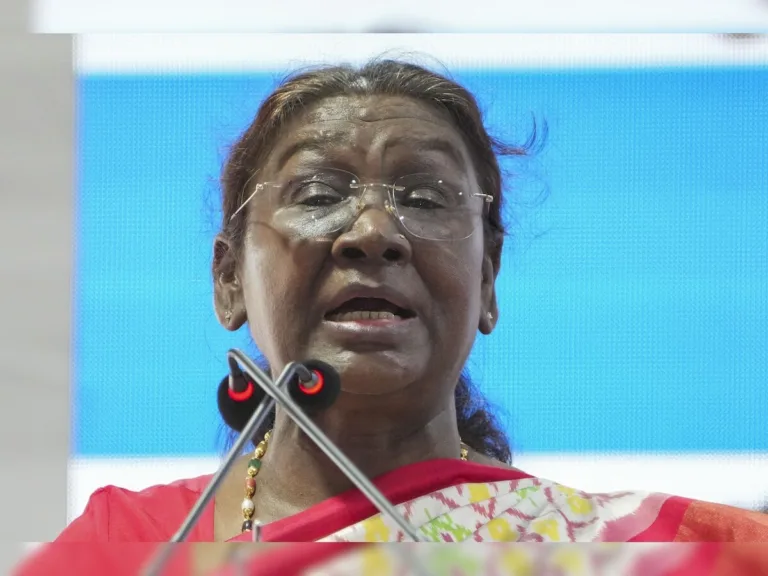
President Murmu Engages with Indian Community in Algeria

Algiers, Oct 14 : President Droupadi Murmu praised the contributions of the Indian diaspora in promoting India’s global standing during her visit to Algeria, marking the first-ever visit by an Indian Head of State to the North African nation.

Murmu arrived in Algiers on Sunday, the first stop of her three-nation tour aimed at deepening India’s engagement with Africa. During her visit, she is scheduled to meet Algerian President Abdelmadjid Tebboune on Monday and will visit the King Abdulla Science and Technology Centre, a project developed by Indian firm Shapoorji Pallonji.

Shortly after her arrival, President Murmu interacted with members of the Indian community at a special reception. A statement from Rashtrapati Bhavan shared on social media platform X highlighted her address, saying, “The Indian community in Algeria serves as a bridge advancing India’s interests and soft power.”

In her speech, Murmu emphasized the role of the Indian diaspora in Algeria, noting that with India moving swiftly on its developmental path, the support and goodwill of Indian communities abroad, including in Algeria, remain crucial. “With the collective efforts of 1.4 billion Indians, we embark on a new journey of hopes and aspirations,” she remarked.

Murmu also spoke about the longstanding ties between India and Algeria, recalling India’s early support for Algeria’s independence struggle and the deep personal connections shared by leaders of both countries. “When Algeria gained independence in 1962, India was among the first to establish diplomatic relations,” she said, emphasizing the enduring friendship despite geographic distance.

Highlighting cultural connections, she spoke of the popularity of Indian films and TV shows in Algeria and the fond memories Algerians have of Indian teachers and doctors who worked in the country in the 70s and 80s. She noted the unique bond, adding that some Algerian brides even wear Indian sarees during their three-day wedding celebrations.

Murmu lauded the approximately 4,000 Indians living in Algeria, many of whom work on challenging projects in remote areas, and acknowledged the presence of Indian public and private companies operating in the country. She emphasized that these Indians are effectively India’s ambassadors, playing a key role in enhancing India’s image abroad.

“As India marches forward in the Amrit Kaal, we will continue to foster strong relationships with countries like Algeria, driven by the spirit of South-South cooperation,” she concluded, reaffirming India’s commitment to strengthening ties with African nations.

Following her visit to Algeria, President Murmu will continue her tour with stops in Mauritania and Malawi.

President’s Rule Lifted in J&K, Paving the Way for New Government to Take Charge

New Delhi, Oct 13 – President’s rule in Jammu and Kashmir was officially withdrawn on Sunday, clearing the way for the formation of a new government in the union territory. A gazette notification to this effect was issued by the Union Home Ministry.

The notification, signed by President Droupadi Murmu, stated, “In exercise of the powers conferred by Section 73 of the Jammu and Kashmir Reorganisation Act, 2019, read with Articles 239 and 239A of the Constitution of India, the order dated October 31, 2019, in relation to the union territory of Jammu and Kashmir shall stand revoked immediately before the appointment of the chief minister under Section 54 of the Jammu and Kashmir Reorganisation Act, 2019.”

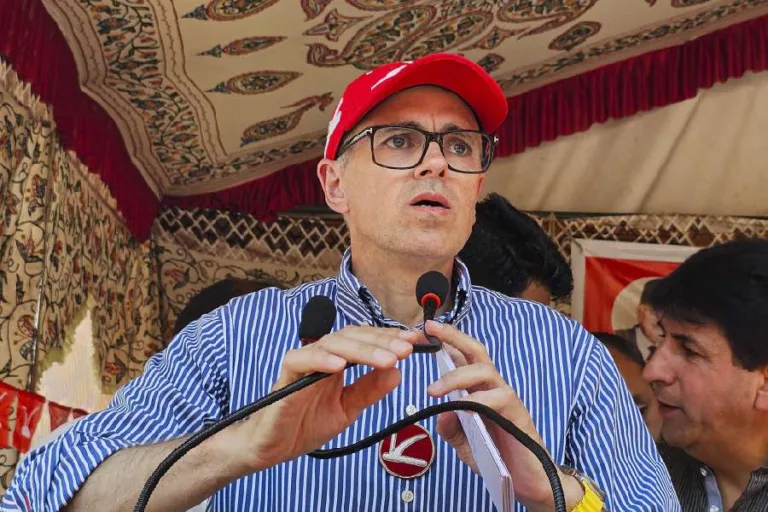
The revocation follows the recent Jammu and Kashmir Assembly elections, in which the National Conference (NC) and Congress alliance emerged victorious. NC vice president Omar Abdullah has been elected as the alliance leader and will assume office as the new Chief Minister of Jammu and Kashmir.

President’s rule was imposed on October 31, 2019, following the bifurcation of the erstwhile state into two union territories—Jammu and Kashmir, and Ladakh—under the Jammu and Kashmir Reorganisation Act, 2019. This act, passed by Parliament on August 5, 2019, also included the abrogation of Article 370, which had granted special status to the former state.

Prior to the bifurcation, Jammu and Kashmir had been under central rule since June 2017, following the resignation of then Chief Minister Mehbooba Mufti when the BJP withdrew support from the PDP-led government. Central rule was initially imposed as Governor’s rule for six months, followed by President’s rule, which was extended multiple times with parliamentary approval.

When Jammu and Kashmir became a union territory on October 31, 2019, President’s rule in the undivided state was formally withdrawn. However, central rule continued in the union territory through the Lieutenant Governor (LG) under special provisions of the Jammu and Kashmir Reorganisation Act, 2019.

The governance of Jammu and Kashmir, a union territory with a legislature, is governed by Section 73 of the Act. This section empowers the President to impose central rule if the administration cannot be carried out in accordance with the Act or if it is necessary for proper administration.

With the lifting of President’s rule, the stage is now set for the newly elected government to take charge, signaling a new chapter in Jammu and Kashmir’s political landscape.

Bomb Threat Forces Air India Mumbai-New York Flight to Divert to Delhi

0

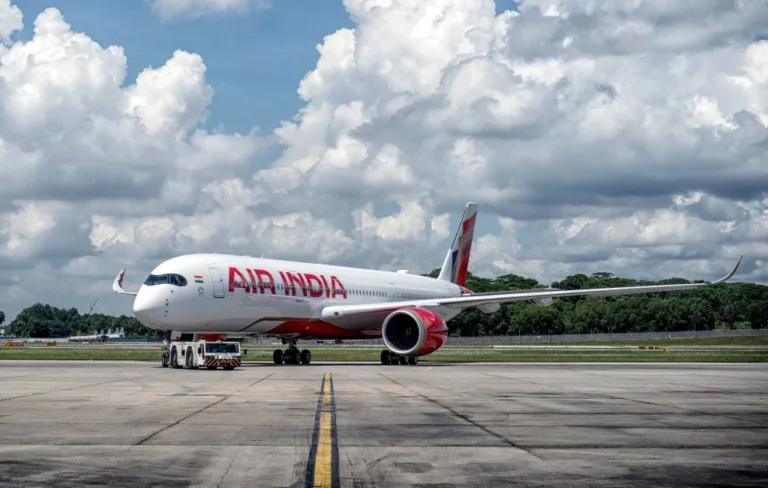
New Delhi, Oct 14 – An Air India flight traveling from Mumbai to New York was diverted to Delhi on Monday following a bomb threat. The decision to divert the flight was made after Mumbai airport received a threat message on X (formerly Twitter), which was immediately relayed to security agencies.

Delhi Police confirmed that the aircraft, now stationed at Indira Gandhi International Airport, is undergoing all necessary safety procedures to ensure the well-being of passengers and crew. “We are diligently following standard safety protocols, and all security agencies are on high alert,” a senior Delhi police officer said, urging the public to avoid spreading unverified information.

The Air India spokesperson issued a statement saying, “Flight AI119, operating from Mumbai to JFK on October 14, received a specific security alert. On instructions from the government’s security regulatory committee, the flight was diverted to Delhi. All passengers have safely disembarked and are currently at the Delhi airport terminal. Our ground staff is working to minimize any inconvenience caused by this unexpected situation. Air India remains fully committed to the safety and security of its passengers and crew.”

The incident follows a string of recent bomb threats targeting airports across the country. On October 5, Madhya Pradesh’s Devi Ahilya Bai Holkar International Airport in Indore received a bomb threat via email, which also included threats to other airports. The same day, Vadodara Airport in Gujarat faced a similar threat, prompting thorough security searches.

Security measures have been heightened at Delhi Airport, and authorities are actively investigating the source of the threat to determine its credibility. Further updates will be provided as more information becomes available.

Trikuta Degree College Celebrates Navratri with Vibrant Garba and Cultural Festivities

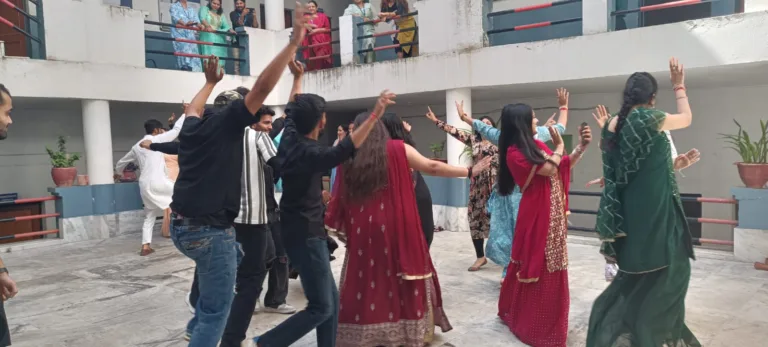
Jammu : Trikuta Degree college celebrated Navratri ,a nine-night Hindu festival honoring the DivineFeminine. The event showcased the rich cultural heritage of the college community throughtraditional dance, music, and religious ceremonies. The highlight of the celebration was the Garba, where students danced in circles to the livelybeats of Indian folk music. The colorful attire and joyful atmosphere created a festive ambiancethat reflected the spirit of the festival.The chairperson Mrs Suman Sharma and Principal MrsSunita Magotra wished all the students and motivated them to stay connected with our Indianculture.

Akhilesh Yadav’s Late-Night Visit to JPNIC: Criticizes Government for Blocking Entry with Tin Sheets

0

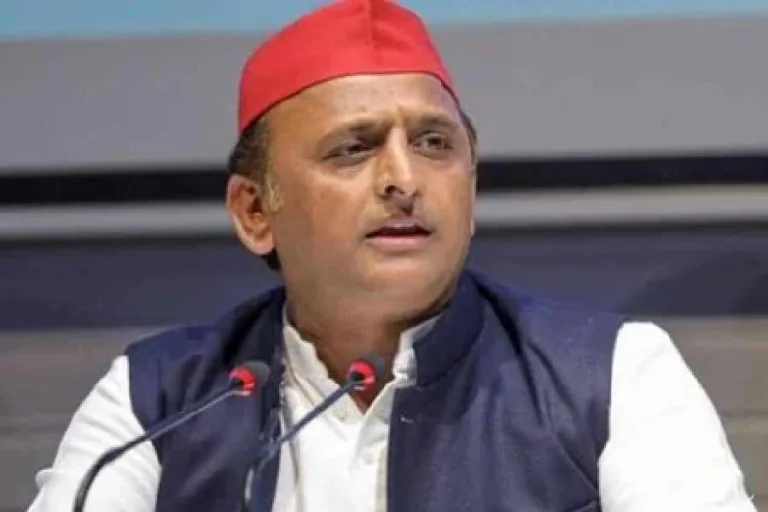
Lucknow, Oct 10  — Samajwadi Party chief Akhilesh Yadav visited the Jayaprakash Narayan International Centre (JPNIC) late Thursday night, criticizing the Yogi Adityanath-led government for blocking its main gate with tin sheets, allegedly to prevent entry.

October 11 marks the birth anniversary of socialist leader Jayaprakash Narayan. Last year, Yadav famously climbed the gate of JPNIC in Gomti Nagar to pay tribute by garlanding Narayan’s statue within the premises.

Speaking to reporters outside the Centre, Yadav condemned the move, stating, “This JPNIC is a museum dedicated to socialism, with a statue of Jayaprakash Narayan. It holds significant lessons on socialism. What is the government trying to hide by erecting these tin sheets? Are they planning to sell it or hand it over to someone else?”

In a video shared on social media, Yadav can be seen asking a painter to write “Samajwadi Party Zindabad” on the tin barriers. When asked if he planned to return to pay tribute the following day, Yadav responded, “We will decide the programme tomorrow. How long will they keep it closed behind tin sheds?”

Later, in a post on X (formerly Twitter), Yadav criticized the BJP government, calling the closure a symbol of the party’s “closed thinking” during what he termed the “ostentatious Amritkal of freedom.” He accused the BJP of harboring animosity towards freedom fighters like Jayaprakash Narayan, stating, “BJP members did not participate in the freedom struggle, and their guilt prevents them from honoring revolutionaries on their birth anniversaries.”

Earlier in the day, the Samajwadi Party shared a video on social media showing workers erecting tin sheets around the JPNIC gate, condemning the action. “The incompetent BJP government is continuously attacking democracy!” the party wrote on X, labeling the move as part of the BJP’s “dirty politics.”

The party further accused the government of disrespecting prominent figures by halting development projects, such as the JPNIC, which was inaugurated by Akhilesh Yadav in 2016 during his tenure as Chief Minister of Uttar Pradesh. Construction on the building, which includes the Jayaprakash Narayan Interpretation Centre and a museum, was halted after the BJP took power in 2017.

Traffic restrictions around JPNIC have been announced by Lucknow Police for Friday in anticipation of further events.

Mahadev Betting App Promoter Sourabh Chandrakar Arrested in Dubai, Extradition to India Expected Soon

0

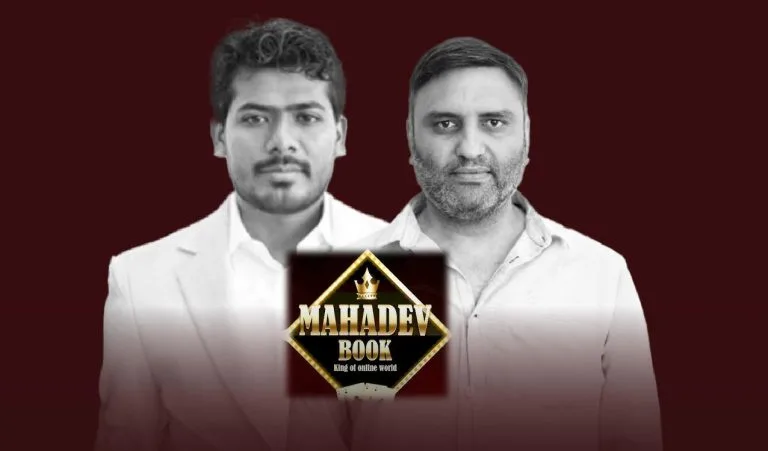
NEW DELHI, Oct 11: Sourabh Chandrakar, one of the key promoters of the Mahadev betting app, is expected to be brought back to India soon after being formally arrested in Dubai following an Interpol-issued Red Notice, official sources said on Friday.

Chandrakar, along with co-promoter Ravi Uppal, had been under “house arrest” in Dubai since last year after the Enforcement Directorate (ED) requested Interpol to issue the Red Notice. An RN allows countries to locate and provisionally arrest individuals pending extradition.

Sources have revealed that Chandrakar’s extradition or deportation to India could occur in the coming days. The ED is in the process of submitting the required documentation to Dubai authorities, who will then approach a competent court for approval.

Indian consulate officials in Dubai informed PTI that they have “not heard anything from UAE authorities yet.”

Chandrakar left India for Dubai in 2019, where he has been residing since. Before his departure, he operated a juice shop named “Juice Factory” in Bhillai town, Durg district, Chhattisgarh, with his brother.

The ED’s investigation into the Mahadev Online Book (MOB) app revealed a complex web of illegal betting and money laundering involving high-ranking politicians and bureaucrats from Chhattisgarh. The app is part of a broader syndicate that arranges online platforms for illegal betting, enrolling users, creating accounts, and laundering money through multiple benami bank accounts.

To date, the ED has arrested 11 individuals in connection with this case, filing two charge sheets, including one against Chandrakar and Uppal. The Chhattisgarh Police are also conducting a parallel investigation.

The proceeds of crime in this case are estimated to be around Rs 6,000 crore, according to the ED. Chandrakar’s extravagant wedding in Ras Al Khaimah, UAE, in February 2023, allegedly cost Rs 200 crore in cash, with private jets hired for relatives and Bollywood celebrities paid to perform at the event.

The ED has summoned several Bollywood celebrities to probe their involvement with the online betting platform, particularly regarding payment methods and their connection to the app.


Five Undertrial Prisoners Escape from Morigaon Jail, Assam; Search Underway

0

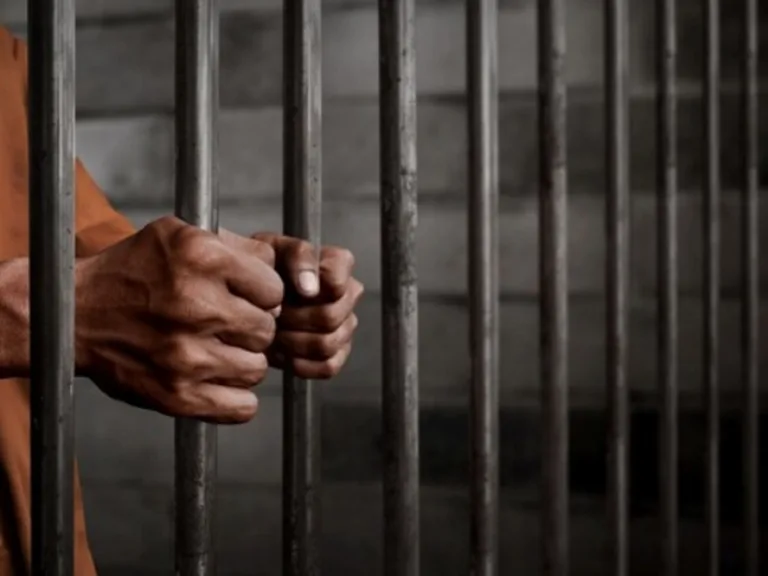
MORIGAON, Oct 11: In a dramatic jailbreak, five undertrial prisoners escaped from Morigaon District Jail in Assam during the early hours of Friday, officials confirmed.

According to Morigaon District Commissioner Devashish Sharma, the escape occurred between 1 a.m. and 2 a.m. The undertrial prisoners were facing charges under the Protection of Children from Sexual Offences (POCSO) Act and had been arrested from Morigaon and Sonitpur districts.

The prisoners reportedly broke the iron grille of their cell and used improvised ropes made from bed sheets, blankets, and lungis to climb down the 20-foot boundary wall of the jail, another official said.

A manhunt is currently underway to apprehend the escaped inmates. A magisterial inquiry has been ordered to investigate the incident and to assess any potential lapses in jail security.

“Three of the prisoners were arrested in connection with cases registered at Laharighat police station, while the other two were arrested in cases at Moirabari and Tezpur police stations,” added Sharma.

Govt. Ayurvedic Medical College Conducts Free Medical Camp for Army Personnel at RLT Vihar, Akhnoor

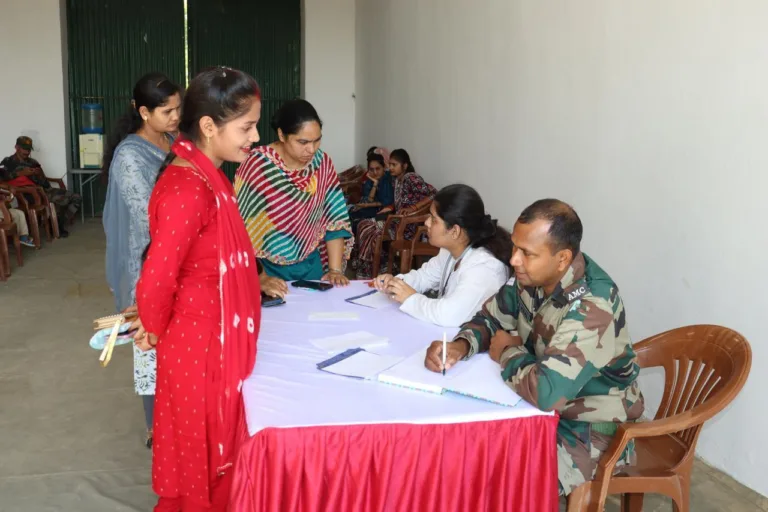
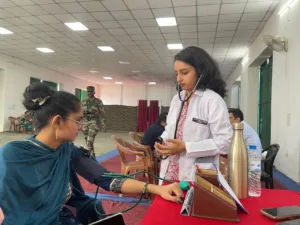
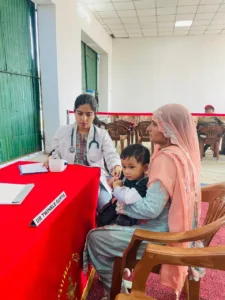
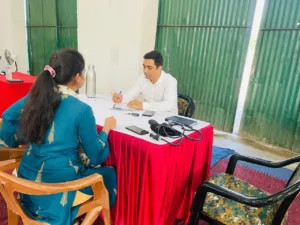
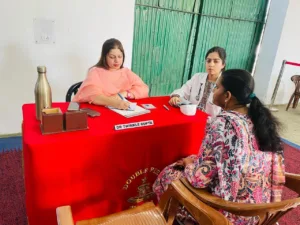
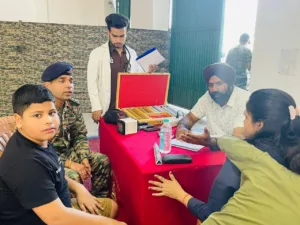
In a significant outreach initiative, the Govt. Ayurvedic Medical College (GAMC) Akhnoor organized a successful free medical camp on 10.10.2024 at RLT Vihar, near Akhnoor, for Indian Army personnel and their families. Led by a team of distinguished doctors and supported by dedicated internees and final-year students, the camp provided essential healthcare services to 160 patients.


The team of doctors included:
1. Dr. Twinkle Gupta (Kayachikitsa)
2. Dr. Shailej Gupta (Panchakarma)
3. Dr. Sudesh Gupta (Shalya Tantra)
4. Dr. Amandeep (Shalakya Tantra)

They were supported by internees Dr. Kanika Vasudevan, Dr. Pushpinder, and Dr. Mitali, along with final-year students Shubam, Ajay, Anchikta, Awal, and Alia.

Patients were provided free consultations, and medicines were distributed at no cost. A variety of specialized Panchakarma ,Shalya , and Shalakya procedures were successfully conducted during the camp, with patients responding positively to the treatments.

Lt. Colonel Karthikeyan P. extended his sincere gratitude to Principal Dr. Ashutosh Gupta, Nodal Officer Dr. Narinder Sharma, and the entire medical team. He praised their commitment and requested that similar camps be organized in the future to continue serving the healthcare needs of army personnel in the area.

The camp was a testament to the strong partnership between GAMC and the Indian Army, showcasing the college’s dedication to extending high-quality medical services beyond its walls. ‎

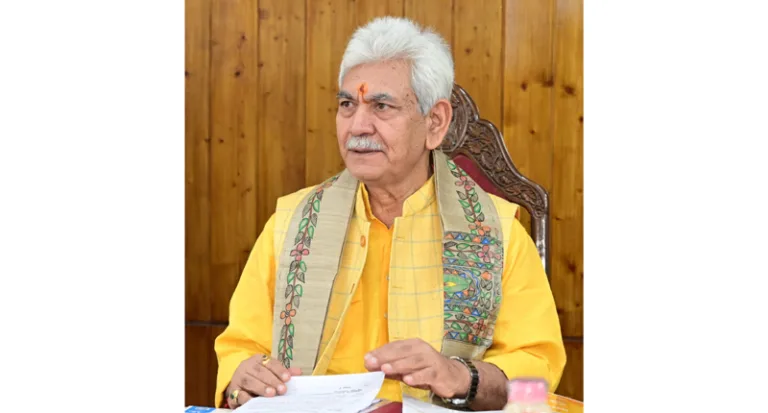
Lt Governor Manoj Sinha Extends Warm Greetings on Durga Puja

Lieutenant Governor Manoj Sinha has extended heartfelt greetings and best wishes to the people on the eve of Durga Puja.

In his message, the Lt Governor said, “On the auspicious occasion of Durga Puja, I convey my warm greetings and felicitations to all. Durga Puja symbolizes the triumph of good over evil and brings hope for a brighter future. Maa Durga is the epitome of Shakti, and we should pray for her guidance on the path of righteousness so that we may lead pious, virtuous, and noble lives.”

He further added, “May this festival strengthen the bonds of brotherhood and may Maa Durga bless us all with health, happiness, and prosperity.”