Thursday, July 23, 2026
Home Blog Page 230

SC Allows LMV License Holders to Drive Transport Vehicles Weighing Up to 7,500 Kg

0

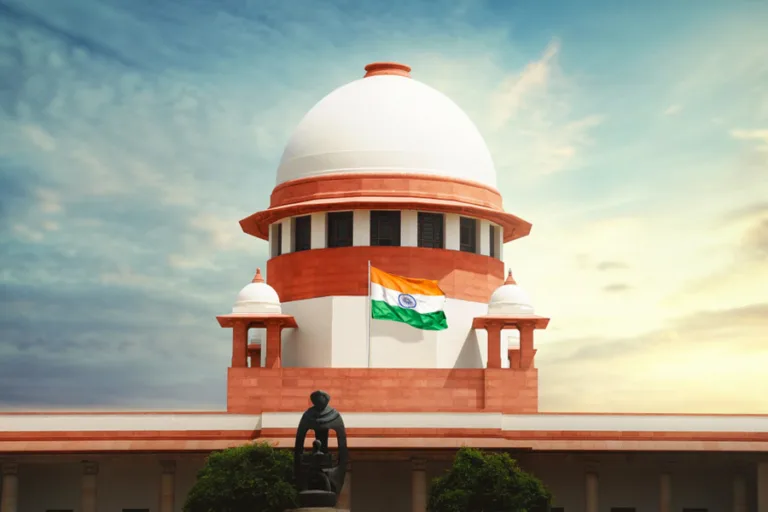
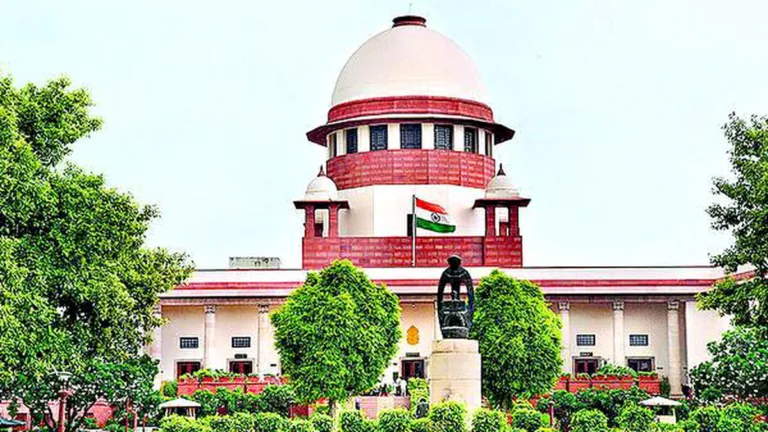
NEW DELHI, Nov 6: In a significant relief to commercial vehicle drivers, the Supreme Court ruled on Wednesday that individuals holding a Light Motor Vehicle (LMV) driving licence are also authorized to drive transport vehicles with an unladen weight of up to 7,500 kg.

The judgment, delivered by a five-judge Constitution bench led by Chief Justice D.Y. Chandrachud, is expected to impact insurance companies, which have previously rejected claims in accidents involving transport vehicles of a certain weight, arguing that drivers lacked the necessary authorization.

Justice Hrishikesh Roy, who penned the unanimous verdict, stated, “There is no empirical data to suggest that LMV licence holders are responsible for an increase in road accidents.” He added that LMV licence holders, who spend considerable time driving, should not have their grievances dismissed on technical grounds.

The bench, also comprising Justices P.S. Narasimha, Pankaj Mithal, and Manoj Misra, had reserved its judgment on August 21. Attorney General R. Venkataramani, representing the Centre, informed the court that consultations on amending the Motor Vehicles Act, 1988, were nearly complete, and the court urged the government to expedite the amendment process.

The legal issue at hand was whether LMV licence holders could legally drive transport vehicles weighing up to 7,500 kg. This matter had raised disputes over insurance claims, as companies had contested paying claims for accidents involving such vehicles driven by LMV-licensed drivers.

Insurance companies had argued that tribunals and courts were disregarding their objections based on the LMV licence stipulation, and had adopted a pro-insured stance in deciding accident claims.
Assembly Passes Resolution for Special Status Restoration; BJP Protests

0

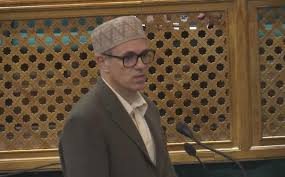
Srinagar, Nov 6: The Jammu and Kashmir Assembly passed a resolution on Wednesday demanding the restoration of the erstwhile state’s special status, prompting a strong protest from BJP members who termed the move an “anti-national agenda.”

BJP leaders alleged that the Speaker of the House displayed bias toward the ruling party, despite claiming neutrality. They argued that the Speaker was favoring the National Conference (NC). In a dramatic display, BJP leader Sham Lal Sharma climbed onto a table in the Well of the House, accusing the NC of historically manipulating the sentiments of J&K residents since 1947.

“Yesterday, you spoke differently. Article 370 is final; this political gimmick won’t work. From Sheikh Abdullah to Omar Abdullah, emotional blackmail has been routine in J&K. The Speaker should act impartially,” Sharma stated, as BJP members chanted “Shame, Shame.”

The BJP MLAs also raised slogans, saying, “Jahan Huway Balidan Mukherji, wo Kashmir hamara hai, desh drohi agenda nahi chalega” (Where Mukherji sacrificed, that Kashmir is ours; no anti-national agenda will succeed). Additionally, they expressed support for the government of India’s actions on August 5, 2019, which revoked J&K’s special status.

J&K Assembly Passes Resolution Seeking Restoration of Special Status

Srinagar, Nov 06: In a significant move, the Jammu and Kashmir Legislative Assembly on Wednesday passed a resolution urging the central government to restore the region’s special status, amid strong opposition from BJP members.

The resolution, passed by a voice vote, calls upon the Centre to engage in dialogue with the elected representatives of Jammu and Kashmir to discuss the restoration of its special status. Deputy Chief Minister Surinder Singh Choudhary, representing the National Conference, introduced the resolution, aligning with the party’s manifesto promise to safeguard the identity, culture, and rights of the people of Jammu and Kashmir, which they argue were compromised by the removal of constitutional guarantees.

The resolution also appeals to the central government to initiate formal talks aimed at restoring these protections.

The session was marked by a protest from BJP legislators, who entered the well of the House in opposition to the resolution, leading to commotion. Following the disruption, the Speaker adjourned the House.

Jaishankar Predicts U.S. Leaning Toward Isolationism, Regardless of Election Outcome

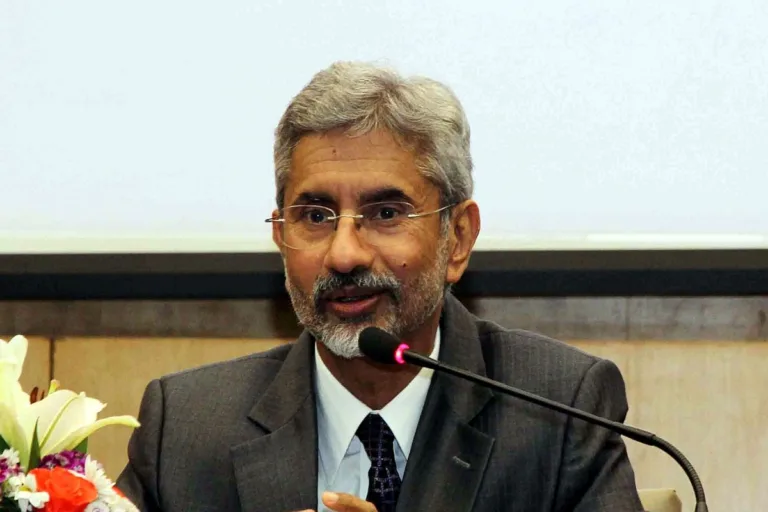
Canberra, Nov 6: India’s External Affairs Minister (EAM) S. Jaishankar highlighted on Wednesday that the United States is likely to adopt a more isolationist approach, regardless of the outcome of its ongoing presidential election. Speaking at an event in Canberra, EAM Jaishankar noted that this trend in U.S. policy is rooted in a gradual shift that has been building over several administrations.

Jaishankar stated that this shift began as early as the Obama era, marked by a growing caution in the U.S. toward extensive global engagements, including a reluctance to deploy troops abroad. He cited the U.S. withdrawal from Afghanistan under President Biden as a recent example of this trend.

While noting that former President Trump was particularly vocal about U.S. disengagement, Jaishankar emphasized the importance of viewing U.S. policy beyond any specific administration’s ideology. “We must prepare for a world where the level of dominance and generosity the U.S. once displayed may not be sustainable,” he remarked.

Jaishankar, along with the Foreign Ministers of Australia and New Zealand, underscored the need for allied nations to collaborate in shaping a global environment conducive to shared interests. “We all have an interest today in creating a collaborative, consensual framework,” Jaishankar added, as New Zealand’s Winston Peters echoed similar sentiments on adapting to shifting global dynamics.

During a joint press conference with Australian Foreign Minister Penny Wong, Jaishankar also credited former U.S. President Trump with reinvigorating the QUAD alliance in 2017, a significant boost for Indo-Pacific cooperation. Addressing questions on India-U.S. relations, Jaishankar expressed confidence that the ties would strengthen irrespective of the election results. “We’ve seen steady progress in our relationship with the U.S. over the last five presidencies, and we expect that to continue,” he affirmed.

Indian Army Emphasizes Innovation to Address Eastern Theatre Challenges at East Tech 2024

0

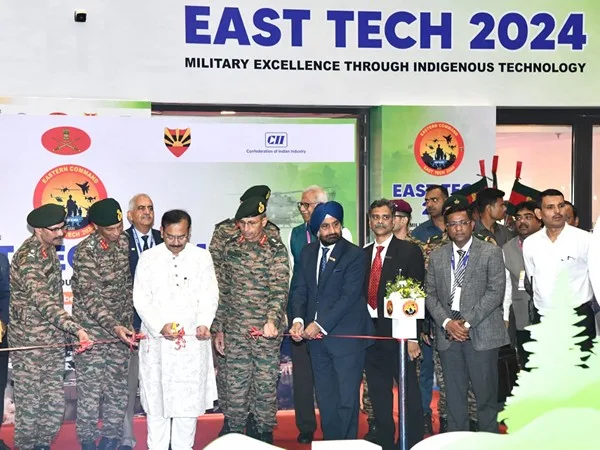
Kolkata, Nov 6: The ‘East Tech 2024’ defence technology symposium launched today at the Biswa Bangla Mela Prangan in Kolkata, gathering experts, industry leaders, and officials to explore innovations aimed at enhancing operational capabilities in the Indian Army’s Eastern Theatre.

Jointly organized by the Eastern Command, Confederation of Indian Industries (CII), and the Society of Indian Defence Manufacturers (SIDM), the event underscores India’s focus on indigenous defence solutions. West Bengal’s Minister for Sports, Youth Affairs, Power, Non-Conventional Energy, and Housing, Aroop Biswas, opened the event, emphasizing the strategic role of West Bengal in India’s defence manufacturing ecosystem. Biswas noted the state’s extensive MSME presence and potential to support defence technology advancements, aligning with India’s goal of self-reliance in defence.

According to the Ministry of Defence, East Tech 2024 covers a spectrum of technological advancements critical to military readiness, including AI, communications, tactical mobility, drone technologies, robotics, and firepower solutions.

Lt Gen Ram Chander Tiwari, GOC-in-C of Eastern Command, highlighted the Eastern Command’s multifaceted challenges, such as conventional warfare, counter-terrorism, and emerging cyber and grey-zone threats. He stressed the importance of continuous modernization and integrating indigenous technologies to meet operational needs. The symposium, he stated, is essential for bolstering the Command’s capabilities with advanced, homegrown solutions.

‘East Tech 2024’ serves as a collaborative platform, aiming to boost India’s defence readiness while fostering partnerships across government, industry, and technology sectors.

Supreme Court Rules States Lacking Authority to Seize All Private Properties for Public Distribution

0

NEW DELHI, Nov 5: In a significant ruling, the Supreme Court declared on Tuesday that states do not possess the constitutional authority to confiscate all privately-owned resources for redistribution aimed at serving the “common good.” The majority verdict, delivered by a nine-judge bench led by Chief Justice DY Chandrachud, was passed with a 7:2 majority.

While the court maintained that states can claim ownership over private properties in certain specific instances, it overruled the previous interpretation by Justice Krishna Iyer, which allowed for the acquisition of all private resources under Article 39(b) of the Constitution.

Chief Justice Chandrachud, along with six other judges, addressed the contentious legal question regarding whether private properties qualify as “material resources of the community” under Article 39(b), thus justifying state appropriation for public distribution. The ruling overturned several earlier judgments that had endorsed a more socialist perspective, enabling the state to seize private properties for the common good.

Justice BV Nagarathna partially dissented from the majority opinion, while Justice Sudhanshu Dhulia disagreed with the entire ruling. The court’s decision follows the precedent set in the 1980 Minerva Mills case, where it struck down provisions of the 42nd Amendment that restricted judicial review of constitutional amendments and prioritized the Directive Principles of State Policy over individual fundamental rights.

Article 31C of the Constitution allows for laws made under Articles 39(b) and (c) to enable the state to take control of community resources, including private properties, for redistribution to promote the common good.

The Supreme Court considered 16 petitions in total, including a significant one from the Mumbai-based Property Owners’ Association (POA), which has contested Chapter VIII-A of the Maharashtra Housing and Area Development Authority (MHADA) Act. This chapter, added in 1986, empowers state authorities to acquire cessed buildings and the land beneath them if 70% of occupants request restoration. The MHADA Act was enacted in line with Article 39(b), which mandates the state to distribute ownership and control of material resources to best serve the community’s interests.

Government to Establish Chief Minister’s Medical Trust to Assist Needy Patients: LG

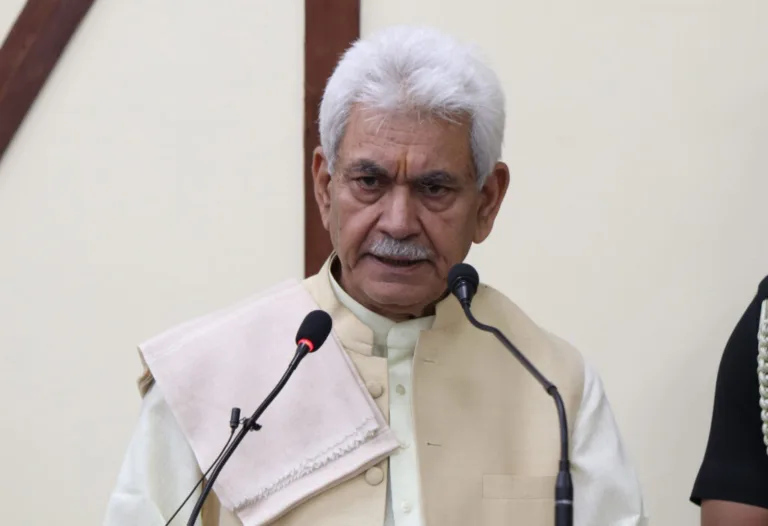
Srinagar, Nov 4: Lieutenant Governor Manoj Sinha announced on Monday that the government plans to establish a Chief Minister’s Medical Trust aimed at providing financial assistance to patients in need.

Speaking during his address to the Jammu and Kashmir Legislative Assembly, the LG emphasized that the trust would specifically support individuals facing terminal illnesses, including cancer and those requiring heart and kidney transplants. He also mentioned that facilities for dialysis would be developed at the sub-divisional level to address the increasing demand for such services in recent times.

Delhi Blanketed in Toxic Haze as Air Quality Plummets to Severe Levels in Several Areas

0

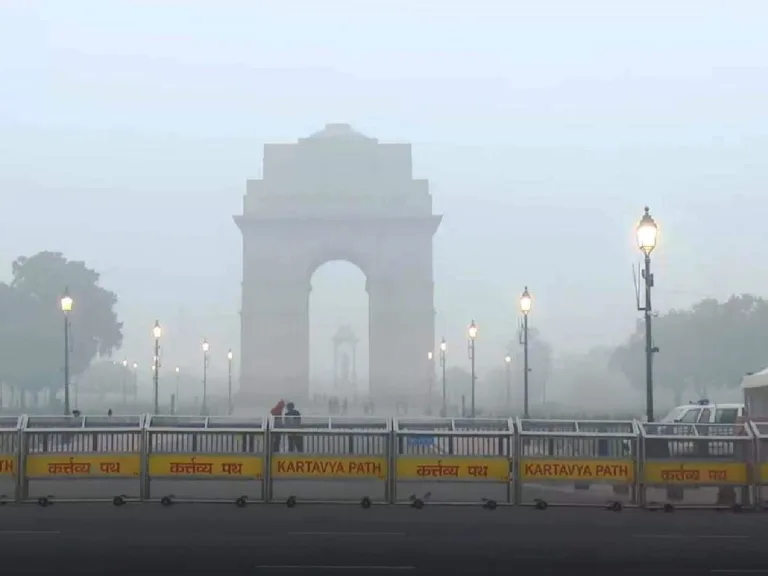
New Delhi, Nov 5: Delhi residents continued to endure hazardous air quality on Tuesday, with the Air Quality Index (AQI) nearing severe levels in several areas. At 9 am, the AQI was recorded at 384, as reported by the Central Pollution Control Board (CPCB). The 24-hour average AQI for Monday was reported at 381, marking the second highest in the country.

According to the CPCB’s Sameer app, which offers hourly AQI updates, 13 out of 38 monitoring stations recorded severe category readings above 400. These stations include Anand Vihar, Ashok Vihar, Dwarka, NSIT Dwarka, Nehru Nagar, Moti Marg, Sonia Vihar, Vivek Vihar, Wazirpur, Rohini, Punjabi Bagh, Mundka, and Jahangirpuri.

The CPCB indicates that severe air quality levels, classified between 400 and 500, can affect even healthy individuals and significantly impact those with pre-existing health conditions. AQI classifications are as follows: 0-50 (good), 51-100 (satisfactory), 101-200 (moderate), 201-300 (poor), 301-400 (very poor), and 401-500 (severe).

Additionally, the minimum temperature in Delhi dropped to 17.6 degrees Celsius, two degrees above normal. At 8:30 am, humidity levels were reported at 94 percent, according to the India Meteorological Department. The weather office forecasts mainly clear skies throughout the day, with maximum temperatures expected to reach around 33 degrees Celsius.

UP Cabinet Approves New Selection Committee Rules for DGP Appointments

0

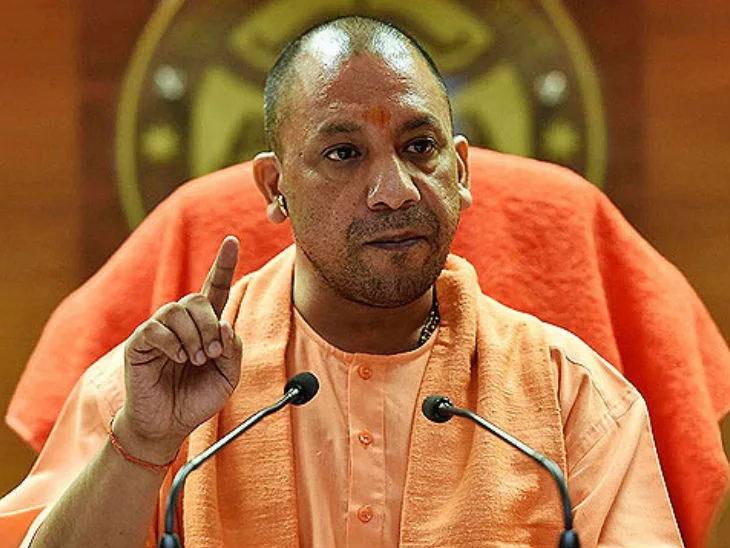
Lucknow, Nov 5: The Uttar Pradesh government has enacted new rules aimed at ensuring an independent and transparent process for selecting the Director General of Police (DGP). This decision was made during a cabinet meeting held on Monday, which approved the Appointment Rules, 2024.

Under these new guidelines, the selection of the state police chief will be overseen by a committee led by a retired high court judge, eliminating the need to submit names to the Union Public Service Commission (UPSC) panel for approval.

The primary goal of the Appointment Rules, 2024, is to create a selection mechanism that is free from political or executive interference and is tailored to meet the specific conditions and policing needs of Uttar Pradesh. The selection committee will comprise the chief secretary, a nominee from UPSC, the chairman or nominee from the Uttar Pradesh Public Service Commission, the additional chief secretary or principal secretary from the Home Department, and a retired state DGP.

Candidates for the DGP position must have a minimum of six months of service remaining from the date a vacancy arises, with only current officers in the DG role at Level 16 of the Pay Matrix being considered. Additionally, the minimum tenure for the DGP will be set at two years.

These new rules align with Supreme Court directives concerning the removal of a DGP prior to the completion of their term if criminal charges, corruption, or failure to perform duties effectively are established. They are consistent with the Supreme Court’s instructions to states in the case of Prakash Singh vs. Union of India, which called for new police legislation to ensure that police forces operate without external pressures, protect citizens’ rights, and uphold the rule of law.

In response to the new regulations, Samajwadi Party president Akhilesh Yadav questioned whether this move was an effort by the state government to regain control from the central government. “I have heard that arrangements are being made to give a permanent post to a senior officer and extend his tenure by two years. The question is whether the person making these arrangements will also stay for two years. Is this an attempt to take the reins from Delhi into their own hands?” he posted on X in Hindi, without naming any specific individuals.

Canadian Police Officer Suspended for Participating in Pro-Khalistan Protest Outside Hindu Temple

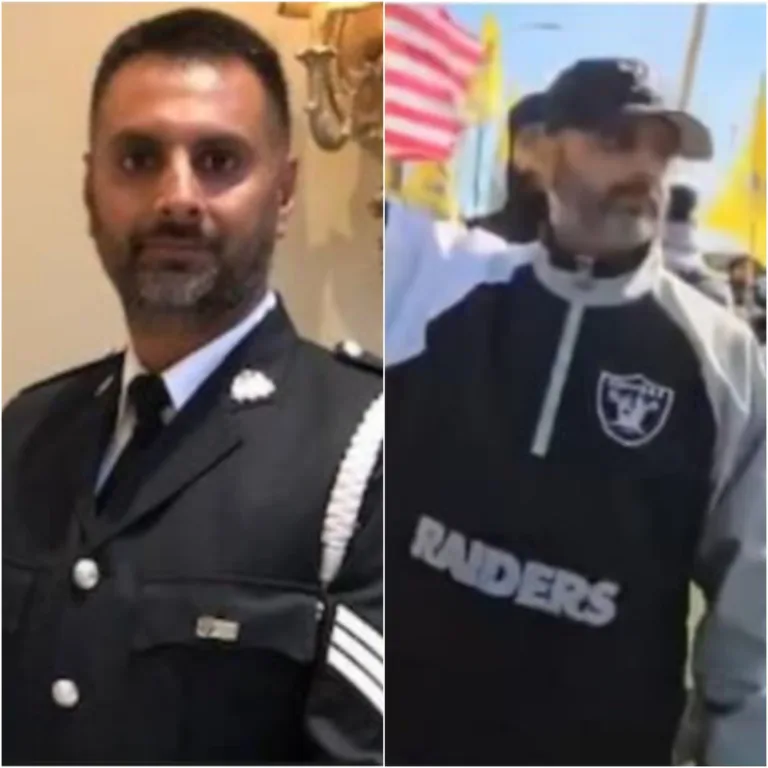
Ottawa, Nov 5: A Canadian police officer has been suspended for attending a pro-Khalistan demonstration outside the Hindu Sabha Temple in Brampton, according to a media report.

The protest, held on Sunday, saw demonstrators with Khalistani flags clashing with attendees and disrupting a consular event co-hosted by the temple authorities and the Indian Consulate. Unverified videos circulating on social media appear to show the protestors holding banners in support of Khalistan, as reported by the Canadian Broadcasting Corporation (CBC).

Peel Police Media Relations Officer Richard Chin confirmed that they were “aware of a video circulating on social media showing an off-duty Peel Police officer participating in the demonstration.” Chin stated that the officer has been suspended in line with the Community Safety and Policing Act. He added that the incident is under investigation, and further details will only be available once the investigation concludes.

Earlier, Peel Police charged three individuals following the outbreak of violence as Indian consular officials visited the temple on Sunday. Demonstrators later moved to the Westwood Mall in Mississauga and subsequently to the Malton gurdwara on Airport Road.

Police noted that while the protests took place at different locations, they appeared to be connected, with several altercations occurring between protestors and worshippers.

India has condemned the incident, with the Ministry of External Affairs expressing “deep concern” over the safety of Indian nationals in Canada. MEA spokesperson Randhir Jaiswal called for the protection of places of worship, stating that those responsible for the violence should face prosecution.