Tuesday, July 21, 2026
Home Blog Page 225

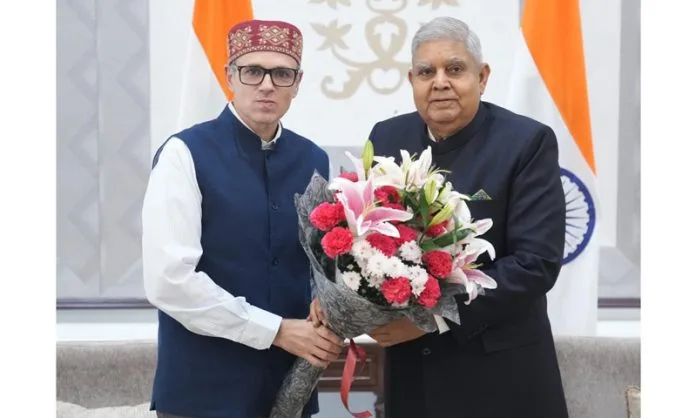
Jammu and Kashmir CM Omar Abdullah Meets Vice-President Jagdeep Dhankhar in Delhi

0

New Delhi, November 2024Jammu and Kashmir Chief Minister Omar Abdullah is currently on an official visit to Delhi, where he met with Vice-President Jagdeep Dhankhar on Wednesday. The meeting, which lasted over 30 minutes, focused on various issues concerning the region, officials reported.

A picture of the two leaders exchanging greetings was shared on the official X handle of the Vice-President’s office. The caption read: “Omar Abdullah, Chief Minister of Jammu and Kashmir, called on Vice-President Jagdeep Dhankhar at Vice-President’s Enclave today.”

Abdullah, who arrived in Delhi on Monday evening, is expected to meet with President Droupadi Murmu and Union Finance Minister Nirmala Sitharaman in the coming days, sources said.


Indus Water Treaty: Jammu and Kashmir’s Hydropower Struggles

On Tuesday, Abdullah attended a conference of Power Ministers of States and Union Territories. During his address, he raised concerns about the Indus Water Treaty, which he believes is limiting Jammu and Kashmir’s ability to fully utilize its vast hydropower resources.

The Indus Water Treaty, signed between India and Pakistan in 1960, restricts Jammu and Kashmir’s power generation capabilities, especially during winter months when power production drops significantly. Abdullah emphasized that this has created serious hardships for local residents. The treaty’s clauses restrict the state to only run-of-the-river projects, preventing large-scale storage-based hydropower projects that could tap into the region’s potential.

Hydel power is Jammu and Kashmir’s only viable energy source,” Abdullah said. “However, due to the treaty’s limitations, the region is forced to rely on power imports from other states, which adversely impacts its economy.”


Calls for Special Compensation from the Centre

Given these challenges, Abdullah called for special compensation from the Centre to help Jammu and Kashmir unlock its full hydropower potential. He proposed that the government provide viability gap funding and equity assistance to support hydropower projects that could drive economic growth and address the region’s energy needs.

This appeal comes amid growing concerns about Jammu and Kashmir’s development and its ability to harness its natural resources for economic benefit. The Centre’s response to these requests could play a crucial role in shaping the region’s future energy and economic landscape.
Security in Jammu and Kashmir Improves, But Militant Threats Persist: Home Ministry Report

0

The security situation in Jammu and Kashmir has seen a significant improvement over the past five years, according to the Union Home Secretary, Govind Mohan, in a recent presentation to the Parliamentary Standing Committee on Home Affairs. Despite this progress, militant groups such as Lashkar-e-Toiba and Jaish-e-Mohammad continue to pose a serious threat to the region’s stability.

Mohan’s presentation was made against the backdrop of the abrogation of Article 370 and the reorganization of Jammu and Kashmir into two Union Territories in August 2019. Since the restructuring, law and order in the region has been under the direct responsibility of the Central Government, with an increasing focus on civilian safety.


Improvement in Civilian Safety

The Home Ministry shared comparative data to highlight the decline in terror-related incidents. In 2019, 50 civilians were killed in terror-related incidents. This figure has dramatically fallen to 14 so far in 2024, a reduction of more than 70%. The number of attacks on civilians also saw a similar decline, from 73 attacks in 2019 to just 10 so far this year.

In 2023, only 5 civilian deaths were reported, marking a near threefold reduction compared to the number of casualties this year. This trend indicates a continued effort from the government and security agencies to improve the safety of local populations.


Security Forces: Fewer Attacks and Casualties

The security situation, particularly in relation to security forces, has also improved. In 2019, there were 96 attacks on security forces, a number that rose to 111 in 2020 but has steadily decreased in subsequent years. By 2024, this figure has fallen to just 5 attacks. Similarly, the number of security personnel casualties has dropped from 77 in 2019 to 7 so far in 2024, showing the effectiveness of counter-terrorism operations and improved security measures.


Terrorist Infiltration Attempts Decline

The number of terrorist infiltration attempts has decreased significantly. From a peak of 141 incidents in 2019, the number has fallen to just 3 so far in 2024, underscoring the success of border security operations. The Home Ministry also reported a decrease in the number of terrorists eliminated, from 142 in 2019 to 44 in 2024. While these numbers reflect a reduction in terrorist activity, the threat remains significant, particularly from groups like Lashkar-e-Toiba and Jaish-e-Mohammad.


Vision @ 2047: A Safe and Prosperous Future

Looking ahead, the Home Ministry’s Vision @ 2047 aims to build a safe, prosperous, and harmonious India. This includes efforts to strengthen internal security, cybersecurity, and the criminal justice system. The government has also pledged to eliminate terrorist support networks, dismantle terror financing operations, and take strong legal action against anti-India elements.

The goal is not just to improve security in Jammu and Kashmir but also to ensure prosperous borders that will contribute to overall national development.


Conclusion

While the security situation in Jammu and Kashmir has improved over the past five years, with marked declines in civilian casualties, attacks on security forces, and terrorist infiltration attempts, the threat from militant groups persists. The Central Government remains committed to enhancing security and ensuring the region’s stability while working towards the long-term vision of a safe and prosperous India.

PM Modi Accuses Congress ‘Shehzada’ of Plotting to Abolish Reservations

0

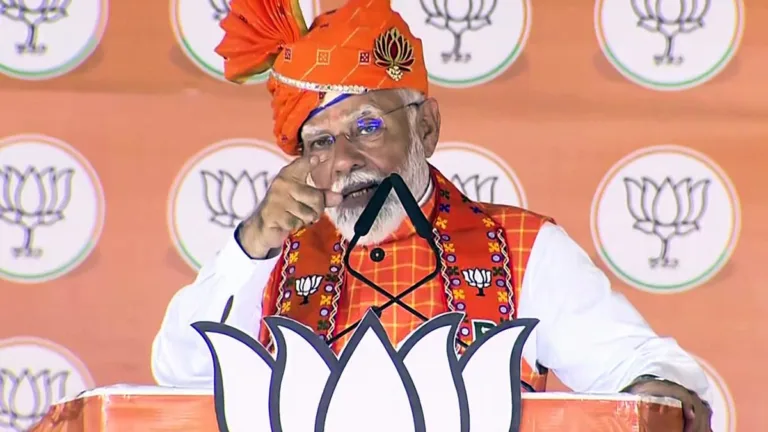
Sarath (Jharkhand), Nov 13 — Prime Minister Narendra Modi, in a strong rebuke to the Congress, alleged on Wednesday that Congress leader Rahul Gandhi is conspiring to abolish reservations for Scheduled Castes (SC), Scheduled Tribes (ST), and Other Backward Classes (OBC), a move he described as an attempt to “weaken” these communities. Addressing a BJP rally in Deoghar, Modi further criticized the ruling JMM-led coalition in Jharkhand, accusing it of enabling infiltrators to become permanent residents, which he claimed threatens the state’s identity.

“This is a deliberate and dangerous conspiracy that would alter the fabric of Jharkhand,” he said, vowing to block any attempt to undermine the reservation system.

Modi referred to Rahul Gandhi as the Congress ‘shehzada,’ alleging that the Congress historically sought to end reservations, with Rahul Gandhi’s father, former PM Rajiv Gandhi, once likening reservations to “slavery.” Modi assured the crowd that his government would prevent any attempt to dismantle these vital protections for SC, ST, and OBC communities.

Modi also expressed concerns about growing infiltration in Jharkhand, particularly in the Santhal Pargana region, where he claimed the tribal population has been significantly impacted. “The JMM-led government is compromising Jharkhand’s security by allowing infiltrators to settle permanently, endangering the livelihood, land, and resources of the state,” he asserted.

Expressing optimism about the BJP-led NDA’s chances in the upcoming assembly elections, Modi invited onlookers to witness the “massive crowd” at his rallies as proof of public support, and promised to attend the swearing-in ceremony for the NDA government.

Rashid Latif Urges Pakistan to Halt Cricket Matches with India

0

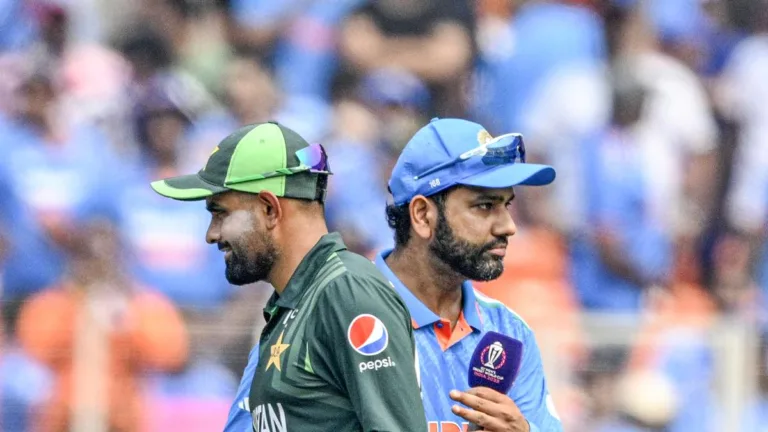
New Delhi, Nov 13 : Former Pakistan wicketkeeper-batter Rashid Latif voiced strong opinions on the cricketing relationship between India and Pakistan, suggesting Pakistan should stop playing against India until ongoing issues are resolved. Latif also called on the International Cricket Council (ICC) to withhold hosting rights for both countries until political tensions ease.

“If I had the authority, I would not allow Pakistan to play against India in any tournament,” Latif stated, further criticizing the BCCI’s refusal to send its team to Pakistan for the upcoming ICC Champions Trophy. The PCB has since written to the ICC requesting a formal response from the BCCI regarding India’s stance.

Latif argued that political interference in cricket within Asia is a long-standing issue. He pointed to ICC actions against Sri Lanka and Zimbabwe over political interference, questioning why the global body is more lenient with India and Pakistan. “ICC should treat all nations equally. Why aren’t India and Pakistan facing similar consequences?” he asked.

Latif criticized BCCI’s security concerns for sending the Indian team to Pakistan, highlighting that the ICC’s own security team had deemed Pakistan safe for the tournament. “If the BCCI has concerns, they should put them in writing. The ICC has already greenlit the venue after assessments,” Latif noted.

Addressing the possibility of Pakistan withdrawing from the Champions Trophy if the tournament is moved, Latif emphasized the need for transparency. “Nothing has been put in writing. The PCB has even consulted with the Pakistan government over this,” he added.

Latif expressed confidence in Pakistan’s ability to progress without matches against India. “We didn’t host international cricket for 12 years. Pakistan can thrive on bilateral series alone, and unlike wealthier boards, PCB won’t suffer financially,” he concluded, affirming Pakistan’s resilience in the face of limited international fixtures with India.

119 Terrorists Active in Jammu and Kashmir, Decline in Local Recruitment: Intelligence Sources

0

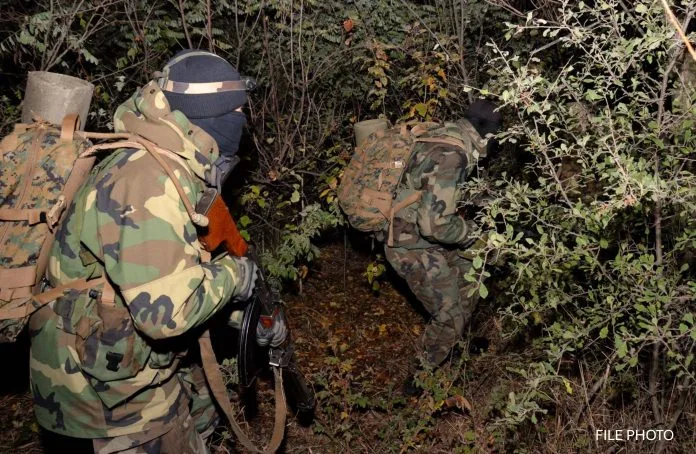
According to recent intelligence inputs, a total of 119 terrorists are currently active in Jammu and Kashmir, with the majority being foreign nationals, predominantly from Pakistan. The report highlights a significant decline in the number of local recruits in terrorist groups operating in the region.

Of the 119 active terrorists, 79 are reported to be operating north of the Pir Panjal range, with 61 foreigners and 18 locals. In the southern region of the Pir Panjal, 40 terrorists are active, with 34 foreigners and only six locals. The majority of these foreign terrorists are believed to be from Pakistan.

The reduction in local terrorist recruitment has been a noticeable trend over the past few years, and is seen as a positive sign by security agencies. The decline has prompted Pakistan-based terror outfits to intensify efforts to infiltrate foreign militants into Jammu and Kashmir. These foreign militants are reportedly being pushed across the border via various infiltration routes, including the International Border (IB) and Line of Control (LoC).

Despite this, local recruitment has fallen to its lowest level in years. Intelligence officials attribute this to several factors, including effective counter-insurgency operations and growing public disillusionment with terrorism in the region.

Security Forces Continue Counter-Terrorism Efforts

This year alone, approximately 25 terror-related incidents have been reported in Jammu and Kashmir, resulting in the martyrdom of 24 Army personnel, including an officer. In comparison, in 2023, 27 soldiers lost their lives in 25 terror-related incidents.

However, the efforts of the security forces have led to significant successes in combating terrorism. In 2024, a total of 61 terrorists have been neutralized, including 45 within the hinterland and 16 along the LoC. Among those killed, 21 were identified as Pakistani nationals. In 2023, security forces had eliminated 60 terrorists, with 35 of those killed in the hinterland and 12 being Pakistanis.

The reduction in the frequency of terror activities along the LoC and the drop in local recruitments have been described as positive developments by intelligence sources. These developments are seen as key indicators of the security forces’ growing control over the region, and of the increasing isolation of terrorist outfits.

Terror Attacks in Jammu Region

While the situation in the Kashmir Valley remains the focal point of security operations, the Jammu region has also witnessed several terrorist attacks in 2024. These attacks have targeted security forces in almost every district of the Jammu division. However, multiple counter-terror operations have resulted in the elimination of several terrorists in the region.

The security forces have expressed confidence that with continued vigilance and effective counter-terrorism measures, the overall threat level will continue to decrease in the coming months.

SBI, HDFC Bank, ICICI Bank Retain Status as Domestic Systemically Important Banks for 2024: RBI

0

Mumbai, Nov 13: The Reserve Bank of India (RBI) has once again designated State Bank of India (SBI), HDFC Bank, and ICICI Bank as Domestic Systemically Important Banks (D-SIBs) for 2024. Released on Wednesday, the list underscores the banks’ critical role in India’s financial stability.

Banks classified as D-SIBs are required to maintain higher Common Equity Tier 1 (CET1) capital in addition to the capital conservation buffer, based on their assigned risk bucket. SBI, the country’s largest lender, remains in bucket 4, necessitating an additional CET1 of 0.80%. HDFC Bank, the largest private lender, stays in bucket 2, requiring a 0.40% CET1 surcharge. Meanwhile, ICICI Bank, in bucket 1, must maintain an additional 0.20% CET1.

The increased CET1 requirements for SBI and HDFC Bank will take effect from April 1, 2025, with interim surcharges of 0.60% for SBI and 0.20% for HDFC Bank until March 31, 2025. These classifications are based on data as of March 31, 2024.

The D-SIB framework was introduced by the RBI in 2014, and SBI and ICICI Bank were the first to be classified as D-SIBs in 2015 and 2016, with HDFC Bank added in 2017.

Trump Taps TV Host and Army Veteran Pete Hegseth for Defense Secretary

0

WASHINGTON, Nov 13: President-elect Donald Trump has nominated Fox News host and Army veteran Pete Hegseth, 44, to serve as the next U.S. Secretary of Defense. Announcing the nomination Tuesday night, Trump expressed confidence in Hegseth’s dedication to America’s military and defense principles.

“I am honored to announce Pete Hegseth as our new Secretary of Defense,” Trump said. “Pete is a relentless advocate for the troops and a true patriot who embodies our ‘Peace through Strength’ policy.”

Trump praised Hegseth’s military background and commitment to veterans, describing him as “tough, smart, and a strong believer in America First.” With Hegseth’s leadership, Trump stated, “our military will be great again, and America’s enemies are on notice.”

A Princeton graduate with a master’s degree from Harvard, Hegseth is an Army combat veteran with tours in Guantanamo Bay, Iraq, and Afghanistan. His military service earned him two Bronze Stars and a Combat Infantryman’s Badge.

For the past eight years, Hegseth has been a prominent Fox News host, advocating for military issues and veterans’ rights. His recent book, The War on Warriors, spent nine weeks on the New York Times best-sellers list and discusses the challenges faced by military personnel, urging a return to meritocracy and excellence in the armed forces.

Trump also highlighted Hegseth’s leadership of two veterans’ advocacy groups, noting his dedication to both active duty military and veterans.

Supreme Court Issues Nationwide Guidelines for Property Demolitions

0

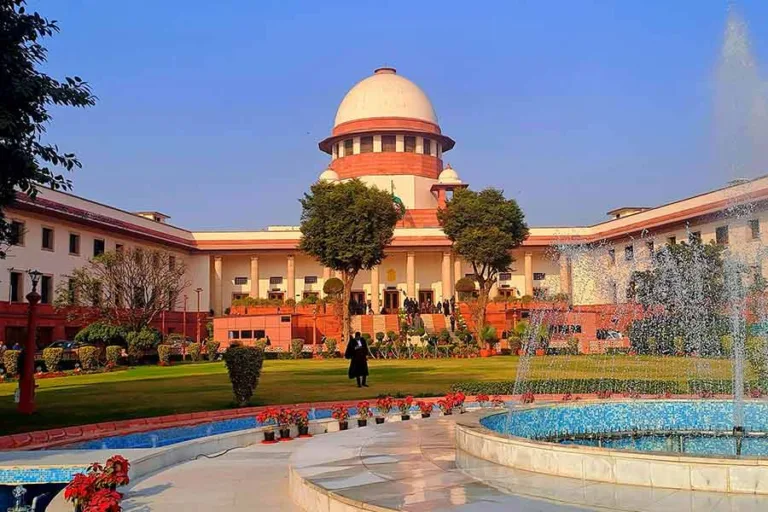
NEW DELHI, Nov 13: In a significant judgment against the practice of instant ‘bulldozer justice,’ the Supreme Court on Wednesday issued guidelines to govern property demolitions across India, cautioning that the Executive cannot act as judge, declare an accused guilty, and demolish their property.

A bench comprising Justices B.R. Gavai and K.V. Viswanathan emphasized that it is “totally unconstitutional” to demolish homes solely based on accusations or even convictions. Delivering the verdict, Justice Gavai noted the distressing impact such actions have, especially when women and children are forced onto the streets overnight.

The Court’s guidelines mandate that demolitions should not occur without a prior show-cause notice, and individuals should be given at least 15 days from the date of notice to respond. The bench also instructed that all demolition activities be videographed.

The Court clarified that these directions do not apply in cases involving unauthorized constructions on public land or where a demolition order has been issued by a court of law. It underscored that even accused and convicted individuals have rights and protections under the Constitution and criminal law.

The verdict follows petitions seeking the establishment of clear, uniform guidelines on property demolitions nationwide.

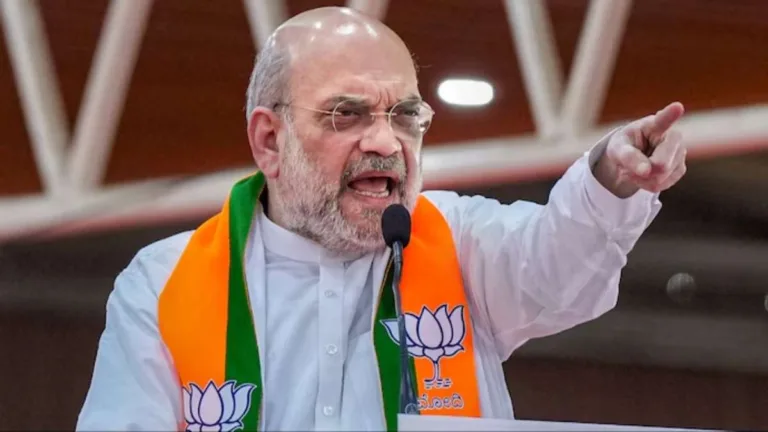
Amit Shah Asserts: “Article 370 Will Not Be Restored”

0

Jammu, Nov 12: Union Home Minister Amit Shah declared that Article 370, which previously granted special status to Jammu and Kashmir, will never be restored. Speaking at a rally in Mumbai’s Ghatkopar area ahead of the November 20 Maharashtra Assembly elections, Shah praised Prime Minister Narendra Modi’s leadership, claiming it has effectively eliminated terrorism and Naxalism from India.

“For the BJP, the issue of Kashmir is more significant than political power,” Shah stated, highlighting the commitment of the ruling coalition, Mahayuti, which includes the BJP, to national security and unity. Addressing Congress leader Rahul Gandhi, Shah asserted, “Even if his fourth generation comes to power, Article 370 will not be reinstated in Jammu and Kashmir.”

He noted that, following the abrogation of Article 370 in August 2019 by the BJP-led central government, the Union Territory has witnessed peace, with no instances of stone-pelting against the government. This comment follows a recent resolution passed by the newly-elected Jammu and Kashmir Assembly seeking the restoration of the region’s special status.

Shah also criticized the opposition Maha Vikas Aghadi (MVA) leaders for their stance on major national issues, including the construction of the Ram Temple in Ayodhya, the removal of Article 370, and critical infrastructure projects. He argued that while MVA leaders have supported financial aid proposals, such as a monthly payment to Maulavis, they have often opposed developmental initiatives essential for India’s progress.

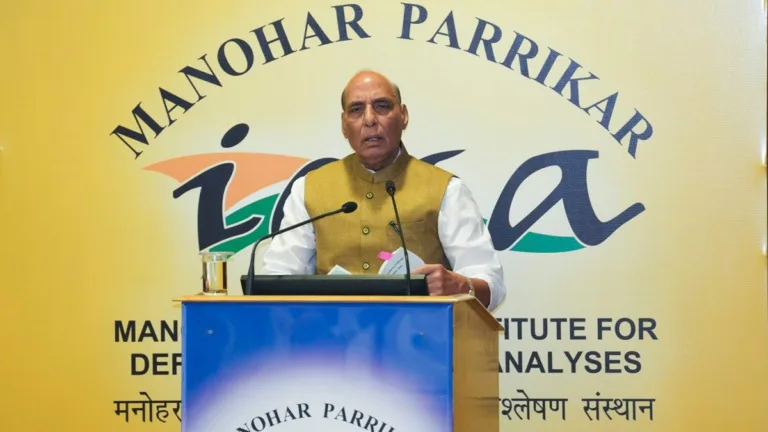
Rajnath Singh Urges ‘Adaptive Defence’ Strategy to Counter Rising Cyber, Drone, and Hybrid Threats

0

Defence Minister Rajnath Singh emphasized India’s commitment to developing an ‘Adaptive Defence’ strategy to counter evolving threats posed by cyber-attacks, drones, and hybrid warfare. Speaking at the inaugural Delhi Defence Dialogue (DDD) organized by the Manohar Parrikar Institute for Defence Studies and Analyses (MP-IDSA), Singh outlined the need for a flexible, anticipatory approach to defence that aligns with the rapidly changing global security landscape.

Singh explained that ‘Adaptive Defence’ is not merely a response to existing threats but a proactive strategy aimed at anticipating potential challenges. This approach, he noted, involves fostering resilience, situational awareness, agility, and integration of cutting-edge technologies to enable India’s military to adapt and innovate continuously. “It is more than just protecting our borders; it is about securing our future,” Singh said.

The Defence Minister highlighted the transformation of traditional warfare by emerging technologies and new strategic alliances, calling this era the age of ‘Grey Zone’ and ‘hybrid warfare.’ He outlined the varied security challenges India faces, from conventional border disputes to unconventional threats like cyber-attacks and terrorism. He said the government is taking steps to create a self-reliant defence ecosystem that can respond effectively to these evolving risks.

On India’s advancements in emerging technologies, Singh expressed the government’s commitment to positioning India as a leader in cyberspace and Artificial Intelligence (AI), especially within defence applications. He noted that drones and swarm technology are fundamentally changing warfare, adding that India aims to become a global drone hub as part of its ‘Make in India’ and ‘Aatmanirbhar Bharat’ initiatives. The government is supporting this ambition through enhanced R&D, certification processes, and Indian intellectual property development.

Calling for a collaborative approach to security, Singh stressed that the current geopolitical and technological challenges require cross-border partnerships, information sharing, and collective strategies. He expressed confidence that by bringing together policymakers, military experts, and scholars, the Delhi Defence Dialogue would foster innovative ideas to enhance India’s defence posture and preparedness for future contingencies.