Sunday, July 19, 2026
Home Blog Page 219

SLCM Collaborates with Bank of Baroda to Strengthen Agricultural Financing

0

New Delhi, Nov 20 – Sohan Lal Commodity Management (SLCM), a leading warehousing and collateral management firm, has entered into a strategic partnership with Bank of Baroda to offer collateral management services for agricultural financing. This collaboration will allow farmers to access credit against their crops through Bank of Baroda’s extensive network across India, as stated by the company.

SLCM’s assets under management (AUM) have seen a significant increase of 73% in the first half of fiscal year 2024-25, reaching Rs 11,952 crore, compared to Rs 6,911 crore in the same period last year.

Sandeep Sabharwal, Group CEO of SLCM, highlighted that the company’s Agri Reach technology, combined with its physical infrastructure, will help reduce default risks and enhance financial access within the agricultural sector. SLCM operates over 17,000 warehouses and 36 cold storage facilities across 19 states in India, managing over 1,080 commodities such as cotton, pulses, and maize.

The company also maintains partnerships with more than 20 financial institutions in India and Myanmar, further strengthening its position in the agricultural financing landscape.

Delhi Endures Toxic Air After Coldest Night of the Season

0

New Delhi, Nov 20: Delhi faced yet another day of hazardous air quality on Wednesday, with the Air Quality Index (AQI) reaching 426 in the “severe” category, following the coldest night of the season so far.

The minimum temperature plunged to 11.1°C on Tuesday night, according to the India Meteorological Department (IMD). Dense fog coupled with the temperature drop blanketed the city, reducing visibility to 500 meters as of 8:30 am. The IMD predicts that the dense fog is likely to persist throughout the day. Morning humidity levels were recorded at 84%, with the maximum temperature expected to reach 25°C.

The Central Pollution Control Board (CPCB) reported an AQI of 426 at 9 am, indicating severe pollution levels that pose health risks to healthy individuals and are particularly hazardous for those with pre-existing conditions. Among the 38 air quality monitoring stations in Delhi, all but one were in the “severe” category. The Lodhi Road station, however, reported “very poor” air quality.

Delhi’s air quality had first breached the “severe plus” category on Sunday, prompting authorities to activate Stage IV measures under the Graded Response Action Plan (GRAP) on Monday morning. These emergency steps include a complete ban on construction and demolition activities and the suspension of physical classes in schools.

Additional restrictions were imposed by the Commission for Air Quality Management (CAQM), including a prohibition on four-wheeler diesel light motor vehicles (LMVs) in Delhi and its surrounding NCR districts, except for BS-VI compliant vehicles and those engaged in essential or emergency services. Diesel-powered medium and heavy goods vehicles have also been barred from entering Delhi, except those transporting essential goods. Only electric and CNG trucks are permitted, with exceptions made for essential services.

Implemented since 2017, GRAP categorizes air quality into four stages of severity: Stage 1 – “poor” (AQI 201-300), Stage 2 – “very poor” (AQI 301-400), Stage 3 – “severe” (AQI 401-450), and Stage 4 – “severe plus” (AQI above 450).

As the capital struggles with plummeting temperatures and persistent pollution, public health remains a pressing concern.

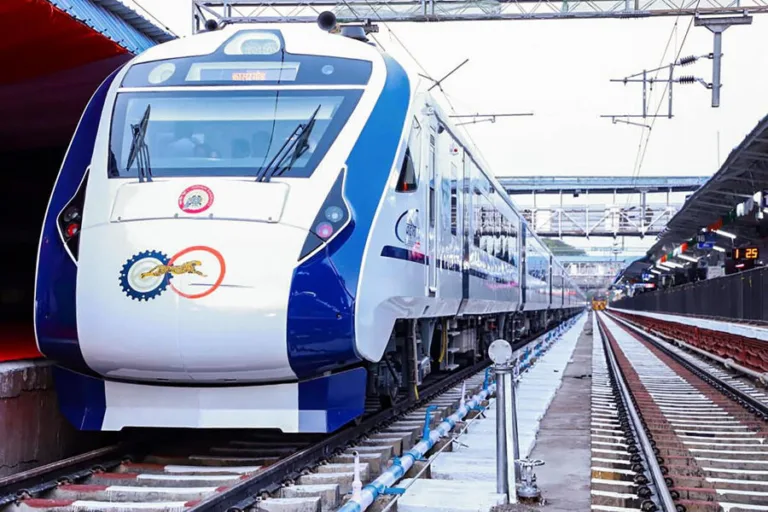
PM Modi to Inaugurate Kashmir-Delhi Vande Bharat Express in January: MoS Railways

Jammu, Nov 19: The Minister of State for Railways, Ravneet Singh, announced on Tuesday that Prime Minister Narendra Modi is expected to inaugurate the Vande Bharat Express connecting Kashmir to New Delhi in January 2025. The train will operate on the Udhampur-Srinagar-Baramulla Rail Link (USBRL) and pass through the iconic Chenab Rail Bridge, the world’s highest railway bridge.

According to officials, the Railways have completed 255 kilometers of the 272-kilometer USBRL project, leaving only a 17-kilometer stretch between Katra and Reasi, expected to be finished by December. Singh emphasized that safety checks and inspections are ongoing to ensure the project meets all standards.

“This project is a massive undertaking, and only after thorough inspections will a final inauguration date be announced. The Prime Minister’s schedule currently points to January,” Singh told reporters.

A Transformative Initiative

Singh highlighted the project’s significance for the people of Kashmir, stating it would alleviate traffic congestion on the Jammu-Srinagar highway, which frequently closes during winter. “The Vande Bharat Express is a gift from the NDA government and the Prime Minister to the people of Kashmir. It will boost tourism, enhance business opportunities, and provide much-needed relief to the valley,” he said.

He also noted the expedited work on the project over the past eight years, following earlier delays. The train service is expected to offer affordable travel, with fares ranging between ₹1,500 and ₹2,100, and stops at major destinations like Jammu and Mata Vaishno Devi.

Boost to Local Economy

The minister highlighted the project’s economic benefits, stating that fresh produce such as fruits, vegetables, and flowers from Kashmir will now reach Delhi faster, providing a significant boost to local businesses.

Engineering Marvels

Singh also visited key sections of the project, including the Anji Khad Bridge, India’s first cable-stayed railway bridge. In a post on X, he lauded the engineering brilliance behind the project and praised the collaborative efforts of IRCON International Limited and Konkan Railway Corporation Limited (KRCL).

The Chenab Rail Bridge, standing 359 meters above the riverbed and 35 meters taller than the Eiffel Tower, is a critical part of the USBRL project. Spanning 1.3 kilometers, it connects Katra to Banihal, forming a crucial segment of the 111-km Kashmir Railway project.

Project Timeline and Updates

Declared a “National Project” in 2002, the USBRL spans 272 kilometers. Key sections have been commissioned in phases:

  • Qazigund-Baramulla (118 km): October 2009
  • Banihal-Qazigund (18 km): June 2013
  • Udhampur-Katra (25 km): July 2014
  • Banihal-Sangaldan (48.1 km): February 2020

Recent inspections, including those by the Commissioner of Railway Safety (CRS), focused on the Sangaldan-Reasi section, featuring the Chenab Rail Bridge and several tunnels.

With the anticipated inauguration of the Vande Bharat Express in January, the project is set to become a milestone in connecting Kashmir to the rest of the country, fostering development and strengthening ties.

“Srinagar Experiences First Sub-Zero Night of the Season”

0

Srinagar, Nov 20: Srinagar experienced its first sub-zero temperature of the season on Wednesday, with the Indian Meteorological Department (IMD) reporting a low of minus 0.7 degrees Celsius in the summer capital.

In South Kashmir, Shopian recorded an even colder night at minus 3.9 degrees Celsius, while Pahalgam registered a low of minus 3.7 degrees Celsius.

The weather department has forecast a dry spell across Kashmir until November 23, with no significant precipitation expected during this period.

Guest lecture was organized for Transitional Curriculum in JIAR

0

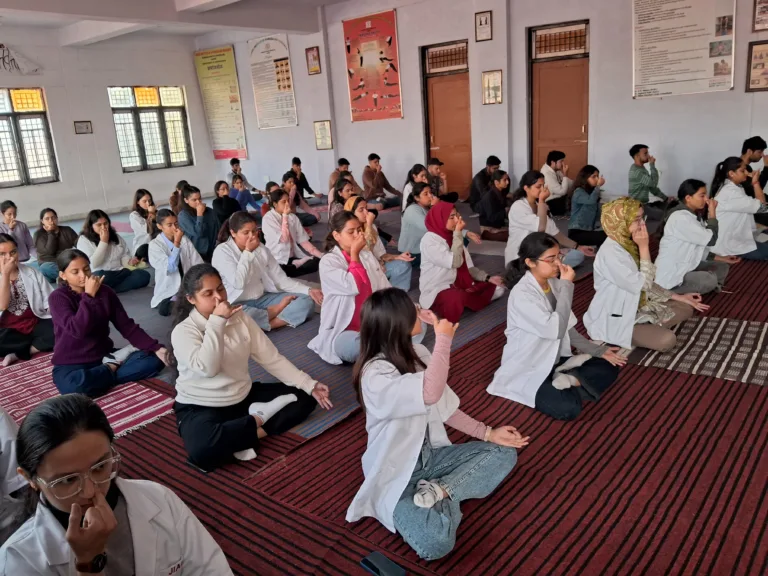
Transitional Curriculum,”AYURDIKSHA “,15 days Induction Program for 1st Prof BAMS session 2024-25 has started from 11 November 2024 and will continue till 28th November 2024.


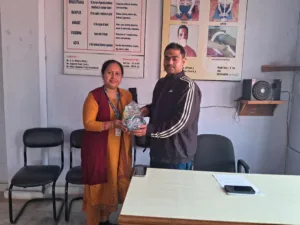
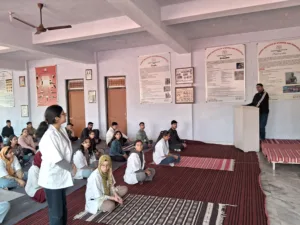
Guest lecture by Dr. Ravi kant Tiwari, Assistant Professor in Department of Yoga ,Central Sanskrit University Jammu was organised on 19 November for Transitional Curriculum “AYURDIKSHA” for Session 2024-2025 in JIAR.He spoke on “Yoga Practices for Healthy wellbeing. Students performed yogasanas ,and students along with faculty members interacted with Dr Ravi kant Tiwari.Later he was honoured and thanked by the Management of JIAR for his valuable insights on the topic and words of encouragement to the students.

Mehbooba Commends Three Party MLAs for Highlighting Special Status Issue in J&K Assembly

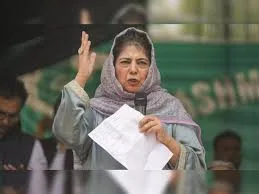
SRINAGAR, Nov 19: PDP President Mehbooba Mufti on Tuesday praised three of her party’s MLAs for raising the issue of the abrogation of Articles 370 and 35A during the first session of the Jammu and Kashmir Assembly earlier this month.

In a meeting held at the party headquarters in Srinagar, Mehbooba expressed her support for the efforts of the MLAs—Waheed Para, Rafiq Naik, and Mir Mohammad Fayaz—in highlighting the concerns of the people regarding the unilateral revocation of these crucial constitutional provisions. The party shared the message on its official social media platform, X.

“These elections were about protecting Jammu and Kashmir’s identity and dignity,” said Mehbooba. “Our MLAs have voiced the people’s concerns about the abrogation of Articles 370 and 35A. The fight for our rights continues, both in the legislature and through public outreach,” she added.

The meeting was attended by senior PDP leaders, including Nayeem Akhtar, Abdul Rehman Veeru, Ghulam Nabi Lone, Khursheed Alam, Basharat Bukhari, Asiya Naqash, and Zahoor Mir.

Speaking to reporters after the meeting, PDP Legislature Party Leader Waheed Para emphasized that the party would continue to hold the National Conference government accountable for promises made during the election campaign. “We will keep reminding them of the issues faced by the people, including the Kashmiri youth held in outside jails, the need to enhance the ration quota, and other important matters. The government has a huge mandate, and we will ensure these issues remain a priority,” Para said.

The BJP-led central government had abrogated Article 370 in 2019, which granted special status to Jammu and Kashmir.

Study: 182 Million Children in Poor Nations at Risk Due to Lack of Nurture, Pollution, and Climate Change Factors

0

New Delhi, Nov 19 – Nearly 182 million children aged three to four in low- and middle-income countries (LMICs) are missing out on adequate nurturing care, putting their healthy development at risk, according to a new paper published in The Lancet journal.

The study highlights how emerging environmental threats, such as air pollution, climate change, and chemical exposure, are further compromising child development. Researchers from the Centre for Chronic Disease Control (CCDC), New Delhi, contributed to the study, which builds on the concept of the “first 1,000 days” of life, from conception to two years old, and emphasizes the importance of the “next 1,000 days” (ages two to five) in fostering early childhood growth.

This critical window of development often goes unaddressed, as fewer than one in three children in LMICs aged three or four participate in early childhood care and education (ECCE) programs. The study urges greater investment in this stage of childhood development, particularly by improving access to high-quality ECCE services. These programs, the researchers argue, should focus on providing trained teachers, child-centered play, and responsive, stimulating classroom environments.

Aditi Roy, Senior Research Scientist at CCDC, told PTI that India’s major concern is ensuring equitable access to quality ECCE. She emphasized the need for a holistic, activity-based curriculum that aligns with the National Education Policy’s recommendations, as opposed to traditional rote learning.

Data on ECCE attendance in India remains inconsistent. The 2022 government report showed that 28.58 million children aged 3-6 were enrolled in early childhood education through the Integrated Child Development Scheme (ICDS). However, private pre-schools, which are on the rise, often lack regulation and may have questionable quality.

Roy further noted that the National Family Household Survey (NFHS-5) data from the 2019-2020 school year may not accurately reflect the current situation due to the COVID-19 pandemic, but the ongoing NFHS-6 survey may provide more recent insights.

According to the study, providing one year of ECCE for all children in LMICs would cost less than 0.15% of their GDP, while the benefits could be 8-19 times the cost. Catherine Draper, Co-chair of the series from the University of the Witwatersrand, South Africa, said that while LMICs have been underrepresented in early childhood research, the study stresses the urgent need to provide these children with the care they need to thrive.

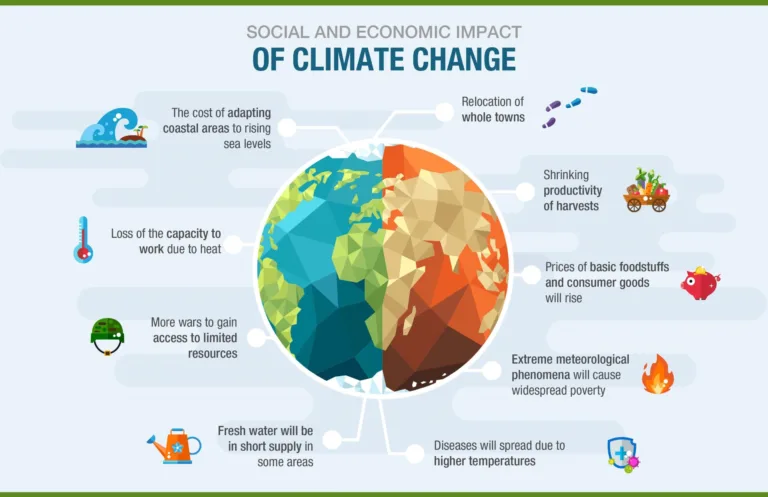
The authors also underscore that ECCE programs offer more than just education: they include growth monitoring, food assistance, nutrition supplements, and caregiver support—critical elements for fostering healthy development. Furthermore, air pollution and climate change are identified as growing threats. Air pollution directly affects children’s physical development and disrupts education, while extreme weather events caused by climate change, such as floods, droughts, and heatwaves, undermine food security and economic stability, all of which harm child development.

Roy pointed out that while the impact of climate change on early childhood education is not yet being addressed in policy discussions, it is essential to integrate ECCE into climate action plans to safeguard future development.


Lone Criticizes Omar Government for ‘Sharp Increase’ in Power Bills

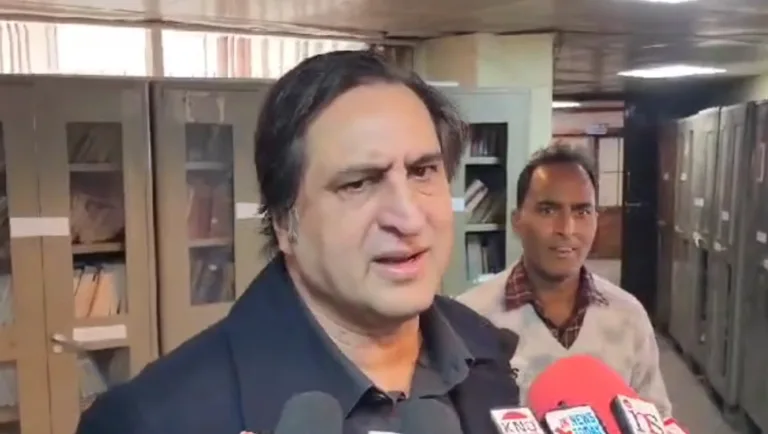
SRINAGAR, Nov 19: Peoples Conference president Sajad Gani Lone on Tuesday strongly criticized the National Conference (NC) government in Jammu and Kashmir over what he called a “steep hike” in electricity bills. Lone, the MLA from Handwara, claimed that power bills have increased by nearly 50%, accusing the government of creating an “electricity mess” and demanding immediate intervention.

“Numerous phone calls from villages report inflated electricity bills by 50%. Even I am confused – did they promise to reduce tariffs or raise them?” Lone questioned. He further accused the NC-led government of using “age-old trickery” by hiking tariffs and then offering waivers as a political ploy.

Lone explained that the government’s approach was deceptive, saying, “Imagine a household paying 100 in electricity fees. Instead of reducing it to Rs 50 as promised, they hike it to 200, waive 50, and leave the consumer paying 150 – still 50% more than before the elections. This isn’t relief; it’s deceit.”

Lone urged the Power Development Department to intervene immediately and halt what he called “arbitrary and unjustified” tariff hikes.

Govt Reduces Violence in J&K, North-East, and Naxal-Affected Areas by 70% in 10 Years: Shah

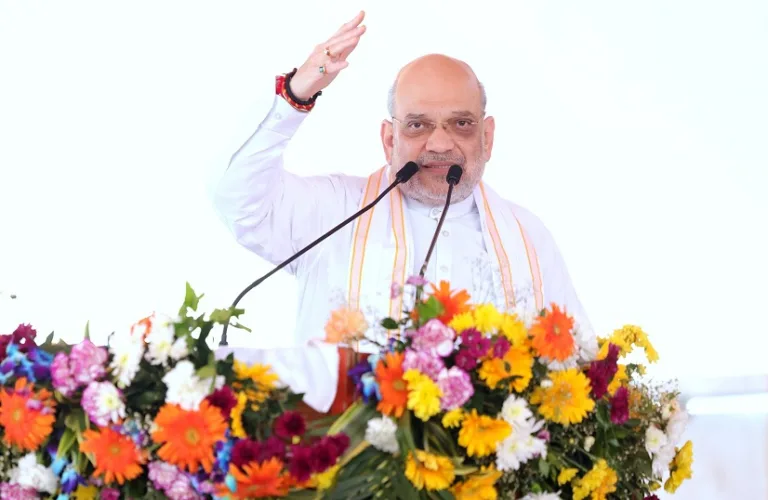
Jammu, Nov 19: Union Home Minister Amit Shah on Tuesday announced that the BJP-led government at the Centre has successfully reduced violence in Jammu and Kashmir, the North-East, and Naxal-hit areas by 70% over the past decade.

Speaking at the inauguration of the 50th All India Police Science Conference at the Rashtriya Raksha University, Shah emphasized the significant improvements in security across these previously disturbed regions. “For years, Kashmir, the North-East, and Naxalite-affected areas were considered among the most volatile. But comparing the data from the last 10 years to the previous decade, we have achieved a 70% reduction in violence,” he said.

Shah also highlighted the government’s plans to transform India’s criminal justice system, making it the most scientific and efficient in the world in the coming decade. He pointed out the introduction of three new criminal laws — the Bharatiya Nyaya Sanhita (BNS), Bharatiya Nagarik Suraksha Sanhita (BNSS), and the Bharatiya Sakshya Adhiniyam (BSA) — which came into effect on July 1 this year, replacing colonial-era legislation like the Indian Penal Code (IPC), the Code of Criminal Procedure (CrPC), and the Indian Evidence Act.

“These laws will ensure that justice is delivered to the people from the Supreme Court within three years of filing a First Information Report (FIR) in any police station in the country,” Shah added.

Amazon Expands Cross-Border Logistics Program with Launch of Export Navigator for Sellers

0

New Delhi, Nov 19 : E-commerce giant Amazon has announced an expansion of its cross-border logistics initiative, Global Selling Seller Exports and Delivery (SEND), aimed at empowering Indian exporters to efficiently ship goods to international markets.

Amazon has also launched Export Navigator, a comprehensive dashboard designed to streamline compliance requirements for overseas shipments, assisting sellers in navigating export regulations.

“Amazon has enhanced its flagship logistics program, Global Selling SEND, by integrating three new carriers on air and ocean routes connecting India with the US, UK, and Germany. Additionally, SEND now incorporates Amazon Warehousing and Distribution (AWD), offering low-cost bulk storage solutions for Indian exporters to optimize inventory management and distribution,” the company stated.

The SEND program allows Indian exporters to leverage cross-border logistics services from various third-party providers, enabling seamless shipping to Amazon fulfillment centers abroad. The platform provides competitive pricing, Amazon-supported shipping options, and integrated services through Amazon Seller Central, simplifying booking, tracking, and payment processes.

Launched in 2022, SEND has already supported thousands of exporters by improving shipment visibility and ensuring timely deliveries, enabling more effective inventory planning, Amazon noted.

The newly introduced Export Navigator will be accessible to all Indian exporters, whether or not they are registered on Amazon. The dashboard offers guidance on compliance requirements, including export registration, product certifications, licensing, taxation, shipping protocols, payment reconciliation, and government-provided export incentives.

In addition, Export Navigator connects exporters with a curated network of third-party service providers offering support services at competitive rates and faster service level agreements (SLAs).

“We are committed to expanding e-commerce export opportunities for Indian entrepreneurs and are focused on achieving USD 20 billion in cumulative exports by 2025,” said Bhupen Wakankar, Director of Global Trade at Amazon India.

With these advancements, Amazon continues to strengthen its efforts in facilitating global trade for Indian sellers, enhancing their competitiveness in international markets.