Saturday, July 18, 2026
Home Blog Page 214

India Unveils “BioE3” Policy to Boost Biomanufacturing and Bioeconomy

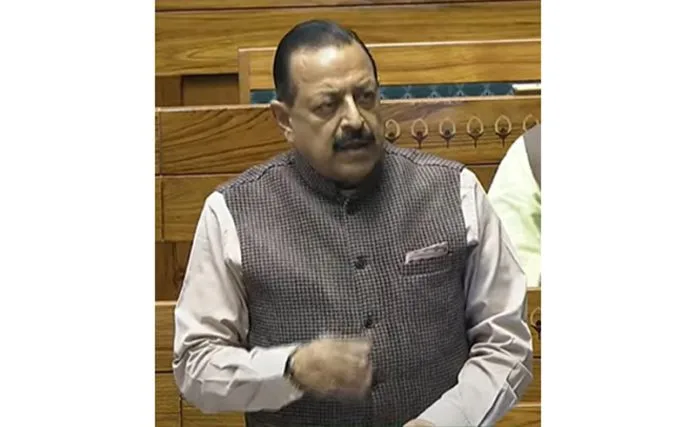
In a significant move to strengthen India’s bioeconomy, Union Minister for Science and Technology, Dr. Jitendra Singh, announced the launch of the new “BioE3” policy in the Lok Sabha. The policy aims to provide a comprehensive framework to foster the adoption of advanced technologies and innovative research, promoting biomanufacturing across various sectors. The core objective is to enhance efficiency, sustainability, and product quality, while accelerating the development and production of bio-based high-value products.

Bioeconomy Growth: India’s Achievements Over the Past Decade

India’s bioeconomy has witnessed remarkable growth in the last ten years. As of December 2023, the bioeconomy contributes 4.25% to India’s $3.55 trillion GDP. From a modest $10 billion in 2014, the sector has surged to $151 billion in 2023, surpassing the target set for 2025. The number of biotech startups has also skyrocketed, increasing from just 50 in 2014 to an impressive 8,531 in 2023, highlighting the sector’s growing innovation and entrepreneurship.

DBT-BIRAC Call for Proposals to Set Up Bio Enablers

The Department of Biotechnology (DBT) and Biotechnology Industry Research Assistance Council (BIRAC) have issued a joint call for proposals to establish BioEnablers such as Biofoundries and Biomanufacturing Hubs. These initiatives aim to bolster the infrastructure needed for scaling up biomanufacturing technologies and fostering the production of bio-based products across India. Proposals are currently under evaluation.

BioE3 Policy to Accelerate Biomanufacturing Innovation

The “BioE3” policy seeks to accelerate the development of bio-based products through the creation of Bio-Artificial Intelligence (Bio-AI) Hubs, Biofoundries, and Biomanufacturing Hubs. These hubs will leverage AI-powered analytics and data-driven research to drive innovation and scale up biomanufacturing processes. Key performance indicators have been identified to measure the success of these hubs, ensuring the effective implementation of the policy across the country.

Rahul Gandhi Demands Arrest of Gautam Adani After US Indictment, Accuses Government of Protection

0

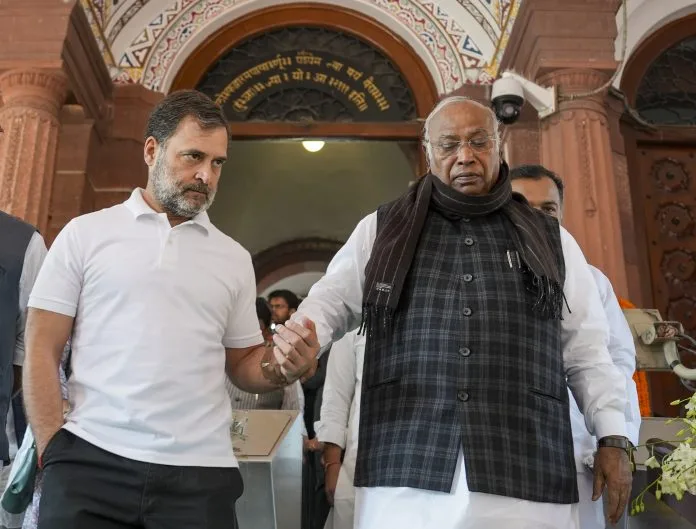
Congress leader Rahul Gandhi on Wednesday called for the arrest of billionaire businessman Gautam Adani following his indictment in the United States over allegations of securities fraud and bribery. Speaking to reporters outside Parliament, Gandhi, who is also the Leader of the Opposition in the Lok Sabha, accused the Indian government of shielding Adani from legal consequences.

Gandhi Questions Government’s Silence on Adani’s Indictment

Gandhi questioned why Adani, who has been implicated in a major bribery case by US authorities, has not been arrested despite the severity of the charges. “When hundreds of people are arrested in our country on tiny charges, why is Gautam Adani not in jail?” Gandhi asked, addressing the media outside Parliament.

His comments came shortly after the Adani Group issued a statement denying any wrongdoing. The conglomerate clarified that neither Gautam Adani nor his nephew, Sagar Adani, were charged with violations of the US Foreign Corrupt Practices Act (FCPA) in connection with the bribery case. However, the duo has been indicted on charges related to securities fraud, with potential monetary penalties.

“He Should Be in Jail,” Gandhi Insists

Reacting to the Adani Group’s denial of charges, Gandhi remarked, “You think the Adanis are going to accept the charges? Which world are you living in? Obviously, he is going to deny the charges.” However, Gandhi remained firm in his stance, insisting that Adani should face legal consequences in India. “The point is he has to be arrested. As we have said, hundreds of people are being arrested on tiny charges, and this gentleman has been indicted in the United States for thousands of crores. He should be in jail,” the former Congress president asserted.

Gandhi further alleged that the government is providing undue protection to Adani. “The government is protecting him,” Gandhi claimed, adding that the powerful businessman appears to be above the law.

Adani Group’s Response

The Adani Group, in its response, rejected the bribery accusations, with senior lawyer Mukul Rohatgi, who represents the business empire, stating that there are no specific charges against Adani or his associates. Rohatgi clarified that the allegations related to bribery were very general in nature, with no details provided about who allegedly gave the bribes or who received them. According to the Adani Group, the charges are primarily related to securities fraud, which involves financial penalties.

Background to the US Indictment

The US Department of Justice filed an indictment against Gautam Adani and his nephew, Sagar Adani, in a court in the United States, accusing them of involvement in a scheme to bribe foreign officials and engage in fraudulent securities activities. The indictment is part of an ongoing investigation into the Adani Group’s business practices, which have come under scrutiny in both India and abroad in recent months.

Conclusion

Gandhi’s call for Adani’s arrest and his criticism of the government’s stance on the matter is likely to escalate the political discourse surrounding the business tycoon. As the situation develops, the Congress party has vowed to continue pressing for a thorough investigation into the Adani Group’s activities, both in India and internationally.

Union Minister Ashwini Vaishnaw Calls for Stricter Laws to Curb Vulgar Content on Social Media

0

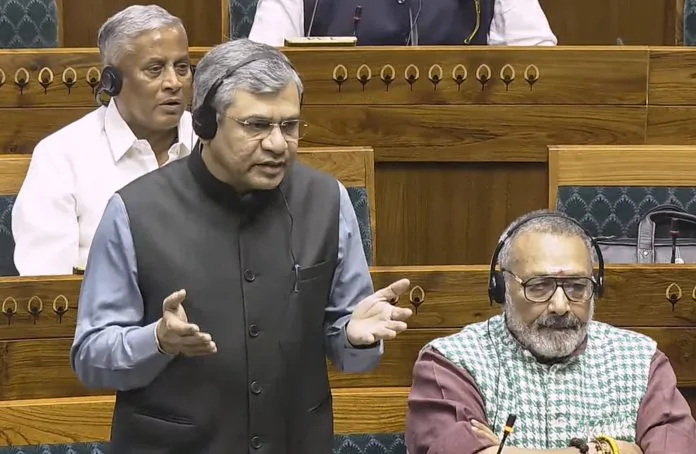
Union Minister for Information and Broadcasting, Ashwini Vaishnaw, on Wednesday emphasized the need to strengthen existing laws to curb vulgar content on social media platforms. Speaking in the Lok Sabha during the Question Hour, Vaishnaw called for a comprehensive review of current regulations and urged the Parliamentary Standing Committee to take up the matter.

Need for Stringent Laws to Control Vulgar Content

Vaishnaw, responding to a query raised by BJP member Arun Govil, highlighted the growing concerns over the unchecked spread of inappropriate content online. The minister pointed out that while editorial checks and guidelines once existed to determine what was appropriate for public consumption, these mechanisms have largely disappeared in the age of social media.

“In the past, there were editorial checks, and decisions were made regarding what content was right or wrong. But these checks have now ended,” Vaishnaw stated. He explained that social media platforms, while offering a space for free expression and the press, have become increasingly uncontrolled, leading to the proliferation of vulgar and inappropriate content.

“There is a need to make existing laws more stringent to curb vulgar content on these platforms,” Vaishnaw stressed, amid a commotion in the House.

Existing Laws and Need for Reform

The minister’s comments came in response to questions about the efficacy of current regulations to prevent the illegal telecast of vulgar and sexually explicit content on social media. Vaishnaw acknowledged that existing laws have not been fully effective in addressing the misuse of these platforms.

He further called for a broader consensus on framing more robust and stringent laws that could tackle the issue more effectively. “The government is committed to ensuring that social media remains a platform for free speech, but this freedom should not be abused to the detriment of society,” he added.

Conclusion

The call for stricter regulations on social media content comes as part of the government’s broader effort to ensure that the digital space remains responsible and respectful. With the rapid growth of social media, concerns about the unchecked spread of harmful content have become a major issue. The Information and Broadcasting Minister’s remarks indicate that the government is looking to address these challenges through stronger legal frameworks.

Yuva Rajput Sabha Delegation Calls on Deputy Chief Minister Surinder Kumar Choudhary

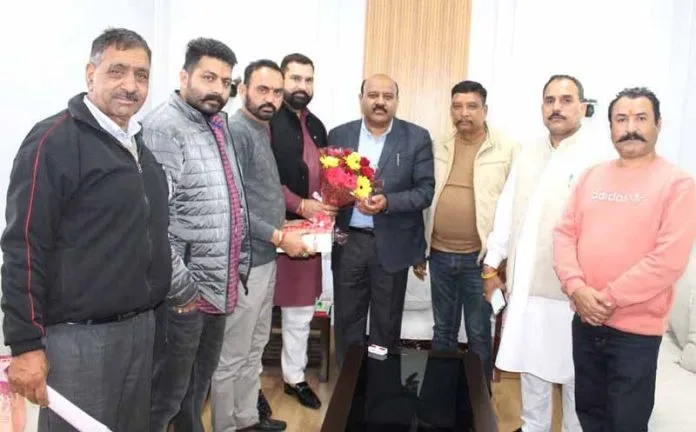
A delegation from the Yuva Rajput Sabha today met with Jammu and Kashmir’s Deputy Chief Minister, Surinder Kumar Choudhary, to present a range of issues affecting the community. The delegation sought urgent attention and redressal of these matters, highlighting their concerns in a detailed interaction.

Issues Presented to Deputy Chief Minister

The delegation raised several key issues, requesting the government’s immediate intervention and solutions. While the specific issues were not disclosed, they emphasized the need for timely action on matters impacting the social and economic well-being of the Rajput community and the broader public.

Deputy Chief Minister’s Assurance

In response, Deputy Chief Minister Surinder Kumar Choudhary assured the delegation that the government was fully aware of the challenges confronting the people of Jammu and Kashmir. He stated, “We are committed to addressing the issues raised by the people and ensuring that they are resolved in the shortest possible time.”

Choudhary further emphasized the government’s focus on not only resolving these issues but also accelerating the socio-economic development of the region. “Our government is dedicated to bringing about positive change and improving the quality of life for all communities in Jammu and Kashmir,” he added.

Conclusion

The Deputy Chief Minister’s assurance has been seen as a positive step towards addressing the concerns raised by the Yuva Rajput Sabha. The government’s commitment to resolving issues and driving development continues to be a key focus in its agenda.

Karra Claims BJP Government Not Interested in Restoring Full Statehood to J&K

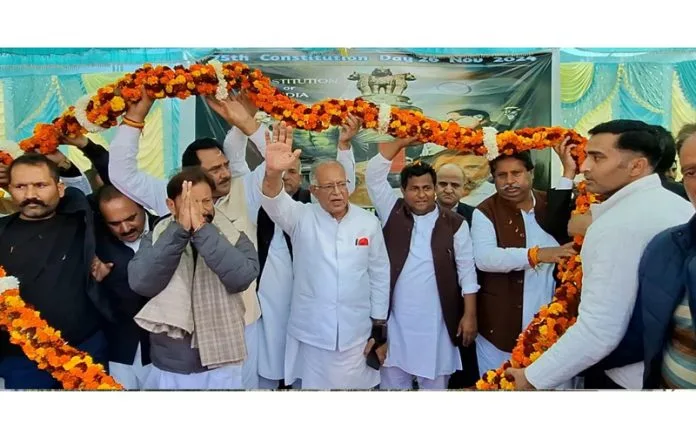
J&K Pradesh Congress Committee (JKPCC) chief, Tariq Hameed Karra, today accused the BJP-led Union Government of not being committed to restoring full statehood to Jammu and Kashmir. Speaking at a public rally in Rajouri, Karra claimed that the Centre was planning to retain control over crucial departments, which he termed as the “backbone” of any state.

Centre’s Alleged Plans to Retain Vital Departments

Karra asserted that some powerful individuals in the Central Government are not in favor of restoring Jammu and Kashmir’s statehood in its original form. He said, “The BJP government wants to retain some vital departments under their direct control. These departments are the fountainhead of any state, and any statehood that doesn’t include full autonomy over them is not acceptable to the Congress.”

He emphasized that the Congress party will continue to press for the complete restoration of statehood to Jammu and Kashmir as soon as possible, stating, “We will not accept any amendments that allow the Centre to retain control over crucial functions of the state.”

Stand on Article 370 Abrogation

Responding to questions about Article 370, which was abrogated by the BJP-led government in August 2019, Karra reaffirmed the Congress party’s position. He pointed to a resolution passed by the Congress Working Committee (CWC) on August 6, 2019, in which the action was described as “unilateral and undemocratic.” Karra said, “The Congress strongly condemned the government’s action, calling it undemocratic and unilateral. They had no right to take such a step without consulting the people of Jammu and Kashmir.”

Karra also criticized the government’s approach to Article 370, stressing that the restoration of statehood should be a priority. “Our only demand is the restoration of full statehood,” he said, adding that the party’s stance is aligned with the Supreme Court’s verdict on the matter. “We fought the elections on the demand for restoration of statehood and will continue our struggle until it is achieved.”

Differing Views with National Conference

On the position of the National Conference (NC), which has been pushing for the restoration of Article 370, Karra clarified that while the Congress and NC had fought the Assembly elections together, both parties had separate manifestos. He pointed out, “It is not unusual for alliance partners to have differing manifestos during elections. This is true for both the Congress-NC alliance in J&K and for the National Democratic Alliance (NDA) at the national level.”

Karra added that while both parties had common goals, their approaches were distinct, and the Congress did not endorse the NC’s call for the restoration of Article 370.

Fact-Finding Committee Report on Election Performance

Karra also addressed the recently constituted Fact-Finding Committee set up to analyze the Congress party’s performance in the recently held Assembly elections in Jammu and Kashmir. He revealed that the committee is finalizing its report, which will be available shortly. “The report will be presented once the committee completes its assessment of the party’s performance,” Karra stated.

Senior Congress leaders, including Tara Chand, Raman Bhalla, Ch Lal Singh, Ravinder Sharma, Ved Mahajan, Shabir Khan, and Iftikhar Ahmed (MLA), were present at the rally.

Conclusion

Karra concluded his remarks by reiterating Congress’s commitment to the restoration of full statehood for Jammu and Kashmir, emphasizing that the struggle for the rights and autonomy of the region would continue.

Tamil Suspense Film ‘Maharaja’ Set to Debut in China, Marking New Era for Indian Cinema

0

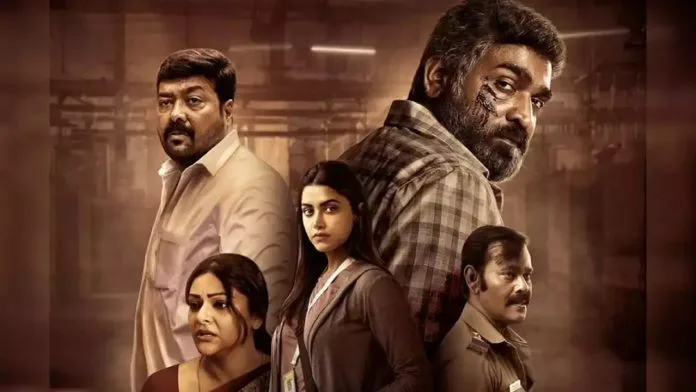
BEIJING, Nov 26: In a historic move for Indian cinema, the Tamil suspense film Maharaja is set to release in China on Friday, becoming the first Indian film to be screened there following the normalization of ties between India and China. The release comes after last month’s landmark agreement between the two countries to resolve the prolonged standoff in Eastern Ladakh, which had strained bilateral relations since 2020.

Maharaja, directed by Nithilan Swaminathan and starring acclaimed actors Vijay Sethupathi, Anurag Kashyap, Mamta Mohandas, and Natty Natraj, has already begun pre-screenings and is generating significant buzz among Chinese moviegoers. The film, which debuted in India on June 14 and was a massive hit, is currently enjoying a high rating of 8.7/10 on the popular Chinese movie review site Douban, making it one of the highest-rated Indian films in recent years.

Cultural Appeal and Narrative Innovation

The film’s release in China marks a new chapter for Indian cinema in the country, following a series of successful Bollywood films, such as Aamir Khan’s Three IdiotsDangal, and Secret Superstar, which resonated deeply with Chinese audiences due to their universal themes and compelling narratives.

According to the state-run Global Times, Chinese critics have high expectations for Maharaja, noting that its unique storytelling techniques and cultural themes are expected to strike a chord with local viewers. Maharaja is a suspense film that uses clever editing and cross-cutting techniques to create a labyrinthine narrative, keeping audiences on edge as the story unfolds with unexpected twists.

Film critic Wang Peiyu from Douban described Maharaja as having a “distinctive cultural expression” and praised its ability to confound the audience with numerous subplots and a surprising revelation near the film’s conclusion. “The film’s structure, which misguides the audience and reveals the truth at the end, is an effective way to captivate viewers. Its strong narrative sophistication sets it apart in its genre,” Wang said.

A Global Appeal: Indian Cinema’s Growing Influence in China

Indian films have consistently done well in China, especially those addressing social issues and offering a glimpse into Indian culture. Critics like Wang believe that films like Maharaja can transcend language and cultural barriers, similar to how other recent Indian films have resonated with Chinese audiences. A viewer named Li, who attended a pre-screening, remarked that Maharaja not only presents intellectual stimulation but also offers insights into Indian culture, making it a valuable experience for Chinese moviegoers.

Indian films, known for their strong moral core and focus on social issues, have found a receptive audience in China. Maharaja, like other successful Indian films, explores complex themes that reflect traditional Indian values, making it distinct from Western films, which often focus more on psychological themes or individualistic narratives.

“Indian films tend to offer a moral dimension, which many Western films lack,” said Wang, pointing out that Maharaja‘s cultural and philosophical richness makes it particularly appealing to those seeking diversity in global cinema. “While Hollywood films like Gladiator II may attract attention with their global appeal and epic scale, Maharaja provides a different kind of cinematic experience, one that is rooted in Indian culture and values.”

Strong Competition for Box Office Success

The film’s release coincides with two major competitors: Hollywood’s Gladiator II and the local Chinese film Her Story. However, Chinese critics believe that Maharaja will carve out its own space in the market due to its unique storytelling and cultural depth. Despite the stiff competition, the film is expected to perform well at the box office, continuing the trend of Indian films making a strong impact in China.

China, with its 86,000 theaters — the highest number in the world — has become a critical market for international cinema, and Indian films, particularly those with strong social themes and universal appeal, have found a loyal following. Films like Maharaja are helping to further cement India’s presence in the global film industry, showcasing a different side of Indian storytelling that resonates with diverse audiences.

Conclusion

With Maharaja set to become the first Indian film to release in China post-Ladakh standoff, its success will likely pave the way for more Indian films to make their mark in the Chinese market. The film’s intricate narrative and cultural themes make it a standout in the crowded cinematic landscape, and Chinese critics are optimistic about its potential to captivate local audiences, continuing the trend of Indian cinema’s growing influence abroad. As Maharaja premieres alongside major global films, it demonstrates the increasing appeal of Indian films and their ability to break cultural barriers and engage with audiences worldwide.

Maharashtra CM Eknath Shinde Resigns as Suspense Builds Over New Leader

0

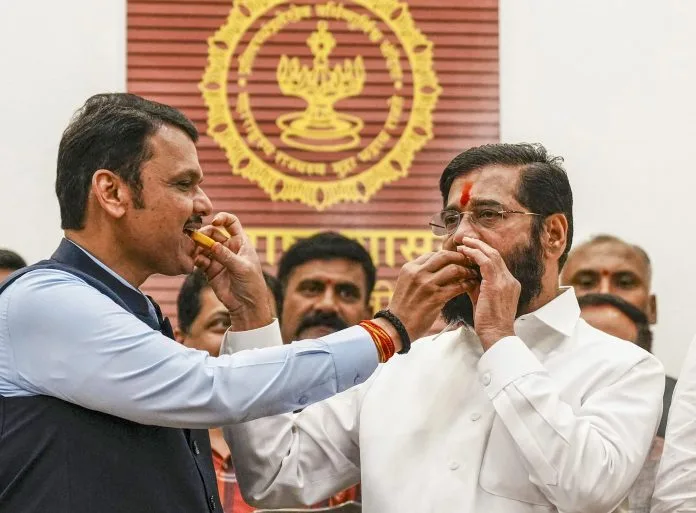
MUMBAI, Nov 26: In a significant development following the results of the Maharashtra Assembly elections, Chief Minister Eknath Shinde tendered his resignation on Tuesday morning, marking the end of his tenure as the state’s head of government. Shinde met with Governor C.P. Radhakrishnan at Raj Bhavan, where he formally stepped down.

The Governor has asked Shinde to continue serving as caretaker chief minister until a new leader is appointed. The resignation comes after the Mahayuti coalition — comprising the BJP, Shinde-led Shiv Sena, and Ajit Pawar’s NCP — secured a resounding victory in the elections, winning 230 seats in the 288-member assembly.

Uncertainty Over New CM Appointment

Despite the clear electoral mandate in favor of the ruling Mahayuti alliance, a consensus on the next Chief Minister has yet to be reached. As of now, suspense surrounds which party or leader will take charge of the state’s top post.

Shinde, accompanied by Deputy Chief Ministers Devendra Fadnavis and Ajit Pawar, arrived at Raj Bhavan on Tuesday morning to submit his resignation. After the meeting, Deepak Kesarkar, a minister in the outgoing Shinde cabinet, confirmed the resignation to the media.

“The Chief Minister has tendered his resignation. The Governor has asked him to continue in office as caretaker until the new government is formed,” Kesarkar told reporters.

Political Reactions and Future Developments

While the ruling coalition has secured a commanding victory, no agreement has yet been reached on who will take over as the new Chief Minister. The post-election discussions have been marked by a degree of uncertainty, with leaders of the BJP, Shiv Sena, and NCP still weighing their options.

When asked about the next Chief Minister, Kesarkar, who is a senior Shiv Sena leader, emphasized that all decisions would be in line with the direction set by Prime Minister Narendra Modi and Home Minister Amit Shah. “Every political worker desires that the CM should come from his or her party, but whatever decision Prime Minister Modi and Home Minister Shah take will be acceptable to all of us,” he said.

Shinde, according to Kesarkar, has made it clear to senior leaders that he would accept any decision made by the central leadership. “Shinde has told the senior leaders that whatever decision they take is acceptable to him,” Kesarkar added, indicating that the next Chief Minister could be a decision coming from the top leadership of the alliance.

A New Government Soon

As the Maharashtra assembly’s term officially ends on November 26, the new government is expected to be sworn in soon. However, the question of who will lead the state remains unresolved, with the Mahayuti alliance still in talks over the choice of the next Chief Minister.

The developments come at a crucial time for the state, as the new government will play a pivotal role in shaping Maharashtra’s future, especially in terms of governance and policy priorities. The next few days are likely to see intense political negotiations as the ruling coalition finalizes its leadership and cabinet decisions.

Cabinet Approves Key Projects to Boost Infrastructure, Agriculture, and Innovation

0

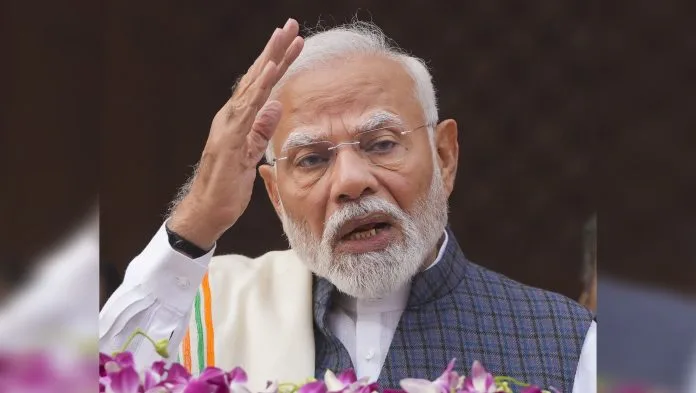
NEW DELHI, Nov 26: In a significant move aimed at accelerating India’s development, Prime Minister Narendra Modi on Tuesday highlighted several major decisions taken by the Union Cabinet, which will have a profound impact on infrastructure, agriculture, and innovation. The approved projects are expected to benefit states like Maharashtra, Madhya Pradesh, and Uttar Pradesh, alongside national initiatives aimed at promoting sustainable farming practices and empowering India’s youth.

Rail Projects to Enhance Connectivity

The Union Cabinet, chaired by Prime Minister Modi, approved three major rail infrastructure projects worth Rs 7,927 crore. These projects will strengthen the railway network, improve connectivity, and promote economic growth along key routes between Mumbai and Prayagraj.

The approved projects include:

  • Jalgaon-Manmad Fourth Line (160 km): This will ease congestion and improve the flow of goods and passengers between the two locations in Maharashtra.
  • Bhusawal-Khandwa Third and Fourth Lines (131 km): This project will boost connectivity between important industrial hubs in Madhya Pradesh.
  • Prayagraj (Iradatganj)-Manikpur Third Line (84 km): This is part of the efforts to strengthen rail infrastructure in Uttar Pradesh and enhance connectivity to key cities.

The projects are expected to ease travel time, reduce freight costs, and contribute to the economic development of the regions, Prime Minister Modi said in a post on X (formerly Twitter). He described improved infrastructure as key to “connecting dreams and accelerating progress” for the nation.

National Mission on Natural Farming

Another transformative decision announced was the launch of the National Mission on Natural Farming, a pioneering initiative to promote sustainable agricultural practices. Under this mission, the government aims to reach one crore farmers and cover 7.5 lakh hectares of land over the next two years. The initiative has been allocated a budget of Rs 2,481 crore.

Prime Minister Modi emphasized that the mission would help nurture soil health, protect biodiversity, and secure the future of Indian agriculture. “Through this effort, we are nurturing soil health, protecting biodiversity, and securing our agricultural future. It reaffirms our commitment to sustainable farming and prosperity for farmers,” he said.

‘One Nation, One Subscription’ and Empowering Academia

The Cabinet also approved the ‘One Nation One Subscription’ initiative, which aims to strengthen India’s academic ecosystem by providing seamless access to research, learning, and knowledge across the country. The move is expected to encourage interdisciplinary studies, empower students and researchers, and make India a global hub for education and innovation.

“This is a game-changer for Indian academia and youth empowerment,” Prime Minister Modi said, stressing that the initiative would be pivotal for fostering a culture of learning and collaboration.

Atal Innovation Mission Extended

The government also announced the continuation of the Atal Innovation Mission (AIM), a flagship program aimed at fostering innovation in India. The initiative, which supports young entrepreneurs and startups, is designed to accelerate India’s growth in sectors such as science, technology, and industry.

“The Cabinet decision relating to the continuation of the Atal Innovation Mission reflects our government’s unwavering commitment to fostering innovation,” Modi stated. The mission continues to play a vital role in enhancing India’s global competitiveness and nurturing a vibrant ecosystem for innovation.

Conclusion

Prime Minister Modi’s remarks on the Cabinet’s decisions highlighted a clear vision of sustainable development, improved infrastructure, and a focus on innovation as essential pillars for India’s future. The approval of these initiatives marks a decisive step toward realizing India’s aspirations of becoming a global leader in research, innovation, and sustainable agricultural practices.

With these projects, the government aims not only to boost economic growth but also to create lasting impact in the lives of farmers, students, and innovators across the country.

Mendhar Sports Festival 2024: A Grand Celebration of Culture, Talent, and Unity

0

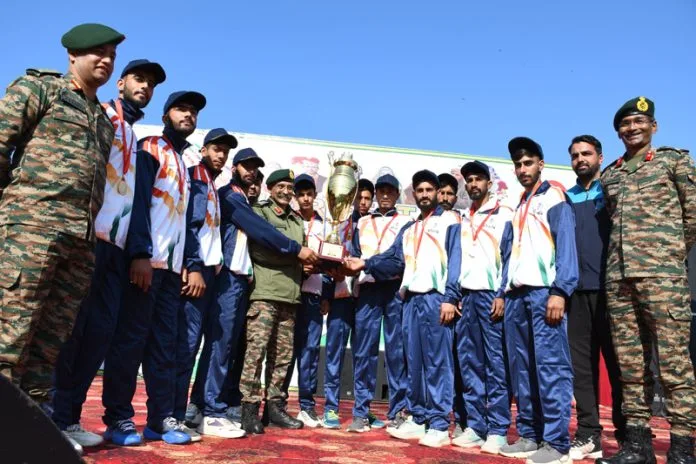
The Mendhar Sports Festival 2024, organized by the Mendhar Battalion under the Bhimber Gali Brigade and the Ace of Spades Division, concluded with an unforgettable grand finale that left an indelible mark on the local community near the Line of Control (LoC). The event, which spanned over 18 days, was a vibrant celebration of the region’s athletic talent, cultural richness, and the collective aspirations of the people of Mendhar.

A Momentous Finale: Celebrating Unity and Sportsmanship

The grand finale of the Mendhar Sports Festival was graced by Major General Kaushik Mukherjee, General Officer Commanding (GOC) of the 25 Infantry Division, and Brigadier Rahul Kumar, Commander of the Bhimber Gali Brigade. Both dignitaries lauded the enthusiasm of the local community and emphasized the critical role of such sporting events in promoting unity, fostering camaraderie, and strengthening the relationship between the Indian Army and the local population.

In his address, Major General Mukherjee highlighted the significance of sports in connecting people from all walks of life and bridging divides. He expressed his admiration for the community’s participation, noting that the festival had proven to be a success not just in terms of competition but also in terms of cultural exchange and community building.

An Exciting Array of Events and Competitions

The 18-day festival saw a host of thrilling competitions, with over 40 teams participating in traditional and modern sports, showcasing the physical prowess and teamwork of local athletes. Events included:

  • Volleyball
  • Kho-Kho
  • Kabaddi
  • Stone Lifting

One of the major highlights of the festival was the first-ever Mendhar Mini Marathon, which saw a spectacular turnout of over 300 participants from different age groups. The marathon was a true test of endurance and spirit, symbolizing the unity and resilience of the people of Mendhar.

Cultural Performances and Community Engagement

In addition to the sports competitions, the festival featured a series of cultural performances that gave the audience a glimpse into the region’s rich heritage. Local musicians, dancers, and artists performed traditional dances and songs, creating a festive atmosphere that celebrated the community’s deep-rooted cultural values.

The event also included a dog show by the Army, which was a hit among the spectators, as well as an Ex-Servicemen Meet, where veterans came together to share their experiences and connect with the younger generation. This initiative helped foster a sense of respect and camaraderie among the ex-servicemen and the local youth, emphasizing the bond between the military and the community.

A Platform for Aspiring Athletes

The festival was not only a celebration of culture but also a significant platform for identifying and nurturing local sporting talent. Many participants, especially in sports like volleyballkabaddi, and kho-kho, were seen displaying immense potential, and the Army has expressed its commitment to supporting them in their athletic journey.

The sports festival also served as a source of inspiration for local youth, encouraging them to take part in physical activities and pursue careers in sports. The Army has promised to continue its efforts to provide such opportunities in the future, ensuring that the spirit of sportsmanship continues to flourish in the region.

Bridging Divides, Strengthening Bonds

The Mendhar Sports Festival was not just about athleticism and competition; it was about fostering a deeper connection between the Indian Army and the local community. Through events like this, the Army continues to play a pivotal role in building bridges, creating positive engagement, and providing support to the people living in areas near the Line of Control (LoC).

As the festival concluded, Brigadier Rahul Kumar thanked the participants, organizers, and spectators for making the event a grand success. He emphasized that such initiatives are vital in bringing the Army closer to the people, helping strengthen national integration and ensuring the well-being of the local population.


The Mendhar Sports Festival 2024 has left a lasting legacy of sportsmanship, unity, and community spirit, one that will undoubtedly inspire future generations of athletes and strengthen the ties between the Army and the people of Mendhar.

Yashasvi Jaiswal Poised to Carry India’s Batting Legacy, Says Greg Chappell

0

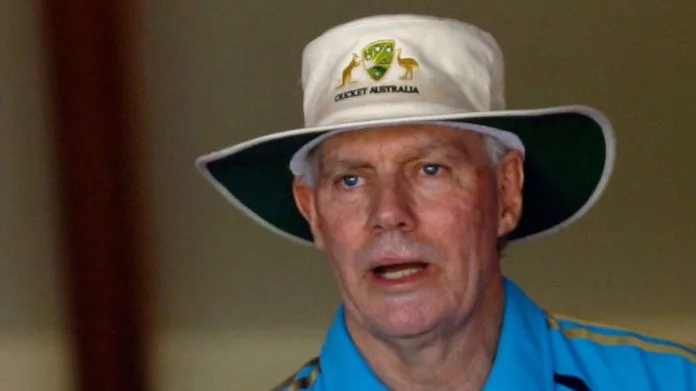
Perth, Nov 26, 2024: Former India coach Greg Chappell has hailed young opening batsman Yashasvi Jaiswal as the future of Indian cricket, drawing parallels with the likes of Sachin Tendulkar and Virat Kohli. Chappell’s comments came after Jaiswal played a scintillating knock of 161 runs in the opening Test against Australia in Perth, which helped India register a dominant 295-run victory.

Writing in his column for the Sydney Morning Herald, Chappell expressed admiration for Jaiswal’s fearless approach to the game, calling him “poised to inherit the mantle of Indian batting excellence”. He compared Jaiswal to India’s cricketing legends, suggesting that the young opener looks well-placed to carry forward the country’s rich tradition of batting success.

Jaiswal’s Journey: A Testament to India’s Cricketing Infrastructure

Chappell, who was India’s head coach from 2005 to 2007, pointed out that Jaiswal’s journey was a clear example of the effectiveness of India’s cricketing infrastructure and planning. The left-handed opener, who moved to Mumbai at the age of 10 to pursue his cricketing dreams, has come a long way. Despite the intense competition in India, Jaiswal’s perseverance and dedication have seen him break into the national side, making an impressive mark early in his career.

Chappell praised the Indian cricket system for its high-quality domestic structure, which has played a crucial role in developing world-class players like Jaiswal. He noted that India’s focus on youngsters and providing them with competitive matches gives them a significant advantage over other countries.

India’s System: A Clear Edge Over Australia’s Development Pathway

Chappell also drew a stark contrast between the cricketing systems of India and Australia. He pointed out that India’s junior red-ball cricket program, led by Rahul Dravid at the National Cricket Academy, is unparalleled. The system’s focus on long-form cricket at the youth level ensures that young players are well-prepared for the challenges of Test cricket, with a deep understanding of the game’s nuances.

In contrast, Chappell critiqued the Australian system, where school commitments often take precedence over playing competitive cricket, leaving young players with fewer opportunities to play meaningful games. He warned that this gap could hamper the development of young Australian cricketers, making them less prepared for the demands of international cricket.

Comparing Jaiswal to Australia’s Nathan McSweeney

Chappell used a comparison between Jaiswal and Australia’s Nathan McSweeney, a 25-year-old debutant, to highlight the differences in their early careers. While Jaiswal, at just 22, has already played 14 Tests30 first-class matches32 List A games, and 53 IPL matches, McSweeney has only made his debut in Test cricket with 34 first-class22 List A, and 18 T20 matches under his belt.

This stark contrast underscores the significant edge that Indian players gain from early exposure to a wide range of competitive formats, which in turn accelerates their growth as cricketers.

The Importance of Competitive Matches for Development

Chappell also discussed his interactions with young cricketers like Sarfaraz Khan, who, despite his success at the domestic level, has struggled to break into the Indian national team. Reflecting on his conversation with the then-16-year-old Khan, Chappell recalled how Khan prioritized his cricketing ambitions over schooling, saying, “I can go to school later, but I only get one chance at cricket.

Chappell, having worked extensively in Cricket Australia’s junior talent program, warned that Australia’s lack of competitive matches at a young age would hinder the development of its players. He emphasized that no amount of net practice can replicate the experience gained from playing meaningful games, urging the Australian cricket system to overhaul its development pathways or risk falling behind in global cricket.

A Call for Reform in Australian Cricket

Chappell’s reflections came as a stark reminder of the challenges facing Australia’s cricketing future. He believes that without significant changes to their development structures, Australia could find itself at a disadvantage as countries like India continue to nurture young talents through well-established, competitive systems.


As Jaiswal continues to impress on the international stage, it’s clear that India’s cricketing infrastructure and focus on long-form cricket at the grassroots level have set a strong foundation for future generations of cricketers. With Jaiswal leading the charge, India’s batting legacy seems well-secured for the years to come.