Tuesday, July 21, 2026
Home Blog Page 211

KPDCL Issues Final Call for Interest Waiver under Amnesty Scheme

0

The Kashmir Power Distribution Corporation Limited (KPDCL) today made a final call to its domestic consumers, urging them to come forward and claim a waiver on late payment surcharge under the Government’s Power Amnesty Scheme. The scheme, which has been running for several months, is set to end on March 31, 2025, and there will be no further extension after this deadline.

In a statement issued today, Er. Aaquib Waheed Deva, Chief Engineer of the Distribution Wing at KPDCL, emphasized that consumers have a limited window of time to avail of the amnesty. “The Power Amnesty Scheme will remain available only until March 31, 2025, and no further extensions will be granted. Consumers are encouraged to settle their outstanding dues by either paying the principal amount in full or opting for equal instalments over the next four months to claim the waiver on the late payment surcharge,” said Deva.

Details of the Amnesty Scheme

The Amnesty Scheme is designed to provide relief to domestic consumers by waiving off the late payment surcharge on outstanding dues, which has been a significant burden for many consumers. To qualify for the waiver, consumers need to clear their principal dues either in a lump sum or through a structured payment plan, which can be divided into equal instalments.

KPDCL has urged all eligible domestic consumers to take advantage of this one-time opportunity to clear their bills and avoid any further penalties or legal action. After March 31, 2025, no claims will be entertained, and the usual late payment charges will apply to any pending amounts.

Progress So Far: Over 1 Lakh Consumers Avail the Scheme

As of today, a total of 1,09,648 domestic consumers have already availed themselves of the benefits under the Amnesty Scheme, settling their claims and enjoying the waiver on the late payment surcharge. This has significantly reduced the outstanding arrears and helped many households clear their pending electricity bills.

Chief Engineer’s Appeal

Chief Engineer Er. Aaquib Waheed Deva further appealed to all consumers to utilize the remaining time and settle their dues under the scheme to avoid any complications in the future. “This is a golden opportunity for consumers to clear their debts without the added burden of surcharges. We urge everyone to come forward and take advantage of this scheme before the deadline of March 31, 2025,” he added.

Impact of the Amnesty Scheme

The Amnesty Scheme has proven to be an effective mechanism for reducing arrears and encouraging timely payments among consumers, benefiting both the KPDCL and the consumers. By clearing the outstanding dues, consumers can ensure that they do not face any additional financial burden from late payment penalties. For KPDCL, the scheme has resulted in increased revenue collection and better financial stability.

Final Reminder

With the deadline fast approaching, KPDCL is urging all domestic consumers to clear their outstanding dues under the scheme before the end of March 31, 2025, or risk losing the opportunity for a waiver on late payment surcharges.
Govt. SPMR College of Commerce Triumphs in Inter-College Boxing (Men’s) Tournament

0

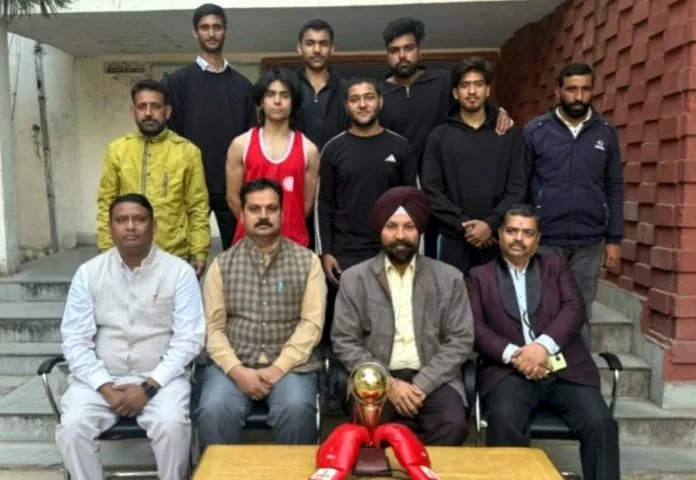
The Government SPMR College of Commerce emerged as the champions in the Inter-College Boxing (Men’s) Tournament, organized under the aegis of Cluster University of Jammu today. The event, which showcased some of the best boxing talent from various colleges, concluded with intense bouts and fierce competition.

Chief Guests and Key Attendees at the Event

The opening ceremony was a grand affair, graced by Prof. (Dr.) Rajinder Singh, who served as the chief guest, setting the tone for the day’s proceedings. Also present at the event were Dr. Daud Iqbal Baba, Director of Physical Education & Sports at Jammu University, who attended as the guest of honour. The occasion also saw the participation of Prof. Pawan Gupta, Dr. Chetna Gupta, Prof. Sanjeev Verma, Dr. Arun Sharma, and Kajal Permi, Physical Director of GCW Gandhi Nagar, among other dignitaries.

Tournament Conducted with Precision and Fair Play

The tournament was conducted under the supervision of Ravi Kumar, Physical Director at Govt. SPMR College of Commerce, alongside the college’s Sports Committee. The event saw fierce competition as boxers from different colleges fought for supremacy in the ring. The contest highlighted the rising interest and talent in boxing among college students in the region.

SPMR College of Commerce Takes Home the Title

In a highly competitive final, Govt. SPMR College of Commerce clinched the winner’s title, while MAM College secured the runners-up position. The matches were officiated by a team of experienced referees, including Harinderpal Singh, Rishiv Sharma, Anil Chib, Sandeep Singh, and Hardesh Singh, ensuring a fair and professional conduct of the tournament.

Promoting Grassroots Sports Development

The tournament successfully showcased the talent and passion for boxing among the college students. It also reinforced the importance of promoting sports at the grassroots level, with a focus on nurturing young athletes and giving them the platform to excel in their chosen disciplines.

The Road Ahead

The success of the tournament stands as a testament to the growing interest in sports, particularly boxing, within the educational institutions of Jammu. The event also emphasizes the ongoing efforts of the Cluster University of Jammu and its associated colleges in fostering a culture of sportsmanship and physical fitness among the youth.

Khelo India Scheme: Senior SAI Officials Review Water Sports Initiatives in Jammu & Kashmir

0

Jammu & Kashmir, December 6, 2024 – In a continued effort to enhance sports infrastructure and facilities under the Khelo India Scheme (KIS), a two-member team from the Sports Authority of India (SAI) visited Jammu and Kashmir to assess the ongoing water sports initiatives in the region. The team, led by Executive Director of North India, Manjushree Dayanand, and Deputy Director Sangeeta Sheoran, is on a two-day tour to inspect various water sports centers and facilities.

Khelo India’s Commitment to Promoting Sports Excellence

The Khelo India Scheme, launched by the Government of India in 2016-17, has been instrumental in identifying and nurturing sporting talent across the country. With a special focus on youth and grassroots-level sports development, the scheme aims to provide state-of-the-art infrastructure, training, and financial support to athletes, encouraging participation in sports and helping to build India’s sporting future.

Team Reviews Water Sports Center in Srinagar

On their first day of the tour, the SAI team visited the Water Sports Centre at Nehru Park, Srinagar, a hub for water-based activities like kayaking, canoeing, and rowing. The officials inspected the facilities and interacted with local trainers and athletes to evaluate the training process, equipment quality, and overall infrastructure.

“We are reviewing the facilities at Srinagar’s Water Sports Centre today to understand the current status and identify areas for improvement,” said Manjushree Dayanand, Executive Director (SAI). “Tomorrow, we will visit Manasbal Lake to further assess the water sports capabilities and make recommendations for enhancing these facilities.”

Focus on Developing Jammu’s Water Sports Infrastructure

In addition to their visit to Srinagar, the team will also travel to Basohli in Jammu, where the Water Sports Academy is located. The academy, an integral part of the Khelo India Scheme, plays a pivotal role in the development of water sports in the region. The SAI officials are expected to review its infrastructure, training programs, and evaluate ways to enhance the water sports ecosystem in Jammu & Kashmir.

According to Javid ur Rehman, Divisional Sports Officer (Central), “The SAI officials will review the progress of various Khelo India centers, including both the training numbers and facilities available at these centers. Their feedback will help in refining the existing framework and ensuring better sports development in the region.”

On-the-Ground Insights for Strategic Growth

The team’s visit is aimed at gathering first-hand insights into the current state of the water sports centers, assessing the performance of coaches and trainers, evaluating the quality and availability of sports equipment, and addressing administrative challenges. This direct engagement with the facilities is expected to provide valuable input for the further enhancement of the Khelo India Scheme’s impact in the region.

“The primary objective of this visit is to ensure that all facilities under the Khelo India Scheme are functioning effectively, offering the best training opportunities, and fostering an environment where athletes can thrive,” explained Sangeeta Sheoran, Deputy Director, SAI.

Improving Infrastructure and Encouraging Participation

The officials also plan to explore potential areas for expanding water sports activities in Jammu & Kashmir, a region rich in natural water resources. By improving access to world-class facilities, enhancing coaching programs, and promoting local talent, the Khelo India Scheme seeks to establish Jammu and Kashmir as a key center for water sports in the country.

What’s Next?

Over the next few months, SAI officials will continue to work closely with state authorities and local stakeholders to implement improvements based on these assessments. The team’s review of the water sports centers is part of a broader effort to develop and sustain sports excellence across various disciplines under the Khelo India Scheme.

The results of these inspections will be pivotal in shaping future strategies to ensure that the scheme continues to nurture sporting talent and create opportunities for athletes at every level.


About the Khelo India Scheme

Launched by the Government of India, the Khelo India Scheme aims to transform India into a sporting powerhouse by promoting sports at the grassroots level. It provides funding and infrastructure support to sports centers and academies, trains coaches, and identifies young talent for specialized coaching. The scheme has been vital in fostering sports culture in India, ensuring that the next generation of athletes is given the best resources and opportunities to succeed.

India and Bhutan Strengthen Ties with Focus on Economic Development and Regional Cooperation

0

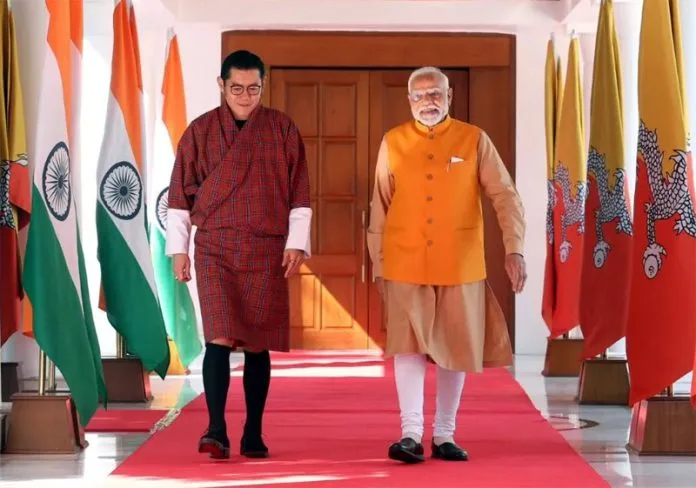
India and Bhutan reaffirmed their commitment to enhancing their “exemplary” bilateral partnership across multiple sectors during a significant two-day visit by Bhutanese King Jigme Khesar Namgyel Wangchuck to India. The visit underscored the strong ties between the two nations and their shared vision for regional peace and prosperity.

Prime Minister Narendra Modi held talks with King Wangchuck upon his arrival, focusing on advancing cooperation in areas such as clean energy, trade, investment, space technology, and infrastructure development. The two leaders expressed satisfaction with the growing bilateral relationship and reaffirmed their mutual commitment to further strengthening it.


A Commitment to Bhutan’s Socio-Economic Development

During their discussions, Prime Minister Modi conveyed India’s unwavering support for Bhutan’s socio-economic development, based on the priorities outlined by the Bhutanese government. The two leaders also touched on India’s continued assistance to Bhutan under the 13th Five Year Plan (2024-29), which includes critical support for the nation’s economic stimulus programme.

“We remain committed to advancing the unique and enduring partnership between India and Bhutan,” Modi said in a post on ‘X’, expressing admiration for King Wangchuck’s vision for Bhutan’s progress and regional development.

The Prime Minister also reassured Bhutan of India’s full backing for the Gelephu Mindfulness City initiative, a flagship project led by King Wangchuck aimed at boosting Bhutan’s development while strengthening connections with adjoining border regions in India.


Strengthening Strategic Cooperation

The joint statement issued after the talks highlighted the expanding scope of cooperation between India and Bhutan in various fields, including trade, energy, infrastructure, education, health, and digital economy. Both leaders expressed satisfaction with the “excellent” state of bilateral relations and reiterated their commitment to further solidifying these ties.

The King expressed deep appreciation for India’s invaluable support in advancing Bhutan’s development goals, emphasizing that the partnership between the two nations remains strong and vital for both countries and the region.

The Bhutanese delegation, including Queen Jetsun Pema Wangchuck and senior government officials, also participated in a lunch hosted by Prime Minister Modi in honor of the King and the Queen.


Hydropower Cooperation and Regional Development

The two leaders reviewed ongoing and upcoming projects in the energy sector, particularly the hydropower sector, which is a cornerstone of bilateral cooperation. They expressed satisfaction that the 1020 MW Punatshangchhu-II hydropower project was nearing completion and looked forward to its commissioning soon.

The leaders also discussed the need for an expedited resolution of the Punatsangchhu-I hydropower project, underlining the importance of advancing cooperation in this critical sector. Additionally, both sides agreed on finalizing plans for new hydropower projects, including reservoir-based projects, to further enhance bilateral energy cooperation.


Focus on Connectivity and Strategic Initiatives

The two leaders also reviewed a series of key projects aimed at improving connectivity between the two countries. This includes the establishment of two cross-border rail links and strengthening digital connectivity, which are expected to facilitate greater trade, people-to-people interaction, and regional integration.

Prime Minister Modi and King Wangchuck agreed on the importance of expanding their cooperation in these sectors to further boost the socio-economic development of both countries and the wider region.


Regional Security Concerns and China’s Engagement with Bhutan

King Wangchuck’s visit comes amid growing Chinese efforts to establish formal diplomatic relations with Bhutan. While Bhutan has long maintained close ties with India, recent developments have raised concerns in New Delhi. Over a year ago, Bhutan’s then Foreign Minister Tandi Dorji held talks with Chinese officials in Beijing regarding Bhutan’s boundary dispute with China.

The talks highlighted Bhutan’s position on the One-China policy and its readiness to engage in dialogue with China for the early resolution of their boundary issue. However, India has closely monitored these developments, as the outcome of Bhutan’s negotiations with China could have significant implications for India’s strategic interests, particularly in the sensitive Doklam region.

In this context, both India and Bhutan reiterated the importance of maintaining a strong and cooperative relationship, both bilaterally and regionally, in the face of evolving geopolitical dynamics.


Conclusion:

Prime Minister Modi and King Wangchuck’s discussions underscore the deep and enduring friendship between India and Bhutan, which has been characterized by close cooperation in diverse fields. Both leaders have reiterated their shared vision of promoting peace, stability, and prosperity in the region through continued collaboration in sectors such as energy, trade, connectivity, and socio-economic development.

As India and Bhutan continue to build on this strong partnership, the visit is expected to yield positive outcomes for both nations, with a focus on regional development, energy cooperation, and strategic alignment in an increasingly complex geopolitical environment.

Javed Rana Reviews Progress on Water Supply Schemes in Pir Panjal Region

0

Javed Ahmad Rana, the Minister for Jal Shakti, Forest, Ecology & Environment, and Tribal Affairs, chaired a crucial meeting at the Civil Secretariat today to review the implementation of Water Supply Schemes (WSSs) in the Pir Panjal region. The meeting was held to assess the progress of various activities under the Jal Shakti Department, with a special focus on the ongoing Jal Jeevan Mission (JJM) projects in the districts of Poonch and Rajouri.

The meeting saw the participation of Chief Engineer PHE, Jammu, and Superintending Engineer, Jammu, who attended in person, while officers from the Poonch and Rajouri districts joined through video conferencing.


Focus on Timelines and Fund Utilization

Minister Javed Rana conducted a comprehensive review of the various water supply schemes, with particular emphasis on their completion timelines, physical targets, and fund utilization. He stressed the importance of efficient and timely implementation of these schemes to ensure uninterrupted access to clean drinking water in the region.

“I want to make it clear that any delays in the completion of these water supply schemes will not be tolerated. We are setting clear timelines for the completion of all ongoing projects,” said Rana during the meeting. “If the work is not done as per schedule, we will have to redo it. We cannot afford to compromise on quality or efficiency.”


Quality of Work is Non-Negotiable

While reviewing the progress, the Minister emphasized that maintaining the highest standards of quality in the execution of all water supply schemes is non-negotiable. “We are committed to providing the people of Pir Panjal with sustainable and reliable water supply systems, but that requires diligence, quality control, and a commitment to excellence at every stage of the project,” he added.

Rana’s statement reflects the urgency to address water scarcity in the region, especially in the backdrop of the ambitious goals set under the Jal Jeevan Mission, which aims to provide tap water connections to every rural household in India by 2024.


Implementation of Jal Jeevan Mission in Poonch and Rajouri

The Jal Jeevan Mission has been a cornerstone of the government’s efforts to improve water supply infrastructure in rural India. The Minister took a close look at the implementation of JJM in the districts of Poonch and Rajouri, areas that have historically faced challenges in providing adequate and reliable water supply to their populations.

Rana directed the officers to expedite the pace of work on the water supply schemes while ensuring that the projects align with the guidelines of JJM. “The goal is not only to complete these schemes but to do so with precision, ensuring that the quality of water, the sustainability of the infrastructure, and the efficiency of service delivery are up to the mark,” he said.


Next Steps and Follow-Up Actions

To ensure that the work moves forward without delays, the Minister has instructed officers to regularly monitor the progress of each water supply scheme and submit reports on a bi-weekly basis. Furthermore, the district authorities in Poonch and Rajouri have been tasked with conducting field inspections to assess the quality of ongoing work.

“The priority is to complete these schemes on time and with quality assurance. I will personally oversee the progress and ensure that these projects deliver as promised to the people of Pir Panjal,” Minister Javed Rana concluded.


Upcoming Plans:

  • Field Inspections: Officers from the Jal Shakti Department will conduct regular on-ground inspections to ensure the quality and pace of work.
  • Public Awareness Campaign: An outreach program to educate local communities on the benefits and proper use of the new water supply systems.

Key Takeaways:

  • Timelines Set for Completion: Minister Javed Rana has laid down strict deadlines for the completion of Water Supply Schemes in the Pir Panjal region.
  • Quality Control Emphasized: The Minister has insisted on maintaining high standards of quality in all water supply projects.
  • Focus on Jal Jeevan Mission: Special attention is being given to the implementation of the Jal Jeevan Mission in Poonch and Rajouri districts to improve rural water supply infrastructure.

NC Leaders Pay Tribute to Sheikh Mohammad Abdullah on 119th Birth Anniversary

Srinagar, Dec 5, 2024 – National Conference (NC) leaders gathered today to mark the 119th birth anniversary of the party’s founder, the revered Sheikh Mohammad Abdullah, also known as Sher-e-Kashmir. The solemn occasion saw the NC president, Dr. Farooq Abdullah, along with Chief Minister Omar Abdullah, his sons Zahir and Zamir, and other senior party leaders visiting the Sheikh’s grave at Hazratbal. The leaders offered Fateha Khawani (prayers) to honor the legacy of the political icon.

The event was attended by a large number of party workers and functionaries, who paid homage to Sheikh Abdullah for his pivotal contributions to the development of Jammu and Kashmir. His leadership was particularly instrumental in the fields of education, healthcare, and land reforms, where he worked tirelessly to uplift the marginalized communities.


Reinstatement of Public Holiday Sought

During the ceremony, a number of prominent NC leaders expressed concern over the removal of December 5 as a public holiday, a decision made in 2020. Altaf Kaloo, Member of Legislative Assembly (MLA) from Pahalgam, highlighted the significance of this day, urging that it be reinstated as a public holiday in memory of Sheikh Abdullah’s monumental role in the region’s history.

“We commemorate this day annually, continuing a long tradition. However, after August 5, 2019, the public holiday on this day was canceled. This holiday should be reinstated to honor Sheikh Abdullah’s legacy,” said Kaloo.


Proposal Pending Approval

A proposal to reinstate the holiday was submitted last month by the Omar-led government to Lieutenant Governor Manoj Sinha. However, it is still awaiting approval. The cancellation of the holiday has become a contentious issue among the party workers and supporters of Sheikh Abdullah, who believe that his memory deserves to be formally recognized by the state.


A Tribute to Social Justice and Empowerment

During the event, Hasnain Masoodi, MLA from Pampore, spoke about Sheikh Abdullah’s enduring influence on the region’s social and political landscape. “Under his leadership, we defeated tyranny and laid the foundation for social justice. This day is respected across Kashmir for the freedom and dignity he brought to our people,” Masoodi said.

Minister for Education, Health, Medical Education, and Social Welfare, Sakina Itoo, described Sheikh Abdullah as a “towering personality” with a profound impact on the subcontinent. “Sheikh Abdullah liberated the people of Jammu and Kashmir from mental subjugation and gave them a sense of dignity. Today, we remember a leader who changed the course of history for the people of Jammu and Kashmir,” she added.


Legacy of Empowerment

Sakina Itoo further praised Sheikh Abdullah’s legacy, noting how he taught the people of Kashmir to “live with their heads held high.” His contributions, she emphasized, were not just in governance but also in empowering the Kashmiri people with the tools of education, social justice, and equal rights.

“His influence reached far beyond the borders of Kashmir, inspiring generations to come. He will always be remembered as a symbol of progress and empowerment,” Itoo concluded.


Remembering a Visionary Leader

Sheikh Mohammad Abdullah’s legacy continues to shape the politics and social fabric of Jammu and Kashmir. His efforts in land reforms and his leadership in providing education and healthcare to the underserved areas of the region remain cornerstones of his enduring influence.

As NC leaders and workers gather in tribute, they reiterate their commitment to continuing his vision for a just and prosperous Jammu and Kashmir. The call for the reinstatement of the December 5 public holiday remains a central demand, as his admirers continue to push for recognition of his lasting contribution to the region.

Opposition MPs Protest in Parliament Over Adani Allegations: “Modi Adani Ek Hai”

0

Raising Slogans, Wearing Stickers, and Demanding Probe into Adani’s Indictment

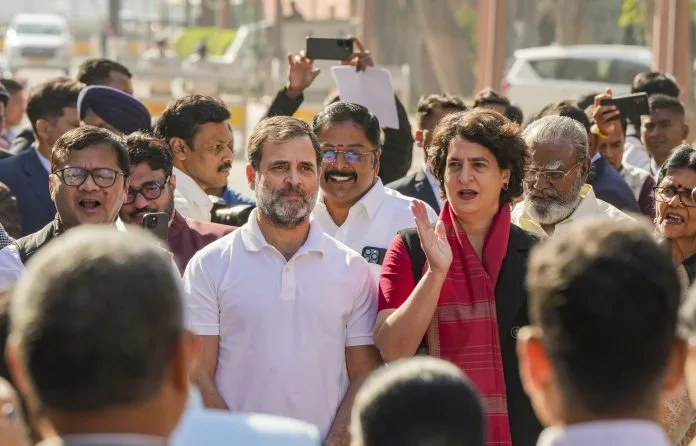
New Delhi, December 5, 2024 – In a dramatic and unusual protest outside Parliament, leaders of several opposition parties in the INDIA bloc, including Congress, RJD, and Left parties, wore black jackets emblazoned with provocative stickers reading “Modi Adani Ek Hai” (Modi and Adani are One) and “Adani Safe Hai” (Adani is Safe). They raised slogans and demanded a joint parliamentary probe into the ongoing Adani controversy following the industrialist’s indictment in a US court on charges of bribery and fraud.

Protest in the Heart of Power

The protest, led by Congress leader Rahul Gandhi and supported by prominent lawmakers like Priyanka Gandhi Vadra, took place at Parliament’s Makar Dwar, rather than the steps leading directly to the Parliament building, after a warning from the Lok Sabha Secretariat about obstructing the movement of MPs and affecting safety protocols.

Rahul Gandhi: “Modi Can’t Escape Responsibility”

Speaking to reporters during the protest, Rahul Gandhi remarked, “Prime Minister Narendra Modi cannot initiate an investigation into the Adani Group because it would directly implicate him. Modi and Adani are two sides of the same coin, and this connection cannot be ignored. The Prime Minister must come to the House and speak on the issue, and the people of India deserve to know the truth.”

Gandhi’s sister, Priyanka Gandhi Vadra, also joined the protest, demanding that Parliament discuss the serious charges against Adani, including his recent indictment in the US courts. The Congress party has made it clear that it will not rest until a joint parliamentary committee (JPC) probe into the matter is initiated.

The Adani Indictment: A Game-Changer

The allegations against Gautam Adani have created a storm, especially after a US court’s indictment of the Adani Group’s senior executives for bribery and fraud. While opposition parties argue that the charges validate their calls for a thorough investigation, the Adani Group has steadfastly dismissed the claims as “baseless.”

The Congress party has stepped up its demand for the establishment of a JPC, arguing that the Prime Minister’s silence on the issue only deepens suspicions about his involvement in protecting Adani.

Cross-Party Unity and TMC’s Absence

The protest saw leaders from several opposition parties coming together to demand accountability. However, the Trinamool Congress (TMC), led by Mamata Banerjee, chose to stay away from the demonstration. The absence of the TMC raised questions about the depth of opposition unity on this issue.

Lok Sabha Secretariat’s Advisory

In a response to the ongoing protests, the Lok Sabha Secretariat issued an advisory reminding MPs not to obstruct movement around the Parliament gates. This move came after several opposition leaders staged protests in front of Makar Dwar on Tuesday and Wednesday, despite security concerns flagged by Speaker Om Birla.

The Call for Justice

As the protest gained momentum, leaders like Rahul Gandhi repeated their demand for the immediate arrest of Adani, urging that his alleged crimes should not be swept under the rug. Priyanka Gandhi echoed this sentiment, emphasizing that the issue had gone beyond political rivalry and was a matter of national importance.

Adani Group’s Response

The Adani Group has responded to the allegations, labeling them as “baseless” and stating that they are committed to upholding the highest standards of corporate governance. However, their rebuttal has not quelled the opposition’s demands for a full-scale investigation.


What’s Next?

The ongoing tension between the ruling BJP and the opposition parties is expected to escalate, with more protests and debates planned in Parliament. Whether a joint parliamentary committee will be formed to investigate the allegations against Adani remains to be seen. For now, the opposition has made it clear: the matter is far from over.

Chief Secretary Atal Dulloo Reviews Progress in J&K Medical Colleges and Health Services

In a key meeting held today, Chief Secretary Atal Dulloo conducted a thorough review of the Health & Medical Education (H&ME) Department’s initiatives to expand medical education and improve health services across Jammu and Kashmir. The meeting, attended by senior officials including the Secretary H&ME, Secretary PWD, MD NHM, Principals of Medical Colleges, and other concerned officers, focused on the steps being taken to increase MBBS, Post-Graduate (PG), and Post-Doctoral seats in medical institutions across the Union Territory (UT).


Expansion of Medical Seats and Specializations:

Dr. Dulloo began the session by addressing the Principals of Medical Colleges, seeking a detailed account of their efforts to introduce new specializations such as MD/MS, DM/MCH, and DNB in their respective institutions. The Chief Secretary emphasized the importance of expanding academic offerings to meet the growing healthcare needs in J&K.

  • Addition of MBBS Seats: The Chief Secretary directed the Principals of seven new Medical Colleges to take concrete steps to add 50 more MBBS seats in addition to the existing intake capacity of 100 seats per college. He highlighted the need to optimally utilize available infrastructure and manpower to achieve this target, alongside expanding other specializations.
  • Focus on Specialization Courses: Dr. Dulloo stressed the need for a well-formulated action plan to introduce specialized courses in all medical colleges and district hospitals within the next year. This would enhance the quality of medical education and cater to the increasing demand for specialized healthcare professionals.

Upgrading Healthcare Services:

In addition to educational reforms, the Chief Secretary also took stock of the ongoing efforts to upgrade healthcare services in the UT. He specifically reviewed the status of health projects across J&K, many of which are aimed at improving infrastructure and services in district hospitals.

  • Tertiary Care Services: Dr. Dulloo advised the medical college principals to devise a concrete plan of action to enhance tertiary care services in the newly established medical colleges and district hospitals within the coming year. This would ensure that patients receive advanced medical care without having to travel long distances.
  • Human Resource Augmentation: The Chief Secretary highlighted the critical role of adequate staffing in medical colleges and hospitals. He called for a comprehensive review of the existing human resources, particularly teaching staff, and urged the authorities to fill vacant positions, especially those of Professors. He emphasized that proper staffing is essential to improve the quality of education and healthcare services.

IT-Enabled Health Services:

As part of the efforts to modernize healthcare in J&K, the Chief Secretary also took stock of the IT-based services implemented in the UT’s hospitals. These services, aimed at digitizing healthcare delivery, include programs like Tele-ICU, e-Sanjeevani, Tele-Radiology, and e-Sahaj.

  • Expansion of IT Modules: Dr. Dulloo recommended accelerating the adoption of these IT modules to create a seamless and universal health service system in J&K. He stressed the importance of integrating these services into remote districts, particularly under the Tele-ICU program, to minimize the need for patient referrals to tertiary care centers.
  • Linking Far-Off Districts: To further enhance accessibility to healthcare, Dr. Dulloo suggested linking far-off districts with GMCs (Government Medical Colleges) through the Tele-ICU program. This initiative is expected to provide critical care support to patients in underserved regions and reduce the burden on medical facilities in urban areas.

Key Takeaways:

  • 50 Additional MBBS Seats: New Medical Colleges urged to expand MBBS intake to enhance medical education capacity.
  • Specialization Courses: Emphasis on introducing MD/MS, DM/MCH, and DNB programs to cater to specialized medical needs.
  • Upgradation of Tertiary Care: Action plans to improve services at newly established medical colleges and district hospitals within the year.
  • Human Resource Enhancement: Call for filling vacant teaching positions to strengthen medical education and healthcare services.
  • Expansion of IT Services: Push for widespread adoption of Tele-ICU, e-Sanjeevani, and other digital tools to improve healthcare delivery and reduce referrals.

Government’s Efforts to Accelerate Grievance Redressal and Empower Citizens Dr. Jitendra Singh Shares Key Updates in Lok Sabha

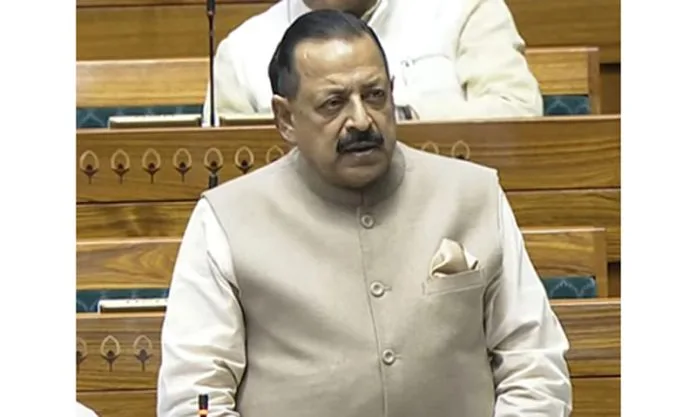
Union Minister of State for Science and Technology, Earth Sciences, and various departments, Dr. Jitendra Singh, on Wednesday, shared significant updates on the government’s efforts to improve grievance redressal mechanisms in the country, with a focus on accessibility for rural citizens.

In his statement to the Lok Sabha, Dr. Singh highlighted the notable progress made through the CPGRAMS (Centralized Public Grievance Redress and Monitoring System) portal, citing a progressive decline in grievance redressal time. He revealed that more than 28 lakh citizens from 795 districts have been registered on the portal, with an average of 70,000 new registrations every month. The Minister emphasized the importance of collaboration with Common Service Centres (CSC) to extend the reach of grievance redressal services, particularly in remote rural areas.


Key Developments in Grievance Redressal:

  • 28 Lakh Citizens Registered: Over 28 lakh citizens from 795 districts have successfully registered on the CPGRAMS portal, ensuring their access to timely grievance redressal.
  • CPGRAMS 10-Step Reform: The government has introduced a 10-step reform to enhance the functionality of CPGRAMS, which includes:
    • Regional language support on the portal
    • Citizen engagement through feedback call centers
    • Simplified registration process
    • Launch of the CPGRAMS mobile application
  • Focus on Rural Outreach: Collaborations with CSCs, leveraging Village Level Entrepreneurs (VLEs), have enabled the resolution of 4.68 lakh grievances in 2023 and 2024. Furthermore, the 20th of every month is now observed as CSC-CPGRAMS Day, aiming to enhance awareness among rural populations, particularly those involved in farmer-centric schemes such as PMAY (Pradhan Mantri Awas Yojana) and PM-KISAN (Pradhan Mantri Kisan Samman Nidhi).
  • Improved Pension Grievance Redress: Through the Centralized Pension Grievance Redress and Monitoring System (CPENGRAMS), the government has successfully reduced the backlog of pension grievances. As of now, no case has been pending for over two years. Between November 2022 to October 2024, 168,964 grievances were resolved.

Pension Grievance Redressal:

Dr. Jitendra Singh also shared details about targeted efforts to resolve pension grievances, especially those related to family pensioners and super-senior pensioners. Specific categorization of such grievances, including delays in starting family pensions and additional pensions, has been implemented for more effective monitoring.

The government’s 100-day action plan has been instrumental, with a month-long Special Campaign launched in July 2024 achieving 94% redressal for family pension grievances. Regular reminders and monthly Inter-Ministerial Review Meetings (IMRMs) have been conducted to track progress, ensuring the timely resolution of pension issues.


Key Policy Changes and Initiatives:

  • Decentralized Redressal Mechanism: As per policy, pension grievances are redressed in a time-bound manner by the concerned Ministries/Departments, and interim replies are provided for cases that are not resolved within the prescribed timelines.
  • Quality of Redressal Monitored: The quality of grievance redressal is consistently monitored through feedback centers. If a case is rated poorly, appeals are filed to ensure accountability and prompt resolution.
  • Emphasis on Timely Resolution: The Department has revised its policy to ensure final redressal of grievances within 21 days, down from the previous 30-day timeline. This change reflects the government’s commitment to improving efficiency and service delivery.

Looking Ahead:

The government’s focused efforts on grievance redressal are part of a broader initiative to enhance citizen engagement and accessibility, especially in rural and remote areas. By integrating technology, simplifying processes, and collaborating with local partners like CSCs, the government aims to provide efficient, transparent, and timely resolution of public grievances.

Lieutenant Governor chairs review meeting of Home Department

0

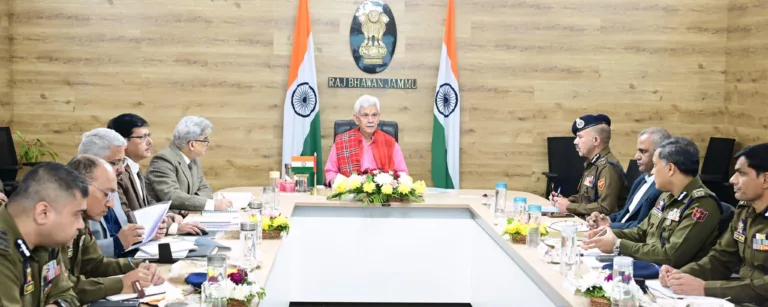
Jammu, December 3, 2024 — Lieutenant Governor Shri Manoj Sinha today chaired a high-level meeting at Raj Bhawan to review the functioning of the Home Department. The meeting was attended by Chief Secretary Shri Atal Dulloo, Principal Secretary Home Shri Chandraker Bharti, Director General of Police (DGP) Shri Nalin Prabhat, DGP Prisons Shri Deepak Kumar, and other senior officials from the Jammu and Kashmir Police and related departments.

Reviewing Key Issues and Security Concerns

During the meeting, the Lieutenant Governor was briefed on several important aspects, including Security Related Expenditure (SRE), manpower positioning, and ongoing infrastructure works. The discussion also covered critical matters related to the functioning of subordinate departments, such as the J&K Police, Prisons, Fire & Emergency Services, Home Guards, SDRF, Prosecution, and Forensic Sciences.

Focus on Modernization and Capacity Building

Shri Manoj Sinha emphasized the importance of modernization and capacity building within the Home Department. He called for continued improvements in infrastructure and the enhancement of security protocols to meet emerging challenges effectively.

The meeting also involved a review of the current status of various departments, with a focus on ensuring their efficient functioning and readiness to address public safety and security concerns.