Saturday, July 18, 2026
Home Blog Page 206

SC to Examine Plea for Pan-India Guidelines for Safety of Women, Children, and Transgender Persons

0

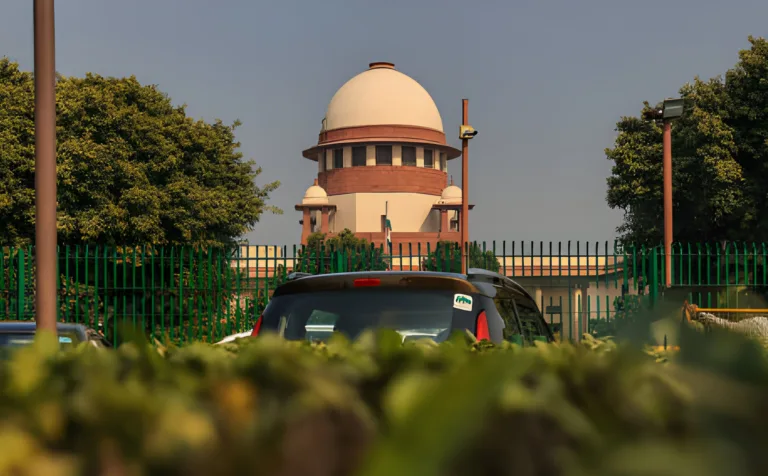
New Delhi, Dec 16: The Supreme Court agreed on Monday to hear a plea seeking the framing of pan-India guidelines to ensure a safe environment for women, children, and transgender persons in society.

A bench comprising Justices Surya Kant and Ujjal Bhuyan issued notices to various ministries and instrumentalities of the Central Government and scheduled the next hearing for January.

Concerns Raised

Senior advocate Mahalakshmi Pawani, representing the petitioner Supreme Court Women Lawyers Association, highlighted the prevalence of unreported cases of sexual abuse, especially in smaller cities. She cited instances such as the RG Kar Medical College Hospital case in Kolkata, where a trainee doctor was raped and murdered, and emphasized the need for stricter measures.

Pawani advocated for stringent punishments like chemical castration, akin to Scandinavian countries, to deter offenders. However, the bench expressed reservations about extreme punitive measures, terming some proposals “barbaric” and “harsh.”

Focus on Social Behaviour

Justice Surya Kant suggested creating awareness around proper conduct in public transport, including buses, metros, and trains. He emphasized the importance of implementing and publicizing “do’s and don’ts” for social behavior in public utility vehicles, citing recent incidents in airlines as examples.

“Awareness about proper social conduct should not only be taught but strictly enforced,” Justice Kant remarked.

Implementation Challenges

The bench pointed out the need to examine gaps in the implementation of existing laws and guidelines. Pawani noted that despite stringent laws and guidelines, their enforcement remains inconsistent.

On the 12th anniversary of the Nirbhaya case, the plea underscored the importance of addressing systemic shortcomings to prevent crimes against women and marginalized groups. The bench directed notices to be issued to the concerned ministries and instrumentalities through the office of the Attorney General.

“We appreciate the efforts to seek relief for the common woman, who faces struggles in day-to-day life,” Justice Surya Kant remarked during the hearing.

The association has sought comprehensive guidelines and reforms to ensure the safety and dignity of vulnerable groups across the country
NSA Ajit Doval Likely to Visit China for Boundary Talks

0

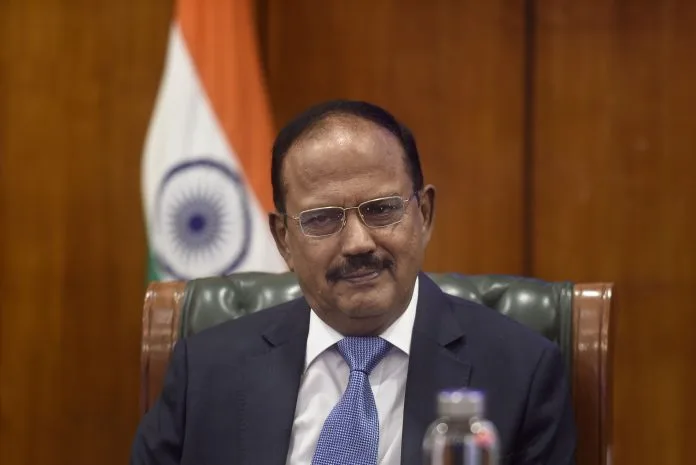
New Delhi, Dec 16: National Security Advisor (NSA) Ajit Doval is expected to travel to Beijing in the coming weeks to lead the Indian delegation at the Special Representatives (SR) dialogue on the boundary issue, authoritative sources have confirmed. This dialogue will mark the 23rd round of talks and will be held after nearly five years.

The last SR dialogue took place in New Delhi in December 2019. The decision to revive the mechanism was made during a meeting between Prime Minister Narendra Modi and Chinese President Xi Jinping in Kazan on October 23.

Upcoming Talks

NSA Doval is set to attend the 23rd round of SR talks, which may take place later this month or in early January. While the venue is yet to be officially announced, preparations for the dialogue have been underway since the diplomatic talks held on December 5.

In this dialogue, NSA Doval represents India, while the Chinese side is headed by Foreign Minister Wang Yi.

Background

The SR dialogue has been on hold for five years due to tensions along the Line of Actual Control (LAC) in eastern Ladakh. The military standoff began in May 2020, followed by a deadly clash in Galwan Valley in June that year, straining ties between the two nations.

However, the recent disengagement from friction points in Demchok and Depsang, completed on October 21, has paved the way for renewed dialogue. This development was followed by a meeting between Modi and Xi on the sidelines of the BRICS Summit in Kazan, where both leaders agreed to revive various dialogue mechanisms, including the SR talks.

Focus of Discussions

The upcoming talks are expected to address:

  • Long-standing boundary disputes.
  • Mechanisms to ensure peace and stability along the LAC.
  • Ways to prevent future conflicts through strengthened communication channels.

India and China aim to use this dialogue as an opportunity to rebuild trust and address unresolved issues, signaling a cautious but constructive step forward in bilateral relations.

Ministers Visit Kotranka to Address Health Crisis Following Unidentified Illness

0

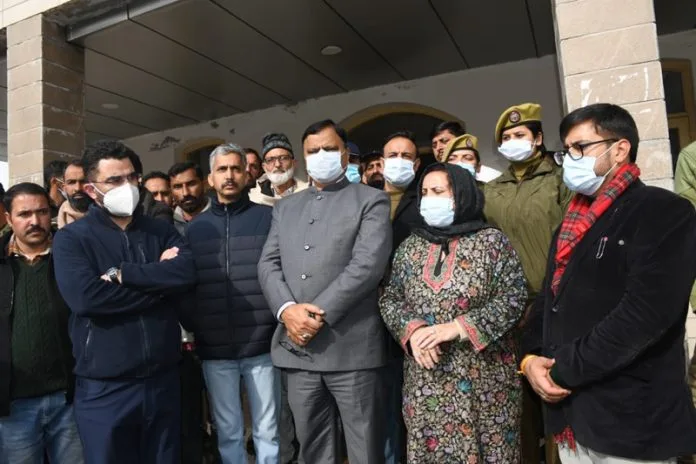
In the wake of seven tragic deaths due to an unidentified health illness in two families from Budhal village, Ministers Sakina Itoo (Health, Medical Education, Social Welfare, and Education) and Javed Ahmed Rana (Jal Shakti, Forest, Ecology & Environment, and Tribal Affairs) visited Sub-Division Kotranka to review the situation and assess ongoing measures.

The Ministers chaired a detailed review meeting attended by senior officers, including Secretary, Health & Medical Education, Dr. Syed Abid Rasheed Shah.

Immediate Interventions

Minister Sakina Itoo stressed the urgency of strengthening health systems, expediting forensic lab results, and testing food and milk samples. She directed:

  • The deployment of a team of doctors to remain stationed in Kotranka.
  • Establishing an MRI facility in Kotranka to improve diagnostic capabilities.

Minister Javed Rana emphasized water quality testing in adjacent areas and announced two mobile medical units for Rajouri and Poonch districts. These units, costing approximately Rs. 1 crore each, are equipped to deliver healthcare services, including preventive care, diagnostics, and treatment.

Long-Term Solutions

Minister Rana also directed Forest officials to prepare a Detailed Project Report (DPR) for water conservation through check dam construction to address long-term water management challenges.

A central team comprising experts from NCDC, PGIMER Chandigarh, and ICMR is enroute to Rajouri to assist in the investigation and provide technical support.

Support for Affected Families

Both Ministers reiterated the government’s commitment to providing necessary facilities and support to affected families and communities. MLA Budhal, Javed Iqbal Choudhary, appreciated the district administration’s efforts.

District Administration’s Role

Secretary Health Dr. Syed Abid Rasheed Shah briefed the meeting on interventions such as rapid response team deployment, ensuring drug and ambulance availability, and setting up isolation wards at GMC Rajouri, Jammu, and SMGS Hospital.

Deputy Commissioner Rajouri, Abhishek Sharma, provided a detailed presentation outlining the timeline of events, spot maps, and objectives. The meeting was attended by SSP Rajouri, Gaurav Sikarwar; ADDC Rajouri, Dr. Raj Kumar Thapa; Director Health Services Jammu, Dr. Rakesh Mangotra; Principal GMC Rajouri, AS Bhatia; Medical Superintendent Shamim Ahmed; CMO Rajouri, Manohar Rana, and other district officers.


Government of India Pushes for Unified Science Strategy to Achieve “Viksit Bharat” by 2047

0

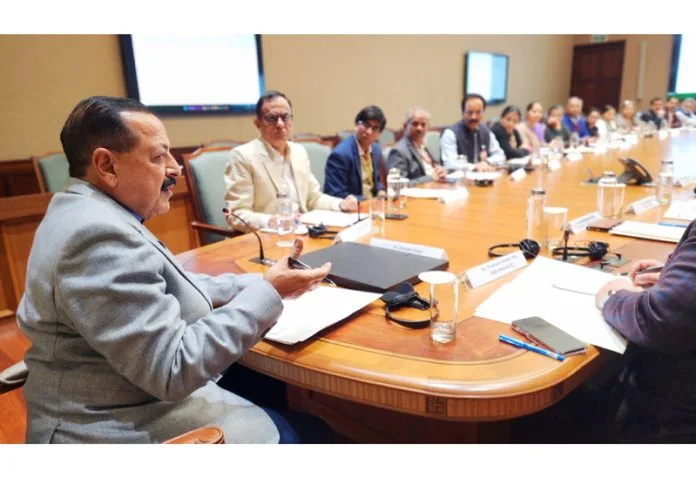
Dr. Jitendra Singh, Union Minister of State (Independent Charge) for Science and Technology; Earth Sciences, and Minister of State for the Prime Minister’s Office, called for aligning government efforts with a “whole of Government” and “whole of Science” approach to realize Prime Minister Narendra Modi’s vision of transforming India into a developed nation (“Viksit Bharat”) by 2047.

While chairing the Joint Ministerial Meeting of Secretaries from all Science Ministries and Departments, Dr. Singh emphasized the pivotal role of cooperative federalism in achieving this vision. He urged State Scientific Councils to actively contribute by fostering innovation and leveraging local expertise to address region-specific challenges.

State Councils to Play a Central Role

Dr. Jitendra Singh highlighted the importance of State Scientific Councils in driving grassroots innovation, advancing regional development, and nurturing a scientific temperament. He encouraged states to:

  • Act as catalysts for innovation.
  • Promote local talent and expertise.
  • Address region-specific challenges through scientific solutions.

Market-Driven Innovation

A significant portion of the discussion focused on scaling innovations from India’s scientific institutions to attract investments and address key challenges in healthcare, agriculture, and climate resilience. Dr. Singh stressed that innovations should not remain confined to laboratories but should evolve into impactful, market-ready solutions.

“Scientific innovation must translate into tangible solutions that empower industries and improve lives,” he remarked, citing examples of successful government-supported innovations as inspiration for private sector trust and investment.

Public-Private Partnerships for Real-World Impact

Dr. Singh advocated for robust frameworks enabling public-private collaborations to accelerate the commercialization of research. Such partnerships, he noted, are essential for:

  • Bridging the gap between research and application.
  • Ensuring scalability and accessibility of innovations.
  • Attracting private investments to scientific endeavors.

Towards Cooperative Federalism in Science

Reiterating the need for a unified scientific framework, Dr. Singh urged states to align with central initiatives to:

  • Foster regional growth.
  • Build scientific temper across communities.
  • Ensure equitable access to technological advancements.

“State Scientific Councils must rise to the occasion and play their part in achieving the vision of Viksit Bharat,” he added, underlining the necessity of a collective effort to unlock the nation’s full scientific potential.

Leadership and Strategic Direction

The meeting was attended by a team of senior Secretaries and officers led by the Principal Scientific Advisor to the Government of India, Prof. Ajay Sood.

Dr. Singh’s call to action aligns with India’s broader goals of sustainable growth, innovation-led development, and global leadership in technology. The vision of Viksit Bharat 2047 hinges on the seamless integration of science, policy, and community-driven initiatives.

Subsidised helicopter service approved for Jammu-Mendhar route

Jammu, Dec 14: In a significant development for the people of the Mendhar sector in Poonch district, the Union Ministry of Home Affairs has accorded approval to a new subsidized helicopter route connecting Jammu-Poonch-Mendhar with an additional option of Jammu-Mendhar-Jammu route.
An official communication from the MHA states, “The proposal of the UT of J&K to operate the Subsidized Helicopter services on new route of Jammu-Poonch-Mendhar with additional option of Jammu-Mendhar-Jammu has been examined in consultation with IFD and this Department has no objection for aforesaid route.”
The Union Territory of Jammu and Kashmir has been advised to claim the subsidy from the MHA within the approved budget allocation.
This decision follows a proposal submitted by Secretary, Civil Aviation Department, J&K, Mohammad Aijaz Asad for connecting remote area of Mendhar directly with the winter capital Jammu.
In a statement, Aijaz Asad stated that the subsidized helicopter service in Mendhar sector is aimed at enhancing connectivity in remote areas of the region, particularly those facing accessibility challenges.
He emphasized that this development will significantly benefit commuters, especially those residing in remote areas like Poonch and Mendhar. This will also help in emergency evacuation of the patients as and when required.
“Improved air connectivity will contribute to better infrastructure and enhanced travel convenience for residents in Jammu and Kashmir,” he said.
The Secretary said that the addition of this new route will significantly enhance connectivity in the remote Mendhar sector, especially during the challenging winter months. Aijaz Asad stated that Helicopter Service shall help connecting remote and inaccessible areas, providing quick and efficient transportation for the people of Mendhar. The Service is especially useful for the Mendhar sector having challenging terrains thereby improve medical emergency access. In future this will also have the potential to boost border tourism.
It’s worth noting that subsidized helicopter services are already operational in several parts of the region, including Kishtwar-Sounder-Navapachi-Ishan-Kishtwar, Jammu-Rajouri-Poonch-Jammu, Jammu-Doda-Kishtwar-Jammu, Bandipora-Kanzalwan- Dawar-Niri-Bandipora, and Kupwara-Machil-Tangdhar-Keran-Kupwara.

Indian-Origin OpenAI Whistleblower Dies by Suicide in San Francisco

0

New York, Dec 14: Suchir Balaji, a 26-year-old Indian-origin former employee of artificial intelligence giant OpenAI, has died by suicide in San Francisco. Authorities confirmed the tragic incident, which occurred on November 26 at his Buchanan Street apartment. The San Francisco Police Department and the Office of the Chief Medical Examiner ruled out foul play, stating there was no evidence suggesting otherwise.

Whistleblowing Against OpenAI

Balaji’s death comes three months after he made headlines for whistleblowing against OpenAI, the company behind the generative AI program ChatGPT. In a public accusation, Balaji alleged that OpenAI violated U.S. copyright laws while developing its flagship AI product, which has become a global phenomenon.

ChatGPT, released in late 2022, quickly gained popularity for its innovative capabilities but has also attracted numerous lawsuits. Authors, programmers, and journalists have accused OpenAI of unlawfully using their copyrighted material to train its models, thereby inflating the company’s valuation to over $150 billion.

In an interview with The New York Times published on October 23, Balaji expressed concerns about the ethical implications of OpenAI’s practices. He argued that the company’s actions were detrimental to businesses and entrepreneurs whose data was used without consent. “This is not a sustainable model for the internet ecosystem as a whole,” he stated.

A Stand for Ethics

Balaji’s decision to leave OpenAI stemmed from his belief that the company’s technologies posed more harm than benefit to society. “If you believe what I believe, you have to just leave the company,” he said during the interview.

A Promising Journey Cut Short

Balaji grew up in Cupertino, California, and studied computer science at UC Berkeley. He was regarded as a talented individual with a strong ethical compass. His whistleblowing efforts and subsequent death have sparked conversations about the pressures faced by tech professionals and the ethical dilemmas in the AI industry.

Family Requests Privacy

Balaji’s mother has requested privacy during this difficult time, as reported by The Mercury News. The loss of Suchir Balaji has left a void not only in his family but also in the broader tech community, where his courage and conviction were admired.

Dhankhar Stresses Scrutiny and Dialogue for Thriving Democracy

0

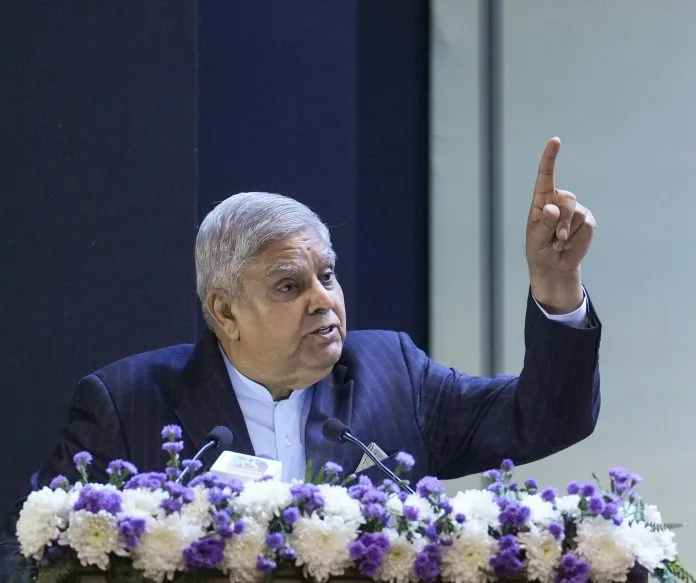
New Delhi, Dec 14: Vice President Jagdeep Dhankhar emphasized the importance of scrutiny, expression, and dialogue as essential pillars for democracy to thrive, while addressing the 50th Foundation Day program of the Indian Post & Telecommunication Accounts and Finance Service (IP&TAFS) in New Delhi.

The Role of Scrutiny in Progress

Dhankhar underscored the significance of self-audit and external audit in preventing degeneration of institutions and individuals. “Audit, self-audit is very important. The surest way to bring about degeneration of an individual or an institution is to keep it beyond scrutiny,” he remarked, stressing the need for accountability.

Amid criticism from opposition parties over his role as Rajya Sabha chairman, Dhankhar faced a no-confidence notice signed by 60 MPs from Congress and other parties. This move marks the first such occurrence in India’s history.

Expression and Dialogue: Pillars of Democracy

Dhankhar identified the erosion of meaningful dialogue and authentic expression as major challenges to institutions. “Expression and communication complement each other. Harmony between the two is the key to success,” he said, adding that democracy flourishes when it is anchored in core values and a balance between dialogue and expression.

He further stated that democratic health is inseparable from economic productivity, emphasizing that diversity and the country’s demographic potential are key drivers of progress.

Call for Tech-Savvy Civil Servants

Speaking on the cusp of a new industrial revolution driven by digital technologies, Dhankhar urged civil servants to adapt to rapid changes and focus on bridging the digital divide. “Modern civil servants must be tech-savvy, facilitators of change, transcending traditional administrative boundaries,” he said.

Dhankhar highlighted the need for innovative financing models for rural technology adoption and called for leveraging India’s large youth population through skill development and digital entrepreneurship.

Vision for 2047

The Vice President urged civil servants to take on greater responsibility in nation-building as India envisions becoming a developed nation by 2047. “Your roles as administrators, financial advisors, regulators, and auditors must evolve to meet tomorrow’s challenges,” he asserted.

Ego and Leadership

Reflecting on the importance of humility in leadership, Dhankhar cautioned against the dangers of ego. “The ego serves no one but damages most the person who possesses it,” he noted, advising individuals to work towards controlling their egos for personal and professional growth.

Nation Building Through Service Delivery

Dhankhar emphasized the importance of transforming service delivery through modern solutions and adapting foundational values to meet new challenges. “Service remains our cornerstone. Your digital initiatives must harness young talent to script and realize the vision of a developed nation,” he concluded.

Communications Minister Jyotiraditya M. Scindia, who was also present at the event, lauded the Vice President’s insights, aligning with the government’s broader agenda of fostering technological and societal progress.

Jason Gillespie Resigns as Pakistan’s Red-Ball Coach

0

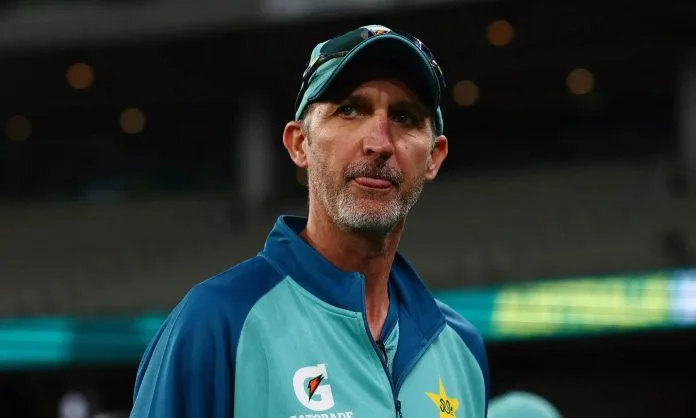
Jason Gillespie has stepped down as Pakistan’s red-ball coach, citing a lack of consultation on the selection of the national squad for the upcoming two-Test series in South Africa. The move has shed light on internal conflicts within the Pakistan Cricket Board (PCB).

Unfavorable Working Conditions

A well-informed source revealed that Gillespie faced challenges within the PCB, which made his position untenable. Despite being offered the head coach role for the white-ball squad just a month ago, Gillespie was reportedly alienated from major team decisions.

“Circumstances were created to make the former Australian player feel excluded,” the source said. “Despite his request, the board didn’t renew the contract of high-performance coach Tim Nielsen, and the Test squad for the South Africa series was announced without consulting him.”

Stripped of Authority

The source further disclosed that while Gillespie understood the board had limited his role in selection matters, he had expected to be consulted in team decisions. His frustration grew when the PCB replaced Nielsen, whom Gillespie had recommended, with Shahid Aslam from the National Cricket Academy. This appointment was reportedly influenced by interim white-ball head coach and senior selector Aaqib Javed.

Communication Breakdown

Gillespie’s situation worsened as his calls were not regularly answered by certain PCB officials. This was particularly disheartening as he had agreed to serve as interim coach for the white-ball series in Australia, where Pakistan achieved a historic ODI series win for the first time since 2002.

Recurring Challenges for Foreign Coaches

The treatment of Gillespie echoes the experiences of other foreign coaches in Pakistan. The source noted that Gary Kirsten, who resigned as white-ball head coach before the Australia series over similar authority issues, faced comparable challenges.

“Foreign coaches who assert their authority often find themselves at odds with PCB officials. Senior players also influence decisions, determining which coaches they feel comfortable working with,” the source added.

Speculations and Fallout

The source also claimed that some PCB officials are now spreading rumors that Gillespie demanded a pay raise and was unwilling to spend the stipulated time in Pakistan as per his contract. However, this narrative contradicts earlier reports hailing Gillespie and Kirsten’s appointments as significant steps forward for Pakistan cricket.

A Step Back for Pakistan Cricket

Gillespie’s resignation highlights ongoing systemic issues within the PCB that hinder foreign coaches from implementing long-term strategies. As the board grapples with these internal challenges, the future of Pakistan cricket remains uncertain.


Chief of Air Staff Addresses Graduating Cadets at Air Force Academy

0

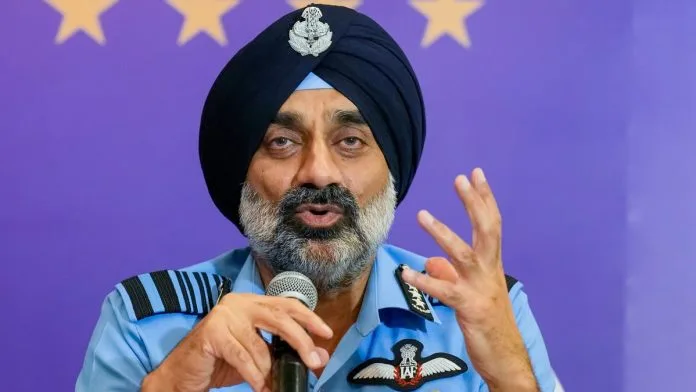
Hyderabad, Dec 14: Chief of Air Staff, Air Chief Marshal Amar Preet Singh, on Saturday addressed the graduating cadets at the Combined Passing Out Parade (CGP) of the Indian Air Force (IAF) at the Air Force Academy near Hyderabad. He urged the cadets to uphold the ethos, traditions, and honour of the IAF as they embark on their careers.

A Career of Honour and Responsibility

Addressing the cadets, Singh highlighted the challenges and honour associated with their careers. “Whether in the sky or on the ground, your role in operations is vital. Make sure you understand your responsibilities,” he said.

Singh exhorted the newly commissioned officers to embrace their roles as future leaders and commanders. “You are not just air warriors but the future leaders and commanders who will chart the destiny of the Indian Air Force. Let this huge responsibility motivate you,” he added.

Core Values and Professional Excellence

The Air Chief emphasized the importance of adhering to the IAF’s core values—mission, integrity, and excellence. He encouraged the officers to let these values guide them throughout their careers. Singh also underlined the impact of their professional learning, leadership cultivation, and mission execution on the future trajectory of the IAF.

Milestone Achievements

The CGP of the 214th Course marked the successful completion of pre-commissioning training for flight cadets across various IAF branches. The parade also witnessed the commissioning of the first batch of Weapon Systems Branch officers into the IAF.

During the ceremony, the IAF Chief conferred the ‘President’s Commission’ on the graduating trainees. Flight cadets and officers from the Indian Navy, Indian Coast Guard, and one officer from a friendly foreign country were also awarded ‘Wings’ and ‘Brevets’ upon completing their training.

A Glimpse into the Future

The event showcased the commitment of the IAF to nurturing capable leaders and ensuring operational excellence. With their training complete, the young officers are poised to contribute significantly to India’s air power and national security.


India and UAE Strengthen Strategic Partnership at 15th Joint Commission Meeting

0

: India and the United Arab Emirates (UAE) held the 15th Joint Commission Meeting (JCM) in New Delhi, discussing the ambitious India-Middle East-Europe Economic Corridor (IMEEC) and enhancing bilateral cooperation in energy, connectivity, and trade.

Expanding Economic Ties

The meeting was co-chaired by External Affairs Minister S. Jaishankar and his UAE counterpart Sheikh Abdullah bin Zayed Al Nahyan. Highlighting the strength of the India-UAE partnership, Jaishankar described it as a “model relationship” during his opening remarks. “Since the entry into force of the Comprehensive Economic Partnership Agreement (CEPA) in May 2022, trade has steadily grown and has now reached USD 85 billion,” he said.

The JCM emphasized strengthening strategic ties in defense, emerging technologies, nuclear energy, polar research, critical minerals, and renewable energy.

India-Middle East-Europe Economic Corridor

Both nations discussed the IMEEC, a transformative initiative for improving maritime connectivity and trade among India, the UAE, and Europe. The IMEEC was formalized during the G20 Summit in September 2023, with participation from India, Saudi Arabia, the European Union, the UAE, and the United States.

Technological Collaboration

The meeting also highlighted robust cooperation in the fintech sector and the development of public digital infrastructure. The Virtual Trade Corridor (VTC) and MAITRI interface (Master Application for International Trade and Regulatory Interface) were praised for streamlining trade processes through paperless transactions.

Energy and Renewable Initiatives

Both ministers acknowledged the strong bilateral collaboration in the energy sector, including long-term supply agreements and joint projects in upstream and downstream domains. The discussions also focused on emerging areas such as nuclear energy, critical minerals, and green hydrogen.

Promoting Education and Culture

The functioning of the IIT-Delhi Abu Dhabi campus was commended, with progress on establishing campuses for the Indian Institute of Management Ahmedabad and the Indian Institute of Foreign Trade in Dubai reviewed.

Future Prospects

The JCM further underscored the importance of sustained collaboration across sectors, reaffirming India and UAE’s commitment to a robust Comprehensive Strategic Partnership that fosters innovation, trade, and cultural exchange.

The meeting concluded with a shared resolve to deepen the bilateral relationship and leverage new opportunities for mutual growth.