Tuesday, July 21, 2026
Home Blog Page 186

Wushu Players from Jammu and Kashmir Shine at 38th National Games, Uttarakhand

0

In the ongoing 38th National Games in Uttarakhand, Wushu players from Jammu and Kashmir have achieved a remarkable feat, securing 7 medals in the competition. The quarter-final bouts took place today, with the players gearing up for the semi-final matchups tomorrow. The athletes who have made it to the semi-finals include Arjun Saleem, Kumar Surya Bhanu, Partap Singh, Ishant Singh, Rohan Kamraan, and Ayeera Chisti—all of whom will compete tomorrow for a silver medal in their respective categories.

This achievement marks another milestone for Wushu in the Jammu and Kashmir Union Territory, further cementing it as the highest medal-winning sport for the region in the past three editions of the National Games. The exceptional performances of the players have not only brought pride to the region but have also underscored the growing strength of Wushu in Jammu and Kashmir.

Congratulations and Support
Vijay Saraf, President of the Jammu and Kashmir Wushu Association, along with Bhavneet, General Secretary, and all the office bearers, extended their heartfelt congratulations to the medallists for their outstanding achievements.

Nuzhat Gul, Secretary of the J&K Sports Council, and Chef de Mission Kiran Wattal also lauded the players and coaches for their hard work and dedication, recognizing their commitment to excellence.

Kuldeep Handoo, Dronacharya awardee and a key mentor to the players, praised the athletes’ performance, attributing their success to their tireless efforts. He also thanked the J&K Sports Council for its continued support, which has played a pivotal role in enabling athletes to excel at both national and international levels.

RBI Tightens Norms for Monetary Penalties and Compounding Offences Under PSS Act

0

The Reserve Bank of India (RBI) has announced tighter regulations for imposing monetary penalties and compounding offences under the Payment and Settlement Systems Act (PSS Act) in a bid to streamline and strengthen its enforcement actions against payment system operators and banks. The revised framework, unveiled on Thursday, aims to rationalise the enforcement process and ensure compliance with regulatory norms.

Under the updated framework, violations such as operating a payment system without proper authorisation, disclosing prohibited information, and failing to pay penalties imposed by the RBI within the prescribed period will be treated as contraventions under the PSS Act.

Increased Penalties for Non-Compliance
As per the new rules, the RBI is now authorised to impose penalties of up to Rs 10 lakh, or twice the amount involved in the contravention (if the amount can be quantified), whichever is higher. This represents a significant increase from the previous penalty cap of Rs 5 lakh, which was revised following the enactment of the Jan Vishwas (Amendment of Provisions) Act, 2023, which came into force on January 22, 2024.

Additionally, for continuing contraventions or defaults, the RBI can impose a daily penalty of up to Rs 25,000 for each day the violation persists after the initial contravention.

Compounding of Offences
The revised framework also specifies that an authorised RBI officer can compound contraventions that do not involve imprisonment, in line with the provisions of the PSS Act. The RBI clarified that only material contraventions will be subjected to enforcement actions, including the imposition of monetary penalties or the compounding of offences.

Streamlining Enforcement Actions
The updated framework introduces clearer procedures for imposing penalties and determining their amounts. It seeks to ensure that enforcement actions are efficient, transparent, and consistent, with an emphasis on tackling significant violations that could impact the integrity of the payment systems.

By consolidating these enforcement measures, the RBI aims to strengthen compliance and regulatory oversight within the payment systems sector, reinforcing its commitment to maintaining a secure and reliable financial infrastructure.

India Poised to Lead in Ethical and Affordable AI Technology with Launch of Indigenous AI Model

0

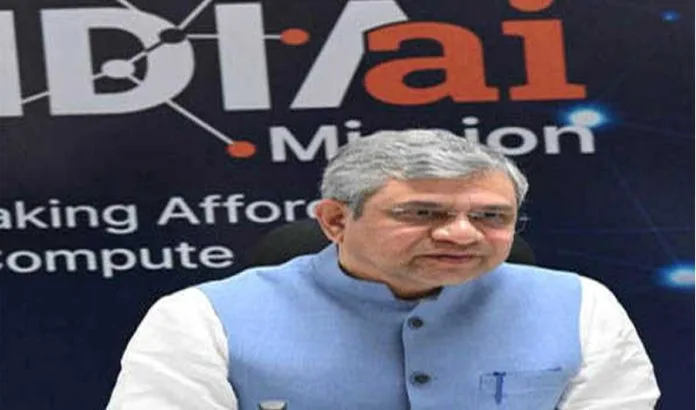
In a groundbreaking move to position India as a global leader in ethical and affordable artificial intelligence (AI), Union Minister for Electronics & Information Technology Ashwini Vaishnaw today announced the upcoming launch of the country’s very own indigenous AI model. The announcement, made at Electronics Niketan in New Delhi, signals a major step towards providing tailored, reliable AI solutions for India at highly competitive rates, ensuring the nation’s role in shaping the future of AI technology.

Minister Vaishnaw emphasized the significance of the initiative, noting India’s trusted global standing as a crucial factor in the success of its AI mission. He expressed confidence that the launch of the indigenous AI model would enhance India’s stature as a technological powerhouse dedicated to creating ethical, sustainable, and inclusive AI solutions for global and local needs.

“We are on the brink of an era where AI is not just for the privileged few, but accessible to everyone,” said Vaishnaw. He highlighted the vision of Prime Minister Narendra Modi, who is committed to empowering people at the grassroots level through technology-driven economic inclusivity.

High-Performance Infrastructure to Support AI Innovation
The AI model will be supported by a state-of-the-art computing facility, a pivotal element of the ongoing India AI Mission. The facility, housing 10,000 GPUs with an additional 8,693 GPUs planned for integration, will enable researchers, students, and developers to leverage cutting-edge infrastructure for AI applications. This high-performance system is designed to support a range of use cases, particularly in Indian languages and cultural contexts.

The Indian AI model offers a cost-effective alternative to global services, which typically charge between $2.5 and $3 per hour for AI computations. India’s model, however, will cost under ₹100 per hour, thanks to a generous 40% government subsidy. To ensure broad accessibility, affordable subscription plans, including half-yearly and annual options, will be introduced, making AI technology more accessible to a wide range of users.

Surpassing Global Benchmarks
With 18,693 GPUs already in place, the India AI Mission has surpassed international benchmarks, outpacing other global AI models such as Open Source Model DeepSeek and ChatGPT. This scalable infrastructure is set to provide robust support for AI-driven innovation across sectors. Furthermore, the government is offering cloud-based AI services to stakeholders such as academia, MSMEs, and startups through a new Request for Empanelment (RFE).

Prioritizing Safety and Ethical AI
As part of its commitment to ethical AI development, the government has also announced the establishment of the IndiaAI Safety Institute. The Institute will focus on addressing AI-related risks and challenges through a techno-legal approach, collaborating with academia, industry, and government stakeholders to ensure secure and trusted AI applications.

Key safety initiatives launched include AI Bias Mitigation, Explainable AI frameworks, and AI Privacy Strategies, all designed to safeguard the ethical use of AI technologies. Vaishnaw emphasized that the government is focused on the responsible deployment of AI solutions, ensuring that technology serves the greater good of society.

AI for Critical Sectors
The India AI Mission will focus on the application of AI in critical areas such as agriculture, healthcare, and disaster management. With 18 identified use cases, the initiative aims to address issues like climate change, agritech solutions, and improving healthcare delivery, benefitting millions of citizens across the country.

In addition, a call for proposals has been issued to develop foundational AI models using Indian datasets, inviting startups, researchers, and entrepreneurs to create AI solutions that address India’s unique challenges. This initiative is designed to promote inclusivity and fairness, ensuring that AI models reflect the diverse cultural, linguistic, and societal needs of the nation.

A Vision for India as a Global AI Hub
With a budgetary allocation of ₹10,372 crores, the India AI Mission is designed to make India a global hub for AI development and applications. In tandem with this mission, the government is strategically investing in India’s semiconductor sector, ensuring a sustainable and complementary foundation for the country’s AI ambitions.

India’s focus on affordability, inclusivity, and innovation positions the country as a leader in the AI space, shaping the future of technology for both societal and industrial advancements. With this initiative, India is set to redefine the landscape of AI technology, making it accessible, ethical, and impactful for generations to come.


Foundation Stone Laid for Major Infrastructure Projects in Nowshera

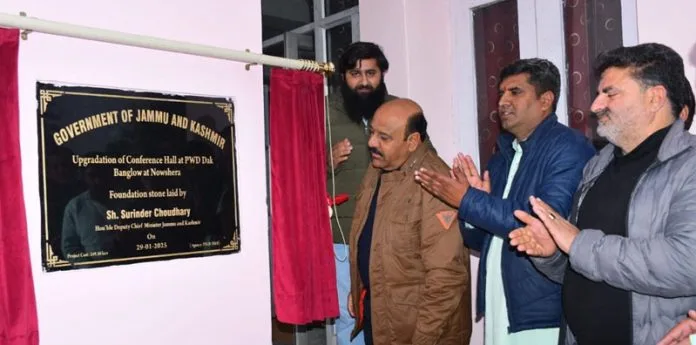
In a significant step toward boosting regional development, Deputy Chief Minister Surinder Choudhary today laid the foundation stone for two major infrastructure projects in Nowshera. The projects, aimed at improving public service facilities, include the upgradation of the conference hall at PWD Dak Bungalow and the remodelling of Palaash Nowshera.

Modern Conference Facilities to Boost Governance
The upgradation of the PWD Dak Bungalow conference hall, with a sanctioned cost of Rs 249.39 lakh, is designed to enhance conference and meeting facilities in the region. This facility will be equipped with modern amenities, providing a state-of-the-art venue for official meetings, public engagements, and key deliberations.

Speaking at the event, Surinder Choudhary highlighted the Government’s ongoing efforts to strengthen regional infrastructure, which in turn facilitates efficient governance and improves public service delivery. He stressed that the upgraded conference hall would serve as a modern hub for both governmental and public interactions.

“We are committed to creating spaces that support governance and foster meaningful exchanges, and this upgraded conference hall will play a key role in that,” Choudhary remarked.

Palaash Nowshera to Get a New Look
The second major initiative launched by the Deputy Chief Minister is the remodelling of Palaash Nowshera. This project, estimated at Rs 107.48 lakh, aims to transform the area into a more vibrant and livable space for residents. The project will enhance the overall environment, promoting a better quality of life.

Commitment to Timely Completion
The ceremony was attended by officials from the Public Works Department (PWD), local administration, and various public representatives. All present reaffirmed their commitment to ensuring the timely and high-quality completion of both projects.

“These initiatives are a part of the government’s broader agenda to improve urban amenities and public service facilities in Nowshera,” said Choudhary. “We are focused on regional development that enhances both governance and the daily lives of our people.”

A Vision for Holistic Development
The foundation laying of these projects reflects the government’s commitment to holistic regional development. By focusing on infrastructure, the administration aims to strengthen both governance structures and the living conditions of local residents. These efforts signal a continued push towards modernizing Nowshera and making it a model for progress in the region.

The developments were widely welcomed by the community, who expressed optimism about the positive impact these projects will have on local governance, public services, and urban amenities in the region.

Jammu & Kashmir’s LoC Residents to Get Major Relief Following Talks Between Minister for Jal Shakti and COAS

0

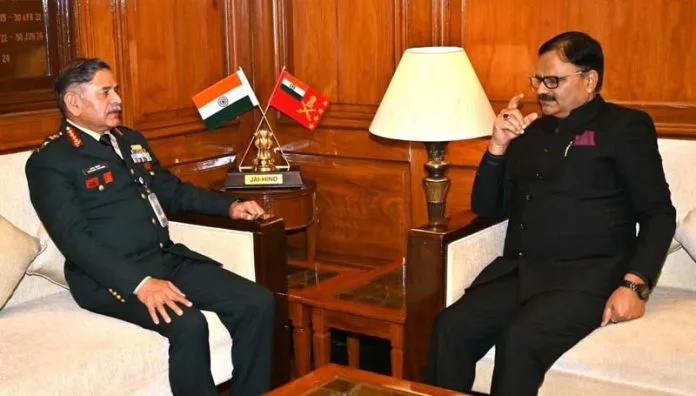
In a landmark meeting held today, Javed Rana, the Minister for Jal Shakti, Forest, Ecology & Environment, and Tribal Affairs, engaged in detailed discussions with the Chief of Army Staff (COAS), General Upendra Dwivedi, regarding the critical issues faced by residents along the Line of Control (LoC) in Jammu and Kashmir.

The discussions focused on addressing the challenges faced by tribal communities, particularly the Gujjar-Bakerwal community, who rely on traditional migration routes and grazing lands, significantly impacted by the LoC fencing. The meeting aimed to develop solutions to ease restrictions on these vital routes to ensure the free movement of people and their livestock.

Key Takeaways:

  • Easing Restrictions: Efforts to relax restrictions on traditional migration routes to ensure smooth movement for the Gujjar-Bakerwal community.
  • Livelihoods and Grazing Lands: Emphasis on minimizing the adverse effects of the LoC fencing on daily livelihoods, especially for nomadic tribes.
  • Connectivity Improvements: Plans to upgrade and maintain Border Road Organization (BRO) roads, ensuring better connectivity, especially in the LoC and Pir Panjal regions.
  • De-mining Efforts: A comprehensive approach to de-mine areas frequently visited by locals to ensure their safety.
  • Recruitment Drive: A proposal to launch recruitment drives in far-flung areas, along with the creation of a Gujjar Regiment to facilitate recruitment into the Territorial Army.
  • Development Projects: Collaboration in the construction of a sports stadium in Sagra village and a helipad at Dhana Shastar, Mendhar, to promote development and connectivity.
  • Educational and Livelihood Support: Discussions on enhancing educational opportunities and providing better livelihood support for communities near the LoC.

Minister’s Statement:
Minister Javed Rana expressed his commitment to addressing the concerns of LoC residents, underscoring the importance of facilitating both the safe movement of individuals and the sustainable development of the region. “Our primary focus remains the welfare and development of our people, and these measures will ensure a better future for the tribal communities and residents along the LoC,” he said.

Strengthening Peace and Stability:
Rana further emphasized the critical role of the Gujjar-Bakerwal community and other tribes in maintaining peace and stability in Jammu and Kashmir. These discussions are seen as a significant step in mainstreaming their role and ensuring their integration into broader societal development efforts.

Looking Forward:
The proposed infrastructure projects, including road upgrades and helipad construction, alongside the targeted recruitment efforts, signal a future of enhanced mobility and opportunity for the people of Jammu and Kashmir. By addressing these long-standing issues, the government aims to bring positive change to the lives of residents along the LoC.

CHANDIGARH MUNICIPAL ELECTIONS: BJP’S HARPREET KAUR BABLA EMERGES VICTORIOUS AS NEW MAYOR

0

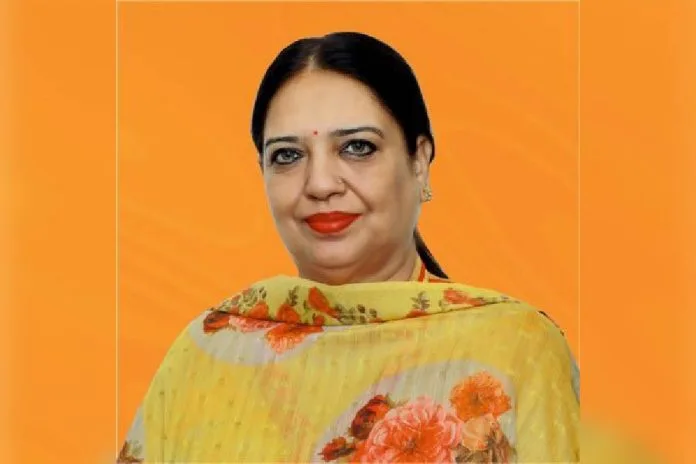
In a tightly contested mayoral election, Harpreet Kaur Babla of the Bharatiya Janata Party (BJP) triumphed over AAP’s Prem Lata, securing her position as the new mayor of Chandigarh Municipal Corporation.

A Close Contest

The election for the mayoral post saw Babla win with a narrow margin of 19 votes, while her opponent, Prem Lata, received 17 votes. The result was officially declared by the presiding officer, Ramneek Singh Bedi, shortly after polling concluded.

Polling Details

Voting for the mayoral post commenced at 11:20 AM at the assembly hall of the Chandigarh Municipal Corporation. The polling session ran for nearly an hour, concluding at 12:19 PM, with the entire process reflecting the intense competition between the BJP and the AAP-Congress combine.

A Bitter Rivalry

The mayoral election became a political battleground, with the BJP facing off against a formidable AAP-Congress alliance. The results mark a significant victory for the BJP, despite the strong support enjoyed by the AAP-Congress combine in the region.

Political Implications

The win for Harpreet Kaur Babla signifies a continued BJP presence in the city’s political landscape, though it is expected that this result will further fuel the ongoing rivalry between the AAP-Congress combine and the BJP in upcoming elections.

As the new mayor, Babla’s leadership is anticipated to bring forth fresh perspectives for the city’s governance, as she takes charge amidst Chandigarh’s growing urban challenges.

6-Year-Old Mriganka Sharma Recognized as Youngest Author at National Young Authors’ Fair 2024

0

In an inspiring achievement, 6-year-old Mriganka Sharma, a student of Class I-H at Delhi Public School Jammu, has been honored as the youngest author at the National Young Authors’ Fair (NYAF) 2024. The event, organized by Bri Books in collaboration with Education World, saw over 200 student authors from across the country, with Mriganka standing out for her debut book, “Listen My Words.”

Her book, a delightful collection of short stories, creatively blends imagination with valuable moral lessons. Through her enchanting tales, Mriganka teaches young readers important virtues like forgiveness, kindness, saving trees, and respecting nature. In her stories, animals, birds, and trees take on significant roles, imparting life lessons and encouraging children to adopt compassion, responsibility, and environmental consciousness.

Mriganka’s achievement highlights the growing literary talent among young girls and underscores the importance of nurturing creativity and storytelling from an early age. Her success at such a young age serves as an inspiration to children across the country, proving that age is no barrier to creativity and accomplishment.

This recognition at the NYAF 2024 is a testament to the power of imagination and the bright future of young writers in India.

District Srinagar Carrom Championship Begins at SKISC, Showcases Emerging Talent

0

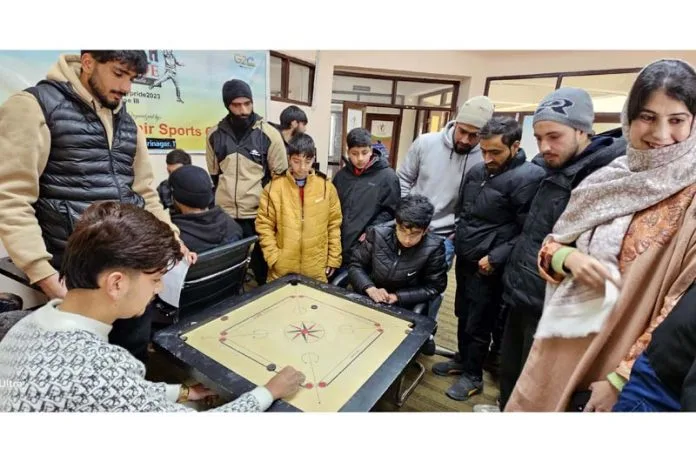
The District Srinagar Carrom Championship began today at the Sher-i-Kashmir Indoor Sports Complex (SKISC), marking the start of a two-day event hosted by the Jammu and Kashmir Carrom Association, in collaboration with the J&K Sports Council. The championship, which will conclude on January 30, features competitive events across Sub-Junior, Junior, and Senior categories for both boys and girls, adhering to international standards.

The event was inaugurated by Adil Rashid Shah, President of the J&K Carrom Association, who was joined by Maqsood Khan, Incharge of SKISC, Arif Sultan Khan, Treasurer of the Association, and other key officials. The championship is part of the “My Youth My Pride” initiative by the J&K Sports Council, designed to promote sports and provide a platform for young talent in the region.

Day 1 Highlights:

The opening day saw fierce competition across various age groups and categories. In the Cadet category, Halla Midha and Hassan Adil emerged victorious in their respective matches, showcasing their skills. In the Sub-Junior category, M Usman and M Nubaid advanced to the next round after impressive performances. The Junior category also saw great matches, with M Aiyaan and Ahsan ul Haq securing wins. In the Senior category, Mehak and Arkan Manzoor dominated their matches, proving their expertise in the game.

With participants displaying outstanding talent, the championship has set the stage for more exciting matches in the coming days.

Promoting Sports and Talent Development:

The event is part of the larger effort by the J&K Sports Council to engage youth in sports and create opportunities for them to showcase their skills. It reflects the growing focus on nurturing local talent and providing them with the platform to excel at both regional and national levels.

As the competition continues, the championship offers an excellent opportunity for players to gain experience and compete at a high level, contributing to the overall development of carrom in Jammu and Kashmir.

Ayodhya Witnesses Record Influx of Devotees on Mauni Amavasya, Over 50 Lakh Arrive for Holy Dip in Saryu River

0

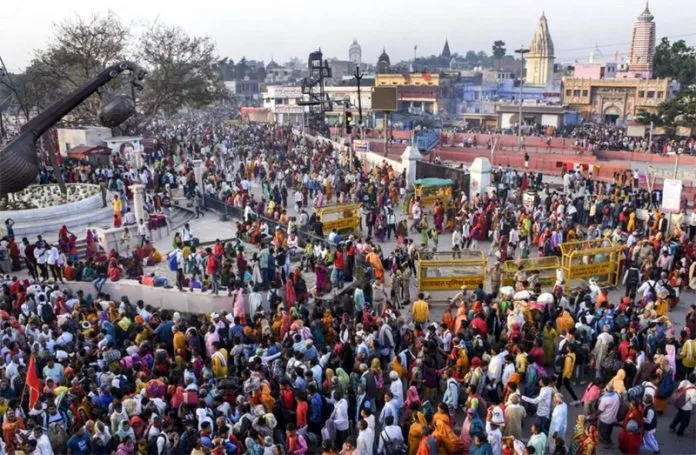
Ayodhya saw an overwhelming surge of devotees on the occasion of Mauni Amavasya, with an estimated 50 lakh pilgrims arriving in the city over the past 72 hours to take a holy dip in the Saryu River. The influx is expected to continue until Vasant Panchami, according to an official statement.

The temple town was packed with worshippers throughout the day, with long queues stretching outside Ram Mandir and Hanumangarhi Temple, extending well into the night. As pilgrims from the ongoing Maha Kumbh Mela make their way to Ayodhya, authorities are bracing for an even larger crowd in the coming days.

Efforts to Manage the Crowds:

To ensure smooth crowd management and maintain order, Chief Minister Yogi Adityanath has been personally monitoring the situation. He has instructed local officials to implement robust measures for crowd control and security. Heavy police presence has been deployed at key locations, and the entry of all types of vehicles into the fair area has been completely restricted.

On Mauni Amavasya, thousands of devotees gathered at the Saryu Ghats, with Chaudhary Charan Singh Ghat witnessing the largest number of pilgrims. After taking their ritual bath, many devotees proceeded to visit Hanumangarhi and the Ram Mandir. The massive crowds extended from Shringar Haat to the temple premises, where large queues formed for darshan.

Local Economy Boosted by Pilgrim Influx:

The influx of pilgrims has had a positive impact on local businesses, with vendors selling ‘prasad,’ hotels, and homestays benefiting from the increased demand. The health department has also been put on high alert, with doctors’ leaves canceled until Vasant Panchami to ensure sufficient medical support for the pilgrims.

Emergency services are operational 24/7, with 13 temporary health camps set up to provide immediate medical assistance to the devotees. Chief Medical Officer Dr. Pushpendra Kumar confirmed that these camps will continue to operate until February 26 to cater to the medical needs of pilgrims.

Traffic and Accommodation Management:

In a bid to prevent congestion, traffic has been rerouted, with large vehicles stopped on highways and alternative routes designated. IG Praveen Kumar stated that traffic management is in place to handle the massive footfall.

Authorities have also increased accommodation capacity in Ayodhya, with municipal officials making arrangements to house around 30,000 devotees in temporary shelters. Municipal Commissioner Santosh Sharma assured that all necessary steps are being taken to ensure the comfort of the pilgrims.

Security and Safety Measures in Place:

In light of the growing crowds, ADG Zone Lucknow, SB Shirodkar, visited Ayodhya on Wednesday to review security and management efforts, including arrangements at Ayodhya Dham Railway Station. Divisional Commissioner Gaurav Dayal and IG Praveen Kumar also conducted reviews of key locations from the control room.

Notable visitors included Nepal MP Binita Kathayat, who traveled to Ayodhya after taking a dip in the Maha Kumbh.

The ongoing preparations and proactive measures reflect the authorities’ commitment to ensuring the safety, comfort, and seamless experience for the millions of devotees attending the religious festivities in Ayodhya.

Civil Aviation Ministry Steps in to Address High Airfares for Prayagraj Flights, IndiGo Cuts Prices by 30-50%

0

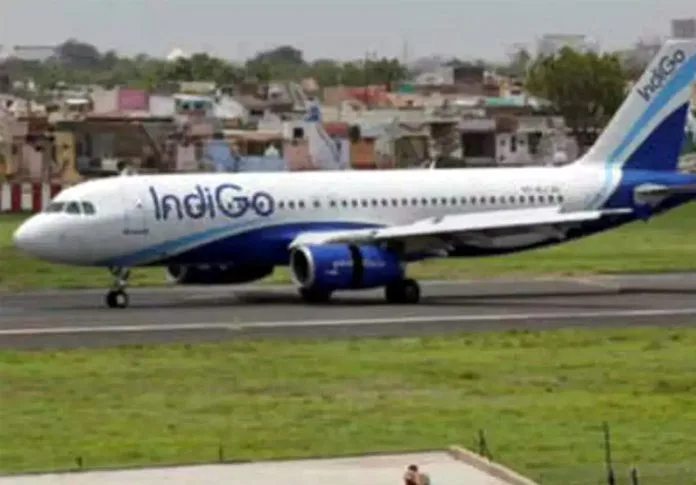
As airfares for flights to Prayagraj soared in response to heightened demand due to the ongoing Kumbh Mela, the Civil Aviation Ministry has intervened, urging airlines to maintain reasonable ticket prices. In a positive development, sources have confirmed that India’s largest airline, IndiGo, has reduced its fares to the city by 30-50%.

The issue was raised by Consumer Affairs Minister Pralhad Joshi, who described airfares for Prayagraj flights as “exorbitantly high” and urged the Directorate General of Civil Aviation (DGCA) to take action to bring prices down. His comments coincided with a meeting on Wednesday between Civil Aviation Minister Ram Mohan Naidu, DGCA Director General Faiz Ahmed Kidwai, and senior airline officials to discuss the issue.

Airlines Under Scrutiny:

The Ministry’s meeting focused on ensuring adequate air connectivity to Prayagraj while keeping the fares reasonable, especially considering the massive influx of pilgrims for the Maha Kumbh, the world’s largest religious gathering, taking place from January 13 to February 26, 2025.

The Ministry emphasized the need for airlines to rationalize ticket prices, given the significant surge in demand for flights to the city during the Kumbh Mela period. IndiGo, which operates flights from major cities like Delhi, Lucknow, Kolkata, Bengaluru, and Ahmedabad to Prayagraj, has responded by slashing ticket prices for its services to Prayagraj by 30-50%. Sources indicate that the fare for a Delhi-Prayagraj flight, for example, now starts at just over Rs 13,500, down from as high as Rs 21,200 earlier this week. Lower fares, starting at around Rs 9,000, are now available for travel on February 12.

Increased Capacity from Air India:

Air India has also stepped up its operations to Prayagraj, introducing a special daily service from Mumbai starting January 28, and a second daily service from Delhi, set to commence on February 1. An Air India spokesperson confirmed that these additional flights aim to ease travel to the Kumbh Mela and offer more affordable options for passengers.

The civil aviation ministry had already increased the number of flights to Prayagraj to accommodate the rising demand. The number of flights has been boosted to 132, with approximately 80,000 seats available monthly. Prayagraj is now connected directly to 17 cities, up from eight in December 2024, with flights reaching 26 cities in total, including new routes from Srinagar and Visakhapatnam.

Government’s Commitment to Consumers:

Minister Joshi also addressed the issue on social media, acknowledging that high airfares had made it difficult for many people to plan their travels to the Kumbh Mela. “Keeping consumers’ interests in mind, we have written to @DGCAIndia to take steps to reduce the prices of airfares,” Joshi posted on X.

While no immediate statements were issued by other airlines like Akasa Air and SpiceJet regarding the airfares to Prayagraj, the ongoing government intervention highlights the seriousness of addressing the concerns raised by consumers and ensuring fair pricing during this major religious event.

The Maha Kumbh, which began on January 13, is expected to draw millions of devotees, with the event concluding on February 26, 2025.