Tuesday, July 14, 2026
Home Blog Page 115

CBK Conducts Searches in Srinagar and Budgam for Cheating Case

0

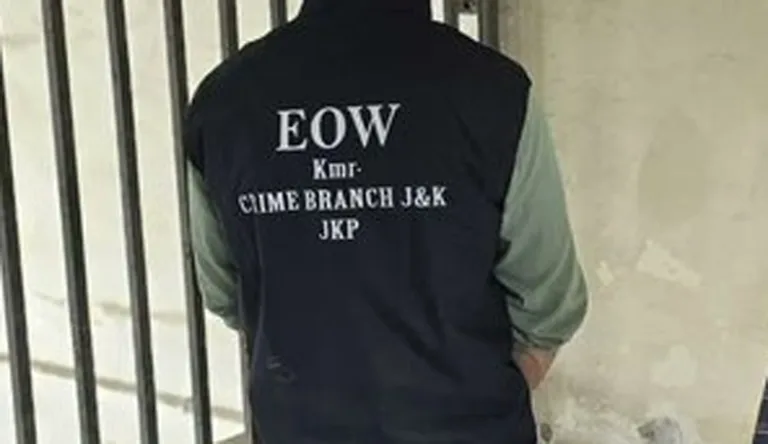
The Special Crime Wing of Crime Branch Kashmir (CBK) conducted house searches at five locations across Srinagar and Budgam districts on Saturday. The operation relates to an ongoing investigation into a cheating case involving fraudulent land sales.

According to an official spokesperson for CBK, the searches aimed to gather evidence connected to allegations that a complainant had been deceived through the sale of land that wasn’t owned by the sellers.

The case arose after the complainant reported being misled by fraudulent land documents. These documents, which the complainant believed to be authentic, led to the payment of substantial sums amounting to lakhs of rupees. However, inquiries later revealed the land was never actually owned by the individuals involved in the sale.

During the operation, teams employed meticulous methods to document findings that could strengthen the investigation. The statement confirmed, “House Searches are underway and further investigation is in progress.” This reflects CBK’s commitment to addressing and resolving cases of public fraud.

The Special Crime Wing, a vital branch of the Crime Branch Kashmir, focuses on serious criminal activities, including fraud and organized crime. Their recent actions underline the increasing vigilance in tackling cheating cases that exploit vulnerable individuals in the region.

The CBK has urged the public to remain cautious while engaging in real estate transactions. “Always verify property documents through legitimate channels,” the spokesperson advised, highlighting the necessity of due diligence to avoid falling victim to similar scams.

With its recent actions, the CBK reinforces its role as a guardian of public trust and safety. The continued efforts of law enforcement agencies intend to bring justice to those wronged by fraudulent activities.
‘Black Day for Ladakh’: Sonam Wangchuk Detained Under NSA

0

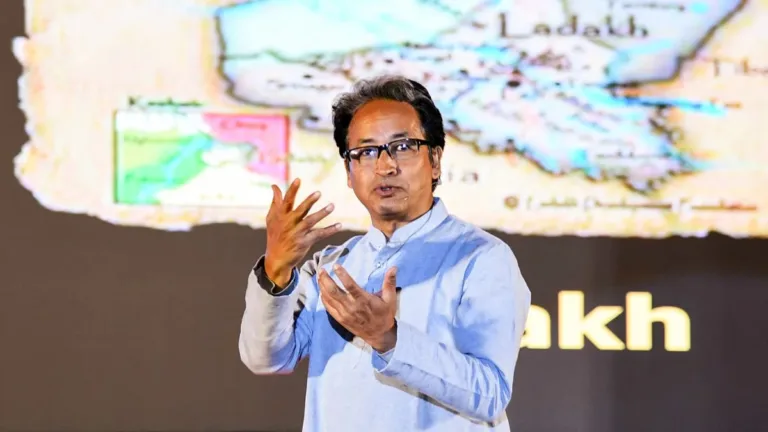
Climate activist Sonam Wangchuk has been detained under the National Security Act (NSA) and transferred to Jodhpur Jail, creating nationwide outrage among netizens. His arrest occurred on September 28, 2023, shortly after violent protests erupted in Ladakh demanding statehood and adherence to the Sixth Schedule.

Late on Friday night, the Ladakh administration confirmed Wangchuk’s detention, stating that his activities posed threats to public order and security. As a prominent figure in the movement for Ladakh’s rights, Wangchuk’s arrest has sparked vehement responses online, with many citizens dubbing it a “black day” for the region.

The protests preceding Wangchuk’s arrest resulted in tragic violence, claiming four lives and injuring over 90 individuals due to police firing. This turmoil highlights the rising tensions in the region as calls for statehood intensify.

Wangchuk initiated a 35-day fast on September 10 in Leh to advocate for the Sixth Schedule, crucial for ensuring tribal rights, alongside demands for statehood and environmental protections for Ladakh’s vulnerable ecosystems. He ultimately concluded his fast on September 24 amidst escalating violence.

In a midnight announcement, the administration expressed concern over Wangchuk’s actions. The official statement noted, “Sonam Wangchuk has indulged in activities prejudicial to the security of the state and detrimental to public order.” Furthermore, it cited his alleged incitement of violence through provocative discussions and online content.

Soon after the announcement, social media platforms erupted with a wave of outrage. Users criticized the administration, with many targeting Lt. Governor Kavinder Gupta, holding him accountable for the disorder that led to civilian casualties.

The official statement portrayed Wangchuk as a catalyst for disorder, claiming that he continued his hunger strike despite government communications suggesting dialogue via the High-Powered Committee (HPC). It accused him of perpetuating unrest through inflammatory rhetoric, including references to the Arab Spring and protests in Nepal.

This tumultuous backdrop indicates a broader struggle for political representation and rights within the region. Prominent social activist and fellow advocate for Ladakh’s statehood, Dr. Anya Rawat, called for public discourse on the government’s response to agitation, stating, “We must engage in constructive dialogue rather than repression. Arresting activists only deepens the divide.”

Meanwhile, the Ladakh administration insists that the decision to move Wangchuk was made in the interest of maintaining peace in Leh. The official communiqué reiterated that it was crucial to restore normalcy and prevent further provocations.

Experts and analysts have voiced concerns that detaining a high-profile activist such as Wangchuk could incite further unrest, potentially undermining the government’s authority in Ladakh. The region, already embroiled in a struggle for autonomy and rights, faces an uncertain future as this episode unfolds.

The ongoing resistance from local communities reflects a growing demand for recognition and political autonomy. As regional dynamics evolve, the significance of individuals like Sonam Wangchuk cannot be underestimated, particularly when advocacy intersects with pressing environmental and social issues.

Looking ahead, the Ladakh administration will face considerable pressure to navigate these complex societal undercurrents while addressing the legality and ethics surrounding the implementation of the NSA against activists. The coming days may very well define the future trajectory of political engagement and activism in Ladakh.

Pakistan Military Urged India for Peace During Operation Sindoor

0

On September 27, India announced that Pakistan’s military made a plea for a cessation of fighting during Operation Sindoor, emphasizing that only bilateral discussions between New Delhi and Islamabad could resolve their issues.

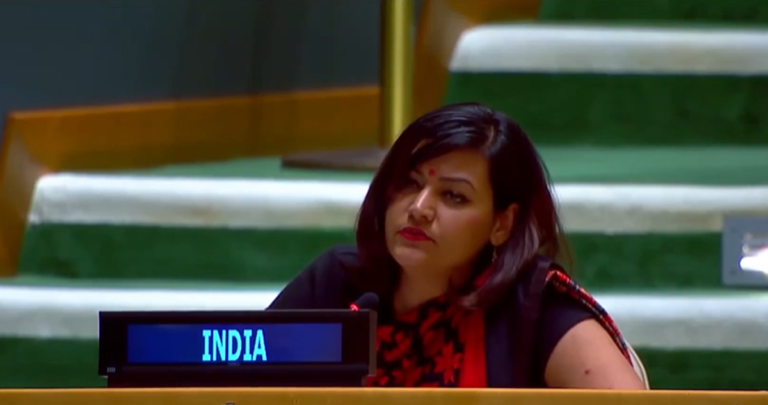
These statements came from Petal Gahlot, India’s First Secretary to the Permanent Mission at the United Nations, in response to remarks delivered by Pakistan Prime Minister Shehbaz Sharif during the 80th session of the UN General Assembly.

Sharif had credited former US President Donald Trump with helping to avert war between the two nuclear-armed nations. Gahlot, however, criticized Sharif’s comments, calling them a display of “absurd theatrics” and accused Pakistan’s Prime Minister of glorifying terrorism.

“This Assembly witnessed absurd theatrics from the Prime Minister of Pakistan, who once again glorified terrorism that is so central to their foreign policy,” Gahlot stated while exercising India’s Right of Reply.

In his speech, Sharif expressed Pakistan’s willingness to engage in “composite, comprehensive, and result-oriented” dialogue with India. He also condemned the situation in Kashmir.

Sharif’s commendation for Trump stemmed from the belief that his efforts helped prevent a major conflict in South Asia. He stated, “In recognition of President Trump’s wonderful and outstanding contribution to promote peace in our part of the world, Pakistan nominated him for the Nobel Peace Prize.”

This recognition highlights Pakistan’s diplomatic efforts amidst a complex geopolitical scenario.

Operation Sindoor, which India initiated on May 7, targeted terrorist infrastructure in Pakistan and Pakistan-occupied Kashmir. This operation followed the devastating Pahalgam terror attack on April 22 that claimed 26 civilian lives.

India’s military maneuvers during this period underscored its commitment to national security and counter-terrorism. India has consistently maintained that any understanding regarding hostilities’ cessation arose from direct discussions between the Directors General of Military Operations of both nations.

The strained relations between India and Pakistan remain a pivotal issue in South Asian politics. Observers note that dialogues and peace initiatives continue to be overshadowed by persistent allegations of terrorism and military aggression.

As India and Pakistan navigate the complex landscape of diplomacy and military strategy, the international community watches closely. Renewed calls for decisive and constructive dialogue echo amidst ongoing tensions.

In conclusion, the event at the UN has once again spotlighted the delicate nature of India-Pakistan relations, with both nations striving for peace yet often hindered by historical grievances and strategic distrust.

BKI Terrorist Parminder Pindi Extradited From UAE to India

0

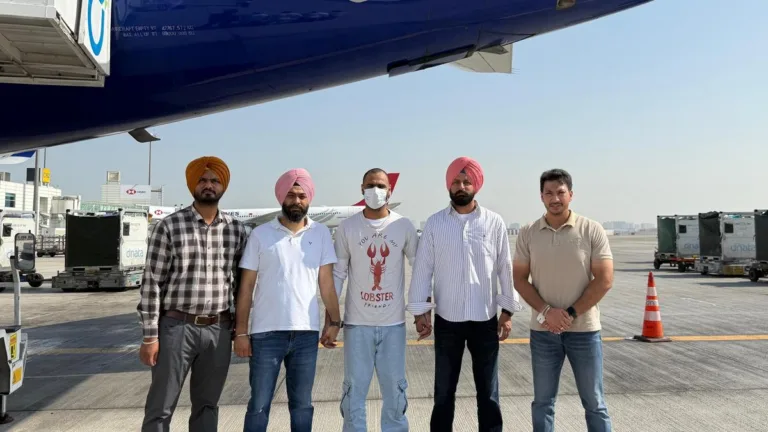
A notorious Babbar Khalsa International (BKI) terrorist, Parminder Singh, also known as Pindi, has been extradited from the United Arab Emirates (UAE) to India, a Punjab Police officer confirmed on Saturday. This move comes as part of a coordinated effort between Indian authorities and their UAE counterparts.

Parminder Pindi is accused of several serious crimes, including petrol bomb attacks, violent assaults, and extortion within the Gurdaspur area of Punjab. His extradition highlights the ongoing collaboration between law enforcement agencies across borders to tackle terrorism and organized crime.

Punjab’s Director General of Police, Gaurav Yadav, disclosed that Pindi’s extradition resulted from swift actions taken after a red corner notice (RCN) was issued by the Batala police. In a detailed statement, Yadav mentioned a dedicated four-member police team led by a senior officer. The team set off for Abu Dhabi on September 24.

During their visit, the team coordinated effectively with the Ministry of External Affairs and local UAE authorities to ensure all legal processes were meticulously followed. After the completion of necessary formalities, they successfully brought Pindi back to India to face the charges laid against him.

Yadav further stated on X (formerly Twitter), “This successful operation underscores our commitment to bringing criminals to justice, regardless of where they seek refuge. The cooperative efforts between Indian and UAE authorities demonstrate the international resolve against terrorism and crime.”

Parminder Pindi’s arrest is a significant development in the ongoing efforts to dismantle BKI’s operations, which have been linked to various terror-related activities in Punjab and beyond. The Punjab Police have remained vigilant in tracking down operatives associated with foreign-based terrorist groups.

This extradition marks a clear message to affiliates of such groups that law enforcement agencies will pursue them relentlessly. As such collaborative operations continue, they signal a unified front against terrorism in India, striving towards a safer environment for its citizens.

Terrorists Awaiting Infiltration at LoC; BSF on High Alert

0

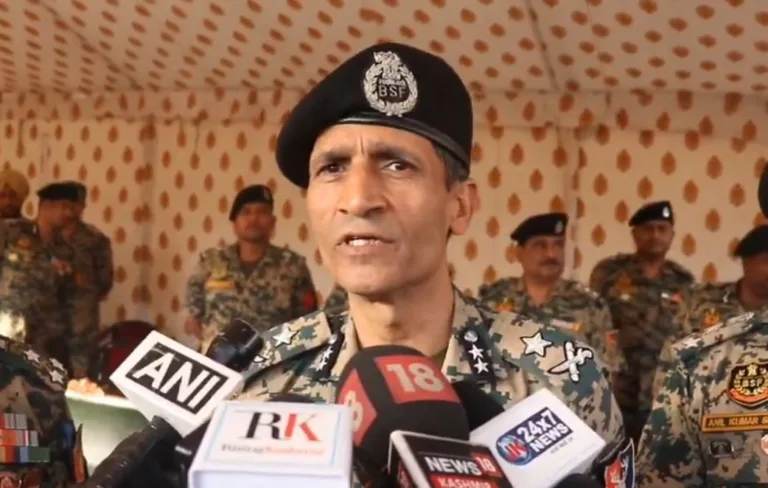
A senior Border Security Force (BSF) officer, Inspector General (IG) Ashok Yadav, revealed on Saturday that terrorists wait at launch pads across the Line of Control (LoC) with intentions to infiltrate the Kashmir valley. The officer emphasized that security forces remain highly alert and prepared to thwart any attempts.

In an address to the media, Yadav pointed out that increased infiltration attempts usually intensify ahead of the winter season. The months leading up to snowfall often see a surge in such activities.

“There are always attempts to infiltrate before snowfall. There are still about two months before that period begins, and terrorists know they have reduced chances for the next six months, hence they try to infiltrate during this time,” he explained. He affirmed the high level of vigilance among security forces, making infiltration exceedingly challenging.

Yadav noted the presence of terrorists at the launch pads across the LoC, particularly in the Bandipora and Kupwara sectors, highlighting their readiness to seize the opportunity for infiltration. “They await the right moment, sometimes under the cover of bad weather, but our security setup remains resilient,” he added.

He explained that the Army and BSF work closely to maintain dominance over the LoC, utilizing advanced surveillance technologies to bolster their efforts. “Alongside the Army, we dominate the LoC effectively. This year, we have successfully thwarted two infiltration attempts already. The heightened alertness of our personnel and the adoption of new methodologies and surveillance equipment make it significantly difficult for terrorists to cross into our area of responsibility,” the IG asserted.

The multifaceted approach involves not only physical patrolling but also employing technological advancements to monitor movements and detect potential threats. BSF’s proactive measures in intelligence gathering and collaboration with other security forces play a critical role in maintaining peace in the region.

Yadav’s statements arrive amidst increased scrutiny over security measures in sensitive areas prone to infiltration. As the winter months draw close, the urgency for preparedness escalates, underscoring the importance of well-coordinated efforts to prevent acts of terrorism.

The vigilant stance of the BSF and Army underscores their commitment to safeguarding the Indian territorial integrity against infiltration attempts. Their readiness serves as a deterrent to those who might exploit gaps in security to threaten peace and stability in the region.

The security forces’ continued vigilance ensures that even with the imminent challenges posed by weather and terrain, the chances of successful infiltrations remain minimal. The BSF and its allies exemplify a strong defense posture through calculated strategies and rapid responses to emerging threats.

Sujada Bashir Hails Opening of 12 Tourist Resorts Urges Inclusion of Drang,Gogaldara, Botapathri, Shranz, Tosamaidan & Doodhpathri

0

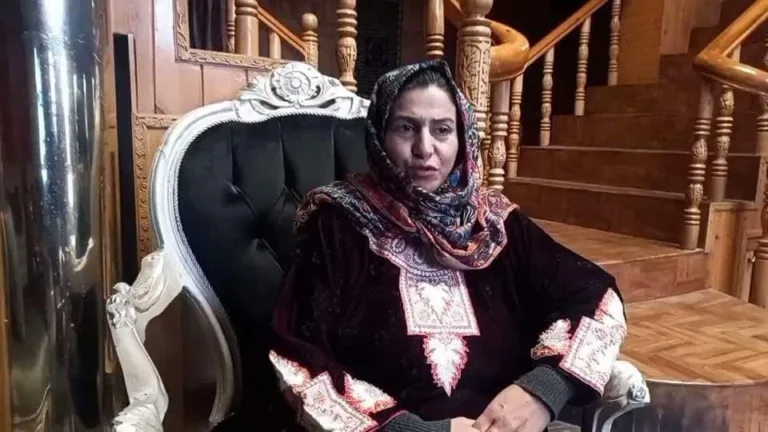
Srinagar-Sept 26:Senior leader of Democratic Progressive Azad Party Sujada Bashir, has warmly welcomed the Lieutenant Governor’s decision to reopen 12 long-closed tourist resorts, describing it as a “historic and long-overdue step” towards revitalizing Jammu & Kashmir’s tourism sector.

While lauding the initiative, Bashir urged the administration to expand the scope and immediately reopen other unexplored and neglected gems such as Drang, Gogaldara, Baderkot, Botapathri, Shranz, Tosamaidan, Doodhpathri, among others.

“Tourism is the backbone of our people’s economy. Limiting access to only a few destinations will not bring the desired impact. Every potential tourist site must be developed and opened to ensure equal opportunities, strengthen local livelihoods, and highlight Kashmir’s unparalleled beauty to the world,” she said.

Bashir further stressed that the government must complement these openings with modern infrastructure, improved road connectivity, and essential amenities to guarantee sustainable growth and year-round visitor engagement.

“It is time to unlock the complete tourism potential of Jammu & Kashmir. Half-measures will not be enough—bold, inclusive, and visionary steps are required now,” she asserted.

Sensex, Nifty Fall Nearly 1% Following Trump’s Tariff Announcement

0

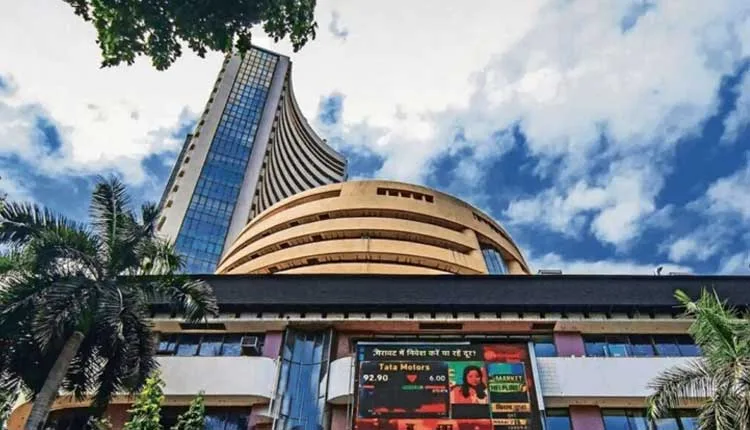
MUMBAI: The benchmark stock indices, Sensex and Nifty, dropped nearly 1% on Friday, marking their sixth consecutive decline due to heavy selling in pharma and IT shares. This downtrend followed US President Donald Trump’s announcement imposing a 100% tariff on pharmaceutical drugs starting next month.

The 30-share BSE Sensex closed 733.22 points lower, or 0.90%, settling at a three-week low of 80,426.46. At one point during the session, it nosedived over 827 points to 80,332.41.

Meanwhile, the 50-share NSE Nifty tumbled 236.15 points, or 0.95%, reaching an over three-week low of 24,654.70. The index has been in decline since September 19, with a reduction exceeding 3% over the past six sessions. The Sensex has fallen by 2,587.50 points, or 3.16%, during the same period.

In terms of market sectors, the BSE Healthcare index dropped by 2.14% as most pharma shares experienced significant declines. Wockhardt shares fell sharply, plummeting 9.4% amid concerns over future profitability due to the tariff announcement.

Trump’s announcement on his preferred social media platform, Truth Social, clearly stated, “Starting October 1st, 2025, we will impose a 100% Tariff on any branded or patented Pharmaceutical Product, unless a Company is building their Pharmaceutical Manufacturing Plant in America.” He clarified that the definition of “building” includes both “breaking ground” or “under construction,” ensuring that no tariffs will be levied if construction has initiated.

Among the notable laggards in the Sensex, Mahindra & Mahindra, Tata Steel, Sun Pharma, and Infosys significantly drove down the index. On the other hand, stocks like Larsen & Toubro, Tata Motors, ITC, and Reliance Industries saw slight upticks, contrasting the overall negative trend.

“Indian equities faced a dramatic decline on Friday following the US’s unexpected tariff announcement. Investor sentiment took a hit from the recent hike in H-1B visa fees, causing panic selling in IT stocks,” stated Ponmudi R, CEO of Enrich Money, an online trading and wealth management firm. He further emphasized that both IT and healthcare sectors significantly affected the broader indices as investors reassessed earnings forecasts and export growth potential amidst increasing tariffs.

Across Asian markets, indices such as South Korea’s Kospi, Japan’s Nikkei 225, Shanghai’s SSE Composite index, and Hong Kong’s Hang Seng faced significant drops, reflecting the widespread concern over the new tariffs.

On the European front, equity markets displayed a contrasting trend, trading positively as US markets closed lower on Thursday, echoing investor discomfort. Additionally, foreign institutional investors (FIIs) offloaded equities worth Rs 4,995.42 crore on Thursday alone, exacerbating the sell-off.

The global oil benchmark, Brent crude, experienced a slight dip of 0.27% to $69.23 a barrel, hinting at potential volatility in energy prices due to global market concerns following the tariff news.

On Thursday, the Sensex had already dropped 555.95 points or 0.68%, closing at 81,159.68, while the Nifty fell by 166.05 points or 0.66% to 24,890.85. These figures underline the challenging environment that both indices face with increasing global tensions and trade barriers.

MiG-21: A Legacy of Pride in Indian Military Aviation

0

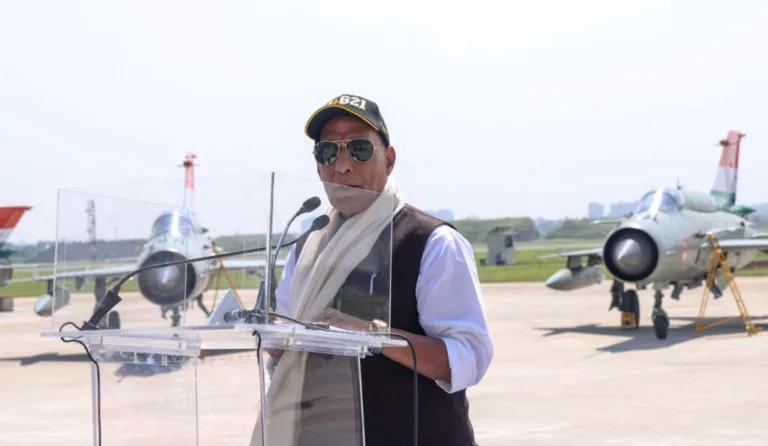
On Friday in Chandigarh, Defence Minister Rajnath Singh remarked that the MiG-21 aircraft, which has served the Indian Air Force (IAF) for over 62 years, represents not just a machine, but a profound symbol of national pride and the enduring bond between India and Russia.

Singh praised the MiG-21, noting its unparalleled journey of more than six decades in safeguarding India’s skies and enhancing the nation’s strategic depth. The defence minister addressed attendees at the decommissioning ceremony for the legendary fighter jet held at the Chandigarh Air Force Station.

The MiG-21 has long stood as a cornerstone of the IAF’s combat fleet, with its final operational sortie marking the closure of an era that began in the 1960s. “The MiG-21 picked up the burden of our nation’s security for decades,” Singh declared, reflecting on its significant contributions to the nation.

He remembered the valor displayed by the armed forces during various operations where the MiG-21 played a crucial role. “As we bid farewell, we also honor a chapter written in golden letters of our military aviation history,” he remarked, evoking the rich legacy of the aircraft.

Over 11,500 MiG-21 aircraft were manufactured globally, with 850 serving in the IAF. This impressive number underscores the aircraft’s enduring popularity, reliability, and multi-dimensional capabilities.

During his speech, Singh recounted the critical moments in which the MiG-21 shaped India’s military stance, including its engagements during the 1971 war with Pakistan, the Kargil conflict in 1999, and the Balakot airstrikes in 2019. He articulated, “From historical missions to modern conflicts, the MiG-21 has consistently raised the national flag high.” Each mission, Singh noted, reinforced the aircraft’s role in defending India’s sovereignty.

Singh emphasized the deep emotional connection that the nation holds with the MiG-21. “It is not merely an aircraft; it is a family member,” he stated, reflecting on the profound bond the IAF and Indian public share with the fighter jet. The minister expressed genuine gratitude while noting that the aircraft not only showcases military strength but also symbolizes cultural respect for machines that have historically protected the nation.

He connected the ceremony with traditions in Indian culture, likening the farewell to ancient rituals that honor both living and non-living entities essential for national security. Asserting strong respect for the aircraft, he said, “This farewell should transcend mere formalities, reflecting our cultural heritage.”

During his address, Singh clarified misconceptions surrounding the age of the MiG-21. He explained that while some variants were 40 years old, many initially inducted in the 1960s and 1970s had long been retired. “The MiG-21s currently in service have been modernized and remain operationally relevant,” Singh affirmed, highlighting that even comparable aircraft in other countries are frequently kept on duty for similar durations.

The MiG-21’s legacy highlights not only the technological prowess of the IAF but also the spirit of resilience that underpins the Indian military. Its operational history is replete with achievements and incidents that shaped the course of India’s defense narrative. Singh’s tribute encapsulated the shared memories and meticulous gratitude of a nation toward a machine that has become synonymous with its airpower.

As India continues to advance its aerospace endeavors, the MiG-21 will forever hold a treasured spot in the hearts of millions—both as an aircraft and as a testament to a nation’s indomitable spirit in the face of challenges.

Govt Cancels FCRA Licence of Sonam Wangchuk’s SECMOL

0

New Delhi, Sep 25: The Union Home Ministry has cancelled the FCRA licence of the Students’ Educational and Cultural Movement of Ladakh (SECMOL), an organization founded by renowned climate activist Sonam Wangchuk, with immediate effect. This decision came after the ministry discovered alleged irregularities in the organisation’s financial practices.

The ministry’s action stems from discrepancies detected in SECMOL’s accounts, notably a controversial fund transfer from Sweden deemed against “national interest.” The order detailed that the ministry had previously issued a show-cause notice to SECMOL regarding these financial irregularities, particularly relating to foreign contributions.

SECMOL, established to promote cultural and educational initiatives in Ladakh, had received approval to accept foreign donations. However, scrutiny of their financial records revealed concerns. Reports indicate that during the fiscal year 2021-22, Wangchuk deposited ₹3.5 lakh into the association’s FCRA account improperly, a move violating Section 17 of the FCRA.

In response to these allegations, SECMOL clarified that this amount stemmed from the sale of an old bus, purchased with funds obtained through FCRA donations. They stated that any proceeds from selling assets acquired via foreign funding should be directed back into the FCRA account.

However, the ministry contested this explanation, citing that the funds were received in cash and therefore not adequately disclosed. The order stated, “an amount of ₹3.35 lakh has been reported by SECMOL as a foreign contribution from Sonam Wangchuk, yet this transaction is absent from the FCRA account, which is a violation of Section 18 of the Act.”

In another alarming discovery, the ministry flagged a transfer of ₹54,600, which SECMOL described as an error in depositing local funds into its FCRA account. Additionally, a sizeable foreign contribution of approx ₹4.93 lakh from Sweden aimed at raising awareness on migration, climate change, and food security is still under investigation.

The Union Home Ministry has rejected SECMOL’s defense arguing that foreign contributions for studies involving national sovereignty violate public interest. As a result, the ministry invoked its powers under Section 14 of the FCRA to promptly revoke SECMOL’s licence.

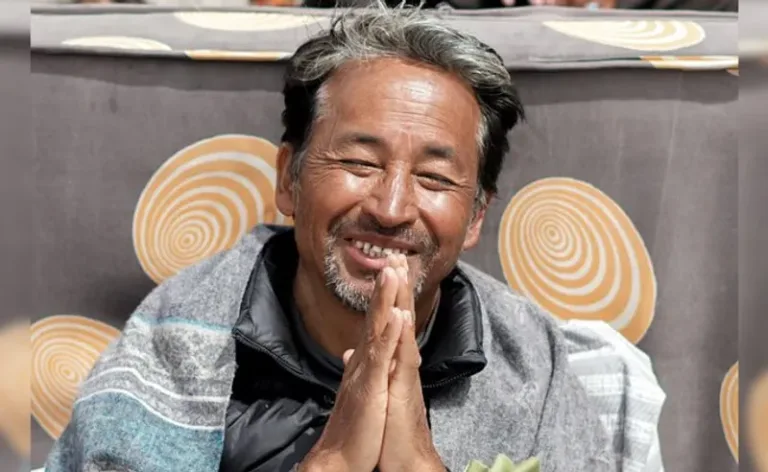
Following the cancellation, Sonam Wangchuk expressed concerns over the government’s motives, asserting that they are attempting to fabricate allegations against him. Wangchuk, who has led efforts advocating for statehood and constitutional rights for the people of Ladakh, warned of potential personal repercussions.

“I see they are building up a case to bring me under the Public Safety Act and throw me in jail for two years,” Wangchuk stated in a recent interview. “I am ready for that, but Sonam Wangchuk in jail may cause them more problems than a free Sonam Wangchuk,” he added.

This situation raises significant questions regarding the intersection of activism, funding, and national interests in India’s socio-political landscape. With international scrutiny on NGOs and their funding sources, the case of SECMOL highlights the evolving challenges faced by non-profits operating under foreign contribution regulations.

Govt Report Reveals One-Third of Children Have High Triglycerides

0

NEW DELHI: A disturbing report released by the Ministry of Statistics and Programme Implementation indicates that over a third of India’s children aged 5 to 9 years could have high triglycerides. The prevalence rates emerge from statistical analyses conducted through various health surveys and highlight regions such as Jammu and Kashmir, West Bengal, and northeastern states as having the highest incidence of this health risk.

Statistics show a staggering 67.2% of children in West Bengal are projected to have elevated triglycerides levels. Similarly, Sikkim reports around 64% of its children affected, accompanied by 55% in Nagaland, 57% in Assam, and 50% in Jammu and Kashmir. These findings raise significant concerns about the long-term health implications for a significant portion of the child population, as high triglycerides can increase the risk of heart disease in adulthood.

In contrast, Kerala and Maharashtra stand out as states with lower prevalence rates. Here, just 16.6% of children in Kerala and 19.1% in Maharashtra were reported to have elevated triglyceride levels. This stark difference underscores the need for targeted public health initiatives in areas with higher risks.

The report, titled ‘Children in India 2025,’ is the fourth edition of the series since its inception in 2008. It was unveiled during the 29th Conference of Central and State Statistical Organisations (CoCSSO) held in Chandigarh on September 25. The ministry described the report as providing “a comprehensive and detailed analysis of the well-being of children in the country.”

To compile the data for this report, officials utilized information gathered from various governmental health surveys, including the National Family Health Survey 2019-21 and Comprehensive National Nutrition Survey 2016-18. This rigorous data collection highlights critical areas of concern regarding the health and well-being of children across India.

Moreover, the findings extend beyond triglyceride levels. The report identifies prematurity and low birth weight as major causes of infant mortality within the first 29 days of life, with a national prevalence of approximately 48%. Additionally, birth asphyxia and trauma during birth, along with pneumonia, rank as the second and third leading causes with prevalence rates of 16% and 9%, respectively. These aspects underline the necessity for enhanced maternal and infant healthcare services.

As the report further explores adolescent health, it classifies around 5% of the teenage population in India as hypertensive. The highest rates of hypertension appear in Delhi (10%), followed closely by Uttar Pradesh (8.6%), Manipur (8.3%), and Chhattisgarh (7%). Worryingly, over 16% of adolescents also exhibit high triglyceride levels, indicating a growing trend of non-communicable diseases among the youth.

Apart from health statistics, the report delves into education statistics, revealing that approximately 63.1% of India’s children and adolescents are literate. For those aged seven and above, the literacy rate climbs to 73.1%. Notably, literacy rates vary across genders; over 80% of boys aged 7-9 are literate, while 81.2% of girls in the same age group also achieve literacy.

This comprehensive report not only sheds light on alarming health metrics related to high triglycerides in children but also highlights broader issues of education and physical well-being that call for urgent governmental attention and resource allocation.