
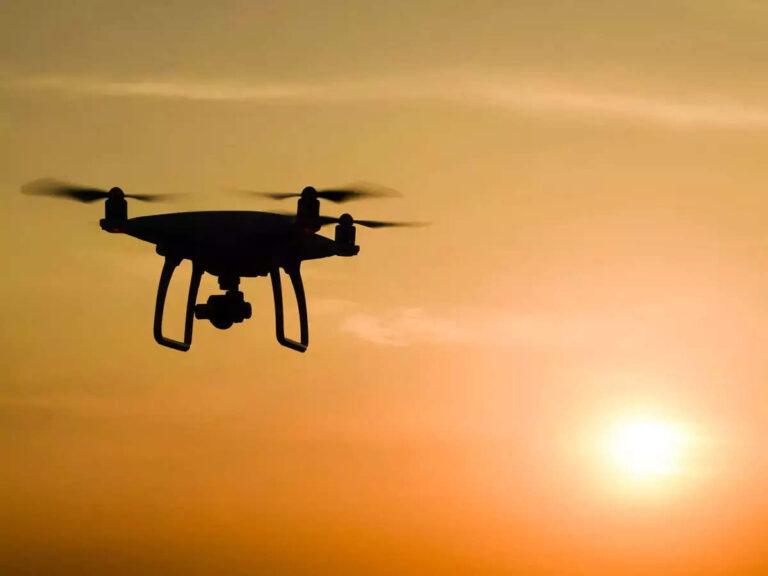
JAMMU, Aug 2: The BSF opened fire at a flying object near the International Border (IB) in Kanachak sector of Jammu and Kashmir, a senior official said on Tuesday.
The unidentified flying object with a blinking light was detected at 9.35 pm on Monday as it tried to intrude into the Indian territory from across the border, he said.
The Border Security Force (BSF) troops opened fire and the blinking light was not observed thereafter, he added.
A search operation was launched in the area along with police and other agencies, the officer said, adding nothing has been recovered so far.
Earlier, police had busted three Lashkar-e-Taiba (LeT) modules, arrested seven of its members and recovered a huge cache of arms, ammunition, and explosive material reportedly dropped by 35 drone sorties from Pakistan.
Reportedly, LeT had set up three terror modules in Jammu and Rajouri districts to collect and transport weapons dropped by drones in border areas of Jammu, Samba, Kathua and Rajouri districts to terrorists in Kashmir. (Agencies)
BSF fires at flying object along International Border in Jammu
Active Covid cases in country dip to 1,39,792
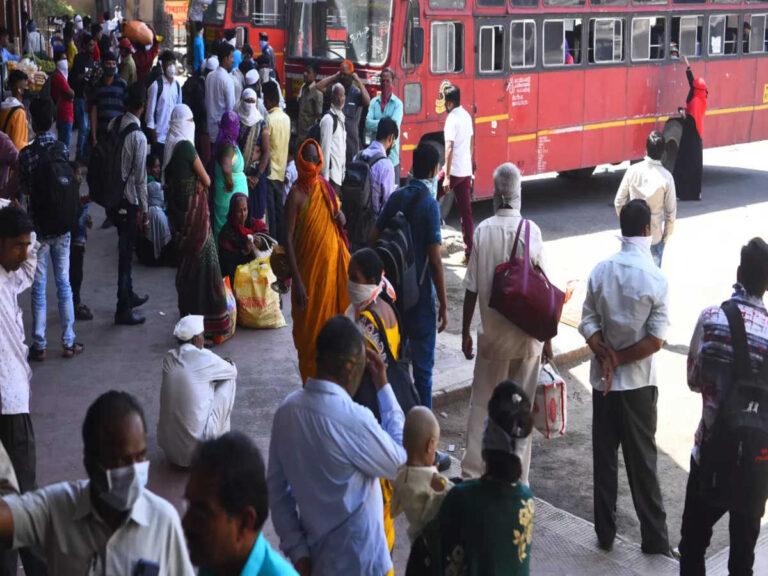
New Delhi, Aug 2: With 13,734 new coronavirus infections being reported in a day, India’s tally of COVID-19 cases has risen to 4,40,50,009, according to the Union Health Ministry data updated on Tuesday.
The death toll has climbed to 5,26,430 with 27 new fatalities, the data updated at 8 am stated.
The active cases have declined to 1,39,792. They comprise 0.32 per cent of the total infections, while the national COVID-19 recovery rate was recorded at 98.49 per cent, the ministry said.
A decrease of 4,197 cases has been recorded in the active COVID-19 caseload in a span of 24 hours.
India’s COVID-19 tally had crossed the 20-lakh mark on August 7, 2020, 30 lakh on August 23, 40 lakh on September 5 and 50 lakh on September 16. It went past 60 lakh on September 28, 70 lakh on October 11, crossed 80 lakh on October 29, 90 lakh on November 20 and surpassed the one-crore mark on December 19.
The country crossed the grim milestone of two crore on May 4 and three crore on June 23 last year. It crossed the four-crore mark on January 25 this year. (Agencies)
5G Spectrum Auction Ends With Record Bids Of Over 1.5 Lakh Crore: 10 Points

NEW DELHI, Aug 1: A record over ₹1.5 lakh crore worth of 5G telecom spectrum was sold in a seven-day auction ending on August 1, which saw billionaire Mukesh Ambani’s Jio emerging as the top bidder to consolidate its leadership position.
Sources with direct knowledge of the matter said provisional data puts the total bids at ₹1,50,173 crore.The mop-up from the 5G spectrum, capable of offering ultra-high speed mobile internet connectivity, is almost double at ₹77,815 crore worth 4G airwaves sold last year and triple of ₹50,968.37 crore garnered from a 3G auction in 2010.
Reliance Jio was the top bidder to the airwaves capable of offering speeds about 10 times faster than 4G, lag-free connectivity, and can enable billions of connected devices to share data in real-time. It was followed by Bharti Airtel and Vodafone Idea Ltd.
New entrant Adani group is said to have bought 26 Mhz spectrum for setting up a private telecom network.
The sources said details of which company bought how much spectrum would be known once the data from the auction is fully compiled.
Both Bharti and Jio have likely built a pan-India spectrum footprint for 5G, with Vodafone Idea’s selective participation.
The government had put on offer spectrum in 10 bands but received no bids for airwaves in 600 MHz, 800 MHz and 2300 MHz bands. About two-thirds of the bids were for the 5G bands (3300 Mhz and 26 GHz), while more than a quarter of the demand came in the 700 Mhz band — a band that had gone unsold in the previous two auctions (2016 and 2021).
In the auction conducted last year — that had lasted two days — Reliance Jio picked up spectrum worth ₹57,122.65 crore, Bharti Airtel bid about ₹18,699 crore, and Vodafone Idea bought spectrum worth ₹1,993.40 crore.
This year, a total of 72 GHz (gigahertz) of radiowaves worth at least ₹4.3 lakh crore was put on the block. The auction was held for spectrum in various low (600 MHz, 700 MHz, 800 MHz, 900 MHz, 1800 MHz, 2100 MHz, 2300 MHz, 2500 MHz), mid (3300 MHz) and high (26 GHz) frequency bands.
In addition to powering ultra-low latency connections, which allow downloading full-length high-quality video or movie to a mobile device in a matter of seconds (even in crowded areas), Fifth Generation or 5G would enable solutions such as e-health, connected vehicles, more-immersive augmented reality and metaverse experiences, life-saving use cases, and advanced mobile cloud gaming among others.
The auction garnered bids worth ₹1.45 lakh crore on the first day on July 26, with subsequent days seeing only marginal incremental demand in some circles. (Agencies)
SKIMS to conduct scientific conference on ‘Pediatric Pulmonary Update’ on Wednesday
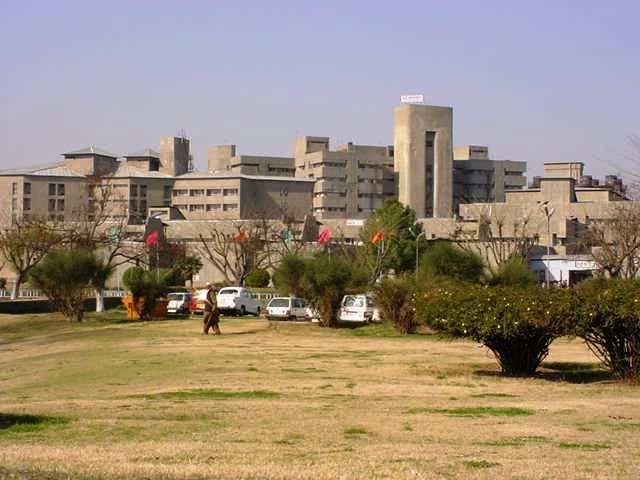
Srinagar Aug 1: The Department of Pediatrics SKIMS in association with IAP-NRC, J&K Chapter is organizing a one day scientific conference on “Pediatric Pulmonary Update” on Wednesday August 3.
As per a SKIMS Soura spokesperson, Pediatric Pulmonologists of National and International repute from all over country will present research papers on varied topics at the event.
Director SKIMS & EOSG, Prof. Parvaiz A. Koul congratulated the organizing team for organizing the mega event. He said such scientific conferences provides wider platform and constitutes social spaces for researchers and academicians to present their scientific work. “It is an important venture for scientists for brainstorming which can lead to new initiatives. I hope this major scientific program organized by Pediatrics will prove beneficial to the students and academicians,” he added.
HOD Pediatrics, Prof Bashir Ahmad Churoo said that scientific program will benefit both students and faculty. “We are looking forward for excellent presentations as world renowned pulmonologists are participating in the event, ” he said.
Task force formed to closely monitor monkeypox virus situation in country
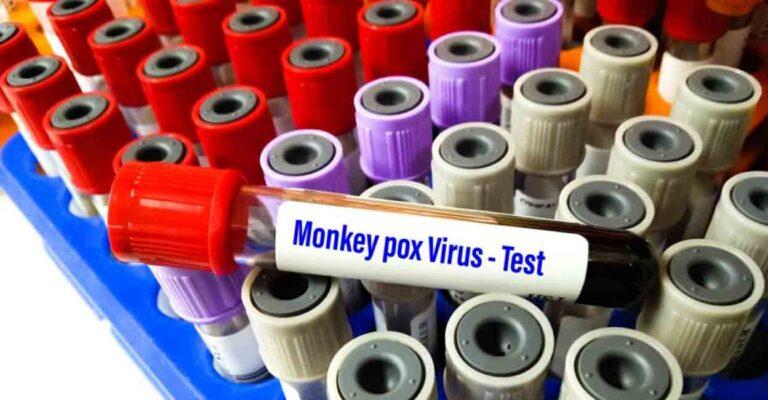
NEW DELHI, Aug 1: A task force on monkeypox has been constituted to closely monitor the emerging situation in the country and decide on response initiatives to tackle the spread of the disease, official sources said on Monday.
It will also provide guidance to the government on expansion of diagnostic facilities in the country and explore emerging trends related to vaccination for the disease, the sources told PTI.
A 22-year-old man, who recently returned to Kerala from the UAE, allegedly died due to monkeypox on Saturday. India has reported a total of four cases of the disease so far.
The decision to constitute the task force was taken at a high-level meeting held on July 26 at the level of the principal secretary to the prime minister to review the ongoing public health preparedness in the country.
The task force will be headed by Dr V K Paul, NITI Aayog member (health).
The National Aids Control Organisation and the Directorate General of Health Services in the Health Ministry have been asked to work on a targeted communication strategy to promote timely reporting, detection of cases and management of cases, an official source said.
Instructions were given to operationalise the Indian Council of Medical Research (ICMR) network of labs and make arrangements for requisite diagnostics of monkeypox disease.
The World Health Organisation (WHO) recently declared monkeypox a global public health emergency of international concern.
Globally, over 16,000 cases of monkeypox have been reported from 75 countries.
The Union Health Ministry has undertaken a number of initiatives which includes strengthening of health screening at Points of Entry and operationalisation of 15 laboratories under the ICMR to undertake testing for monkeypox disease.
It also issued comprehensive guidelines on the disease covering both public health as well as clinical management aspects and regular interaction with states were held virtually as well as Central multidisciplinary teams were deployed to affected states.
According to the WHO, monkeypox is a viral zoonosis — a virus transmitted to humans from animals — with symptoms similar to smallpox although clinically less severe.
Monkeypox typically manifests itself with fever, rash and swollen lymph nodes and may lead to a range of medical complications. It is usually a self-limited disease with symptoms lasting for two to four weeks.
The ‘Guidelines on Management of Monkeypox Disease’ issued by the Centre, stated that human-to-human transmission occurs primarily through large respiratory droplets generally requiring prolonged close contact.
It can also be transmitted through direct contact with body fluids or lesions, and indirect contact with lesion material such as through contaminated clothing or linen of an infected person. Animal-to-human transmission may occur by bite or scratch of infected animals or through bush meat preparation.
The incubation period is usually from six to 13 days and the case fatality rate of monkeypox has historically ranged up to 11 per cent in the general population and higher among children. In recent times, the case fatality rate has been around three to six per cent.
The symptoms include lesions which usually begin within one to three days from the onset of fever, lasting for around two to four weeks and are often described as painful until the healing phase when they become itchy. A notable predilection for palm and soles is characteristic of monkeypox, the guidelines stated. (Agencies)
Daily wagers of Jal Shakti Department stage protest, demand job regularisation
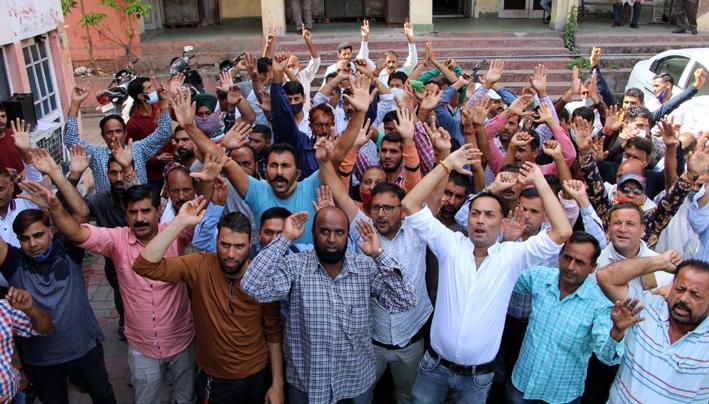
JAMMU, Aug 1: Hundreds of daily wagers of the Jal Shakti Department staged a protest and blocked a highway in Jammu on Monday to press their demand for regularisation of services.
The Jal Shakti (PHE) Employees and Workers Association, which organised the protest, said the daily wagers have been struggling for over two decades for regularisation of their services.
Waving national flags, the workers assembled outside the office of the Jal Shakti Department and raised slogans against the Jammu and Kashmir administration and in support of their demand. They also blocked a highway.
The protesting workers, who ensure drinking water supply across Jammu, threatened to intensify their protest if their demand was not met.
”We want to warn the government that there will be a massive agitation of hundreds of daily wagers if it fails to fulfil the demand for regularisation of services,” Ravi Hansi, a union leader, told reporters here.
He alleged that the lieutenant governor’s administration was not paying any heed to their demand.
Jal Shakti (PHE) Employees and Workers Association president Som Nath said many of the workers have rendered services to the department for over two decades, but they are still waiting for justice. They are the worst example of exploitation in the country, he added. (Agencies)
RDD official arrested for taking Rs 4,000 bribe in Baramulla: ACB
Srinagar, Aug 1: A government employee working in the Rural development Department (RDD) was arrested by Anti-Corruption Bureau (ACB) on Monday for allegedly accepting a bribe of Rs 4000 in Baramulla, officials said.
The accused AEE of RDD had allegedly demanded a bribe from a contractor in Baramulla district, following which a complaint was filed against him, news agency KNO reported.
After receiving the complaint, a trap was laid by ACB and the accused officer was caught red-handed while accepting the bribe money of Rs 4000 from the complainant, an official said adding the accused has been arrested.
He said the bribe money was also recovered in the presence of independent witnesses, while further necessary legal action is being taken.
Lok Sabha revokes suspension of 4 Congress members
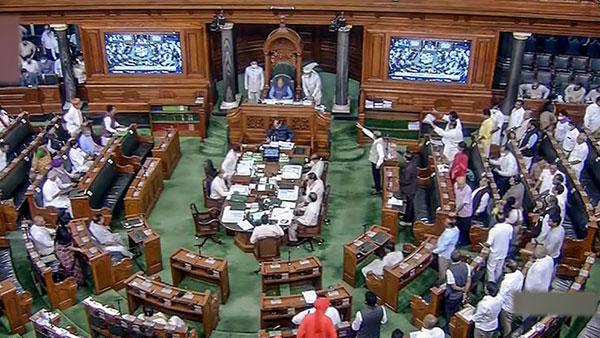
New Delhi, Aug 1: Lok Sabha Speaker Om Birla on Monday revoked the suspension of four Congress members, after party leader Adhir Ranjan Chowdhury said it was not the intention of the opposition to hurt the chair.
The Congress members were suspended last Monday for the rest of the session for protesting and carrying placards inside the House.
The suspension of Manickam Tagore, Ramya Haridas, T N Prathapan and S Jothimani was revoked after Parliamentary Affairs Minister Pralhad Joshi moved a motion to the effect, which was approved by the House.
After the revocation of suspension, the House took up discussion on price rise which was initiated by Congress member Manish Tewari. (Agencies)
Covid infection may accelerate brain ageing
New York, Aug 1: Covid-19 infections may predispose individuals to developing irreversible neurological conditions, finds a study.
The study by Houston Methodist researchers showed that Covid infection may increase the likelihood of strokes and may increase the chance of developing persistent brain lesions that can lead to brain bleeding.
Covid-19 is known to invade and infect the brain, among other major organs. Several brain imaging studies on Covid victims and survivors have confirmed the formation of microbleed lesions in deeper brain regions related to our cognitive and memory functions.
In the review study, published in the journal Ageing Research Reviews, researchers have critically evaluated the possible chronic neuropathological outcomes in ageing and comorbid populations if timely therapeutic intervention is not implemented.
Microbleeds are emerging neuropathological signatures frequently identified in people suffering from chronic stress, depressive disorders, diabetes and age-associated comorbidities.
Based on their earlier findings, the investigators discuss how Covid-induced micro-haemorrhagic lesions may exacerbate DNA damage in affected brain cells, resulting in neuronal senescence and activation of cell death mechanisms, which ultimately impact brain microstructure-vasculature.
These pathological phenomena resemble hallmarks of neurodegenerative conditions like Alzheimer’s and Parkinson’s diseases and are likely to aggravate advanced-stage dementia, as well as cognitive and motor deficits.
Further, the review includes Covid’s predispositions for Alzheimer’s, Parkinson’s and related neurodegenerative diseases, as well as cardiovascular disorders due to internal bleeding and blood clotting-induced lesions in the part of the brain that regulates our respiratory system, following the Covid symptoms.
In addition, cellular ageing is thought to be accelerated in Covid patients. A plethora of cellular stresses inhibit the virus-infected cells from undergoing their normal biological functions and let them enter into “hibernation mode” or even die completely.
The study also suggests various strategies to improve some of these long-term neuropsychiatric and neurodegenerative outcomes, as well as outlines the importance of the therapeutic regimen of the “nanozyme” in combination with various FDA-approved drugs that may prove successful to fight against this catastrophic disease.
However, given the ever-evolving nature of this field, associations like the ones described in this review show the fight against Covid is far from over, said the researchers, and reinforce the message that getting vaccinated and maintaining proper hygiene are key in trying to prevent such long-term and detrimental consequences.
“Economic Interdependence in SAARC” – Pursuit of Political Peace by Phuro Innovations
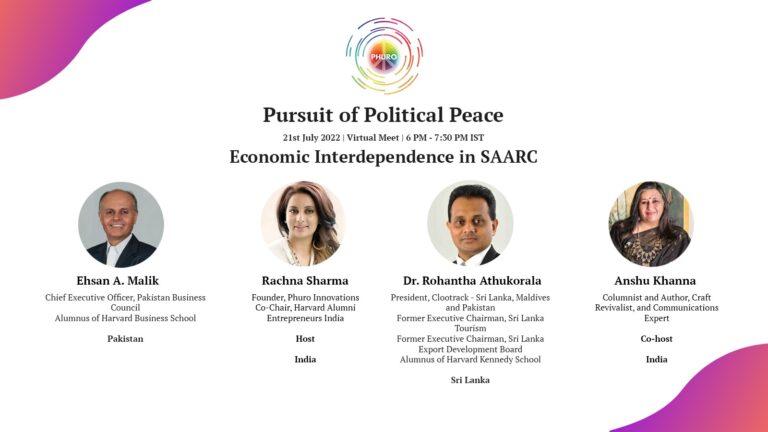
”For generations we have had brain drain because of which the regular and mundane problems like conflict have eaten up SAARC. They are not new. The world has faced and continues to face them in different times in different ways. However, there were thought leaders to snap nations out of it so that nations could progress”, said Ms. Rachna Sharma, founder of Phuro Innovations.
The best example quoted by Ms. Sharma was of the animosity between France and Germany. Amidst the backdrop of cold war, two world wars and five recorded historic wars, who can imagine European Union without them today? Hence, we have to imagine SAARC as we have a more friendly and peaceful history than that. We have shared histories, languages and culltures. We have never been nor are enemies. We are just facing problems and unable to come out of them.
She mentioned that its because if this that she has initiated this project through which she can document problems and present frameworks to solve them. Economic interdependence is one of the proven framework in all violent regions so far and there is no reason why it won’t work in SAARC. The next big thing for Phuro Innovations would be the annual event where she anticipates participation from leaders across the region SAARC.
Discussion
Debuted on November 20, 2021 as a series of year-long engagements/ innovative frameworks for solutions and research-oriented approach; on the subject of “Political Peace”. Phuro is engaged in to bringing together the thought leaders, politicians, entrepreneurs, and organizations; Phuro Innovations hosted its fourth virtual discussion titled “Economic Interdeopendence in SAARC” on 21 July 2022. Rachna Sharma mentioned that “when I talk about Peace, I specifically talk about positive peace, which is attitudes, institutions, and structures that create and sustain peaceful societies”.
The event hosted Mr. Ehsan A. Malik as guest speaker who is an Alumnus of Wharton and Harvard Kennedy School,the current Chief Executive Officer of Pakistan Business Council (PBC), a research based business advocacy body composed of the leading businesses in Pakistan including the larger multinational companies from 13 countries. In a 24 year career with Unilever, Mr. Malik served as CEO of Unilever Sri Lanka, led the consolidation of Unilever’s regional businesses in Egypt, Lebanon, Jordan and Syria and spent several years in the head office in the UK. Mr. Malik is also the Member of the Board of Directors of Abbott Laboratories Pakistan Limited, National Foods Limited, Gul Ahmed Textiles Limited and Standard Chartered Bank Pakistan Limited.
The highlight from the discussion was that several good things will come out if SAARC gets active again e.g Saving on the cost of logistics would justify the continuity of trade. Mr. Malik mentioned that talks and conversations must continue to invigorate hope for peace. Stopping dialogues means losing hope. In regard to India and Pakistan, he said that both countries should build momentum towards openness and accommodation which ultimately will benefit all the regional countries. Anything that inhibits trade, must be looked into with new economic policies and security. The leadership of both nations need to understand the importance of trade, Leadership in India understands it better than pakistan today. However that’s were PBC’s roles as an organization comes in to play; the role is to make the very own leadership understand the positive benefits of inter-regional trade; even if the governments are not supportive of the idea right now.
Dr.RohanthaAuthokorala also joined as a guest speaker. Dr.Athukorala has a double degree in marketing, MBA, Doctorate in Business Administration & Alumni of Harvard Kennedy School. He has served 3 Presidents of Sri Lanka during his tenure in the public sector and then went on to serve the United Nations (UNOPS) for 5 years where the ‘Best Project’ was won for Sri Lanka and in 2019 he was awarded Dr. A.P.J. Abdul Kalam “Pride of the Nation” award. He has served the country as Chairman and Board Director Sri Lanka Export Development Board when exports crossed $10 billion. Then as Chairman Sri Lanka Tourism he restructured the organization for the country to attract 1.8 million visitors whilst the cabinet appointed Dr Athukorala as the Commissioner General for the World Expo 2015. He then went to be the Chairman of the 30 billion rupee retail chain Lanka Sathosa where he turned around the organization. Dr Athukorala is currently the Regional President/ CEO of the Microsoft owned Global Artificial Intelligence company Clootrack for Sri Lanka, Maldives and Pakistan.
The breakthrough in the discussion was about the Political Will. Dr Athukorala emphasized that conversations like these are important in facilitating political will and further actions. He mentioned that instead of giving Aid and opening all lines of credit for Sri Lanka, India should open and support exports and trade – and help Sri Lanka in building capacity through supply chain and skill development. That would be idle at this stage as regional cooperation.