
NEW DELHI, Sept 29: The Government has deferred the implementation of the proposal to make six airbags mandatory in passenger cars by one year to October 1, 2023, Road Transport and Highways Minister Nitin Gadkari said on Thursday.
The government had earlier planned to make six airbags mandatory in eight-seater vehicles for enhanced safety of occupants from October 1, 2022.
“Considering the global supply chain constraints being faced by the auto industry and its impact on the macroeconomic scenario, it has been decided to implement the proposal mandating a minimum of 6 Airbags in Passenger Cars (M-1 Category) w.e.f 01st October 2023,” Gadkari said in a tweet.
The minister further asserted that the safety of all passengers travelling in motor vehicles irrespective of their cost and variants is the foremost priority. (Agencies)
Govt defers proposal to make 6 airbags mandatory in cars by one year to Oct 1, 2023: Gadkari
Three JKAS officers transferred and posted elsewhere

Three JKAS officers transferred and posted elsewhere in Jammu and Kashmir with immediate effect on Wednesday.
Ghulam Rasool, JKAS, Joint Director, Handicrafts, Jammu, is transferred and posted as Regional Director, Survey and Land Records (ex-officio Settlement Officer), Rajouri, against an available vacancy.
Tilak Raj, JKAS, Programme Officer, ICDS Project, Udhampur, is transferred and posted as Joint Director, Handicrafts, Jammu.
Zameer Ahmad Reshu, IKAS, awaiting orders of adjustment in the General Administration Department, is posted as Programme Officer, ICDS Project, Udhampur.
Jammu and Kashmir : Army active in both anti-militancy ops, welfare programmes
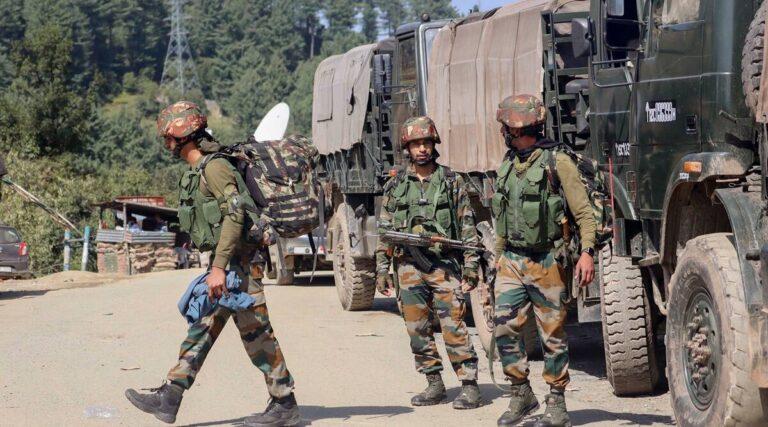
Indian forces are taking new steps to develop the skills of the youth of Jammu and Kashmir. To achieve this goal in Jammu and Kashmir, especially in the Kashmir valley, new festivals are being organised by the Central and state governments as well as the Indian forces to provide a platform to these youth.
In this regard, recently, in Anantnag district of Jammu and Kashmir, which is considered to be very sensitive, the Army organised the ‘South Kashmir Youth Festival’ in collaboration with the district administration.
An official of the administration said that the objective of the festival is to guide the youth here towards the right path and provide them a platform to showcase their talents.
During the festival, stalls were set up by various private companies to provide employment to the local youth, where the youth were made aware of various sources of employment.
On this occasion, children from different schools presented colourful cultural programmes which were well appreciated. Certificates were also distributed to special persons during the festival.
A large number of young people participated in the festival, while on this occasion, people who performed prominently in various fields shared their experiences with the young people.
He termed such measures as welcome and described it as an important need of the present time.
According to the youth who are part of the festival, drugs and unemployment are major challenges for the Kashmiri youth in the current situation and such programmes will be effective in dealing with this challenge.
He said that through such programmes, recreational moments are available to reduce mental stress, and at the same time, encouragement is given to follow the right direction through career counselling.
It should be noted that the Indian Army has been active in Kashmir for a long time through anti-militancy operations as well as other welfare programmes.
According to the army, through such programmes, there are hopes to further improve the coordination between the people and the army.
SC: All women entitled to safe and legal abortion
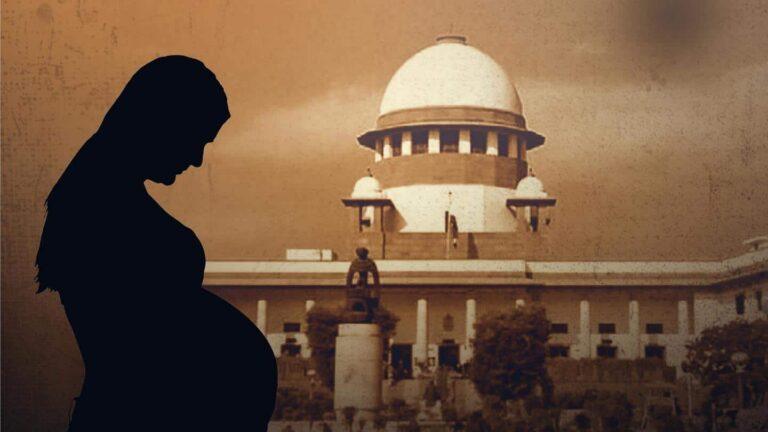
The Supreme Court on Thursday said that unmarried women are also entitled to seek abortion of pregnancy in the term of 20-24 weeks arising out of a consensual relationship. It emphasized that all women are entitled to safe and legal abortion, and the distinction between married, unmarried women is unconstitutional.
A bench headed by Justice D.Y. Chandrachud said the exclusion of unmarried women, who conceive out of live-in relationship, from the Medical Termination of Pregnancy Rules is unconstitutional. “All women are entitled to safe and legal abortion,” said the top court. The judgment in the matter will be uploaded later in the day.
It added that the rights of reproductive autonomy give an unmarried woman similar rights as a married woman. The top court noted that the 2021 amendment to the Medical Termination of Pregnancy Act, does not make a distinction between married and unmarried women.
The top court said the artificial distinction between married and unmarried women cannot be sustained. “Women must have autonomy to have free exercise of rights…,” noted the bench.
On August 23, the Supreme Court had said it would interpret Medical Termination of Pregnancy (MTP) Act and the rules to eliminate the discrimination between married and unmarried women for allowing abortion till 24 weeks of pregnancy.
On July 21, the top court had allowed a 25-year-old to abort her 24-week pregnancy arising out of a consensual relationship.
World Heart Day: Smoking teenagers more prone to cardiovascular deaths, say experts
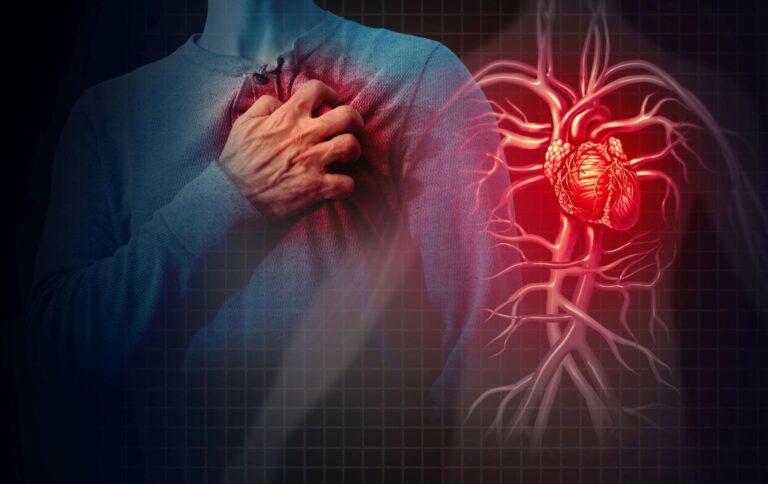
Bengaluru, Sep 29: India accounts for almost one fifth of deaths occurring worldwide due to cardiovascular reasons in the young population.
The worldwide risk of cardiovascular diseases and deaths is 235 per one lakh population but in India the number is alarming at 272 which is very high as compared to any country in the world.
On World Heart Day, experts say that the other serious problem is that cardiovascular diseases in India come at a much younger age than the western population. It is more prevalent in vegetarians compared to non-vegetarians of the west.
Currently, India has one of the highest burdens of acute coronary syndrome and ST elevation myocardial infarction. It is one of the highest anywhere in the world, explains Dr Ajay Kaul, Chairman, Cardiac Sciences, Fortis.
It is ironic that most of the patients in the Indian population, almost 50 per cent of them are vegetarian yet their incidence of coronary artery disease is much higher than non- vegetarian Western population, he says.
Dr Suraj Narasiman, Consultant-Interventional Cardiologist and Structural Intervention Specialist, Manipal Hospital Sarjapur, says “Usually, teenagers who are smokers or drug abused or suffering from heart attack are more prone to cardiovascular deaths.”
“According to the reports of the previous years, CVD is considered as one of the main reasons behind teenager’s death. Hence, in order to prevent the increasing risk, the youngster needs to quit smoking, if diabetic or dealing with hypertension should check that on a regular basis, leading a healthy lifestyle, following a regular exercise schedule, and avoiding junk foods.
Before any excessive exhaustion, they need to consult an expert in regards to understanding the intensity of exercise they can proceed with. Also, those with a family history of cardiac issues are prone to the risk factors, and need to be on regular check-ups for healthy living,” he says.
Dr Kaul explains that the Body Mass Index of urban Indians is higher, approximately 24-25 as compared to rural propagation of BMI of 20. The more concern is regarding abdominal obesity, which is the commonest form of obesity in India. Waist to hip ratio in an urban setting is as high as .99. Versus 9.4 in a rural area. Abdominal obesity is more prevalent than generalised obesity, and this is a known risk factor for cardiovascular events.
In Asian Indians, there is a unique pattern of dyslipidemia, HDL levels are very low and they have very high triglyceride levels and low-density lipids. According to an ICMR study, it has been shown that this is the reason for a very high level of coronary artery disease and cardiovascular events in the Indian population at a young age, he says.
“Indians consume a very high quantity of carbohydrate diet. An average Indian consumes more carbohydrates, high-fat, dairy products, butter, ghee, and cheese in their everyday meal which has all increased the incidence of coronary artery disease,” Dr Kaul explains.
Reusing oil isn’t uncommon in Indian culture in cooking and this leads to more consumption of trans fats, which is also very dangerous and is the main reason for the increase in coronary cardiovascular diseases, he underlines.
Dr Gopi A, Director – Interventional Cardiology, Fortis Hospital, Cunningham Road, Bangalore explains that the incidence of cardiovascular disease among youngsters is quite significant, especially in this part of the world.
“There are multiple reasons ascribed to this such as genetic factors, families with a history of premature cardiovascular disease – those family members are definitely at a higher risk from a young age.
Lifestyle changes are a major factor that affect heart health among youth. A significant amount of smoking, sedentary lifestyle, obesity are other contributing factors. In addition, in our country, diabetes is very common and has started occurring in people at a much younger age. Diabetes also has a significant amount of contribution to the incidence of coronary artery disease in the Indian population,” he says.
The annual number of deaths from CVD in India has risen from 2.26 million (1990) to 4.77 million (2020). Coronary heart disease prevalence rates in India have been estimated over the past several decades and have ranged from 1.6 per cent to 7.4 per cent in rural populations and from 1 per cent to 13.2 per cent in urban populations.
Ahead of the World Heart Day, SRL Diagnostics, India’s leading chain of diagnostic laboratories conducted a retrospective data study on close to 3, 00,000 samples tested in Bengaluru for lipid profile in the last five year period.
Some of the findings from the data study showed that 19 per cent of the samples tested for Total Cholesterol tested borderline high and over 7 per cent samples tested high.
HDL Cholesterol which is considered agood cholesterol’ was found to be sub-optimal in over 48 per cent of samples; 18 per cent of the samples tested for Triglycerides tested borderline high and over 18 per cent samples tested high.
LDL Cholesterol was optimal in 38 per cent of the samples, above optimal in 30 per cent, borderline high in 21 per cent and much higher in 11 per cent of the samples. 31 per cent of the samples had abnormal levels of VLDL Cholesterol.
Commenting on the study, Dr Chaitra Krishnagiri, Technical Lead, South and Chief of Laboratory, SRL Diagnostics, Bengaluru said, “Individuals at risk of CVD may demonstrate raised blood pressure, glucose, and lipids as well as overweight and obesity. Identifying those at highest risk of CVDs and ensuring they receive appropriate treatment can prevent premature deaths.
In the last few years, we have seen that people are more aware and are taking preventive measures; especially those who are in their most productive age-group. We hope that this trend of screening continues and we gradually see lipid profiles improving in at-risk individuals.”
Out of the total 4,000 asymptomatic people who underwent screening for heart calcium score in the last 12 months at NURA, about 1 in 5 (20 per cent) were found with build-up of calcified plaque in their heart. Out of these, around 150 people (4 per cent) had a 90 per cent chance of heart attack, with an Agatston score of over 400, but were completely unaware of it. They were saved in the nick of time as their condition could be diagnosed with preventive health check-up.
Explaining this, Dr Tausif Ahmed Thangalvadi, Medical Director at NURA, a collaboration between Fujifilm Healthcare and Dr Kutty’s Healthcare in Bengaluru stated, “A coronary calcium scan can detect and measure calcium-containing plaque in the arteries.
This plaque can grow and lead to narrowing of coronary arteries and increased risk of heart attack. Plaque in arteries is more common in men than women, and its incidence increases with age.
Heart Calcium score uses low-dose CT scan to take cross-sections of the blood vessels of the heart to look for build-up of calcified plaques made of fats, cholesterol, calcium and other substances in the blood.
This calcium is different from the calcium in the bones and is not related to calcium in our diet. The Heart Calcium Score helps us identify a person at risk of a heart attack even before signs and symptoms develop. At Nura, we use the internationally validated Agatston Score to predict severity of the plaque deposits.”
Man with acute ST Elevation Myocardial Infarction successfully operated at SMVD Narayana Hospital
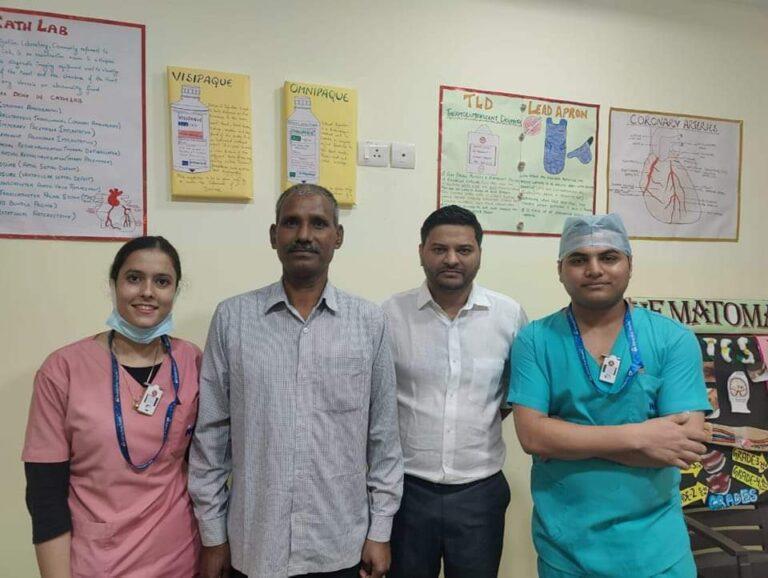
Katra:Middle age man hailing from Jammu with no comorbid conditions presented to SMVDNSH emergency room with Acute ST Elevation Myocardial Infarction. On evaluation with ECG found to have Acute Inferior Wall MI. He was taken to cath lab immediately and Coronary Angiography was done which showed proximal Right Coronary artery 100% massive thrombotic occlusion. Routine Angioplasty was tried and we were able to put a wire into the Right coronary artery. Multiple attempts to open the thrombotic artery using multiple balloons inflations & manual aspiration thrombectomy devices was tried but to no respite, failed to open the infarct related artery. To salvage and save the heart muscles (myocardium), catheter directed intra coronary thrombolytic drug (ALTEPLASE) was given directly into the distal part of the artery. Patient was then shifted to Coronary Care Unit for observation. After 24 hrs, check CAG done showed recovery/restoration of blood flow into right coronary artery with little chunk of thrombus lying proximally for which stent was placed successfully. Patient got discharged on Day 2 after procedure and is doing well & on routine follow up. Stating further about the case Dr. Sushant Kumar Sharma, DM CARDIOLOGY and Senior Interventional Cardiologist at Narayana Hospital said that large thrombus burden can negatively impact the outcomes following Primary Angioplasties such as distal embolization of clot, no flow or slow flow in the Coronary artery, increase in infarct size, stent thrombosis and even death in patient with Acute MI. Catheter directed intra coronary thrombolysis can be performed effectively & safely when repeated balloon inflations andi Manual Aspiration Thrombectomy (MAT) fails to produce satisfactory coronary reperfusion (blood flow) in STEMI patients with large thrombus burdens.
NIA team sent to Udhampur, likely to take over blast case
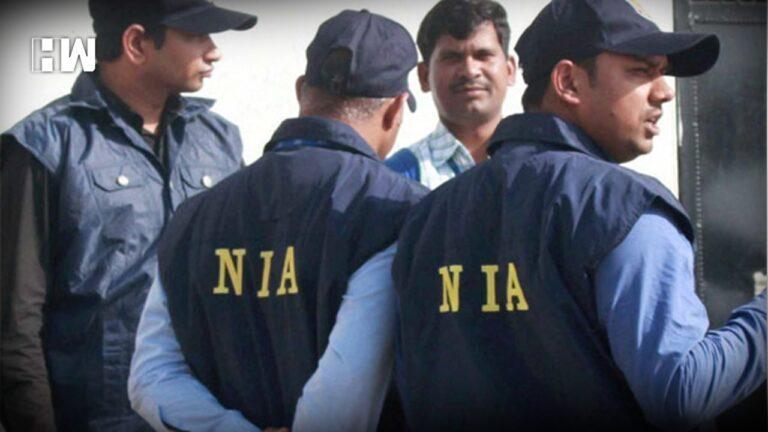
ew Delhi, Sep 29: The Udhampur blast case in which two persons suffered injuries, is likely to be handed over to the National Investigation Agency (NIA). Highly placed sources said that a team of elite NIA officials has been sent to J&K’s Udhampur.
The team is likely to take charge of all the documents regarding the blast from the local police.
Two people were injured in a “mysterious blast” in Jammu and Kashmir’s Udhampur district late Wednesday evening.
Police said two people were injured in a mysterious blast in a parked bus in Domail Chowk.
The two injured persons have been shifted to hospital. This is the second such blast in Udhampur during the last 24 hours,” the police said.
As per reports, the bus was parked near a petrol pump and was empty at the time of explosion. The intensity of the blast was such that the roof of the bus got damaged, and the window panes of several nearby vehicles were also damaged.
A large number of police personnel and a bomb disposal squad reached the spot after receiving information about the blast.
An FIR has been lodged and investigation started in this incident, the police added. (Agencies)
Anti-drone system to be deployed along LoC

Jammu, September:
Lt Gen Manjinder Singh, General Officer Commanding (GoC), 16 Corps (White Knight Corps), on Wednesday said an anti-drone system would be deployed along the Line of Control in the region soon.
Based in Nagrota, the White Knight Corps guards the LoC and major part of Jammu region. “Drone sighting along the LoC takes place two or three times in a month in the areas guarded by us. Most of these are apparently on reconnaissance mission and not to dump narcotics. We are in process of procuring anti-drone equipment after which our guard along the LoC will strengthen,” he said during the Golden Jubilee celebrations in Nagrota where an event—Know Your Army— was organised to motivate the youth to join the Army.
The officer also informed that terrorism in Jammu division was at its lowest level as there were a few active terrorists in the region. “The violence in Jammu region is significantly low. New recruits are joining terror outfits mostly in the Kashmir valley,” he said.
He however said that some of the youth from Jammu division were joining the narco-terror nexus to smuggle drugs as their villages are close to the LoC. “We are keeping a close watch on such youth who are involved in smuggling from border areas as their villages are located along the Line of Control,” he added.
India records 4,272 Covid cases in a day; death toll rises to 5,28,611
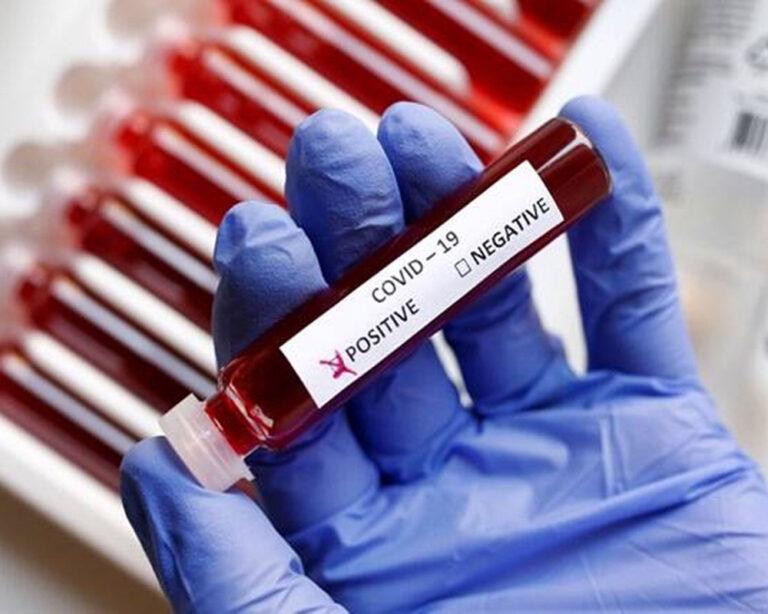
New Delhi, September 29: India’s covid-19 case tally increased by 4,272 in a day to reach 4,45,83,360, while active cases have declined to 40,750, according to the Union Health Ministry data updated on Thursday.
The death toll has reached 5,28,611 with 27 more deaths, including 16 fatalities reconciled by Kerala, the data updated at 8am stated.
Active cases comprised 0.09 per cent of the total infections, while the national recovery rate increased to 98.72 per cent, the health ministry said.
The daily positivity rate was recorded at 1.35 per cent while the weekly positivity rate was 1.51 per cent.
Active covid cases declined by 229 in a day while the number of people who recuperated from the disease increased to 4,40,13,999. The case fatality rate was recorded at 1.19 per cent.
According to the ministry, 218.17 crore doses of covid vaccine have been administered in the country so far under the nationwide inoculation drive. (Agencies)
MV Deptt Doda conducts awareness programme under Nasha Mukt Bharat initiative at New Bus Stand Bhadarwah
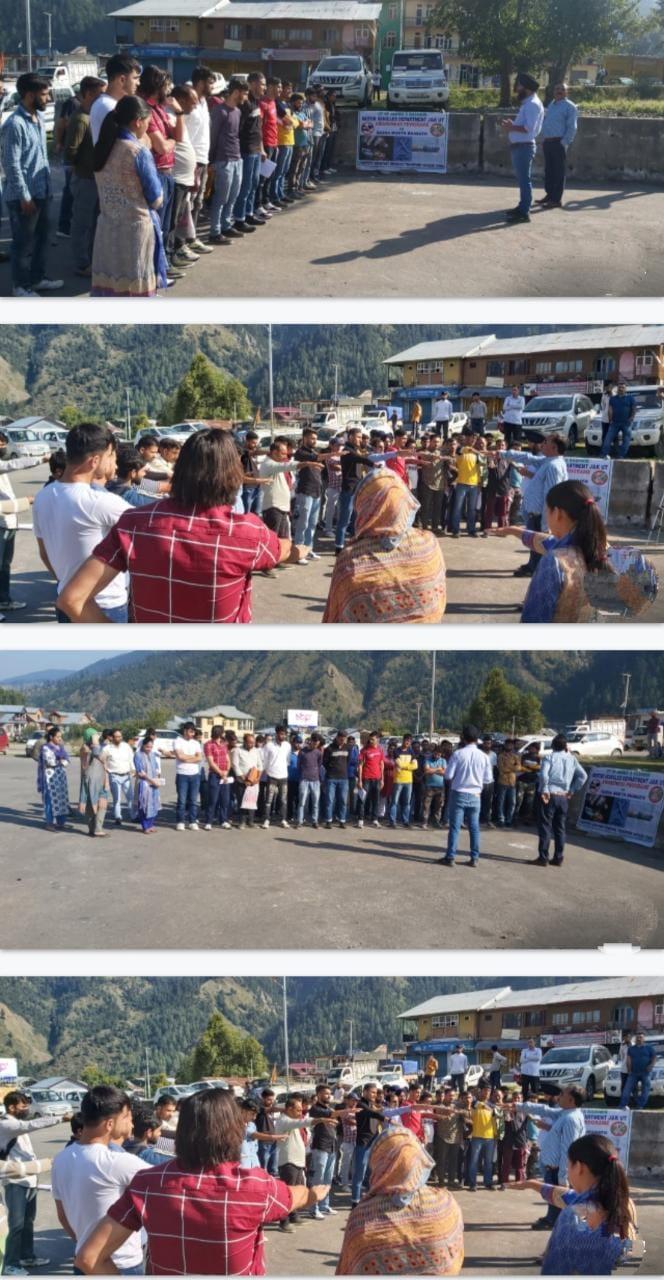
A pledge was also administered by ARTO Doda Er Kuldeep Singh and MV Inspector Jasbir Singh to the participants.