Category: Uncategorized

  • JMC Launches ‘Catch Rain’ Campaign at Government High School, Gandhi Nagar

    JMC Launches ‘Catch Rain’ Campaign at Government High School, Gandhi Nagar

    JMC Launches ‘Catch Rain’ Campaign at Government High School, Gandhi Nagar

    Over 1,000 rainwater harvesting structures to be installed in schools

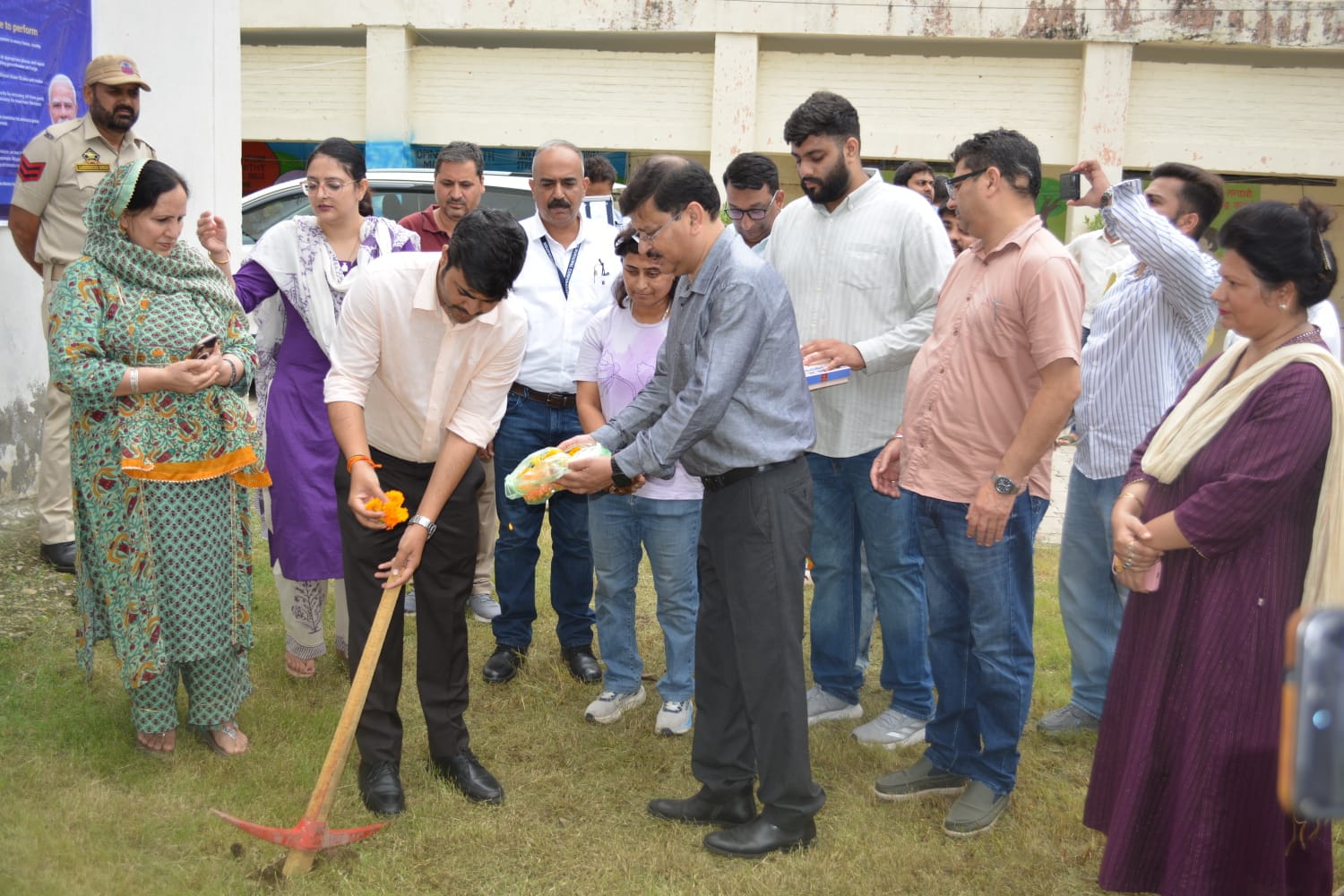
    JAMMU, JULY 31: The Jammu Municipal Corporation (JMC) has officially launched the ‘Catch the Rain’ campaign, aligning with the nationwide Jal Sanchay Jan Bhagidari (JSJB) initiative. The launch took place with a groundbreaking ceremony for a rooftop rainwater harvesting structure at Government High School, Gandhi Nagar. JMC Commissioner Dr. Devansh Yadav inaugurated this important initiative.

    Here’s the thing: Dr. Yadav emphasized the significance of rainwater harvesting as a sustainable solution for conserving water and recharging groundwater. He explained how rainwater, which typically goes to waste through drains and nallahs, can now be effectively collected from school rooftops. This water will be directed through specially designed pipelines to recharge the groundwater table, which is essential for maintaining local water resources. The impact of such systems can be profound, especially in areas facing water scarcity.

    During the ceremony, Dr. Yadav announced an ambitious plan to develop more than 1,000 rooftop rainwater harvesting structures across schools in the area. But it doesn’t stop there. Similar structures will also be installed in government buildings, with rainwater harvesting becoming a mandatory requirement for all new building permissions issued by the JMC. This proactive approach demonstrates the JMC’s commitment to sustainable development. By implementing these measures, the JMC aims to significantly reduce the reliance on traditional water sources, thereby promoting environmental sustainability.

    What most people miss is the educational aspect of this initiative. During the program, students and teachers were actively engaged in discussions about water conservation. They learned about the crucial role of rainwater harvesting in fostering a sustainable future. Dr. Yadav took the time to interact with the students, encouraging them to become ambassadors for water conservation. Engaging young minds is vital, as they will be the stewards of our planet’s resources in the future. The initiative aims to instill a sense of responsibility regarding water usage among the youth.

    As part of the event, he distributed sweets among the students, creating a positive atmosphere for learning. Everyone present took a pledge to conserve water and support the ‘Catch the Rain’ campaign, reaffirming their commitment to preserving water resources for future generations. This pledge is not just symbolic; it serves as a foundation for ongoing discussions and actions related to water conservation in the community.

    The month-long campaign will include various awareness programs, community outreach activities, and the promotion of rainwater harvesting practices throughout Jammu city. This is a vital step towards educating the community about the importance of water conservation and the practical measures they can take to contribute. Workshops and seminars will be organized to teach residents about the installation and maintenance of these rainwater harvesting systems, ensuring that the community is well-informed and capable of sustaining these efforts long-term.

    The Importance of Community Involvement in Water Conservation

    Community involvement is essential for the success of initiatives like JMC launches ‘Catch Rain’. When individuals understand the benefits of rainwater harvesting, they are more likely to participate actively in the campaign. Local communities can organize clean-up drives to ensure that the areas around harvesting structures remain free of debris, which could otherwise block water flow. This collective action fosters a sense of ownership and responsibility among residents.

    Moreover, the campaign encourages collaboration with local NGOs and environmental groups. These organizations can provide additional resources and expertise, enhancing the overall impact of the initiative. By working together, the JMC and community members can create a robust framework for sustainable water management that can serve as a model for other regions.

    Long-Term Benefits of Rainwater Harvesting

    Implementing rainwater harvesting systems brings numerous long-term benefits that extend beyond immediate water conservation. For instance, these systems can help reduce flood risks during heavy rainfall by capturing excess water and redirecting it for use. Additionally, rainwater is often of higher quality than groundwater, as it is less likely to be contaminated.

    Furthermore, the financial implications of rainwater harvesting cannot be overlooked. By utilizing collected rainwater, schools and government buildings can reduce their dependence on municipal water supplies, leading to lower water bills. Over time, the savings can be redirected towards other essential services or educational programs, enhancing the overall community welfare.

    In conclusion, the ‘Catch the Rain’ campaign is not just about installing structures; it’s about creating a culture of conservation. With over 1,000 rainwater harvesting systems planned, the JMC is setting a powerful example for other regions to follow. By involving students and the community, they’re ensuring that the message of sustainability resonates far beyond the school walls. This initiative not only addresses immediate water concerns but also lays the groundwork for a more water-secure future for Jammu and its residents.
  • DC Reasi chairs DLC meeting; focus on dairy expansion and poultry promotion

    DC Reasi chairs DLC meeting; focus on dairy expansion and poultry promotion

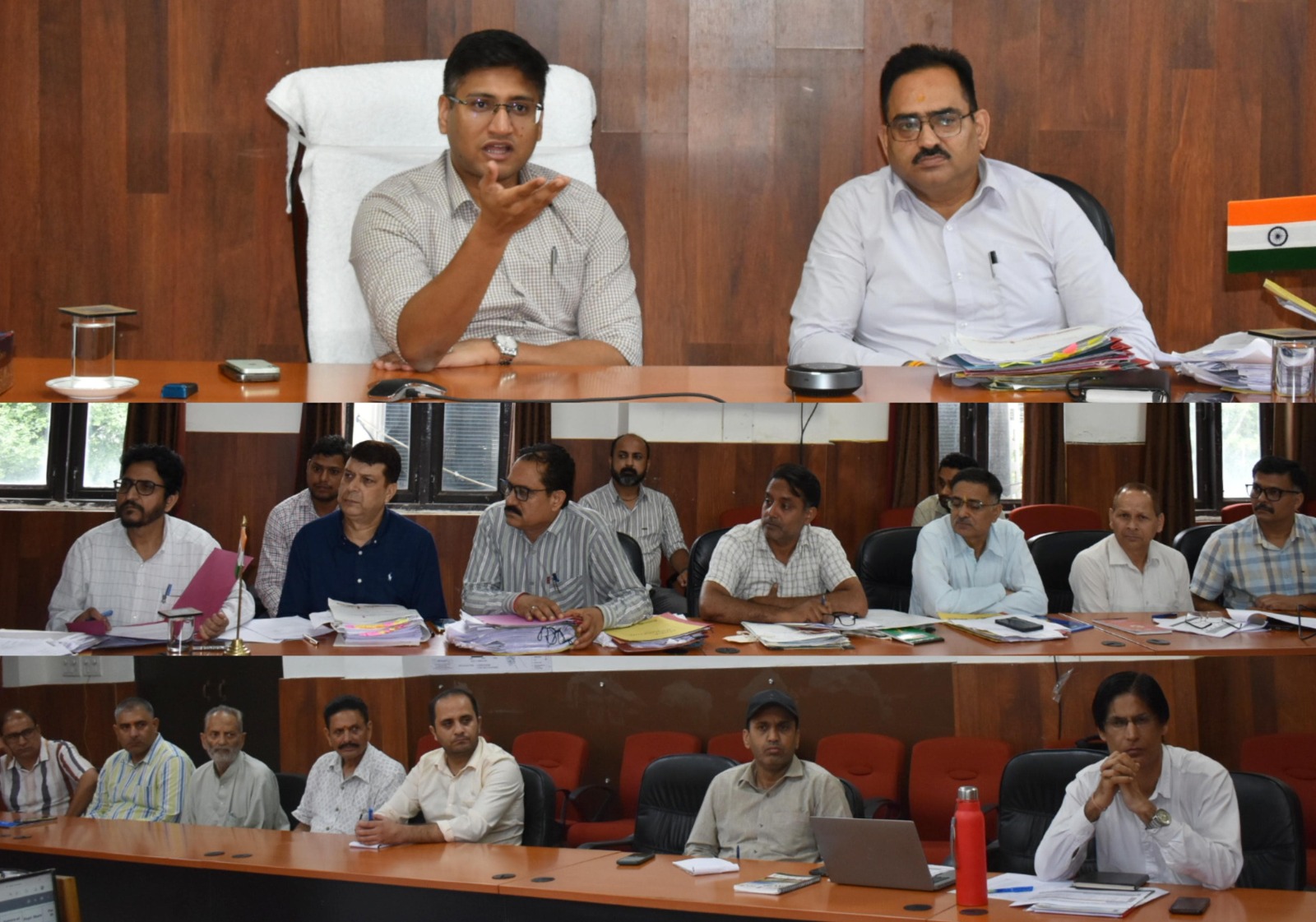
    REASI, JULY 31: Deputy Commissioner Reasi Kumar Abhishek, who is also Chairman of the District Level Committee (DLC), today chaired a meeting at the DC Office Complex to review implementation of the Holistic Agriculture Development Programme (HADP), Jammu and Kashmir Competitiveness Improvement Project (JKCIP) and Pradhan Mantri Matsya Sampada Yojana (PMMSY). The meeting also finalised eligible cases submitted under the schemes for financial assistance.

    The DC reviewed the physical and financial progress under the programmes and assessed the status of agriculture, horticulture, livestock, fisheries and allied sector initiatives. He sought convergence among departments for timely delivery of benefits to farmers and entrepreneurs.

    He directed the departments concerned to expedite processing of eligible cases and complete all proposals before placing them before the Committee, the department concerned to increase dairy units and encourage farmers and unemployed youth to set up poultry units under available schemes and bankers to clear pending loan cases and release timely assistance so that approved projects proceed without delay.

    During the interaction, progressive farmers requested dedicated sale counters for marketing their produce and products. The Deputy Commissioner assured them that sale counters would be set up shortly to improve market access.

    Among those present were Additional District Development Commissioner Krishan Lal, GM DIC Navdeep Wazir, Sheep Husbandry Officer Sarfaraz Nassem Choudhary, the Chief Horticulture Officer, Chief Animal Officers and other officers concerned.

  • ADC Bhaderwah Convenes Review on PWD Development Works

    ADC Bhaderwah Convenes Review on PWD Development Works

    ADC Bhaderwah Reviews PWD Development Works

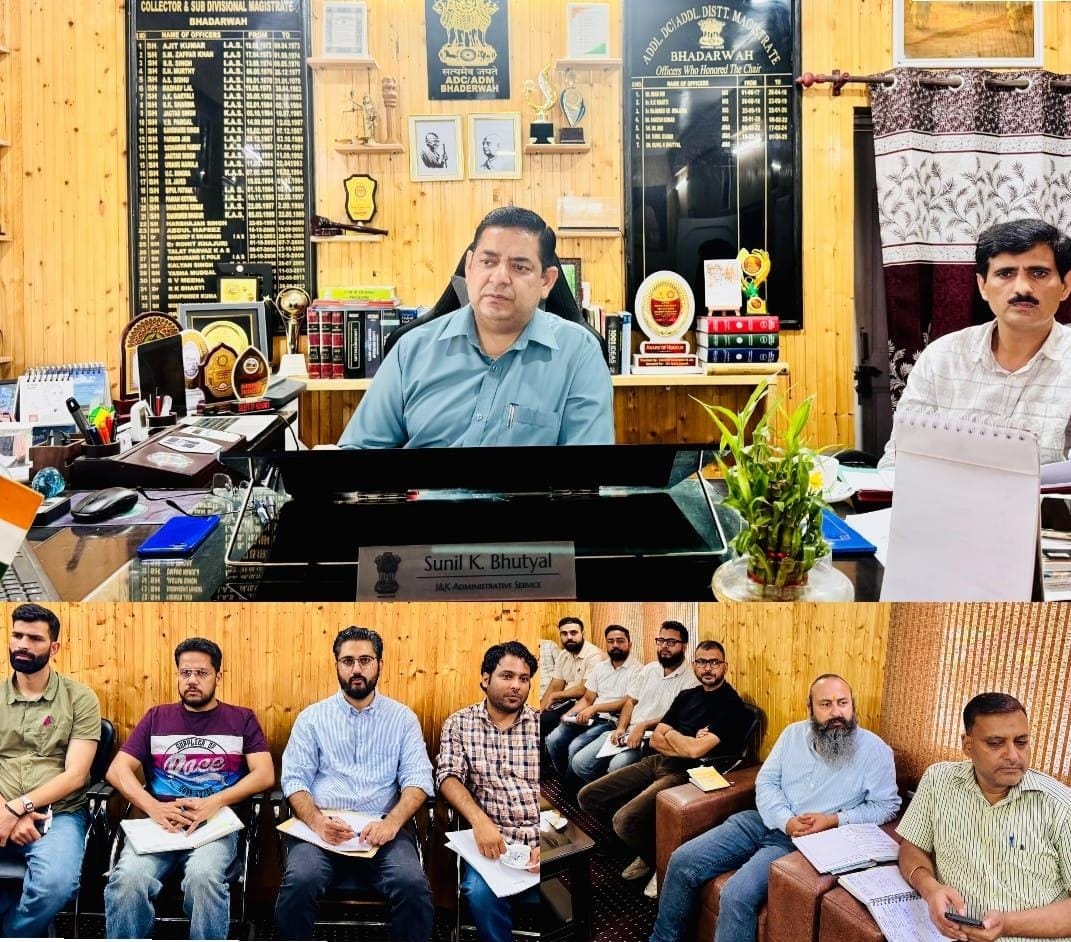
    BHADERWAH, JULY 31: Additional Deputy Commissioner (ADC) Bhaderwah, Sunil Kumar Bhutyal, convened a review meeting at his office to assess the progress of developmental works executed by the Public Works Department (PWD) in Bhaderwah Sub-Division during 2026. This meeting aimed to ensure ongoing and newly sanctioned projects are on track and meet the community’s needs.

    The review covered significant projects like the veterinary building, Higher Secondary School (Boys) Bhaderwah, Higher Secondary School Sartingal, Government Degree College Bhaderwah, Sub-District Hospital Bhaderwah, Chandi Mata Temple Bhaderwah, and Gupt Ganga Temple. Each of these projects plays a vital role in enhancing local infrastructure and services.

    During the meeting, the ADC thoroughly examined the progress of works executed by the R&B Division. He emphasized timely completion and quality assurance in all projects. The ADC also discussed the delivery of civic services in the sub-division, highlighting the need for efficient management and accountability.

    Here’s the thing: the ADC directed the officers concerned to provide a comprehensive report detailing all developmental works undertaken by the R&B Department. This report should also include information about civic functions and services provided to the public. Such transparency is crucial for building community trust and engagement.

    Among those present at the meeting were the Assistant Executive Engineer (AEE), R&B, and Junior Engineers from Bhaderwah and Bhalla of the PWD (R&B) Sub-Division. The AEE, R&B Bhaderwah, submitted detailed reports of all ongoing projects being executed by the PWD (R&B) Sub-Division. This collaborative effort ensures that everyone involved is aligned and working towards common goals.

    The real question is how these projects will impact the community. The ADC’s proactive approach in convening this review meeting reflects a commitment to improving infrastructure in Bhaderwah. By prioritizing these developmental works, the local government aims to enhance the quality of life for residents and boost the overall growth of the region.

    For more information on local developments, check out the J&K Sports Council’s junior boys football trials or read about how waste management initiatives are being strengthened in Bandipora.

  • J&K Sports Council Begins Junior Boys Football Trials for National Championship

    J&K Sports Council Begins Junior Boys Football Trials for National Championship

    J&K Sports Council Begins Junior Boys Football Trials for National Championship

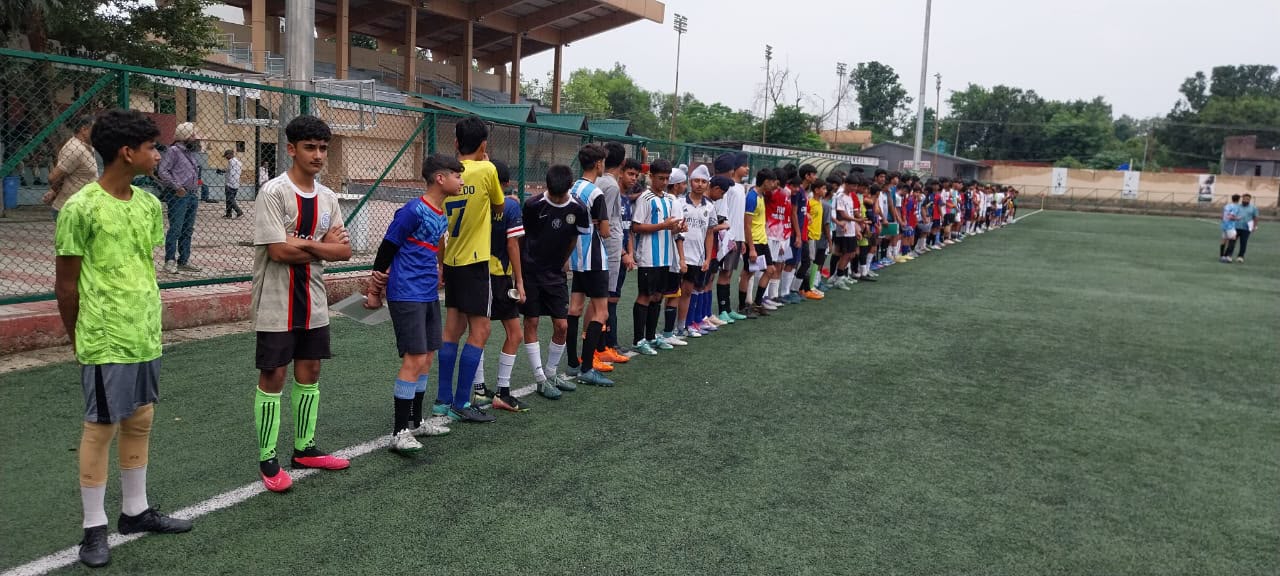
    SRINAGAR, JULY 31: The Jammu and Kashmir Sports Council has kicked off open selection trials for the Junior Boys Football Team, aiming for the 2026-27 Dr. B.C. Roy Trophy National Football Championship. This event is organized under the auspices of the All India Football Federation, and it has attracted an impressive 375 players from across the Union Territory.

    Simultaneous divisional trials began in both Srinagar and Jammu. Players selected from these trials will advance to the UT-level selection camp scheduled for next week in Srinagar. Out of the total registrations, 248 players hail from the Kashmir division, while 127 are from the Jammu division.

    The first day of these divisional trials took place at two venues: the Synthetic Turf Football Stadium, TRC, Srinagar for the Kashmir division and the Mini Stadium Synthetic Turf, Parade Ground, Jammu for the Jammu division. These trials will continue for a second day on August 1, 2026, at the same locations.

    Players who make the cut at the divisional level will move on to the UT level selection trials at the Synthetic Turf Football Stadium, TRC, Srinagar on August 3 and 4, 2026. The trials are open to boys born between January 1, 2011, and December 31, 2012, who are residents of Jammu and Kashmir.

    To participate, players showed up in full playing kits and brought along original birth certificates issued by the Municipal Corporation or a competent authority, Aadhaar cards with recent photographs, and passport-sized photos for the verification process.

    Once selected at the UT level, players will undergo a coaching camp in Srinagar. The final squad will be announced before the team’s screening and departure for the championship. In line with AIFF guidelines, selected players may also be required to undergo Bone Age Verification Tests.

  • 40 Trainee Civil Judges Visit FSL Srinagar for Forensic Science Exposure

    40 Trainee Civil Judges Visit FSL Srinagar for Forensic Science Exposure

    40 Trainee Civil Judges Visit FSL Srinagar for Forensic Science Exposure

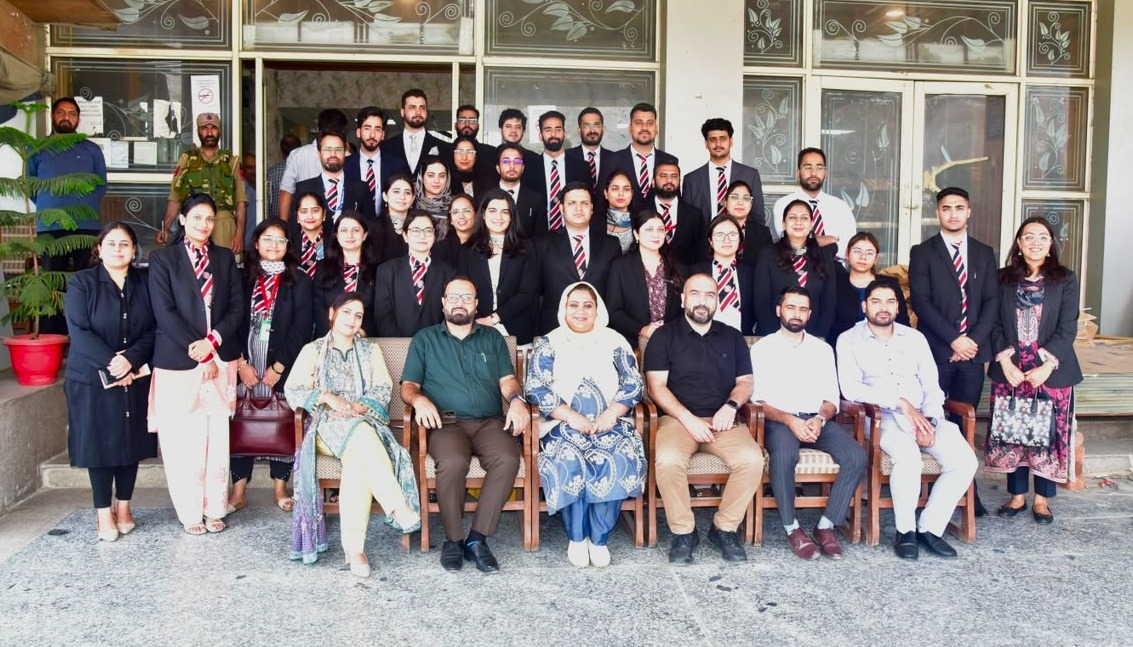
    SRINAGAR, JULY 31: A group of 40 trainee Civil Judges, along with the Secretary of the District Legal Services Authority (DLSA), Srinagar, visited the Forensic Science Laboratory (FSL) in Srinagar today. This visit was part of an exposure programme designed to deepen their understanding of forensic science’s role in the criminal justice system.

    The programme kicked off with an introductory presentation by Sheikh Suhail Ahmad, a Scientific Officer in the Fingerprints Division. He provided an overview of the FSL’s mandate, organizational structure, and scientific capabilities. The presentation highlighted FSL Srinagar’s crucial role in supporting investigating agencies and the judiciary through the scientific examination of evidence.

    After the presentation, the participants embarked on a guided tour of the laboratory, led by Dr. Rais Ahmad, a Scientific Officer in the Narcotics & Chemical Division, and Sheikh Suhail Ahmad. During the tour, the trainee judges engaged with experts across various forensic disciplines. They learned about the operations of different divisions, modern analytical techniques, and quality assurance practices, as well as the scientific procedures involved in examining forensic exhibits.

    Later, Dr. Qazi Danish Mushtaq, the Deputy Director of JKFSL Srinagar, spoke with the visiting judicial officers about the operations of the District Mobile Forensic Units (DMFUs). He emphasized the essential role these mobile units play in providing immediate scientific assistance at crime scenes. They ensure proper collection, preservation, and documentation of physical evidence, facilitating timely forensic support for investigating agencies throughout the Union Territory.

    This exposure programme offered the trainee judges valuable insights into the practical applications of forensic science in criminal investigations and judicial proceedings. The participants actively engaged with forensic experts, discussing the evidentiary value of scientific findings and the importance of forensic reports in promoting fair and effective justice.

    Speaking during the visit, Dr. Mushtaq stated, “The criminal justice system increasingly relies on scientific evidence. Such exposure visits enhance judicial officers’ understanding of forensic processes and foster closer cooperation between the judiciary and forensic experts, which is vital for delivering justice effectively.” Sheikh Suhail Ahmad further noted, “The programme aims to familiarize judicial officers with modern forensic science capabilities and provide firsthand exposure to the scientific procedures used in the laboratory.”

    The visiting officers expressed their appreciation for the state-of-the-art facilities and professional expertise at FSL Srinagar, describing the interaction as highly informative and beneficial. The programme wrapped up with a strong reaffirmation of the need for ongoing collaboration between the judiciary and forensic institutions to strengthen the criminal justice system.

  • Swachhta Launched in Bandipora to Strengthen Waste Management

    Swachhta Launched in Bandipora to Strengthen Waste Management

    DC Calls for Collective Public Participation

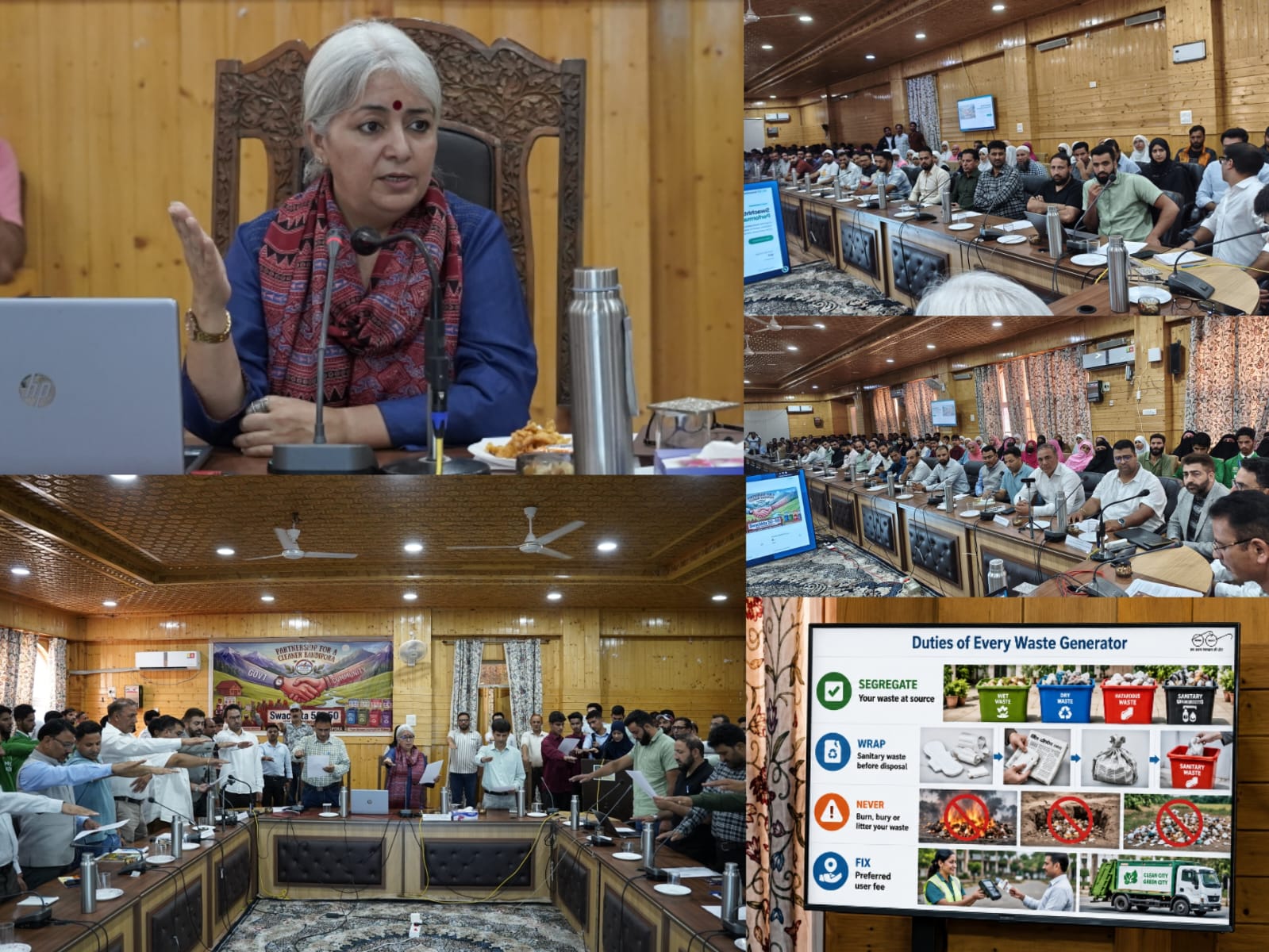
    BANDIPORA, JULY 31: Today, Deputy Commissioner Bandipora, Indu Kanwal Chib, chaired a significant district-level convention marking the formal launch of the “Swachhta 50-50” initiative. This flagship campaign by the District Administration emphasizes a shared responsibility approach—50% government involvement and 50% public participation—for effective and sustainable solid waste management across the district. The event took place at the Conference Hall, Mini Secretariat Bandipora, and attracted various stakeholders, including the Additional District Development Commissioner, Nazir Ahmad Mir, and other key officials.

    The program kicked off with the National Anthem, followed by the Swachhta Pledge led by students from Government Higher Secondary School Quilmuqam. Addressing the attendees, the Deputy Commissioner emphasized that Swachhta 50-50 is more than just a campaign; it’s a movement that requires the collective effort of every stakeholder to succeed. She highlighted that the District Administration had already implemented three major steps towards scientific waste management, with Swachhta 50-50 marking the fourth step in this progressive journey.

    Implementation Strategy for Waste Management

    Here’s the thing: the Deputy Commissioner laid out a clear implementation strategy. After a one-month handholding period, Bulk Waste Generators (BWGs) will need to manage their waste in line with the Solid Waste Management Rules. The District Administration will continue to provide essential technical support and guidance throughout this process. Currently, 89 identified BWGs in the district account for a significant portion of waste generation and will be integrated into this new framework.

    To further support these efforts, exhibitions will be organized to showcase scientific waste management practices. Any challenges faced in rural areas will be addressed through the Assistant Commissioner Panchayat, while urban concerns will be managed by the relevant Municipal Committees. The Deputy Commissioner also shared that the District Administration had successfully executed an Extended Producer Responsibility (EPR) initiative in Gurez, which involved 11 participating companies. Out of these, three companies accepted proposals while others are closely monitoring the district’s waste management initiatives.

    Community Engagement and Educational Initiatives

    The responsibility for the collection and disposal of single-use plastics (SUP) falls on producers under the EPR framework. To ensure sustained implementation, a dedicated coordination group has been established. Furthermore, a specialized portal, Swachhta 50-50, has been created for monitoring and managing the program effectively. The Deputy Commissioner stressed the importance of institutional involvement, stating that every school and Anganwadi Centre should adopt 50 households on a long-term basis. This initiative aims to have students educate their parents about waste management practices.

    Teachers will also play a crucial role by certifying the installation of separate dustbins in households, setting a positive example for the community. The Deputy Commissioner pointed out four key household responsibilities under this initiative: installing separate dustbins for source segregation, home composting of wet waste, timely payment of user fees, and adopting cloth bags to reduce single-use plastic consumption.

    She urged that the initiative should kick off in schools starting Monday and encouraged stakeholders to actively engage shopkeepers in discussions about the importance of using cloth bags. During the convention, Dr. Saptak Rarotra from SWAA highlighted the need for comprehensive educational efforts to ensure the success of these initiatives.

    In summary, the Swachhta 50-50 initiative in Bandipora represents a significant step forward in sustainable waste management, emphasizing the importance of community involvement and shared responsibility. By fostering collaboration between the government and the public, the initiative aims to create a cleaner, more sustainable environment for all residents.

  • Amarnath Yatra Suspended from Baltal Route Due to Weather

    Amarnath Yatra Suspended from Baltal Route Due to Weather

    Amarnath Yatra Suspended from Baltal Route Due to Weather

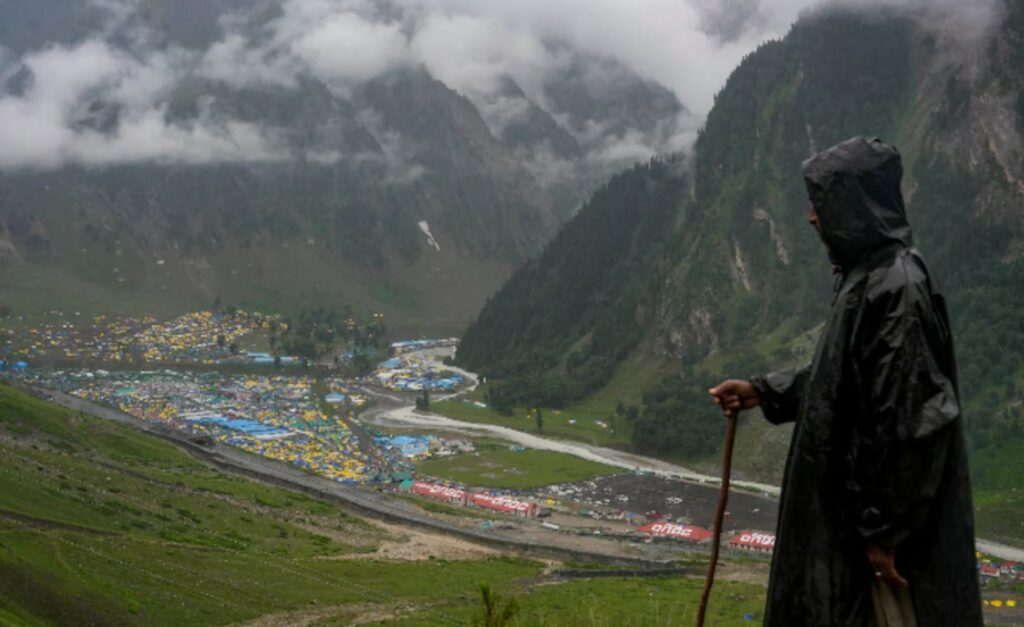
    The annual Amarnath Yatra has officially been suspended from the Baltal route as of Friday. This decision comes in light of adverse weather conditions and ongoing repair work on the track, as confirmed by officials. Heavy rains lashed the Baltal area, causing a minor flash flood. Fortunately, there have been no reported losses in life or property.

    Officials took immediate action to prevent any pilgrim movement towards the holy cave shrine from the Baltal route. They emphasized the necessity of repair work on the path to ensure the safety of devotees. The Amarnath pilgrimage, a significant spiritual journey, has already been curtailed from the Pahalgam route for similar reasons.

    The yatra commenced on July 3, and since then, approximately 4.5 lakh devotees have visited the cave shrine, known for its naturally formed ice lingam, symbolizing Lord Shiva. This annual pilgrimage typically concludes on August 28, coinciding with the auspicious occasion of Raksha Bandhan.

    What most people miss is that this year has brought unique challenges, with inclement weather adversely impacting Yatra activities. Despite ongoing disturbances, officials remain optimistic about resuming the pilgrimage promptly after repairs and weather conditions stabilize. They are committed to ensuring the safety and comfort of devotees.

    Here’s the thing: pilgrims are urged to stay updated through official channels regarding the resumption of the yatra from both Baltal and Pahalgam routes. The authorities are working diligently to restore safe passage for all devotees.

    For those planning to attend, it’s essential to keep an eye on weather forecasts and official announcements. The situation can change rapidly, and being informed will help you make the best decisions for your journey. Remember, safety comes first, and while the spiritual experience is vital, it’s equally important to ensure your well-being during the pilgrimage.

    In the meantime, if you’re looking for updates or further information, you can check reliable news sources or the official Amarnath Yatra website. They provide real-time updates that can be crucial for your travel plans.

    As the authorities work on repairs and monitor the weather, let’s hope for clearer skies ahead. The Amarnath Yatra is not just a journey; it’s a deeply spiritual experience for many, and the community spirit among devotees is something truly special. Stay safe, stay informed, and may your pilgrimage be blessed.

    Understanding the Impact of Weather on the Amarnath Yatra

    The decision to suspend the Amarnath Yatra from the Baltal route highlights the significant impact of weather conditions on this revered pilgrimage. Every year, thousands of pilgrims undertake this journey, which traverses challenging terrains and fluctuating weather patterns. The heavy rains that recently hit the Baltal area serve as a reminder of the unpredictable nature of the region’s climate, which can change rapidly and dramatically.

    Weather-related disruptions are not uncommon during the Yatra season. In previous years, similar conditions have led to the suspension of the pilgrimage, affecting thousands of devotees. This year, the combination of heavy rainfall and ongoing repair work has prompted authorities to prioritize safety above all else. The quick response from officials reflects a commitment to protecting the well-being of those undertaking this sacred journey.

    Preparation Tips for Pilgrims

    For those planning to embark on the Amarnath Yatra, preparation is key. Understanding the potential risks and staying informed can make a significant difference in your experience. Here are some practical tips to keep in mind:

    • Stay Updated: Regularly check weather forecasts and official announcements regarding the status of the Amarnath Yatra. This will help you plan your journey effectively.
    • Pack Appropriately: Given the unpredictable weather, ensure you pack waterproof clothing, sturdy footwear, and other essentials to keep you comfortable during your pilgrimage.
    • Health Precautions: Carry necessary medications and stay hydrated. The altitude and physical exertion can take a toll on health, so being prepared is crucial.
    • Travel Insurance: Consider obtaining travel insurance that covers weather-related disruptions. This can provide peace of mind during your journey.

    By taking these precautions, you can enhance your pilgrimage experience, ensuring that your focus remains on the spiritual significance of the Amarnath Yatra. The journey is as much about personal reflection and devotion as it is about the physical trek.

    As the Amarnath Yatra remains suspended from the Baltal route, it’s important to remember the essence of the pilgrimage. Many devotees view this journey as a path to spiritual awakening, and despite the challenges faced this year, the determination and faith of pilgrims continue to shine through.

    In conclusion, while the Amarnath Yatra is currently suspended due to weather conditions, the spirit of the pilgrimage remains unbroken. Authorities are working tirelessly to ensure that safety protocols are in place for when the journey can resume. Stay informed, stay safe, and may your preparation for the Amarnath Yatra be filled with hope and devotion.

  • Reasi Police Attach Properties of Five Pakistan-Based Terror Handlers

    Reasi Police Attach Properties of Five Pakistan-Based Terror Handlers

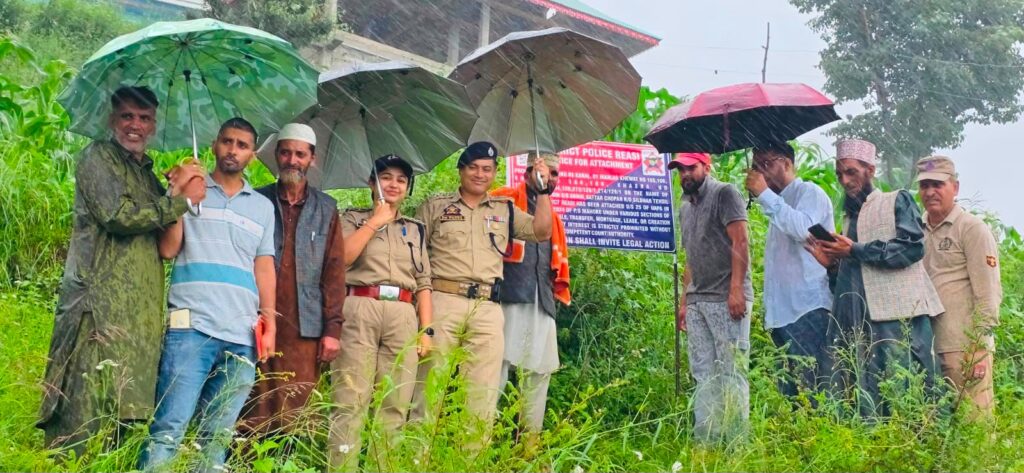
    In a major action against the terror ecosystem, Reasi Police on Thursday attached the immovable properties of five Pakistan-based terror handlers during the investigation of a terror-related case registered at Police Station Mahore.

    According to police, the action was taken in connection with FIR No. 70/2024 registered under relevant provisions of the Bharatiya Nyaya Sanhita (BNS), the Unlawful Activities (Prevention) Act (UAPA) and the Enemy Agents Ordinance/related applicable law.

    The attachment proceedings were carried out by a police team led by Sub-Divisional Police Officer (SDPO) Mahore Parul Bhardwaj, along with the Station House Officer (SHO) of Police Station Mahore, in the presence of the Executive Magistrate, Mahore, and local witnesses.

    Police attached immovable properties allegedly belonging to five accused who, according to the investigation, are currently operating from Pakistan as terror handlers. The attached properties include seven kanals of land belonging to Alaf Din of Shajroo, 10 kanals and 11 marlas belonging to Ghulam Mohammad alias Gamma of Shajroo, 17 marlas belonging to Mohammad Ashraf of Chakrass (Mulass), seven kanals and three marlas belonging to Shabir Ahmad of Chakrass (Jamsalan), and eight kanals and one marla belonging to Bihar Din of Sildhar.

    According to investigators, credible evidence established that the accused had exfiltrated to Pakistan for terrorist training and are presently operating from across the border, where they are allegedly promoting, facilitating and coordinating terrorist activities.

    The investigation further revealed that the attached properties were liable to be alienated and that the proceeds could have been used to finance and sustain terrorist operations, police said.

    Following approval from the Police Headquarters, Jammu and Kashmir, the properties were attached under the relevant provisions of the Unlawful Activities (Prevention) Act, 1967, to prevent their alleged misuse for terror financing.

    Police said the action reflects its continued efforts to dismantle the financial infrastructure supporting terrorism by targeting assets linked to terror operatives and preventing the flow of resources to anti-national elements.

    Reasi Police reaffirmed its commitment to combating terrorism through stringent legal measures and ensuring lasting peace, security and public safety in the region.

  • Committee on Public Undertakings reviews CAG Audit Paras of JKPDC, JAKEDA

    Committee on Public Undertakings reviews CAG Audit Paras of JKPDC, JAKEDA

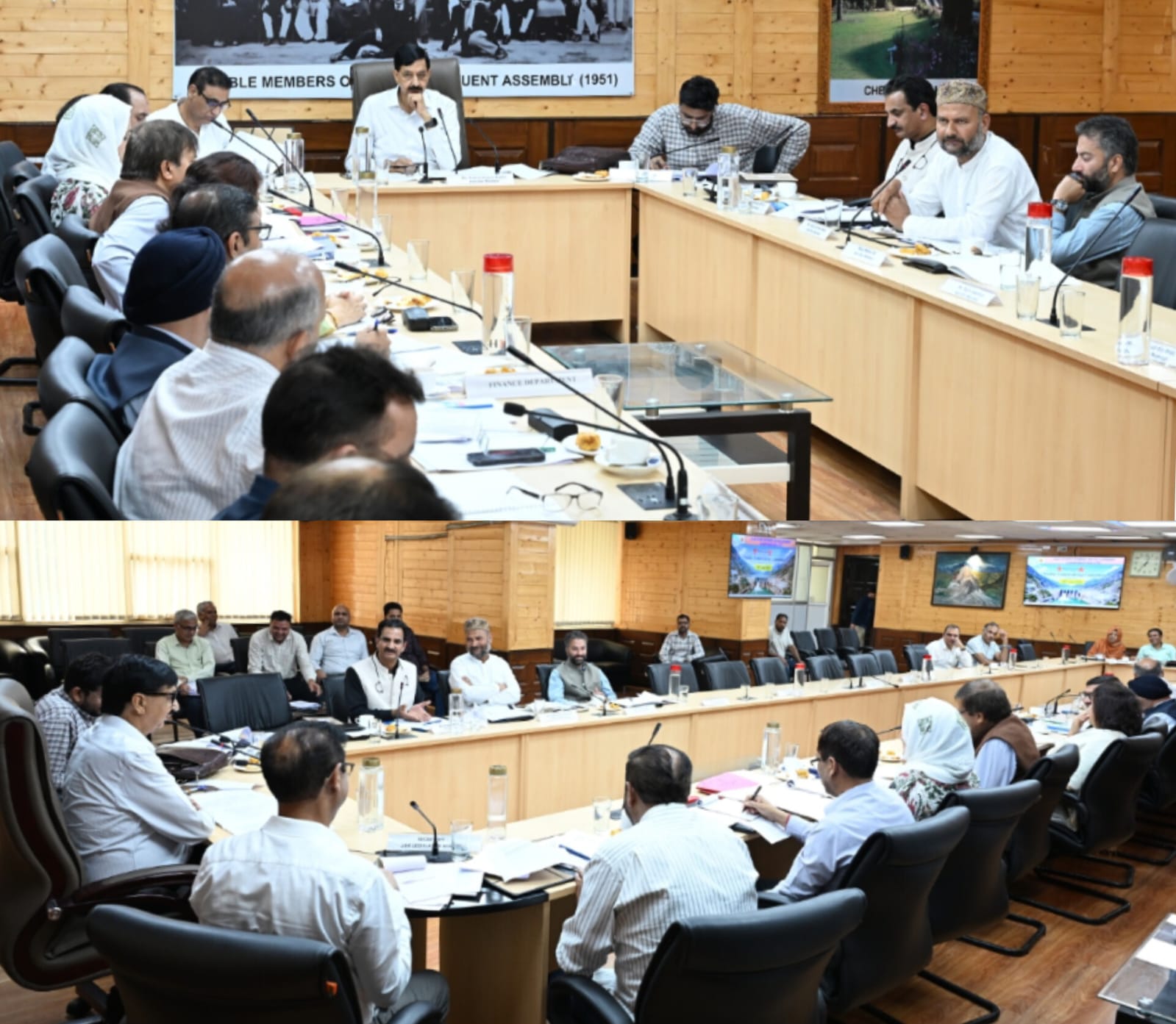
    SRINAGAR, JULY 29: The Committee on Public Undertakings (PUC) of the Jammu and Kashmir Legislative Assembly today held a meeting at the Legislative Assembly Complex here to examine the Audit Paras relating to the Jammu and Kashmir Power Development Corporation (JKPDC) and the Jammu and Kashmir Energy Development Agency (JAKEDA), as contained in the Comptroller and Auditor General (CAG) Audit Reports for the years 2018-19 and 2020-21.

    The meeting was chaired by Pawan Kumar Gupta and attended by Mian Mehar Ali, Reyaz Ahmad Khan and Rafiq Ahmad Naik, Members of the Committee.

    Additional Chief Secretary, Power Development Department; Managing Director, Jammu Power Distribution Corporation Limited (JPDCL); Managing Director, Jammu and Kashmir Power Development Corporation (JKPDC); Managing Director, Jammu and Kashmir Power Transmission Corporation Limited (JKPTCL); Managing Director, Kashmir Power Distribution Corporation Limited (KPDCL); senior officers of the Jammu and Kashmir Energy Development Agency (JAKEDA) and other concerned officers, besides Secretary JKLA, Manoj Kumar Pandit also attended the meeting.

    During the meeting, the Committee undertook a comprehensive review of the audit observations concerning the functioning of JKPDC and JAKEDA. Detailed deliberations were held on the issues highlighted in the Audit Reports, with emphasis on the status of compliance, corrective measures undertaken by the concerned agencies and the progress achieved in addressing the audit observations.

    The Committee impressed upon the officers to ensure timely and effective compliance with the recommendations of the CAG and stressed the need for strengthening internal financial controls, improving operational efficiency and institutional accountability. It also underscored the importance of adopting a proactive approach towards addressing audit observations to promote transparency, prudent financial management and effective utilisation of public resources.

    The Committee reiterated that regular monitoring and prompt implementation of corrective measures are essential for enhancing the performance of public sector undertakings and ensuring greater accountability in governance.

  • MLA Devsar, DC Kulgam visits flash flood affected areas of Dardgund, Bangdar

    MLA Devsar, DC Kulgam visits flash flood affected areas of Dardgund, Bangdar

    Assess damages, provide immediate relief and financial assistance to affected families

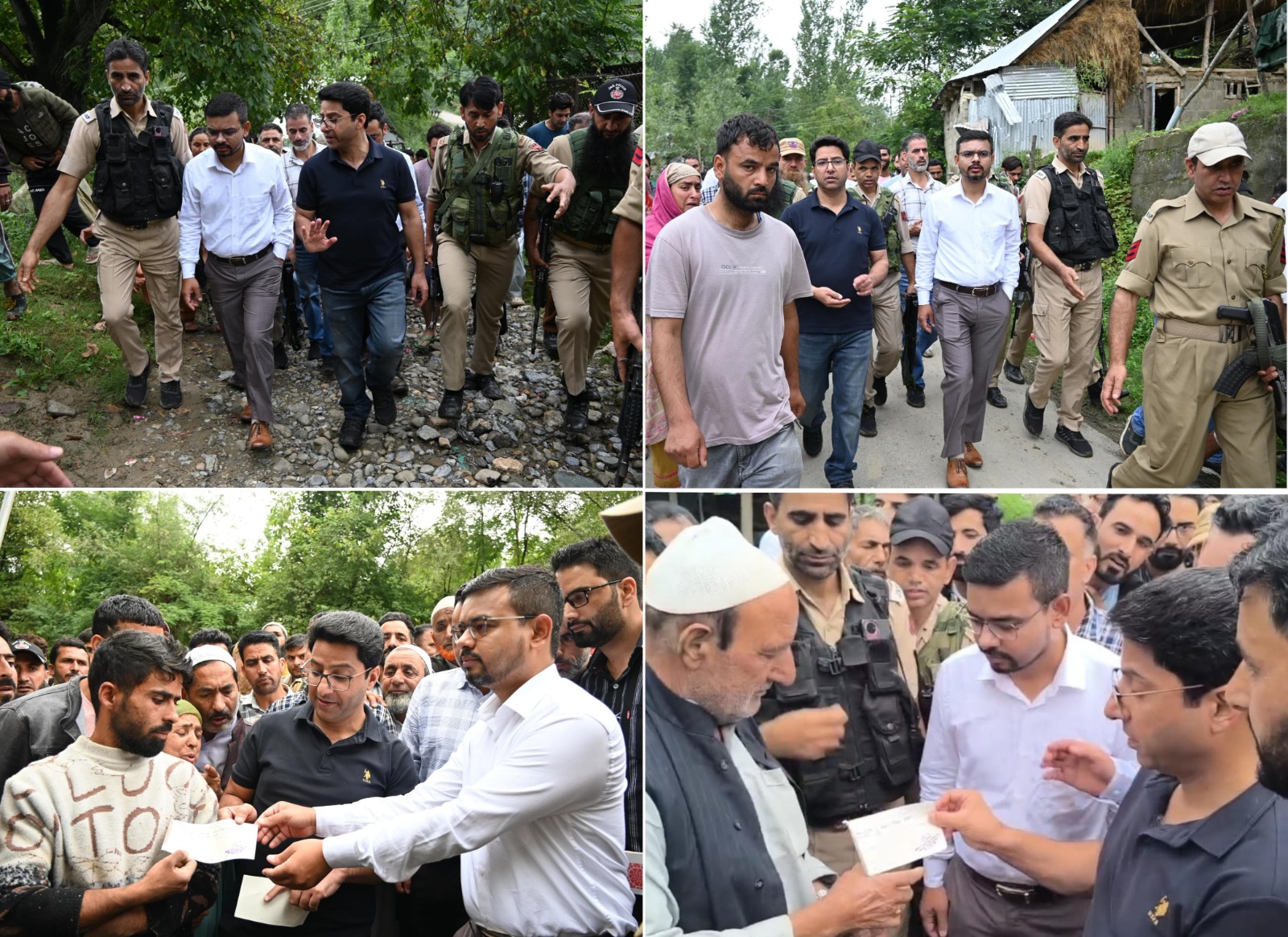
    KULGAM, JULY 29: Member of Legislative Assembly (MLA) Devsar, Peerzada Feroze Ahamad and Deputy Commissioner (DC) Kulgam, Shahzad Alam today visited the flash flood-affected areas of Dardgund, Bangdaar and adjoining localities of Tehsil Devsar to take stock of the situation arising out of the sudden cloudburst that hit the area yesterday.

    During the visit, the duo interacted with the affected families and undertook an on-the-spot assessment of the damage caused to residential structures, agricultural land, orchards and public infrastructure due to the flash floods triggered by the cloudburst.

    They were accompanied by Tehsildar Devsar, Block Development Officer (BDO) and officers of various line departments, who briefed them on the extent of damage and the immediate relief and restoration measures being undertaken in the affected areas.

    As part of immediate relief measures, cash compensation and food kits were distributed among the affected families on the spot.The DC also directed the concerned line departments to carry out immediate restoration of damaged infrastructure, including roads, water and power supply, and to remain on alert in view of the prevailing weather conditions.

    The MLA assured the affected people of all possible support from the administration and appealed to the residents of vulnerable areas to remain cautious.