Category: Uncategorized

  • Yoga Awareness camp organised by Department of Swasthavritta and yoga GAMC Akhnoor

    Yoga Awareness camp organised by Department of Swasthavritta and yoga GAMC Akhnoor

    Under the Guidance of Respected Principal Dr Shashi Sudan mam, Nodal Officer Dr Narinder Sharma sir and AO Smt Seema Rani mam and Accounts Officer Sh Surjeet Kumar sir Today a Yoga Awareness and live yoga Session was organised by Department of Swasthavritta and yoga Government Ayurvedic Medical college Akhnoor at Government High school Ranjan Thathi Akhnoor.

    As International Yoga day is coming, in this regard Swasthavritta and yoga Department is conducting various Yoga activities in college and outside college to aware community and students.

    Dr Abhishek Magotra Associate professor, Dr Sheetal Gupta Assistant professor and Archna Sharma yoga teacher from Department of Swasthavritta and yoga conducted the event. Sh kuldeep kumar ( incharge Head master) , Smt Santosh Kumari teacher, other staff and students of the school participated in the event. Sh Ankush Sharma Accounts Assistant and Anisa, Shaghun ,Nawaz and Rahil all students of third prof also participated in the event.

  • DC Srinagar holds meeting with Traders/Transporter Unions of Batamaloo

    DC Srinagar holds meeting with Traders/Transporter Unions of Batamaloo

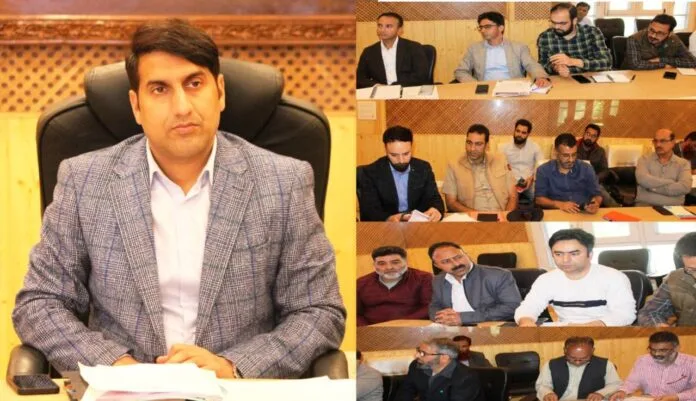
    SRINAGAR MAY 26: In order to ensure smooth plying of traffic in Batamaloo area and facilitate the passengers, a meeting was held under the Chairmanship of Deputy Commissioner (DC) Srinagar, Mohammad Aijaz  Asad here at Conference Hall of the DC Office Complex.

     Vice Chairman, Srinagar Development Authority, Haris Ahmad Handoo, Additional Deputy Commissioner, Srinagar, Shabir Ahmad, Regional Transport Officer, Kashmir, Syed Shahnawaz Bukhari, SP Traffic Tariq Ahmad, Chief Planning officer, Mohammad YAseen Lone, Superintending Engineer R&B, Sajad Naqeeb, Assistant Commissioner Revenue, Raies Ahmad Bhat, SDM, West, Primroze Bashir, Tehsildar Headquarter, and other officers.

     The meeting was held in light of the High Court directions regarding the representations of the various Unions of the Batamaloo Bus Stand.

     At the outset, a detailed discussion was held related to the concerns raised by the Traders Association Batamaloo including problems being faced by wholesalers/distributors in supplying goods to dealers and intervention required for smooth movement of vehicles for supply of essential goods in the local markets, besides decongest the area and ensure smooth flow of traffic movement of pedestrians.

    The Traders also demanded for designating a particular area for parking/stand of commercial vehicles in the area to facilitate the local wholesale traders and commuters visiting the market/Bus Stand which has been shifted to Parimpora few years back.

     The Deputy Commissioner gave a patient hearing to the members of the trade delegation and assured them that they will look into the matter based on the directions of the High Court and will come out with a solution in order to improve the transportation facility in Batamaloo area so that local traders, commuters and public in general don’t face any difficulties. 

    On the occasion, the DC asked the Team headed by ADC to explore possibilities for addressing the issues of the Traders. He asked the officers to conduct field visits to the area and draft some pragmatic plan at the earliest

  • DM Kishtwar asks stakeholders to launch mass awareness campaign against drug menace

    DM Kishtwar asks stakeholders to launch mass awareness campaign against drug menace

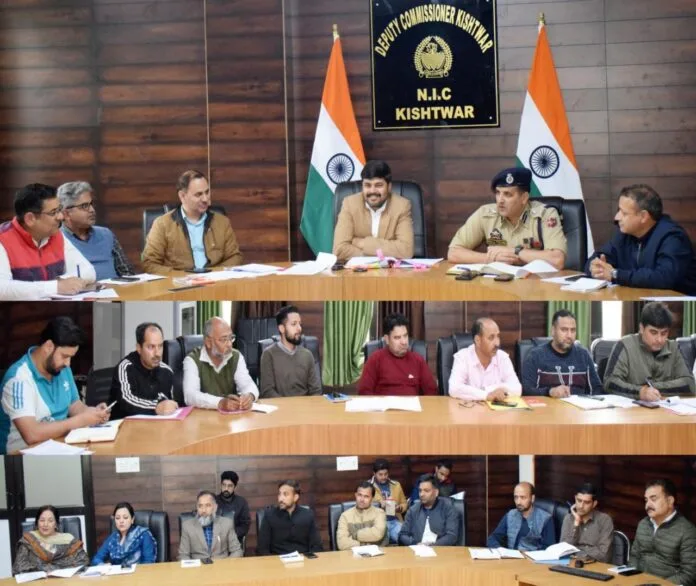
    KISHTWAR, MAY 26: District Magistrate Kishtwar, Dr. Devansh Yadav chaired a meeting of the Narco Coordination (NCORD) Committee here in his Office to review the progress towards eradication of drug trafficking and rehabilitation of drug addicts.

    He sought Action Taken Report on the implementation of the directives issued in previous meetings and formulation of future course of action to contain the menace.

    In-depth discussions were held regarding the incidence of drug addiction, areas of concern, age groups affected by addiction, and the identification of hotspots for drug use and illicit cultivation of substances such as poppy and cannabis within the district, identification of Nasha Mukt Panchayats in the district and strategies to intensify the awareness activities.

    During the meeting, the Committee members presented the latest report on the control of drug addiction and trafficking in the district.

    SSP Kishtwar, Khalil Ahmed Poswal, provided an update on the stringent actions taken against drug peddlers, resulting in the apprehension of 20 individuals under the Narcotic Drugs and Psychotropic Substances (NDPS) Act.

    The Law enforcement authorities were directed to intensify their efforts to contain drug-related activities.

    Emphasizing the need for strict enforcement of drug control regulations, District magistrate Kishtwar  instructed the Drug Inspector to ensure the mandatory maintenance of records for the sale of psychotropic drugs by medical stores, along with the installation of CCTV cameras in all medical shops.

    Furthermore, Dr. Devansh Yadav-IAS called for a comprehensive campaign to combat poppy cultivation in the district.

     Recognizing the importance of awareness, he urged stakeholders to intensify a mass awareness campaign across the entire district, involving individuals from all segments of society, including school children, youth, Panchayati Raj Institutions (PRIs), and the general public.

    The Nodal Officer of the Addiction Treatment Facility at District Hospital Kishtwar reported that 107 individuals have been registered for de-addiction treatment. DM Kishtwar stressed the need for appropriate care and treatment of the patients.

    Additionally, He also emphasized the importance of training for Magistrates besides the authorities were directed to conduct a two-day training session in the first week of June 2023 for Self-Help Groups (SHGs), Accredited Social Health Activists (ASHAs), Anganwadi Workers (AWWs), Nodal Officers of educational institutions, including Government Degree Colleges (GDCs).

    The DM also proposed a series of measures and urged all concerned departments and institutions to work in close coordination at different levels to combat drug trafficking effectively.

    DM announced that the District Social Welfare Officer (DSWO) Kishtwar will produce a special short film on de-addiction, engaging local artists.

    Recognizing the significance of artistic expression and its impact on society, Dr. Devansh Yadav encouraged the involvement of local artists in this initiative. The short film aims to connect with the community on a deeper level, conveying the message of hope, resilience, and the importance of seeking help for those struggling with addiction.

    Dr. Devansh Yadav reaffirmed the commitment of the district administration to address the drug menace comprehensively and pledged continuous efforts to ensure a drug-free environment in Kishtwar.

    The meeting was attended by SSP Kishtwar, ADC Kishtwar, PO ICDS, ACD Kishtwar, Tehsildar HQ,DSWO, Nodal Officer ATF, besides other members of Committee.

  • Active COVID Cases Decrease to 5,707 with 490 New Cases Reported in 24 Hours

    Active COVID Cases Decrease to 5,707 with 490 New Cases Reported in 24 Hours

    New Delhi, May 26: According to updated data from the Union Health Ministry, India reported 490 new coronavirus infections, while the number of active cases decreased from 6,168 to 5,707 on May 26. The death toll has reached 5,31,856 with two additional deaths. The total COVID-19 case tally stands at 4.49 crore (4,49,88,916).

    The Ministry stated that active cases now constitute 0.01% of the total infections, and the national COVID-19 recovery rate stands at 98.80%. The number of individuals who have recovered from the disease has surged to 4,44,51,353, with a fatality rate recorded at 1.18%.

    As per the Ministry’s website, the nationwide vaccination drive has administered 220.66 crore doses of COVID vaccine to date.

  • CS appreciates team work for successful conduct of G20 meeting

    CS appreciates team work for successful conduct of G20 meeting

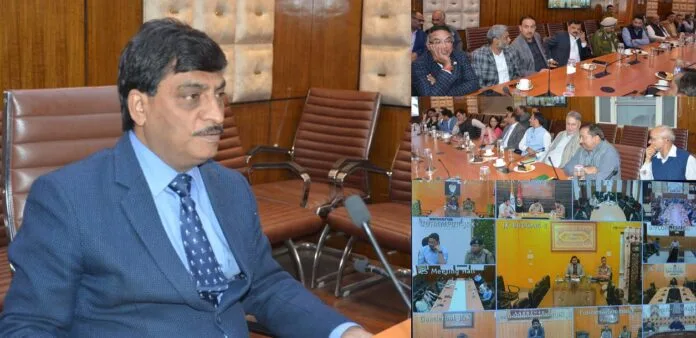
    SRINAGAR, MAY 26: Chief Secretary, Dr Arun Kumar Mehta appreciated hard work of all Officers including Administrative Secretaries and Police Officers under the leadership of Lieutenant Governor for their commendable role in making the G20 Tourism Working Group meeting held during May 22-24 at Srinagar a grand success.

    Dr Mehta remarked that all the officers and Departments had put in their  best foot forward for smooth conduct of this event. He said  that the breath taking locations coupled with exemplary hospitality has made its mark. He stated that it is obvious that the elaborate arrangements made for such an international event demands great effort and synergy which the administration from top to bottom demonstrated here superbly.

    He further added that people of J&K have few to match when demonstrated that when it comes to hospitality.  He thanked all elected representatives of Municipal Bodies, PRIs, Mayors, DDC Chaipersons,  various organizations, Civil Societies, Universities, Colleges, Educational Institutions,  prominent persons and above all people for their positive role.

    He also thanked all DCs and SSPs and their teams for their efforts. He specially thanked ACS Home team led by DGP; Special DG, CID; Principal Secretary, R&B; ADGP, Security; ADGP, Jammu and Kashmir;  Divisional Commissioners; Commissioner Secretary, Floriculture; Secretary, Tourism; Secretary, Youth Services & Sports;  Municipal Commissioner  Srinagar and all other officers for their valuable contributions.

    He observed J&K has moved into an era of prosperity and development which has enabled it to hold such an international event. The Chief Secretary said that holding of the event would facilitate many other such national and international events.

    Dr Mehta enquired from all the officers about their experience during the meeting. He said that feedback from the event would definitely help us in making even better arrangements next time. He thanked them for their untiring efforts during past few weeks for making excellent arrangements and noted that the role played by hundreds of employees from different departments would be remembered and act as a barometer for times to come.

  • Sengol Relocates to Delhi: New Parliament Building to House Installation

    Sengol Relocates to Delhi: New Parliament Building to House Installation

    New Delhi , May 26 : The iconic ‘Sengol’ from the Allahabad Museum finds a new home in the national capital ahead of the inauguration of the new Parliament building. The golden ‘Sengol,’ symbolizing the transfer of power from the British to India, will be preserved as a historic legacy within the new Parliament premises.

    Waman Wankhede, the Curator of the Allahabad Museum, confirmed that the entire collection of former Prime Minister Jawaharlal Nehru, including the significant ‘Sengol,’ had been transferred to the National Museum last year.

    Speaking to ANI, Waman Wankhede stated, “Former PM Nehru laid the foundation stone of this museum. He generously donated over 1200 artifacts to the Allahabad Museum under the curatorship of SC Kala. Nehru wished for his entire collection to be housed here, including this precious golden staff.”

    Describing the ‘Sengol,’ he added, “The stick measures 162 cm in length and is adorned with a golden polish. It was transferred to the national museum on November 4, 2022.”

    Prime Minister Narendra Modi has made the decision to adopt the ‘Sengol’ as a national symbol of the Amrit Kaal (Golden Era). The grand ceremony will take place in the new Parliament building, where Adheenam (Priests) will reenact the historic event, vesting the Prime Minister with the ‘Sengol.’

    The very same ‘Sengol’ that symbolized India’s independence in 1947 will be prominently installed by the Prime Minister in the Lok Sabha, positioned near the Speaker’s podium. It will be showcased to the nation and brought out on special occasions, further enhancing its significance and historical value.

  • Who is Rupali Barua? Actor Ashish Vidyarthi gets married again at 60

    Who is Rupali Barua? Actor Ashish Vidyarthi gets married again at 60

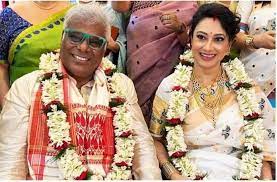
    Veteran actor Ashish Vidyarthi got married for the second time on Thursday. He had an intimate registry marriage with Rupali Barua in a Kolkata club as per multiple reports. Pictures from their wedding have now surfaced online.

    They say it’s never too late to embark on new journeys in life, and this sentiment was exemplified when renowned Bollywood actor Ashish Vidyarthi tied the knot with Rupali Barua on May 25, 2023. In an intimate ceremony, the 60-year-old actor said “I do” to Rupali Barua, an entrepreneur hailing from Assam. Ashish Vidyarthi, a veteran of the film industry, has showcased his acting prowess in numerous Hindi, Telugu, Tamil, Kannada, Malayalam, and other regional films. Prior to this marriage, Ashish Vidyarthi was wedded to Rajoshi Barua, the daughter of yesteryear actress Shakuntala Barua. Now, the question arises:

    Who is Ashish Vidyarthi’s new wife, Rupali Barua? To unveil the answer, let’s delve further into the details.

    According to reports from Assamese media portals, Rupali Barua is a native of Guwahati and is involved with a prestigious fashion store in Kolkata. She is a fashion entrepreneur and has been associated with this upscale establishment. In an interview, Rupali shared that she and Ashish had met some time ago and decided to take their relationship to the next level. When asked about their story, Ashish Vidyarthi simply mentioned that it was a long tale that they would share another time.

    When questioned about what she admires in Ashish, Rupali expressed, “He is a wonderful human being and a delightful companion.” Ashish Vidyarthi, born on June 19, 1962, in Delhi, has an extensive acting career spanning over 200 films across 11 languages. Prior to marrying Rupali Barua, the actor was married to Rajoshi Barua, an Indian actor, singer, and theater artist.

    Regarding their wedding, Ashish Vidyarthi stated in an interview, “At this stage of my life, marrying Rupali is an extraordinary feeling. We had a court marriage in the morning, followed by a celebratory gathering in the evening.”

  • Ayurveda and Stress: Unlocking the Healing Power of Natural Medicine

    Ayurveda and Stress: Unlocking the Healing Power of Natural Medicine

    In our fast-paced and demanding world, stress has become a prevalent issue affecting the well-being of countless individuals. The constant pressure and challenges of daily life can take a toll on our physical, mental, and emotional health. While there are various approaches to managing stress, Ayurveda, the ancient Indian system of medicine, offers profound insights and effective remedies to unlock the healing power of natural medicine and restore balance in our lives.

    Understanding Stress from an Ayurvedic Perspective

    Ayurveda views stress as an imbalance in the doshas, the three vital energies that govern our body and mind. These doshas, known as Vata, Pitta, and Kapha, can become aggravated due to factors such as improper diet, lack of sleep, emotional disturbances, and environmental influences. When the doshas are imbalanced, it leads to a disruption in the natural flow of energy, resulting in physical and psychological symptoms of stress.

    1. Balancing the Doshas

    One of the fundamental principles of Ayurveda is to balance the doshas to achieve optimal health and well-being. Through a personalized approach, Ayurvedic practitioners identify your unique doshic constitution and recommend lifestyle modifications, dietary changes, and herbal remedies to restore balance.

    • Vata Balancing: If Vata dosha is dominant, individuals may experience anxiety, restlessness, and racing thoughts during stressful times. To balance Vata, soothing and grounding practices are recommended, such as regular self-massage with warm oil, consuming warm and nourishing foods, and establishing a calming routine.
    • Pitta Balancing: Pitta-dominant individuals may exhibit signs of stress as anger, irritability, and excessive perfectionism. Balancing Pitta involves cooling and calming activities, such as practicing meditation and mindfulness, engaging in activities that bring joy and relaxation, and avoiding excessive heat and spicy foods.
    • Kapha Balancing: Kapha individuals may experience stress as lethargy, stagnation, and emotional heaviness. To balance Kapha, it is important to incorporate stimulating and invigorating practices, such as regular exercise, pranayama (breathing exercises), and a lighter diet that includes warming spices.

    2. Herbal Remedies

    Ayurveda harnesses the therapeutic power of herbs and natural substances to combat stress and promote well-being. Some commonly used herbs for stress relief include:

    • Ashwagandha: Known as an adaptogenic herb, Ashwagandha helps the body adapt to stress, improves resilience, and promotes overall vitality.
    • Brahmi: Considered a brain tonic, Brahmi enhances cognitive function, reduces anxiety, and supports mental clarity and focus.
    • Jatamansi: This herb is renowned for its calming properties, reducing nervousness, and promoting a restful sleep.

    These herbs can be consumed in the form of capsules, powders, or as part of Ayurvedic formulations. However, it is advisable to consult with a qualified Ayurvedic practitioner to determine the appropriate herbs and dosages for your specific needs.

    3. Mind-Body Practices

    Ayurveda recognizes the intricate connection between the mind and body. Engaging in mind-body practices can significantly reduce stress and promote overall well-being. Consider incorporating the following techniques into your daily routine:

    • Yoga: Practicing yoga postures (asanas) improves flexibility, reduces muscle tension, and calms the mind. Specific asanas, such as forward folds and gentle twists, are particularly beneficial for stress relief.
    • Meditation: Dedicate time each day to sit in stillness and quiet the mind through meditation. Focusing on the breath or a mantra helps cultivate inner peace, clarity, and emotional balance.
    • Pranayama: Deep breathing exercises, such as alternate nostril breathing or belly breathing, enhance relaxation and activate the body’s natural relaxation response.

    4. Ayurvedic Diet and Nutrition

    A balanced and nourishing diet is essential for managing stress in Ayurveda. Emphasize whole, unprocessed foods that are fresh, organic, and locally sourced whenever possible. Incorporate a variety of tastes, including sweet, sour, salty, bitter, pungent, and astringent, to satisfy all aspects of your palate.

    • Sip warm herbal teas: Chamomile, lavender, and holy basil teas have calming properties and can be enjoyed throughout the day.
    • Avoid stimulants: Limit or eliminate caffeine, as it can exacerbate stress and disrupt sleep patterns. Opt for herbal alternatives like roasted dandelion root or chicory.
    • Eat mindfully: Slow down and savor each bite, allowing yourself to fully experience the nourishment and flavors of your meals. Avoid eating in a rush or while multitasking.

    5. Lifestyle Modifications

    Ayurveda emphasizes the importance of aligning our lifestyle with the rhythms of nature for overall well-being. Consider incorporating the following lifestyle modifications into your routine:

    • Establish a regular sleep schedule: Aim for seven to eight hours of restful sleep each night. Create a calming bedtime routine, such as taking a warm bath, reading a book, or practicing relaxation techniques before sleep.
    • Practice self-care: Engage in activities that bring you joy and help you relax. This could include hobbies, spending time in nature, journaling, or listening to soothing music.
    • Simplify your schedule: Avoid overcommitting yourself and learn to say no when necessary. Prioritize activities that nourish your mind, body, and soul.

    By embracing Ayurveda’s holistic approach to stress management, you can tap into the healing power of natural medicine and restore balance in your life. Remember that Ayurveda considers each individual unique, so it’s important to consult with a qualified Ayurvedic practitioner to receive personalized guidance and support on your journey towards stress relief.

    Also Read: Ayurveda for Digestive Health: Nurturing Your Gut the Natural Way

    You can visit Ministry of AYUSH Website also for deeper understanding of Indian System of Medicine

  • ‘Sirf Ek Bandaa Kaafi Hai’ Manoj Bajpayee Delivers a Blazing Performance in Courtroom Drama

    ‘Sirf Ek Bandaa Kaafi Hai’ Manoj Bajpayee Delivers a Blazing Performance in Courtroom Drama

    Apoorv Singh Karki’s debut feature film, ‘Sirf Ek Bandaa Kaafi Hai,’ is a gripping courtroom drama that takes us back to the old-school style of storytelling. The film is elevated by the powerhouse performance of Manoj Bajpayee, who shines as the central character.

    In recent years, Manoj Bajpayee has captivated audiences with his remarkable performances in web series like ‘The Family Man’ and films like ‘Ray’ and ‘Gulmohar.’ However, it has been a while since we witnessed his brilliance on the big screen. ‘Sirf Ek Bandaa Kaafi Hai’ offers us just that, a chance to experience Bajpayee’s electric presence in theatres. While the film may have debuted directly on ZEE5 due to the uncertain exhibition landscape, it truly deserves a theatrical release, especially considering Bajpayee’s powerhouse performance.

    The film revolves around the real-life case of self-styled godman Asaram Bapu, who was arrested and later convicted for raping a 16-year-old minor in one of his ashrams. Bajpayee portrays the character of PC Solanki, a small-time lawyer from Jodhpur, who takes on the influential godman in court. The courtroom scenes are the heart of the film, filled with logical arguments, repartee, and intense confrontations. Deepak Kingrani’s writing stays true to the facts of the original case, avoiding unnecessary embellishments.

    Bajpayee’s portrayal of Solanki is a masterclass in acting. He brings a perfect balance of vulnerability and grit to the character, captivating the audience with his powerful dialogue delivery and the trademark Bajpayee stare. His interactions with Vipin Sharma, who plays a criminal defense attorney, add depth to the courtroom sequences. The chemistry between the two actors is palpable, as they navigate the complexities of the case.

    Director Apoorv Singh Karki, known for his work on shows like ‘Aspirants’ and ‘Saas Bahu Achaar Pvt. Ltd.,’ successfully tells a gutsy story without becoming didactic or verbose. The film maintains a realistic tone, with authentic settings such as life-sized courtrooms and streets. Karki’s direction also highlights some memorable juxtapositions, particularly in scenes featuring Solanki, which enhance the visual impact of the narrative.

    ‘Sirf Ek Bandaa Kaafi Hai’ incorporates elements of faith and devotion, acknowledging the role they play in society. Solanki’s devout Shiva-worshipper persona and his use of mythological references add layers to his character and resonate with the audience. These scenes, carefully crafted to cater to a sensitive era, contribute to the film’s appeal.

    In conclusion, ‘Sirf Ek Bandaa Kaafi Hai’ is a compelling courtroom drama that showcases Manoj Bajpayee’s brilliance as an actor. Apoorv Singh Karki’s direction, combined with the realistic portrayal of the legal battle against a powerful godman, makes for an engrossing cinematic experience. While the film’s digital release may limit the full impact of Bajpayee’s performance, it remains a must-watch for his fans and lovers of gripping narratives.

    “Sirf Ek Bandaa Kaafi Hai” is currently streaming on ZEE5.

  • Geetanjali Empowering Women by Securing a Financially Independent Future through Mutual Funds and SIP

    Geetanjali Empowering Women by Securing a Financially Independent Future through Mutual Funds and SIP

    Introduction:

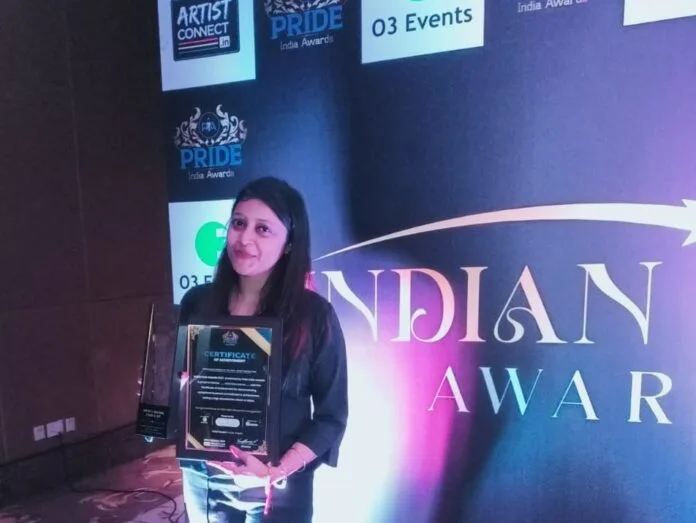
    In today’s world, women are making remarkable strides in various fields, breaking barriers, and shattering glass ceilings. With the power of financial independence, women can further enhance their journey towards success and live life on their own terms. One effective way to achieve this financial freedom is by investing in mutual funds through Systematic Investment Plans (SIP). Geetanjali, the Director at INfinty Mutual & SIP App, shares her insights on how women can secure their future and gain financial independence by making informed investment decisions.

    Understanding Mutual Funds and SIPs:

    Mutual funds are investment vehicles that pool money from multiple investors to invest in a diversified portfolio of stocks, bonds, or other assets. SIP, on the other hand, is a systematic approach to investing in mutual funds, where investors regularly contribute a fixed amount at predetermined intervals.

    Advantages of SIP for Women:

    2.1 Disciplined Investing: SIPs instill a sense of discipline in financial planning by encouraging regular investments. It allows women to contribute as per their comfort level without straining their finances.

    2.2 Rupee Cost Averaging: SIPs leverage the concept of rupee cost averaging, enabling investors to buy more units when prices are low and fewer units when prices are high. This strategy helps in mitigating market volatility and potentially earning higher returns over the long run.

    2.3 Flexibility and Convenience: SIPs offer the flexibility to choose investment amounts, investment intervals, and even pause or modify contributions as per changing financial goals and circumstances.

    2.4 Professional Fund Management: By investing in mutual funds, women can benefit from the expertise of professional fund managers who actively manage the portfolio and make informed investment decisions.

    Long-Term Wealth Creation:

    Investing in mutual funds through SIPs provides an excellent opportunity for long-term wealth creation. Women can start early and take advantage of the power of compounding, allowing their investments to grow significantly over time. By staying invested for the long haul, they can potentially achieve their financial goals and secure their future.

    Diversification and Risk Management:

    Mutual funds offer diversification by investing in a wide range of assets across different sectors and companies. This diversification helps in spreading the risk and reducing the impact of any specific investment’s poor performance. It is crucial for women to invest in a mix of equity, debt, and balanced funds based on their risk appetite and financial goals.

    Education and Awareness:

    To make informed investment decisions, women must prioritize education and awareness about mutual funds, SIPs, and the overall investment landscape. With Geetanjali’s expertise as the Director at INfinty Mutual & SIP App, women can gain valuable insights and guidance in navigating the investment landscape confidently. Staying updated with market trends and seeking guidance from trusted financial advisors can help women make well-informed choices.

    Goal-Oriented Investing:

    Women can align their investments with specific financial goals, such as higher education, buying a home, starting a business, or planning for retirement. With Geetanjali’s experience and the resources provided by INfinty Mutual & SIP App, women can access personalized investment strategies that cater to their unique aspirations and timelines.

    Conclusion:

    Investing in mutual funds through SIPs can be a game-changer for women, providing them with a path towards financial freedom and independence. With Geetanjali’s guidance as the Director at INfinty Mutual & SIP App, women can gain the confidence and knowledge to make informed investment decisions. Let us empower ourselves and embark on a journey towards a secure and prosperous tomorrow through mutual fund investments via SIPs, backed by the expertise of Geetanjali and the INfinty Mutual & SIP App team.

    Want to make an investment, Visit the most trusted Mutual Fund and SIP App: app.infinty.in