Author: Himalayan Express

  • DC Poonch reviews restoration works and damage assessment in flash-flood affected areas of Surankote; directs expedited relief, rehabilitation and strict monitoring

    DC Poonch reviews restoration works and damage assessment in flash-flood affected areas of Surankote; directs expedited relief, rehabilitation and strict monitoring

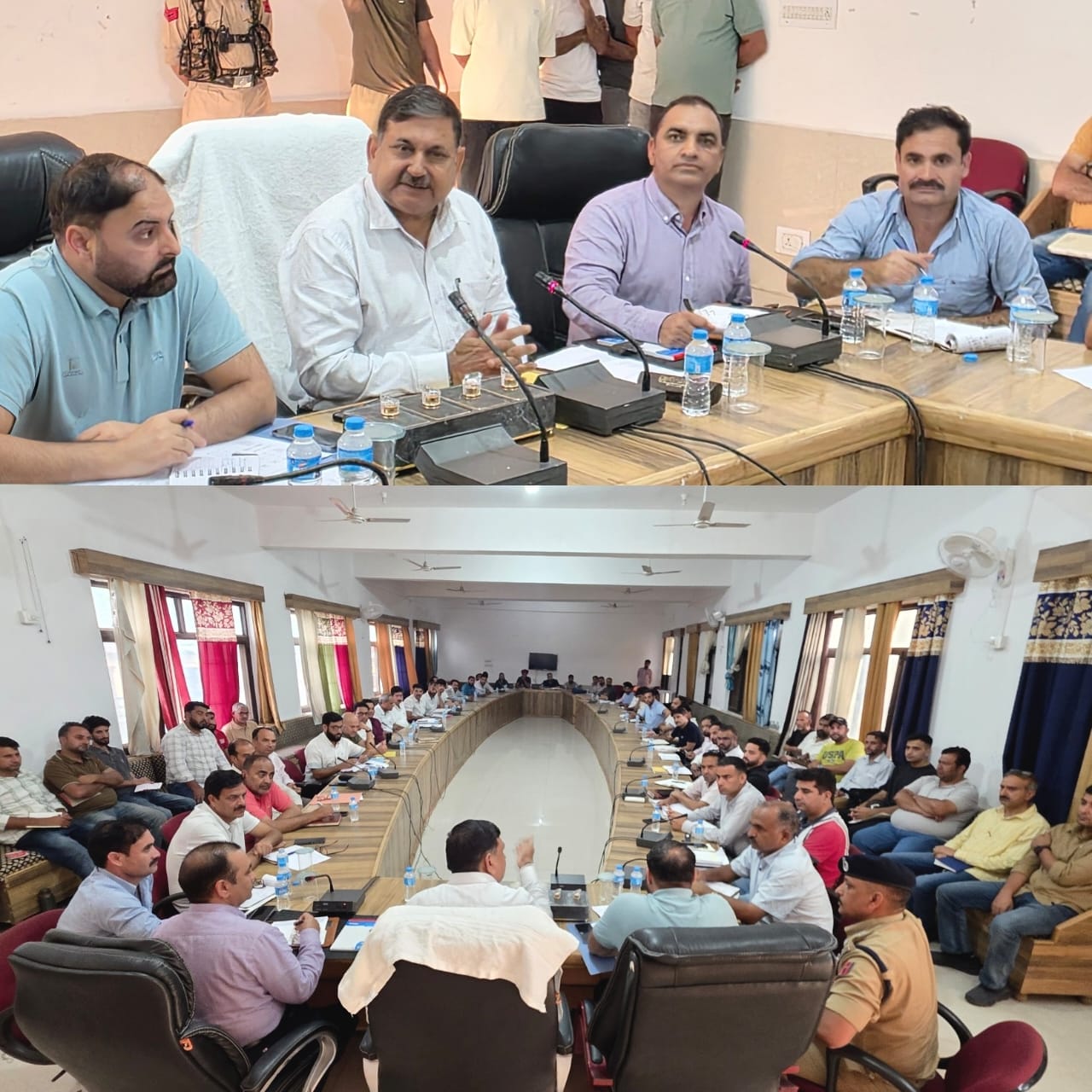
    POONCH, JULY 28: District Development Commissioner (DDC) Poonch Ashok Kumar Sharma, who is also Chairman of the District Disaster Management Authority (DDMA), today chaired a review meeting at Dak Bungalow, Surankote to assess the progress of damage assessment, relief distribution, restoration of essential services and rehabilitation measures in areas severely affected by the recent heavy rains and flash floods.

    The DDC took stock of the status of damage assessment, restoration of public infrastructure, relief distribution and rehabilitation of the affected population.

    A detailed assessment of damage to residential houses, both fully and partially damaged was undertaken. The DDC reviewed the status of compensation cases, verification of beneficiaries and relief extended to the affected families. He directed the officers concerned to identify all genuine cases promptly and provide relief in a transparent, fair and time-bound manner.

    The DDC reviewed the restoration of essential public infrastructure, including roads and bridges, drinking water supply schemes, the power distribution network, irrigation canals (khuls) and other public utilities damaged during the flash floods. He directed the departments concerned to work in close coordination and ensure early restoration of all essential services, particularly in remote and inaccessible areas.

    Sector-wise reviews were conducted on the losses suffered by the Agriculture, Horticulture, Animal Husbandry and Sheep Husbandry sectors. The DDC assessed the extent of damage to agricultural land, standing crops, orchards and livestock and instructed the departments concerned to complete the assessment expeditiously and extend all admissible relief to the affected farmers and livestock owners as per prescribed norms.

    The DDC directed the Superintending Engineer, Hydraulic Circle to maintain continuous monitoring of flood-prone and vulnerable areas and ensure that relief and rehabilitation measures are implemented effectively, with assistance reaching only genuine and eligible beneficiaries after proper verification.

    Expressing serious concern over illegal mining, the DDC directed the departments and enforcement agencies concerned to adopt a zero-tolerance approach. He instructed that FIRs be registered against violators, vehicles involved in illegal mining be seized immediately and strict legal action be initiated against all offenders.

    The Irrigation and Flood Control Department was directed to accord top priority to the restoration of flood-damaged irrigation khuls and other infrastructure so that agricultural activities are not affected and farmers receive timely irrigation.

    The DDC directed the SDRF and NDRF teams to continue search and rescue operations and make every effort for the early recovery of the bodies of persons reported missing in the flash floods.

    The Sub-Divisional Magistrate Surankote was instructed to personally monitor all restoration and relief works in the subdivision, ensure close inter-departmental coordination, remove bottlenecks on priority and submit daily progress reports to the Deputy Commissioner.

    The DDC appealed to the people not to heed rumours or misinformation and to cooperate with the district administration by reporting any damage or losses to the authorities concerned.

    Among those present were Additional Deputy Commissioner Tahir Mustafa Malik, Superintending Engineer Hydraulic Circle Vipan Kumar, Sub-Divisional Magistrate Surankote Farooq Khan, Assistant Commissioner (Development) Shakeel Ahmed, Executive Engineers of Jal Shakti, JPDCL, Irrigation and Flood Control, PMGSY and PWD (R&B), Tehsildar Surankote, SDPO, SHO, officers from the Agriculture, Horticulture, Animal Husbandry and Sheep Husbandry Departments, SDRF authorities and other sectoral officers of Sub-Division Surankote.
  • DLSA Reasi conducts awareness programmes on Child Helpline 1098, mediation and legal aid clinics

    DLSA Reasi conducts awareness programmes on Child Helpline 1098, mediation and legal aid clinics

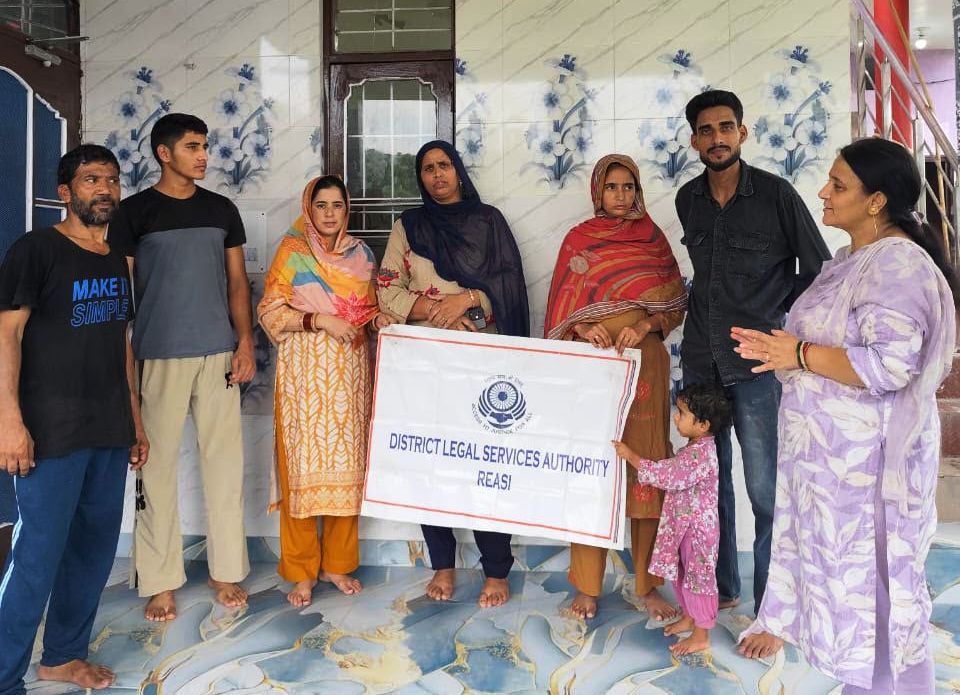
    REASI, JULY 28: The Para Legal Volunteers (PLVs) of LAC Kunderdhan, through TLSC Mahore, conducted an awareness programme on the Children Helpline number 1098 at Primary School Kunderdhan, Seasonal Centre Dewal Marg Mahore, LAC Channa Neosi and other places in Tehsil Mahore.

    Participants, including school children, teachers and locals were informed that Child Helpline 1098 is a 24×7 emergency toll-free service providing immediate assistance to children in distress, including cases of abuse, neglect, exploitation, child labour, trafficking, missing children and children in need of care and protection. They were encouraged to seek timely help whenever a child faces danger. The PLVs also highlighted the availability of free legal aid for eligible persons under the Legal Services Authorities Act, 1987.

    A second programme, on Mediation and Pre-Litigation Matter Applications was organised at PYT Thillo by the PLVs of Legal Aid Clinic (LAC) Chassana. Participants were sensitised on mediation as a speedy, amicable method of resolving disputes without prolonged litigation. The PLVs explained that family, property, financial, neighbourhood and other civil disputes can be settled through pre-litigation mediation before cases are filed in court, and guided the public on filing Pre-Litigation Matter Applications before the Legal Services Institutions.

    A third programme, on the Role of Legal Aid Clinics, was organised at Government Higher Secondary School, Gran Goswan, Reasi, by the PLVs of DLSA Reasi. The resource person explained that Legal Aid Clinics offer the poor, marginalised, women, children, senior citizens and other vulnerable sections free legal advice, assistance and guidance, and that PLVs help bridge the gap between the legal system and the community. Attendees were also made aware of welfare schemes implemented through NALSA and J&K LSA and the value of resolving disputes through lawful means.

  • Chief Secretary reviews the implementation of next generation business reforms

    Chief Secretary reviews the implementation of next generation business reforms

    Calls for time-bound deregulation to boost EoDB in J&K

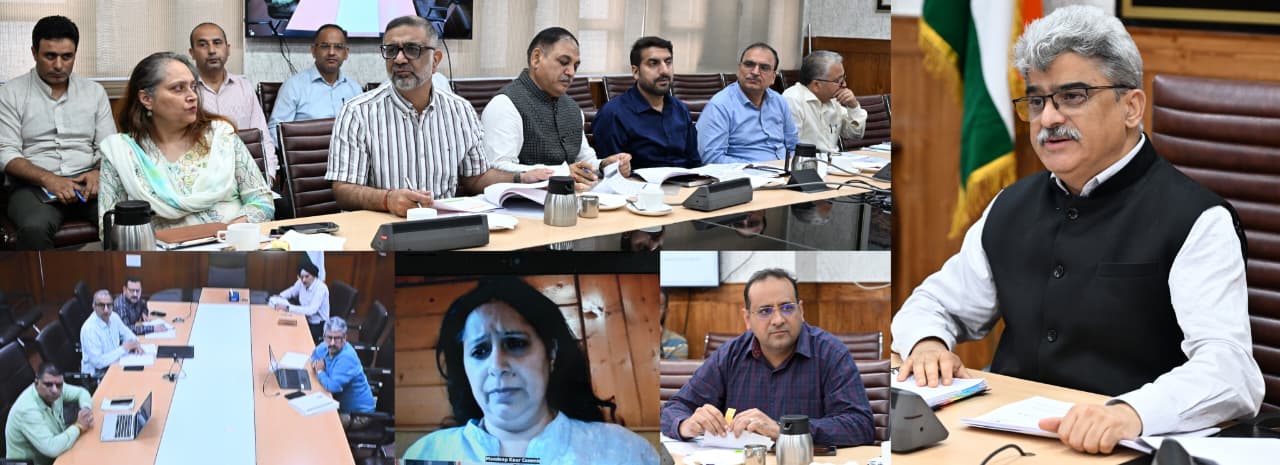
    SRINAGAR, JULY 28: Chief Secretary, Atal Dulloo, today chaired a meeting of the concerned Administrative Secretaries to review the progress achieved under the next phase of the Ease of Doing Business (EoDB) programme and assess the implementation status of the identified deregulation and compliance reduction reforms across Jammu and Kashmir.

    The meeting was convened to evaluate the progress of priority reforms being coordinated by the Department of Industries & Commerce under Phase-II of the Compliance Reduction and Deregulation initiative.

    During the meeting, the Chief Secretary undertook a department-wise review of the identified reform measures and impressed upon all Administrative Secretaries to ensure their timely implementation in a coordinated manner.

    He emphasized that reducing unnecessary regulatory burdens, simplifying procedures and improving the overall business ecosystem are essential for fostering investment, entrepreneurship and economic growth in the Union Territory.

    While reviewing the pending reforms, the Chief Secretary directed the concerned departments to address outstanding issues expeditiously, particularly those requiring reconsideration or acceptance on the central portal, so that all identified reforms are completed within the stipulated timelines.

    The Commissioner Secretary, Industries & Commerce, Vikramjit Singh took this occasion to reveal that out of the 28 identified Priority Areas (PAs) under the reform programme, nine reforms have already been accepted by the Government of India as fully implemented, while sixteen reforms are presently under implementation by the concerned departments. One reform is awaiting acceptance on the national portal by the Deregulation Cell, whereas two reforms have been returned for reconsideration.

    Giving out the details the Director, I&C Jammu, Arun Manhas divulged that the reforms already accepted include liberalisation of regulations governing shops and commercial establishments, enhancement of the frequency of SEAC/SEIAA meetings along with creation of a land bank for degraded forests, elimination of minimum land requirements for private universities, rationalisation of infrastructure norms for non-government higher educational institutions, appointment of a single nodal agency for healthcare-related licences, monitoring and reduction of turnaround time on the Single Window System.

    Additionally it was brought out that the establishment of an auto-appeal mechanism under the Right to Services framework, adoption of the amended Water (Prevention and Control of Pollution) Act, 2024, and compilation of testing facilities in government institutions for facilitating MSMEs had also been accepted by the Deregulation Cell of the GoI.

    The Chief Secretary also reviewed the reforms proposed to be operationalised through bringing of a legislation. These include elimination of change in land use requirements for landowners, demand-driven zoning, optimisation of industrial land use, removal of dual licences for businesses, strengthening of MSME self-certification mechanisms.

    In addition to that the simplification of medical practitioners’ registration procedures, introduction of an affidavit-based clearance system also comes under the proposed Right to Business framework, and the Omnibus Bill aimed at harmonising various regulatory provisions.

    The meeting further reviewed the status of other important reforms relating to streamlining of building permission processes, simplification of licensing under the Weights and Measures framework, promotion of quality and affordable tourist accommodation and removal of regulatory requirements relating to private schools.

    Concerned departments apprised the Chair regarding the present status and timelines for completion of these reforms.

    Reiterating the Government’s commitment to create a transparent, predictable and investor-friendly regulatory framework, the Chief Secretary observed that effective implementation of these reforms would significantly enhance the ease of doing business in Jammu and Kashmir, reduce compliance burdens on businesses and strengthen the our competitiveness as an attractive investment destination.

  • Waterlogging, traffic jams hit Delhi as heavy rain lashes city; red alert issued

    Waterlogging, traffic jams hit Delhi as heavy rain lashes city; red alert issued

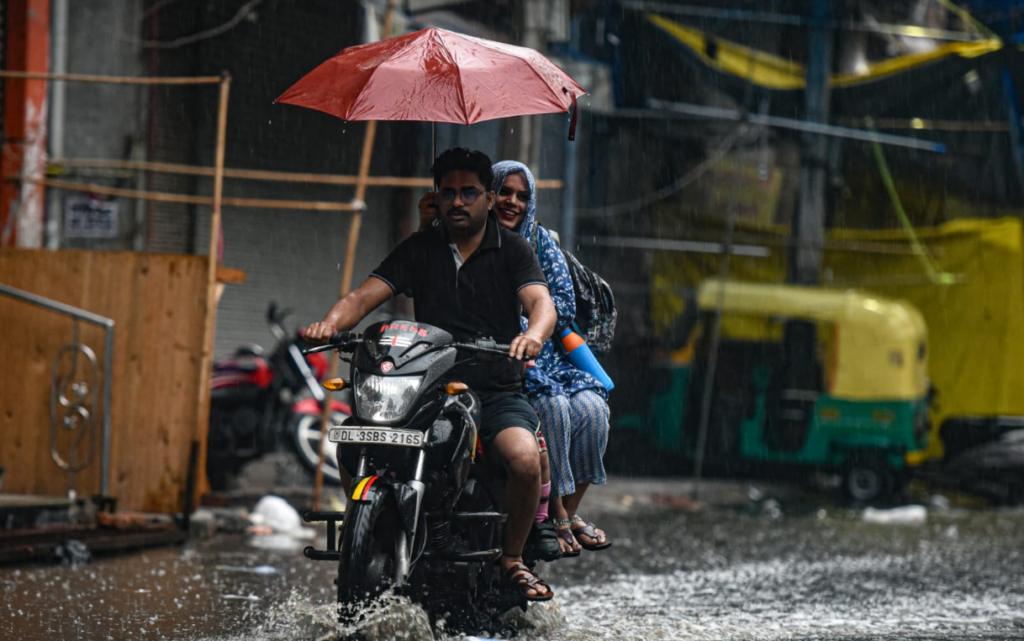
    Waterlogged roads, knee-deep flooding in busy markets and bumper-to-bumper traffic marked a rain-soaked Tuesday morning in Delhi as heavy showers battered the city, prompting the weather office to issue a red alert for thunderstorms, lightning and rain over the next few hours.

    The India Meteorological Department (IMD) forecast a generally cloudy sky with heavy rain for the rest of the day, warning of thunderstorms accompanied by lightning and intense spells of rain across the national capital.

    Relentless rain through the morning inundated several parts of the city, with waterlogging reported from Connaught Place, Janpath, several roads in Lutyens’ Delhi, Bharat Mandapam Road, Barakhamba Road, Mathura Road near ITO, Kalindi Kunj and other low-lying areas.

    Amid reports of waterlogging from several parts of the city, PWD Minister Parvesh Sahib Singh shared a video on X showing traffic moving smoothly on Minto Bridge.

    “Rain is pouring relentlessly, but life on Minto Bridge is moving along at the same pace. The very effort is to ensure that the monsoon remains just a season, not a trouble,” he said.

    Large pools of water accumulated at several intersections, slowing traffic and forcing motorists to navigate submerged stretches with caution.

    Aam Aadmi Party leader Saurabh Bharadwaj posted a video on X from Sadar Bazar, one of Delhi’s busiest wholesale markets, where rainwater had risen to waist level, forcing schoolchildren, office-goers and shoppers to wade through flooded streets.

    “School kids crossing Sadar Bazar ie one of the largest wholesale market in Delhi with rain waterlogged till their waistline.” the opposition leader said on the social media platform.

    Dark, overcast skies blanketed the city for most of the morning, with spells of steady rain accompanied by gusty winds. Pedestrians huddled beneath umbrellas and bus shelters while vehicles moved slowly with headlights on as poor visibility.

    According to posts shared by social media users, heavy traffic was reported from Greater Kailash-II to Savitri Cinema to Chirag Dilli, Hauz Khas and RK Puram, and from Sangam Vihar to Khanpur via MB Road on both carriageways.

    Traffic congestion due to waterlogging was also reported on NH-8 near Shankar Vihar, Zakir Hussain Road, the Delhi Cantt-Naraina Flyover-Mayapuri stretch, ITO, Old Rohtak Road, the Madhuban Chowk-Netaji Subhash Place stretch, Peeragarhi, NH-48 near AIIMS, the Delhi-Noida Road, Kalindi Kunj and Vikas Marg, among other arterial roads.

    Between 11:30 am and 2:30 pm, Pusa recorded the highest rainfall at 80 mm, followed by Janakpuri at 72 mm, Lodi Road at 63.4 mm, Chhatarpur at 57.5 mm, Safdarjung at 51 mm, Ayanagar at 50.1 mm, Narayana at 44 mm, Ridge at 37.3 mm, Mayur Vihar at 33.5 mm and Palam at 26 mm. Jafarpur recorded 8 mm of rainfall, while Najafgarh received no rain during the three-hour period.

    The minimum temperature at Safdarjung settled at 25.5 degrees Celsius, 1.8 notches below normal.

    Palam recorded 25 degrees Celsius, 2.1 notches below normal, while Lodi Road recorded 25.8 degrees Celsius, 0.2 notch below normal. The Ridge station recorded a minimum of 23.2 degrees Celsius, 2.3 notches below normal, while Ayanagar recorded 27.1 degrees Celsius, 1.1 notches above normal.

  • Lok Sabha takes up anti-paper leak amendment Bill: Govt ready for 10-hr discussion, says Kiren Rijiju

    Lok Sabha takes up anti-paper leak amendment Bill: Govt ready for 10-hr discussion, says Kiren Rijiju

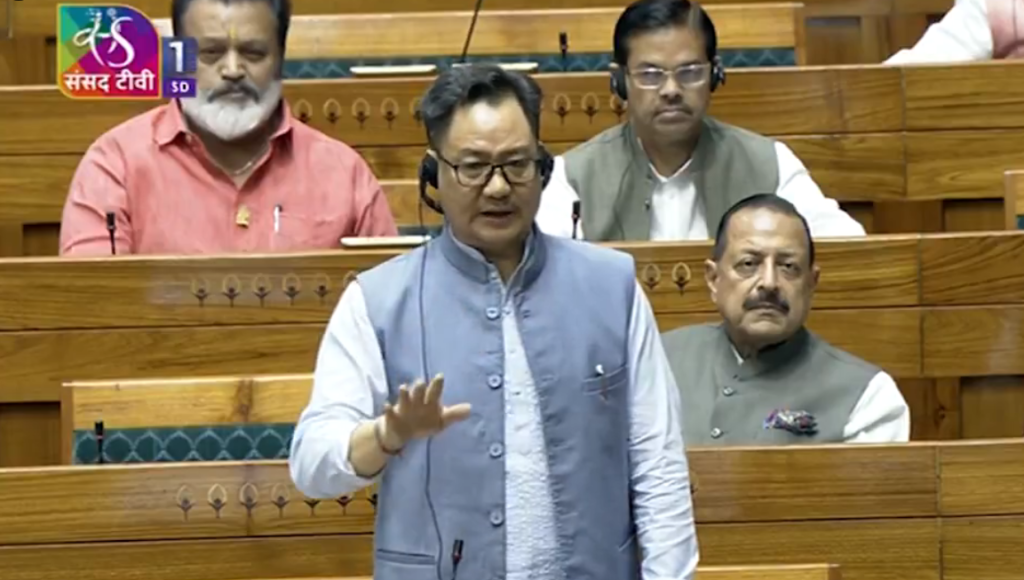
    Parliamentary Affairs Minister Kiren Rijiju on Tuesday said the government was ready to extend the discussion on the Public Examinations (Prevention of Unfair Means) Amendment Bill, 2026, to up to 10 hours if required.

    Rijiju said he had spoken to the leaders of various parties, including the Congress, Samajwadi Party, DMK and NCP, and they had agreed to extend the scheduled six-hour discussion by two hours.

    “I spoke with the leaders of all parties, the Congress Chief Whip, the Samajwadi Party Chief Whip, the DMK, and the NCP, and everyone agreed to extend the six-hour discussion by two hours to make it eight hours. We all reached this agreement,” Rijiju said in the House.

    He added that the government had no objection to extending the discussion further if more time was needed.

    “Venugopal ji, if you require an extra two hours, the government has no objection. We can meet and decide on it. The Speaker has just said that we have no objection to extending it by another hour. If even more time is needed beyond eight hours, we are ready for 10 hours discussion,” Rijiju said.

  • CM Omar Abdullah directs departments to accelerate CAPEX expenditure, ensure timely utilization of funds

    CM Omar Abdullah directs departments to accelerate CAPEX expenditure, ensure timely utilization of funds

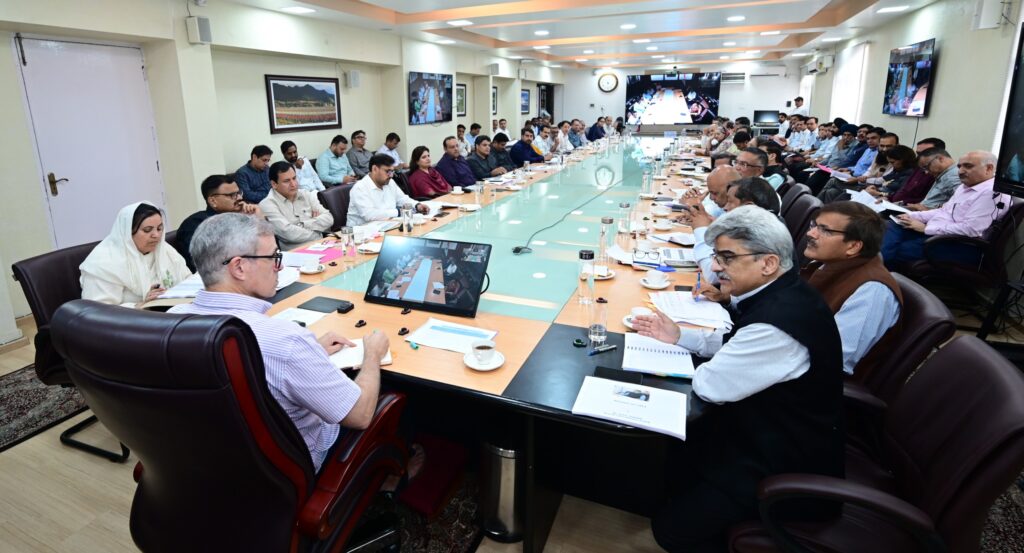
    Chief Minister Omar Abdullah today chaired a high-level review meeting on Capital Expenditure (CAPEX) at the Civil Secretariat here and directed all departments to significantly accelerate the pace of expenditure, emphasizingthat timely utilization of available funds is critical for infrastructure development, public service delivery and sustained economic growth.

    The Chief Minister underscored the need for focused attention on departments lagging in expenditure and cautioned against the practice of delaying spending until the closing months of the financial year.

    “To have money and not spend it is incompetence. This is very difficult to justify. Not having money is easier to explain, but it is impossible to explain when funds are available and remain unutilized,” the Chief Minister said while addressing the meeting.

    He said the review was intentionally convened at the beginning of the financial cycle rather than towards the end of the year so that corrective measures could be taken in time and departments could utilize the remaining working season effectively.

    “There is still ample working season available in both the Kashmir Valley and the Jammu plains. There should be no reason why funds already released are not spent appropriately. Every department must give this focused attention,” he said.

    The meeting was attended by Ministers Sakina Itoo, Javed Ahmed Rana, Javid Ahmed Dar and Satish Sharma.

    Chief Secretary Atal Dulloo, Additional Chief Secretary, Power Development Department, Additional Chief Secretary to the Chief Minister, Additional Chief Secretary, Tourism, Additional Chief Secretary, Public Works Department, Additional Chief Secretary, Finance, all Administrative Secretaries, Director General Budget, Director General Codes, Heads of Departments and other senior officers attended the meeting. Outstation officers participated through video conferencing.

    Reviewing the implementation of the Special Assistance to States for Capital Investment (SASCI), the Chief Minister directed departments to ensure full utilization of allocations under the scheme, warning that any unspent amount during the current financial year would reduce Jammu and Kashmir’s allocation in the next fiscal.

    He stressed that every rupee available under SASCI Part-I must be utilized and instructed departments to identify eligible projects without delay. He also directed ministers to personally review reform-linked targets under the scheme on a fortnightly basis so that Jammu and Kashmir could qualify for additional financial assistance under the reform component of SASCI.

    “The earlier we implement the specified reforms, the sooner we receive additional funds and the more time we will have to utilize them productively,” he observed.

    The Chief Minister asked departments to immediately begin work on projects where administrative approvals and tendering had already been completed, stating that such projects could initially be funded through the CAPEX budget and later shifted to the reform-linked component of SASCI once additional funds become available.

    He further directed departments to prepare a robust pipeline of projects for the next financial year instead of waiting for funding before identifying development works.

    Expressing concern over the inability of some departments to identify projects despite the availability of financial resources, the Chief Minister remarked that the government’s challenge had shifted from shortage of funds to inadequate project preparedness.

    He advised departments to revisit the development priorities submitted by Members of the Legislative Assembly during the Budget consultations and utilize proposals, particularly projects exceeding the ₹2 crore threshold, for inclusion under future SASCI funding.

    The Chief Minister also instructed departments to initiate administrative approvals and other statutory formalities well in advance so that projects for the 2027-28 financial year remain implementation-ready as soon as funds are sanctioned.

    Highlighting the need to improve expenditure under Centrally Sponsored Schemes, the Chief Minister directed departments to closely monitor utilization levels and ensure that funds released under all development programmes are spent efficiently and within stipulated timelines.

    He also took note of suggestions made by ministers regarding simplification and streamlining of the tendering process and directed the concerned departments to evolve an appropriate mechanism to make procurement procedures more efficient while maintaining transparency and accountability.

    Expressing confidence that departments would respond with urgency, the Chief Minister said the next review would assess tangible improvements in expenditure performance across sectors.

    Earlier, Additional Chief Secretary, Finance, Shailendra Kumar, gave a detailed presentation on the Capital Expenditure position for the financial year 2026-27, covering expenditure under UT sector, District CAPEX and Centrally Sponsored Schemes. He also highlighted departments where expenditure remained below expected levels and outlined the factors contributing to slow utilization of funds.

  • 11 security forces personnel injured in separate road accidents in Shopian, Anantnag

    11 security forces personnel injured in separate road accidents in Shopian, Anantnag

    At least 11 security forces personnel, including an officer, were injured in separate road accidents in Shopian and Anantnag districts of Jammu and Kashmir, officials said on Tuesday.

    A bunker vehicle carrying CRPF and police personnel skidded off the main road at Wachi in Shopian district late on Monday night, the officials said.

    Seven CRPF personnel, including an inspector, sustained injuries in the accident, they said, adding that a policeman was also among the injured.

    In another accident, three ITBP personnel were injured when a civilian pick-up van rammed into their temporary bunker in Pahalgam in Anantnag district after losing control, the officials said, adding the driver was also injured. Authorities have ruled out any foul play.

  • PDP announces protests on August 5 for restoration of Article 370

    PDP announces protests on August 5 for restoration of Article 370

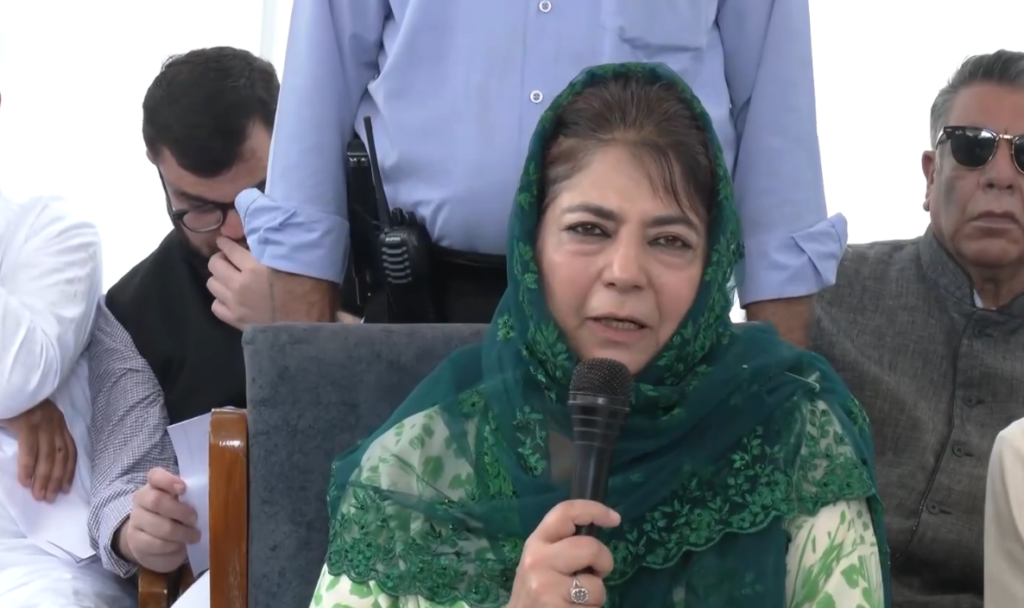
    People’s Democratic Party (PDP) chief Mehbooba Mufti on Tuesday announced that her party would hold peaceful protests at district headquarters across Jammu and Kashmir on August 5 to press for the restoration of Article 370 and “resolution of the Kashmir issue”.

    The former chief minister stated this at a press conference at the party headquarters here on the occasion of the PDP’s 27th foundation day.

    “All our people, who are sitting here, will hold peaceful protests in their districts on August 5 for the restoration of Article 370, 35A, and peaceful resolution of the Kashmir issue,” she said.

    The former chief minister stated this at a press conference at the party headquarters here on the occasion of the PDP’s 27th foundation day.

    “All our people, who are sitting here, will hold peaceful protests in their districts on August 5 for the restoration of Article 370, 35A, and peaceful resolution of the Kashmir issue,” she said.

    She also expressed regret for her remarks at Jantar Mantar.

    Chief Minister Omar Abdullah and others had criticised the PDP leader for her remarks, accusing her of justifying the use of force against Kashmiri protesters.

    “I apologise if my remarks on violence against protesters in Kashmir have hurt anyone,” she said.

    Mehbooba visited Jantar Mantar on July 23 to extend support to the Cockroach Janta Party-led protest against alleged examination irregularities.

    While opposing police action against student protesters in Delhi, the PDP said that the situation was different in Kashmir as the security forces were fighting militancy.

    The comments drew backlash from rival political parties, including Abdullah’s National Conference (NC). The PDP, however, accused the ruling NC of using artificial intelligence to twist Mehbooba’s statement.

  • Internationalization of Education

    Internationalization of Education

    Vinit Kumar
    The Nainital Bank Ltd.

    The recent visit of Prime Minister Narendra Modi to Indonesia has opened a new chapter for India’s education sector with the announcement of the establishment of the Indian Institute of Management Bangalore (IIM-B) at the Singhasari Special Economic Zone (SEZ) in Malang. This marks a significant milestone for India and represents another step forward in strengthening bilateral ties with Indonesia.
    Earlier, in July 2025, the University of Southampton, a UK-based institution, inaugurated its campus in Gurugram, becoming the first foreign university to establish a campus in India under the new regulatory framework. Prior to this, IIT Delhi established its first overseas campus in Abu Dhabi, UAE, in January 2024, following IIT Madras, which launched its international campus in Zanzibar, Tanzania, in late 2023.
    This growing trend of cross-border educational collaboration not only promotes academic excellence and knowledge exchange but also highlights India’s emergence as an increasingly influential stakeholder in the global higher education landscape.
    The internationalization of education involves opening up the sector to the world, enabling the free movement of students, teachers, researchers, ideas, and knowledge across borders. It fosters collaboration between universities worldwide, incorporates global perspectives into curricula, establishes international campuses, and expands virtual education for learners globally. Let us explore each of these aspects in detail and examine how they benefit India.
    Student and Teacher Exchange Programs: Student and teacher exchange programs are key tools for a country’s progress, fostering cultural understanding, academic excellence, and global collaboration. These initiatives promote innovation through exposure to cutting-edge technologies and teaching methodologies, help build skilled human capital, and strengthen diplomatic relationships. Additionally, they serve as platforms for sharing Indian values—such as diversity and resilience—with host communities, while foreign students and educators gain firsthand experience of India’s rich heritage. There are several programs facilitate such exchanges: The AFS Intercultural Program enables Indian high school students to live with host families abroad, nurturing cultural sensitivity and global citizenship. The Fulbright Foreign Student Program provides Indian students access to world-class research universities in the USA. The International Association for the Exchange of Students for Technical Experience (IAESTE) offers paid internships in technical fields globally. Indian teachers participating in the International Education Exchange Invitation Programme by the Asia-Pacific Cultural Centre for UNESCO (ACCU) in Japan gain insights into education for sustainable development. These initiatives collectively enhance India’s global academic footprint while fostering mutual growth and learning.
    Collaboration between Universities: Collaboration between Indian universities and their global counterparts is a cornerstone for advancing education, innovation, and research. Such partnerships significantly contribute to India’s academic and economic progress by fostering knowledge sharing, joint research initiatives, alignment with global standards, and addressing both local and global challenges. The key collaborations like: IITs partner with institutions like MIT (Massachusetts Institute of Technology) and ETH Zurich for joint research in renewable energy and biotechnology. The Indo-US Science and Technology Forum (IUSSTF) facilitates collaborative research projects between Indian and US universities. Jawaharlal Nehru University (JNU) engages in exchange programs with universities in Japan and Germany, enhancing expertise in fields like International Relations (IR) and Engineering. Numerous Memorandums of Understanding (MoUs) have been signed between Indian universities and global institutions to elevate academic standards and align with international benchmarks. These collaborations not only strengthen India’s position in the global academic arena but also drive innovation and sustainable development.
    Incorporating Global Issues and Perspectives in Teaching: Integrating global issues such as climate change, inequality, gender bias, and human rights into education cultivates empathy, cultural awareness, and a sense of responsibility in students, equipping them to address worldwide challenges. This approach helps students develop a global perspective, enhances critical thinking, and fosters respect for cultural differences. By engaging with diverse viewpoints, students learn to make ethical decisions that contribute to equitable solutions for global problems. Indian institutions like IITs and IIMs incorporate global case studies into their curricula, demonstrating how international solutions can be adapted to local contexts. For instance, students analyze strategies for flood management in regions like Assam and Bihar, applying global best practices to India’s unique challenges. Such initiatives bridge the gap between theoretical knowledge and real-world problem-solving, preparing students to become globally competent leaders.
    Setting up international campuses: Setting up international campuses represents a strategic approach to internationalizing higher education, fostering global collaboration, and enhancing a nation’s academic, economic, and cultural influence. Such initiatives create opportunities for research commercialization, industry partnerships, job creation, and cultural exchange while strengthening bilateral relations and mutual understanding. They also provide pathways to attract global talent and cultivate diverse academic environments. India’s efforts to establish campuses abroad while hosting foreign university campuses domestically align with its ambition to become a global education hub. These initiatives promote innovation and strengthen diplomatic ties. As mentioned earlier in this article, several Indian institutions like IITs have already expanded overseas. Additionally: BITS Pilani, Amity University, and Manipal University have established campuses in the Middle East. IIM Ahmedabad and IIFT have received approvals to set up campuses in the region. International universities like Deakin University (Australia) and University of Wollongong (Australia) have opened campuses in Gujarat’s GIFT City. Looking ahead, institutions such as the University of York (UK), University of Aberdeen (UK), Illinois Institute of Technology (USA), and IED Istituto Europeo Di Design (Italy) are reportedly planning to establish campuses in India, further expanding the country’s global educational footprint.
    Offering online education to global learners- Online education transcends geographical barriers, enabling institutions to attract global learners from diverse regions. This digital approach not only democratizes access to quality education but also serves as a powerful tool for cultural diplomacy. By collaborating with international institutions and integrating global perspectives into curricula, online learning prepares students to address shared challenges like climate change, digital transformation, and sustainable development. For India, online education presents a strategic opportunity to expand its academic influence and soft power globally. Several initiatives demonstrate this potential: SWAYAM, India’s national online education platform, offers courses like Sustainable Agriculture (co-developed with edX), which highlights India’s organic farming models to a worldwide audience.IIT Madras’s online BS in Data Science program includes optional in-person workshops, allowing international students to visit India for hands-on learning. Jawaharlal Nehru University (JNU) collaborates with the University of Tokyo on a virtual exchange program focused on Asia-Pacific governance issues. IGNOU’s online courses on Indian culture, history, and languages attract thousands of global learners annually, promoting cross-cultural understanding. Additionally, platforms like NPTEL (a joint initiative by IITs and IISc) provide free STEM courses to over 5 million learners worldwide, while UPSC preparation modules on Unacademy and BYJU’S cater to aspirants from neighbouring countries like Nepal and Bangladesh. With the global e-learning market projected to exceed $1 trillion by 2030, India’s investment in scalable, high-quality online education positions it as a key player in shaping the future of international education.
    Conclusion: The internationalization of education aims to democratize access to quality learning while fostering global collaboration. Each year, approximately one million Indian students pursue education abroad to gain global best practices and promote cross-cultural understanding, while nearly half a million international students come to India to experience its rich academic and cultural diversity. This exchange powerfully embodies India’s civilizational ethos of Vasudhaiva Kutumbakam (the world is one family). By embracing internationalization through student exchanges, cross-border university partnerships, and global curriculum integration, India is steadily realizing its vision of becoming a premier education hub that bridges knowledge systems worldwide while maintaining its unique educational strengths.

  • Himachal Pradesh: Flood threat in seven districts, vehicles buried in Chamba

    Himachal Pradesh: Flood threat in seven districts, vehicles buried in Chamba

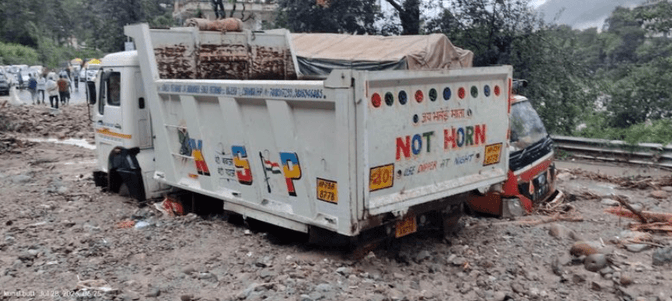
    Moderate to heavy rains affected parts of Himachal Pradesh, including state capital Shimla, with landslides causing significant damage in Chamba district where about a dozen vehicles and many houses were buried in debris.

    According to the state emergency operation centre , a total of 108 roads were closed due to landslides and flash floods triggered by torrential rains on Monday evening, while 38 water supply schemes and nine transformers have been disrupted.

    The Met office on Tuesday said there was a moderate flash-flood threat in a few watersheds and neighbourhoods in seven out of 12 districts in the state, namely Chamba, Kangra, Kullu, Mandi, Shimla, Sirmaur and Solan, in the next 24 hours.

    An orange warning was issued for heavy to very heavy rains in isolated areas of four to five districts of Himachal Pradesh till July 30 and on August 3.

    Inundation may occur at some fully saturated soils and low-lying areas, the Meteorological Department has said, urging people to avoid venturing near rivers and streams and to heed weather warnings.

    In Bhariad village in Chamba, many families were forced to evacuate their houses after the seasonal rivulets suddenly changed course.

    Streams and drains were overflowing due to the downpour. There were reports of about a dozen vehicles, including cars, trucks and two-wheelers, being buried under debris following a landslide near Bhariad on Udaipur-Golthi-Navodaya road.

    Landslides deposited large quantities of debris onto roads and in residential areas. Boulders carried by the strong current of the Tadoli Nallah surged into a store, completely destroying it.

    The debris also entered several nearby homes, causing significant distress to residents. The Sultanpur Nallah also turned ferocious, further compounding the difficulties for locals.

    Monsoon remained active in several parts of the state over the last 24 hours with moderate to heavy rains. Jot in Chamba district received 137.8 mm of rainfall, followed by Naina Devi 118 mm, Murari Devi 83 mm, Ghamroor and Shimla 58.2 mm each, Brahmani 54.6 mm, Joggindenagar 52 mm, Malraon 47 mm, Olinda 44 mm, Hamirpur 43 mm and Nagrota Suriyan 42.2 mm.

    Due to transformer failure at stage-2 of Satluj Water Supply Project and heavy silt and flooding at the other water sources, there could be disturbance in water supply in Shimla for the next few days until the transformer issue is resolved, a statement issued by the Shimla Jal Prabandhan Nigam Limited on Tuesday said.

    The Shimla Met office on Tuesday issued an orange warning of heavy to very heavy rains in isolated areas of four to five districts of Himachal Pradesh till July 30 and on August 3.

    Peak rainfall activity would be observed between late night on July 29 and July 31. During this time, many areas of the state are likely to experience continuous light to moderate rain, with heavy to very heavy rainfall occurring at some locations, said a scientist at the Meteorological Centre, Shimla, Sandeep Kumar Sharma.

    So far, landslides and flash floods have claimed 15 lives in Himachal during the ongoing monsoon season since its onset on June 30 till date.