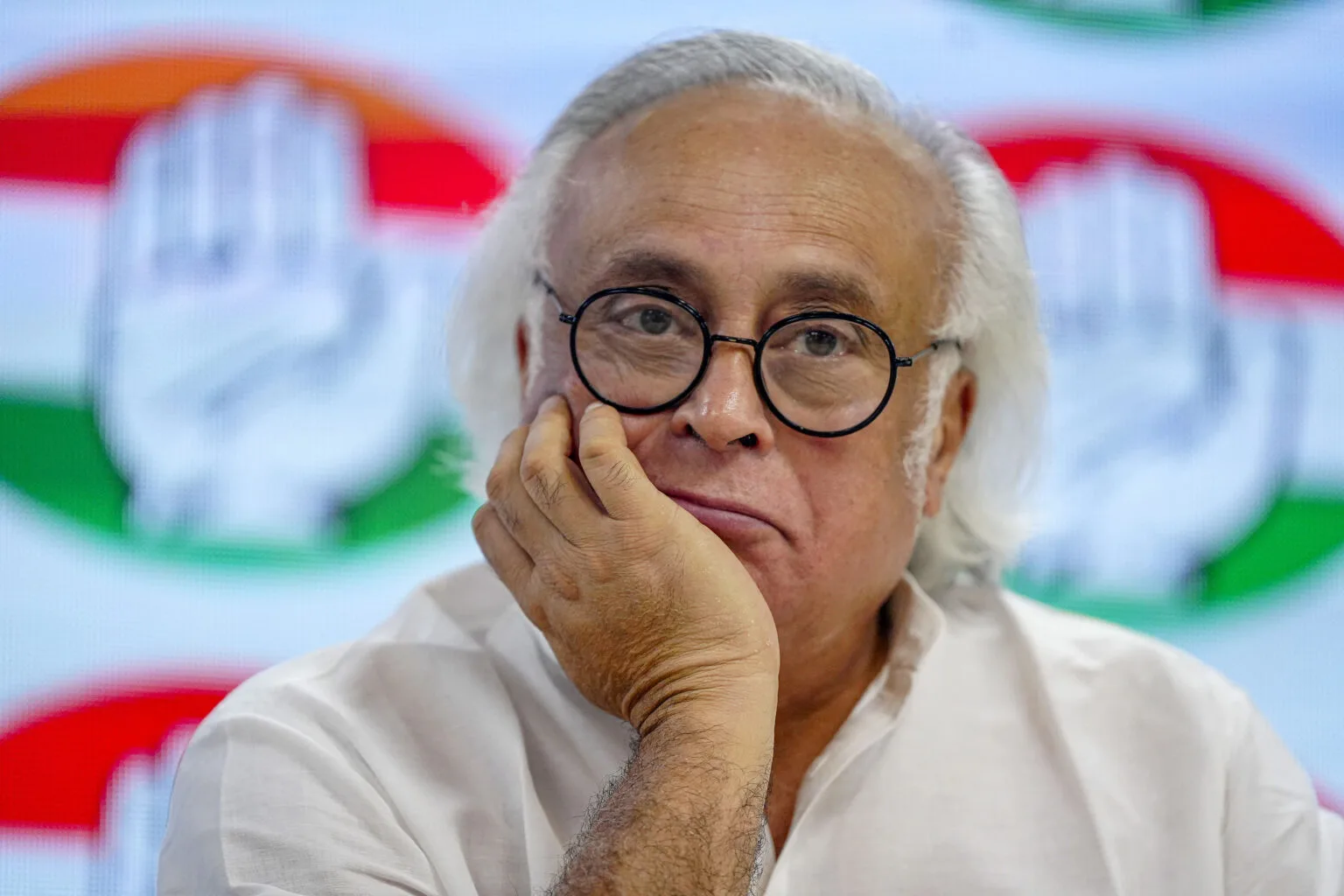
The Congress on Monday launched a sharp attack on the Modi government, asserting that the Mahatma Gandhi National Rural Employment Guarantee Act (MGNREGA) was a transformative, rights-based law and that the new rural employment scheme replacing it has “bulldozed away” its core spirit.
Congress general secretary in-charge of communications Jairam Ramesh noted that exactly 20 years ago, MGNREGA was launched at Badnapalli village in Andhra Pradesh’s Anantapur district. Over two decades, he said, the programme generated nearly 180 crore days of employment, created around 10 crore community assets, reduced distress migration and significantly empowered rural women and gram panchayats.
Ramesh said MGNREGA strengthened the bargaining power of rural workers, enabled direct benefit transfers of wages, and helped small and marginal farmers create irrigation facilities such as wells on their own land. Crucially, he emphasised, the scheme was a demand-driven legal guarantee derived from Article 41 of the Constitution, not a discretionary welfare programme.
Criticising the Viksit Bharat Guarantee for Rozgar and Ajeevika Mission (Gramin) Act, 2025, which replaced MGNREGA after receiving presidential assent in December 2025, Ramesh alleged that the new law centralises decision-making in New Delhi. He claimed employment will now depend on budget allocations rather than citizen demand and will be suspended for two months annually during peak agricultural seasons, weakening workers’ bargaining power.
He further alleged that gram panchayats have been sidelined, projects will be decided by the Centre, and states will be required to bear 40% of the costs despite financial stress, potentially leading to a reduction in employment generation.
Sharing a photograph of Cheemala Pedakka, the first MGNREGA job card holder, Ramesh said the new law, despite increasing the employment guarantee on paper from 100 to 125 days, dilutes the rights-based framework of MGNREGA. Opposition parties have argued that the changes weaken legal entitlements and undermine decentralised rural governance.