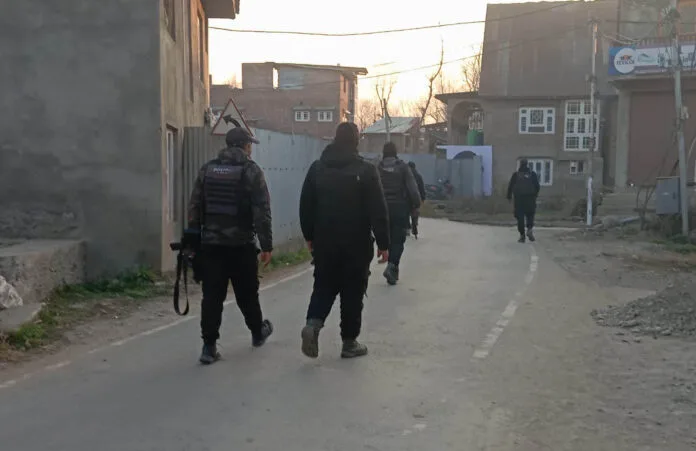
Authorities in Kashmir have initiated a process to profile mosques, madrassas and individuals associated with their management following the busting of a so-called ‘white-collar’ terror module last year, officials said.
As part of the exercise, a detailed proforma has been distributed to village numberdars (village-level revenue officials) to collect information on mosques, madrassas, prayer leaders (imams), teachers and members of management committees, they said.
Officials said the focus of the enumeration drive is primarily on finances, including the sources of funds used for construction of religious institutions and for meeting their day-to-day expenses.
In addition to basic personal details, imams and madrassa teachers have been asked to furnish information related to their Aadhaar cards, bank accounts, property ownership, social media handles, passports, ATM cards, ration cards, driving licences, SIM cards, mobile phone models and IMEI numbers, officials said.
A senior official, speaking on condition of anonymity, said the objective of the exercise is to create a comprehensive database of mosques, madrassas and persons associated with them.
“During the investigation into the ‘white-collar’ terror module busted in November last year, it emerged that some suspects were radicalised through madrassas or social media platforms. The role of certain imams, including Moulvi Irfan, has also come under scrutiny,” the official said.
The proforma also seeks information on the Islamic sect followed by each mosque or madrassa, including Barelvi, Deobandi, Hanafi or Ahle Hadeeth.
Officials said the growing influence of puritanical interpretations of Islam, which stand in contrast to the Sufi traditions historically prevalent in Kashmir, is being examined as a potential factor in youth radicalisation.
Imams, teachers and management committee members have also been asked to disclose any past or present involvement in terrorist or subversive activities, including details of pending cases or convictions by courts of law.
Background of the Terror Module
The Jammu and Kashmir Police, with assistance from the Uttar Pradesh and Haryana Police, busted the alleged ‘white-collar’ terror module in the first week of November last year, arresting nine people, including three doctors, and seizing 2,900 kg of explosives.
The network was found to have links with Jaish-e-Mohammed (JeM) and Ansar Ghazwat-ul-Hind, with operations spanning Kashmir, Haryana and Uttar Pradesh.
Those arrested included Dr Adeel Rather in Saharanpur, Dr Muzammil Ganaie in Faridabad and Dr Shaheen from Lucknow.
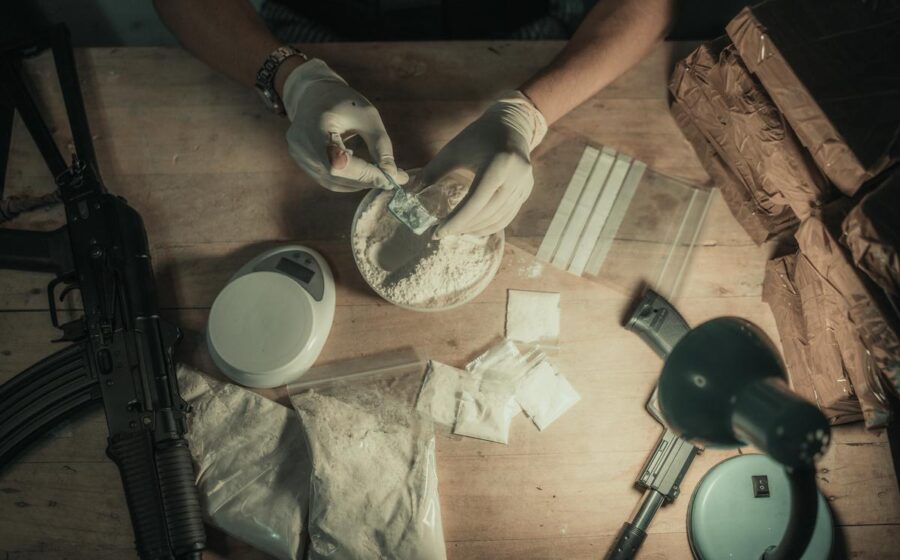
The seized explosive material included ammonium nitrate, potassium nitrate and sulphur. Of this, 360 kg of inflammable material, suspected to be ammonium nitrate, along with arms and ammunition, was recovered from Ganaie’s rented accommodation in Faridabad.
Another Kashmiri, Dr Umer Nabi, was driving an explosive-laden vehicle that blew up near the Red Fort Metro station in Delhi on November 10, officials said.
Ganaie, a teacher at Al Falah University in Faridabad, was arrested after J&K Police named him a wanted accused in a case involving JeM posters pasted in Srinagar.
On October 19, multiple JeM posters were found in the Bunpora Nowgam area of Srinagar, threatening and intimidating police and security forces — an incident that triggered the investigation and led to the unravelling of the inter-state terror network.
Police said the probe revealed a ‘white-collar’ terror ecosystem, involving radicalised professionals and students allegedly in touch with foreign handlers based in Pakistan and other countries.