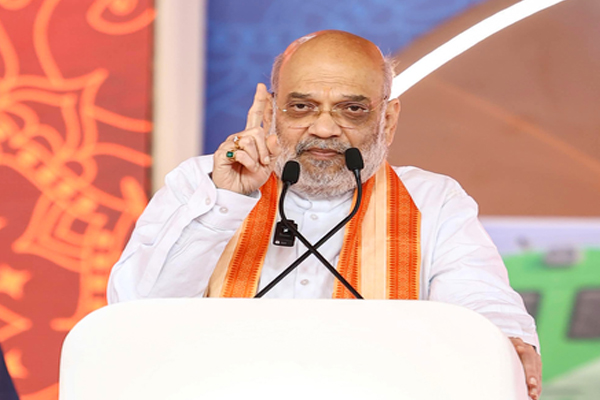
India emphasized the crucial role of healthy land in regional stability and called for international collaboration to tackle land degradation and climate change. Union Environment Minister Bhupender Yadav made these remarks during India’s statement at the 16th UN Conference on Desertification in Riyadh.
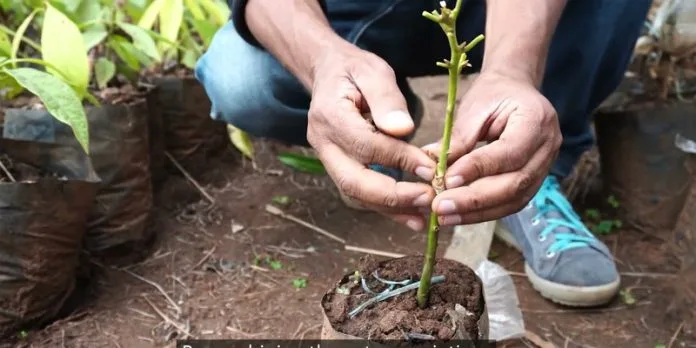
Yadav invited countries to join Prime Minister Narendra Modi’s ‘Ek Ped Maa Ke Naam’ (Plant for Mother) campaign, which aims to combat land degradation and restore ecosystems through large-scale tree planting. He stressed that healthy land is fundamental not only to environmental well-being but also to regional stability, helping to create stable communities and strong economies by reducing the factors that drive migration.
India’s Comprehensive Approach to Land Degradation
In his address, Yadav outlined India’s commitment to addressing land degradation through a comprehensive approach that enhances drought resilience, restores ecosystems, and promotes biodiversity. He highlighted that India’s initiatives are aligned with the goals of COP16, which focuses on combating desertification and promoting land restoration.
“Our Honourable Prime Minister, Narendra Modi, launched the ‘Plant for Mother’ campaign, which has already seen the planting of over one billion saplings this year,” Yadav stated. He urged all nations and their citizens to join the initiative, describing it as a “unique tribute to Mother Earth” that would significantly contribute to addressing land degradation and climate change.
‘Plant for Mother’ Campaign: A Global Initiative
Launched on World Environment Day, June 5, the ‘Plant for Mother’ campaign aims to plant 140 crore (1.4 billion) trees by March 2025. The initiative encourages people to plant trees as a symbol of love, respect, and honor for their mothers, with the goal of restoring degraded areas and combating climate challenges.
Yadav emphasized that restoring land and building resilience to droughts require active community involvement. The Green India Mission, he noted, follows a “whole of government” and “whole of society” approach, with community participation at its core.
Collaboration and Knowledge Sharing
The minister also highlighted the importance of partnerships and knowledge sharing to improve drought preparedness and resilience. He stressed that collaboration between government, industry, and communities is essential to strengthen early warning systems, drought-resilient farming, and sustainable livelihoods.
Earlier in the day, during a ministerial dialogue on finance, Yadav underscored that adequate financing is key to achieving the objectives of the UN Convention to Combat Desertification (UNCCD). He pointed to the World Drought Atlas, released on Monday, as a valuable resource to guide the mobilization of financial resources for drought mitigation and land restoration efforts.
India’s Progress on Land Restoration
In his address, Yadav also shared India’s progress on land restoration, noting that the country has already restored 22.5 million hectares of degraded land, with a target of restoring 26 million hectares by 2030.