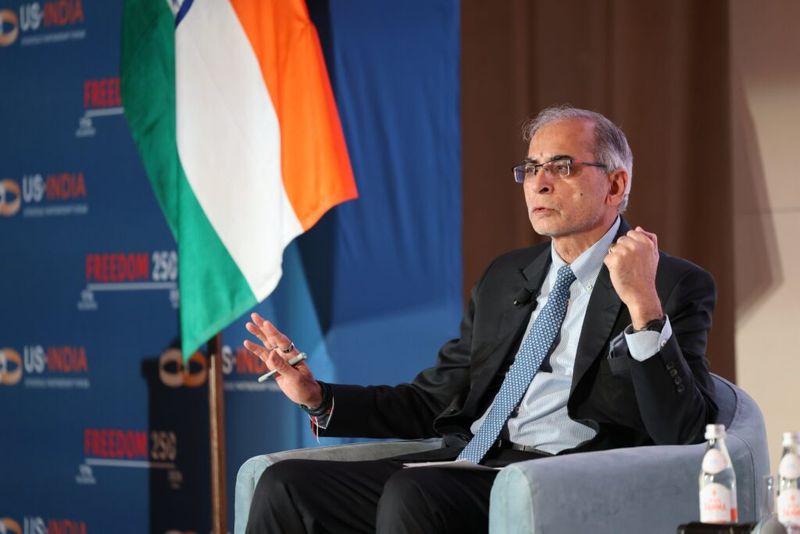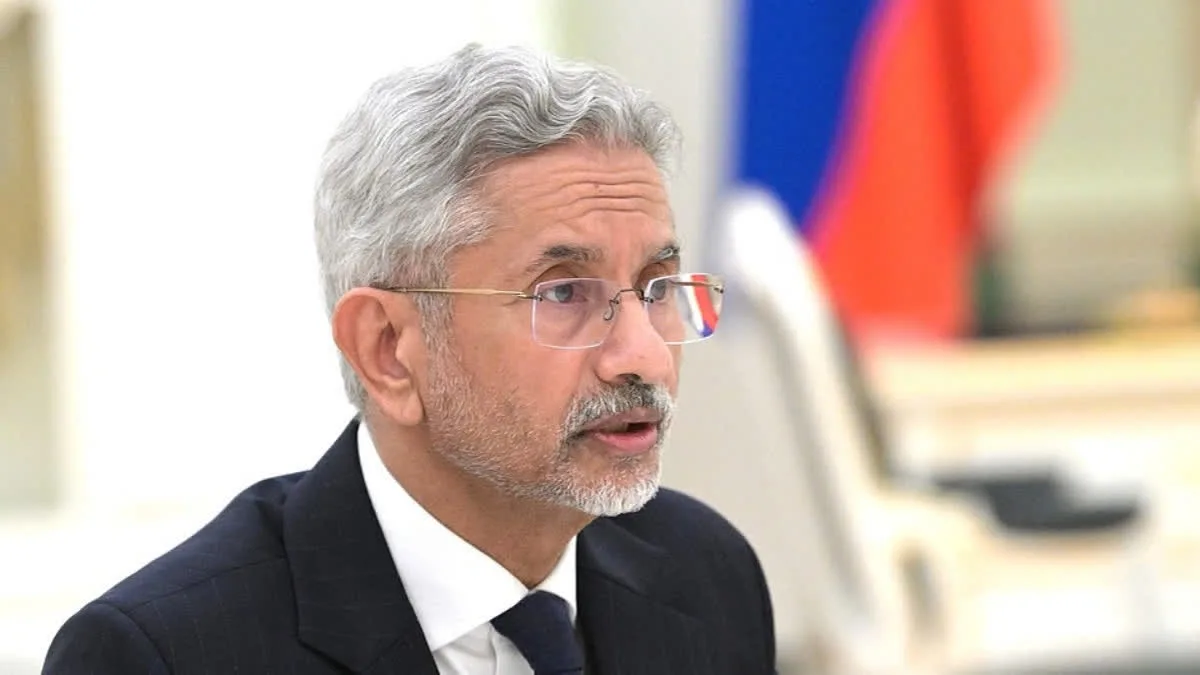
Astana, July 4: India and China have committed to intensifying efforts to resolve the remaining issues in eastern Ladakh as soon as possible and to “stabilize and rebuild” bilateral ties. During a meeting on the sidelines of the Shanghai Cooperation Organisation summit, External Affairs Minister S. Jaishankar emphasized to his Chinese counterpart, Wang Yi, the importance of respecting the Line of Actual Control (LAC).
Jaishankar highlighted the necessity of fully adhering to the relevant bilateral agreements and protocols previously established for managing the border. According to a statement by the Ministry of External Affairs (MEA), the two ministers had a comprehensive exchange of views on finding an early resolution to the remaining issues along the LAC in eastern Ladakh to stabilize and rebuild bilateral relations.
The external affairs minister reaffirmed India’s consistent position that relations between the two countries must be based on mutual respect, mutual interest, and mutual sensitivity. Jaishankar tweeted, “Met with CPC Politburo member and FM Wang Yi in Astana this morning. Discussed early resolution of remaining issues in border areas. Agreed to redouble efforts through diplomatic and military channels to that end. Respecting the LAC and ensuring peace and tranquillity in the border areas is essential. The three mutuals – mutual respect, mutual sensitivity, and mutual interest – will guide our bilateral ties.”
India has consistently maintained that its relationship with China cannot return to normal unless there is peace in the border areas. Both ministers agreed to continue and intensify meetings of the diplomatic and military officials to resolve the remaining issues at the earliest. They also agreed that the Working Mechanism on Consultation and Coordination on India-China Border Affairs should hold an early meeting.
The MEA said Jaishankar reiterated that the India-China relationship is best served by observing the three mutuals: mutual respect, mutual sensitivity, and mutual interests. The two ministers agreed that prolonging the current situation in the border areas is not in the interest of either side.
“The external affairs minister highlighted the need to redouble efforts to achieve complete disengagement from the remaining areas in eastern Ladakh and restore border peace and tranquillity to remove obstacles towards the return of normalcy in bilateral relations,” the MEA stated. “He reaffirmed the importance of fully abiding by relevant bilateral agreements, protocols, and understandings reached between the two Governments in the past. The Line of Actual Control must be respected, and peace and tranquillity in the border areas always enforced.”
The Jaishankar-Wang talks occurred amid the ongoing border row in eastern Ladakh, which has entered its fifth year since May. The Indian and Chinese militaries have been in a standoff since May 2020, and a full resolution of the border row has not yet been achieved, although the two sides have disengaged from several friction points.
The ties between the two countries deteriorated significantly following the fierce clash in the Galwan Valley in June 2020, marking the most serious military conflict between the two sides in decades. The two sides held the last round of high-level military talks in February, aiming to resolve the row. Although there was no indication of a breakthrough at the 21st round of talks, both sides agreed to maintain “peace and tranquillity” on the ground and continue communication on the way ahead.