By Scott Denning, Colorado State University Fort Collins (US), June 20 : My parents told me that the Earth is warming too much for humans to live comfortably. They call it climate change. What does that mean? – Joseph, age 12, Boise, Idaho.
Many parts of the world have recently experienced extremely hot weather, but for most inhabited areas, it’s unlikely to become “too hot for people to live,” especially in dry climates. In dry places, our bodies usually stay cool by sweating and evaporating water from our skin when it’s hot outside.
However, in certain regions where hot deserts meet warm oceans, the combination of heat and humidity can become dangerously high. When the air is humid, sweat doesn’t evaporate quickly enough to cool us down effectively. This situation occurs in parts of the Middle East, Pakistan, and India during summer heat waves, where hundreds of millions of people live without access to indoor air conditioning.
Scientists, like me, use a “wet bulb thermometer” to assess this risk. This device allows us to measure how effectively sweat can cool the body in humid conditions. If the wet bulb temperature exceeds 95°F (35°C), the body can struggle to release heat, which can be life-threatening, especially with prolonged exposure.
In 2023, during a severe heat wave in the lower Mississippi Valley, wet bulb temperatures were very high but did not reach fatal levels. In May 2024, Delhi, India experienced air temperatures over 120°F (49°C) for several days, with wet bulb temperatures approaching fatal levels, leading to several heatstroke deaths. In such conditions, precautions are crucial for everyone.
Is this climate change?
Climate change is caused by the burning of carbon-based fuels like coal and gasoline, which release carbon dioxide (CO2) into the atmosphere. This gas traps heat from the sun near the Earth’s surface, leading to global warming.
Every unit of coal, oil, or gas burned adds to this warming effect. As temperatures rise, regions that historically haven’t experienced extreme heat and humidity are now at risk. Areas like the US Gulf Coast and irrigated parts of the desert Southwest are increasingly vulnerable to dangerous hot and humid conditions during summers.
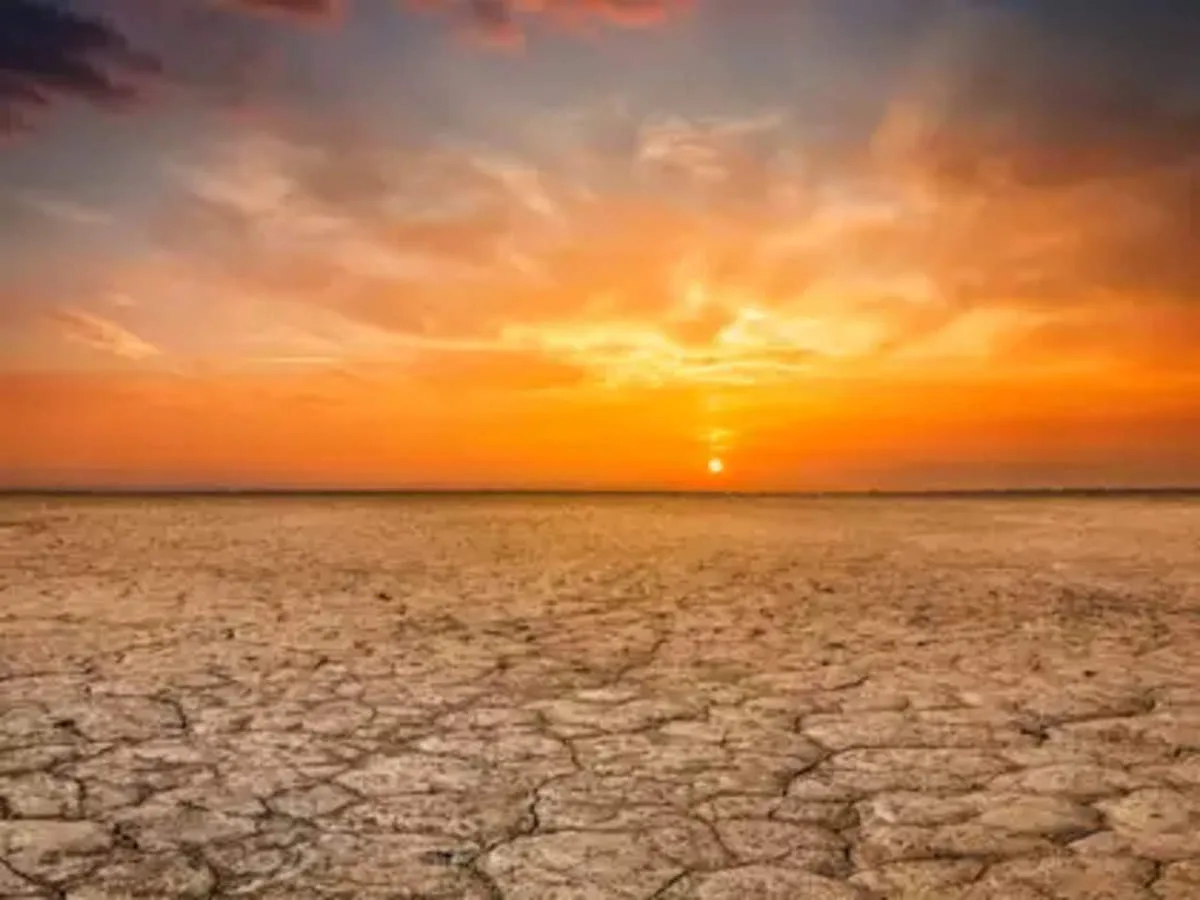
Climate change isn’t just about hot and humid weather. It also intensifies droughts, leading to drier conditions that increase the risk of wildfires. Each degree Celsius of warming can result in a sixfold increase in wildfire activity across parts of the western US. Additionally, warming oceans expand, contributing to rising sea levels that threaten coastal communities, potentially displacing billions of people by 2100.
There’s both alarming and encouraging news about climate change. The bad news is that if we continue burning fossil fuels, temperatures will continue to rise. The good news is that there has been remarkable progress in making renewable energy sources like solar and wind power reliable and affordable.
Over the past 15 years, clean energy technologies have advanced significantly, and nearly every country has committed to reducing carbon emissions to mitigate climate change’s worst impacts. Just as previous generations improved living conditions by adopting modern plumbing, we can safeguard our future by transitioning from fossil fuels to clean energy sources.