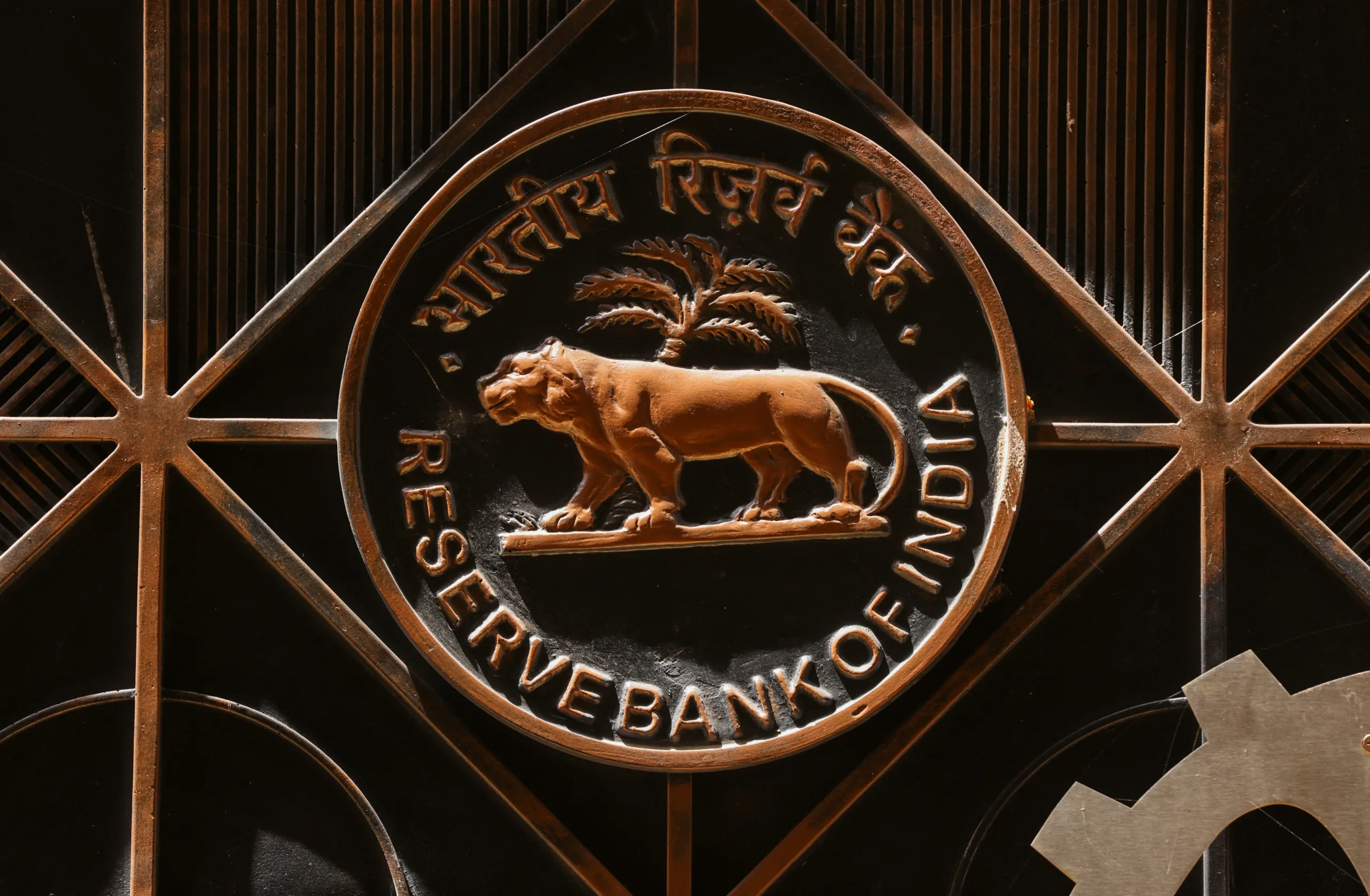
According to recent data released by the Reserve Bank of India (RBI), India’s domestically held gold reserves have witnessed a remarkable surge of 40% over the past five years.
Between March 2019 and March 2024, the total gold reserves also experienced a notable uptick of 34%. As of the end of March 2024, the RBI held a total of 822 metric tonnes of gold, with 408 metric tonnes held within the country. Comparatively, the total gold reserve stood at 612 metric tonnes at the end of March 2019, including 292 metric tonnes held domestically.
The data further indicates an increase in the share of gold in total foreign exchange reserves, rising from 7.37% as of the end of September 2023 to 8.15% by the end of March 2024. Additionally, India’s foreign exchange reserves cover of imports, on a balance of payments basis, rose to 11 months as of the end of March 2024, up from 10.2 months at the end of September 2023.
By the end of March 2024, foreign exchange reserves in India reached USD 641 billion, a notable increase from USD 578 billion recorded at the end of March 2023. The proportion of short-term debt to reserves declined from 22% in September 2023 to 20.3% by December 2023. Similarly, the ratio of volatile capital flows to reserves also decreased from 73% in September 2023 to 70.4% by December 2023.
Excluding valuation effects, foreign exchange reserves witnessed a significant increase of USD 32.9 billion during April to December 2023, compared to a decrease of USD 14.7 billion during the corresponding period of the previous year. Moreover, foreign exchange reserves in nominal terms surged by USD 44 billion during April to December 2023, in contrast to a decrease of USD 44.6 billion in the corresponding period of the preceding year.
During the one-year period between December 2022 and December 2023, external assets grew by USD 97.9 billion, while external liabilities expanded by USD 95.1 billion, showcasing a positive trend in India’s external financial position.