The Indian Judiciary: A Pillar of Democracy and Constitutional Adherence
In the complex tapestry of India’s democratic framework, the judiciary emerges as a formidable institution that upholds the rule of law and safeguards the principles enshrined in the Constitution. This article delves into the organizational structure of the Indian judiciary, its independence, and its pivotal role in safeguarding constitutional principles.
The Structure of the Indian Judiciary
The Indian judicial system is a three-tiered structure comprising the following:
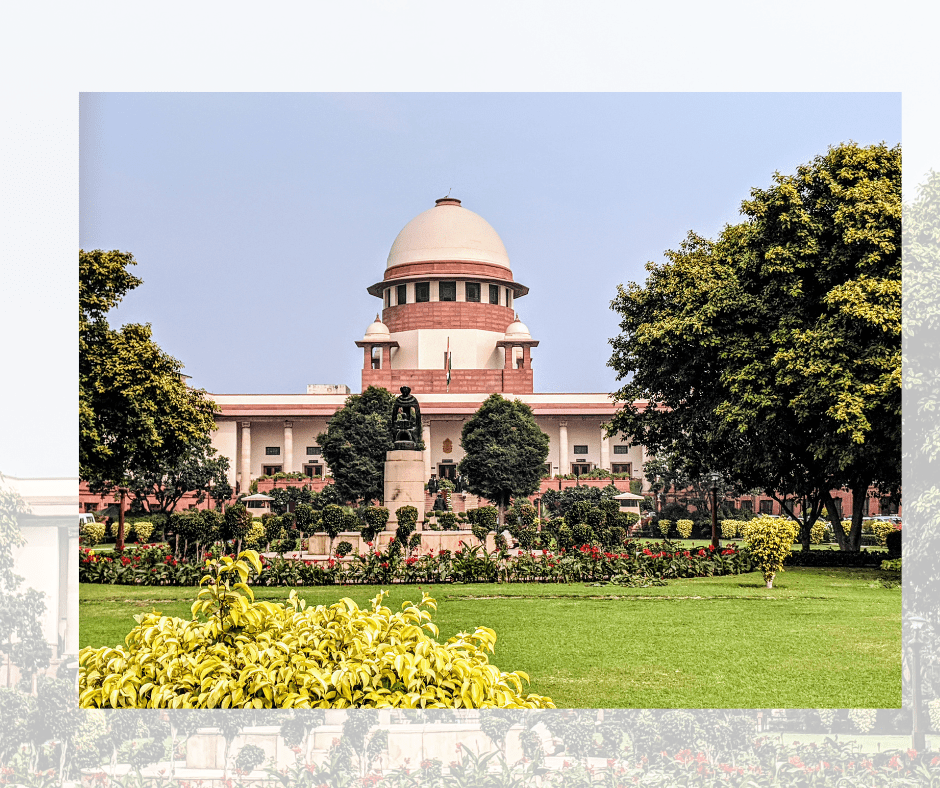
- Supreme Court of India: At the apex of the judicial hierarchy is the Supreme Court, which is the highest court in the country. It has original, appellate, and advisory jurisdiction. The Chief Justice of India heads the Supreme Court, and it is divided into various benches and divisions to handle different types of cases.
- High Courts: Each state and union territory in India has a High Court. These High Courts serve as the highest appellate courts at the state or union territory level. They have original jurisdiction in certain cases and handle appeals from subordinate courts.
- Subordinate Courts: Below the High Courts are the subordinate courts, which include district courts, sessions courts, and various specialized tribunals. These courts have jurisdiction over specific territories and types of cases.
Independence of the Indian Judiciary
The independence of the Indian judiciary is a cornerstone of its functioning. It is enshrined in the Constitution, and several measures ensure that the judiciary remains impartial and free from external influences:
- Security of Tenure: Judges of the Supreme Court and High Courts enjoy security of tenure. They can only be removed through a rigorous impeachment process, which helps insulate them from political pressures.
- Financial Autonomy: The budget of the judiciary is not subject to control by the executive branch, ensuring financial independence.
- Separation of Powers: The doctrine of separation of powers ensures that the judiciary operates independently from the executive and legislative branches of government.
- Judicial Appointments: The appointment of judges to the higher judiciary is guided by a collegium system, where senior judges have a significant say in the selection process.
The Role of the Indian Judiciary in Upholding the Constitution
The Indian judiciary plays a multifaceted role in upholding the Constitution and its principles:
- Judicial Review: The judiciary has the power of judicial review, enabling it to strike down laws or government actions that violate the Constitution. This power acts as a check on the legislative and executive branches.
- Protection of Fundamental Rights: The judiciary safeguards fundamental rights enshrined in the Constitution and ensures that citizens’ rights are not infringed upon by the state.
- Interpreting the Constitution: The judiciary interprets the Constitution’s provisions, providing clarity on legal and constitutional matters.
- Arbitrator of Disputes: It acts as an arbitrator in disputes between the central and state governments, ensuring the federal structure of India’s governance.
In conclusion, the Indian judiciary is not just a system of courts; it is a guardian of democracy and the Constitution. Its structure, independence, and role in upholding constitutional principles make it a vital institution that safeguards the rights and liberties of the Indian citizenry.