In a bid to bolster its military capabilities and ensure self-sufficiency in the face of supply chain challenges, the Indian Army is quietly embracing the concept of reverse engineering. Though not openly acknowledged, this practice involves studying existing products and platforms to recreate or improve them, a strategy often employed by militaries worldwide. With China’s mastery of this technique well-known, the Indian Army is now actively exploring the potential benefits of reverse engineering, especially in the aftermath of supply chain disruptions due to the Covid pandemic and the ongoing conflict in Ukraine.
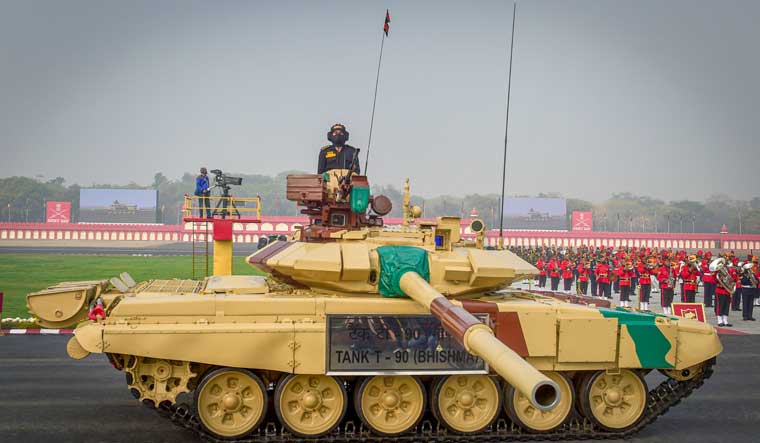
A high-ranking official within India’s military establishment, speaking on the condition of anonymity, revealed that this approach has yielded promising results. “Import substitution has been one of our aims for equipment from abroad. We have been studying products from the civilian world also and try to locate what can be of use to the military,” the official stated. As a result, the Indian Army has successfully re-engineered components of battle tanks, including engines, hydraulic systems, track assemblies, and various filters.
The ongoing tensions in eastern Ladakh have further fueled the push towards modernization and technological infusion in the Indian Army. Projects like the Innovation for Defence Excellence (iDEX) initiative have contributed to this effort, with the Army contracting several projects aimed at enhancing self-reliance and indigenous solutions. Notably, the Army Design Bureau (ADB), established in 2016, plays a pivotal role in spearheading self-sufficiency through indigenization. ADB’s mission aligns with achieving an advantage over potential adversaries through innovative and indigenous solutions.
In light of the continuous emergency procurement tranches, the Indian Army’s focus on innovation remains evident. With contracts signed for a range of capabilities encompassing mobility solutions, communication systems, drones, armament, and more, the Army’s dedication to staying at the forefront of military technology is clear. As the Army continues to invest in niche technologies, such as logistic and nano drones, counter-drones, and precision-guided missiles, it positions itself to be more self-reliant and technologically advanced, ensuring its preparedness for any future challenges.
Also Read: Indian Army Introduces Common Uniform for Brigadier and Above Ranks to Enhance Common Identity