

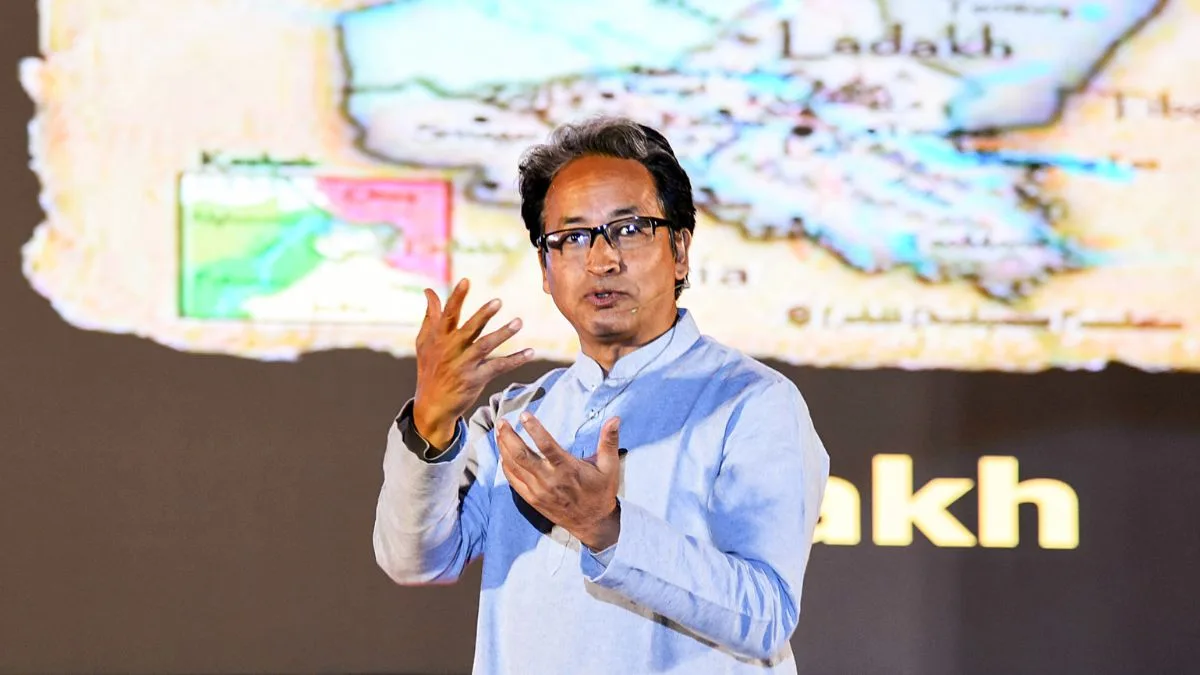
Climate activist Sonam Wangchuk has been detained under the National Security Act (NSA) and transferred to Jodhpur Jail, creating nationwide outrage among netizens. His arrest occurred on September 28, 2023, shortly after violent protests erupted in Ladakh demanding statehood and adherence to the Sixth Schedule.
Late on Friday night, the Ladakh administration confirmed Wangchuk’s detention, stating that his activities posed threats to public order and security. As a prominent figure in the movement for Ladakh’s rights, Wangchuk’s arrest has sparked vehement responses online, with many citizens dubbing it a “black day” for the region.
The protests preceding Wangchuk’s arrest resulted in tragic violence, claiming four lives and injuring over 90 individuals due to police firing. This turmoil highlights the rising tensions in the region as calls for statehood intensify.
Wangchuk initiated a 35-day fast on September 10 in Leh to advocate for the Sixth Schedule, crucial for ensuring tribal rights, alongside demands for statehood and environmental protections for Ladakh’s vulnerable ecosystems. He ultimately concluded his fast on September 24 amidst escalating violence.
In a midnight announcement, the administration expressed concern over Wangchuk’s actions. The official statement noted, “Sonam Wangchuk has indulged in activities prejudicial to the security of the state and detrimental to public order.” Furthermore, it cited his alleged incitement of violence through provocative discussions and online content.
Soon after the announcement, social media platforms erupted with a wave of outrage. Users criticized the administration, with many targeting Lt. Governor Kavinder Gupta, holding him accountable for the disorder that led to civilian casualties.
The official statement portrayed Wangchuk as a catalyst for disorder, claiming that he continued his hunger strike despite government communications suggesting dialogue via the High-Powered Committee (HPC). It accused him of perpetuating unrest through inflammatory rhetoric, including references to the Arab Spring and protests in Nepal.
This tumultuous backdrop indicates a broader struggle for political representation and rights within the region. Prominent social activist and fellow advocate for Ladakh’s statehood, Dr. Anya Rawat, called for public discourse on the government’s response to agitation, stating, “We must engage in constructive dialogue rather than repression. Arresting activists only deepens the divide.”
Meanwhile, the Ladakh administration insists that the decision to move Wangchuk was made in the interest of maintaining peace in Leh. The official communiqué reiterated that it was crucial to restore normalcy and prevent further provocations.
Experts and analysts have voiced concerns that detaining a high-profile activist such as Wangchuk could incite further unrest, potentially undermining the government’s authority in Ladakh. The region, already embroiled in a struggle for autonomy and rights, faces an uncertain future as this episode unfolds.
The ongoing resistance from local communities reflects a growing demand for recognition and political autonomy. As regional dynamics evolve, the significance of individuals like Sonam Wangchuk cannot be underestimated, particularly when advocacy intersects with pressing environmental and social issues.
Looking ahead, the Ladakh administration will face considerable pressure to navigate these complex societal undercurrents while addressing the legality and ethics surrounding the implementation of the NSA against activists. The coming days may very well define the future trajectory of political engagement and activism in Ladakh.

