

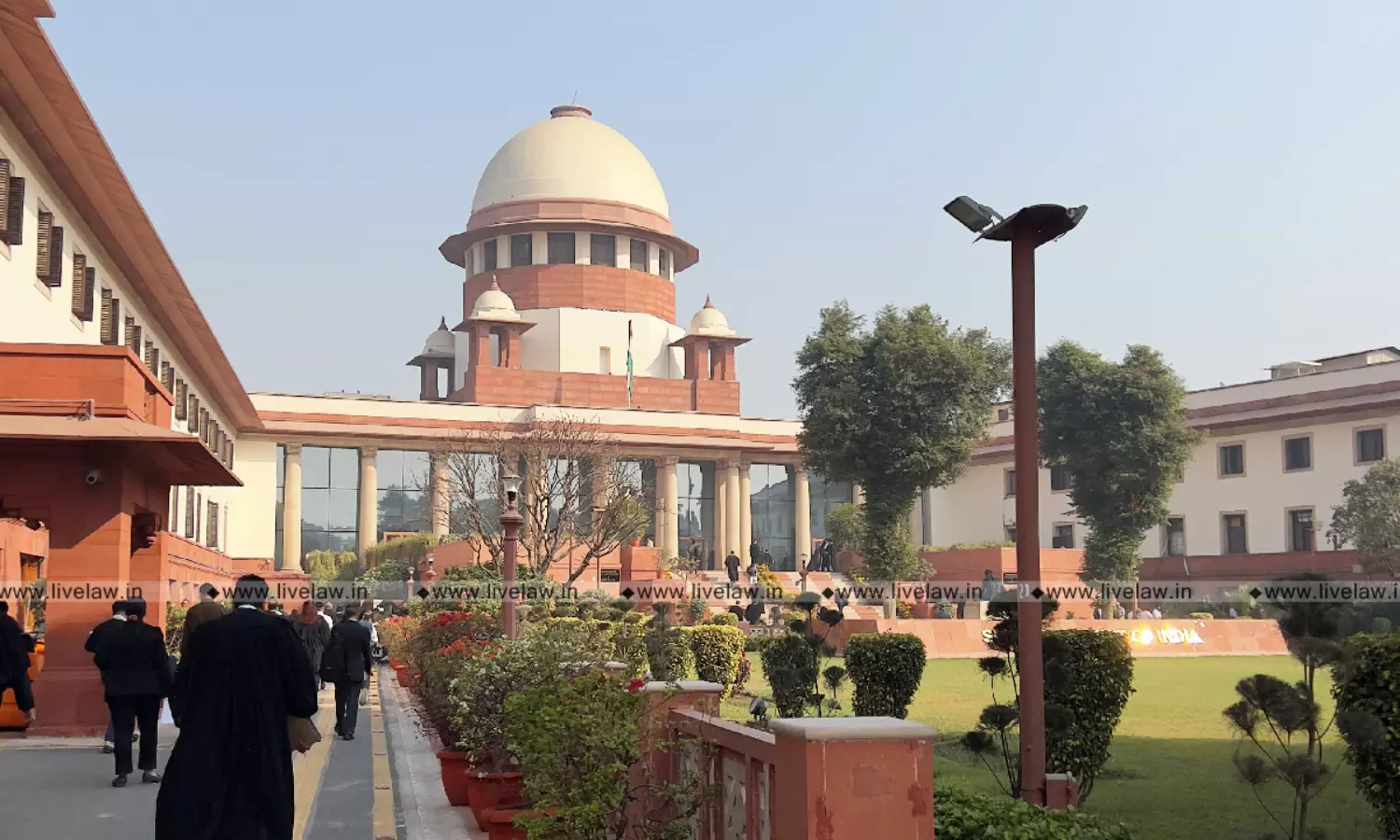
Supreme Court Directs CBI Investigation
The Supreme Court has instructed the Central Bureau of Investigation (CBI) to verify the authenticity of an advocate’s degree following allegations of forgery by Magadh University. This significant development unfolded on September 15 when a bench of Justices Manoj Misra and Ujjal Bhuyan heard an appeal related to the matter.
Background of the Case
The dispute began when the controller of examinations at Magadh University issued a letter asserting that the lawyer’s marksheet and Bachelor of Commerce (B.Com) degree were “forged and not issued from the university.” The remarks raised serious questions about the integrity of the lawyer’s educational qualifications.
The Supreme Court’s intervention came after the Bar Council of India’s disciplinary committee made a ruling on the case. The bench noted the necessity of further investigation and thus mandated the CBI to step in.
Evidence Presented
In response to the court’s request, the lawyer presented a photocopy of his B.Com degree, claiming it was legitimate. He explained that the university’s records had been torn, which made it impossible to verify the degree with available documentation. This claim adds another layer of complexity to the ongoing investigation.
“We deem it appropriate to require the Central Bureau of Investigation, Delhi to conduct the investigation and ascertain whether the degree submitted by the Petitioner for having passed the B.Com examination from Magadh University in the year 1991 is genuine or forged,” stated the bench.
Next Steps in the Investigation
The court directed the CBI to appoint an officer to handle the investigation and submit a report by November 3. This timeline indicates the urgency with which the court is treating the matter, highlighting the importance of educational integrity within the legal profession.
This case raises critical questions about how authenticity of degrees is verified in higher education, especially in light of growing concerns about educational fraud. According to a 2022 survey by the National Association of College and Employers, over 40% of employers in the U.S. reported encountering issues related to deceptive credentials.
Implications for Legal Professionals
The outcome of this investigation could have broad implications for the legal community. If the advocate is found to possess a forged degree, it could lead to disciplinary actions from the Bar Council of India and significantly impact the trust in legal professionals’ qualifications.
This case emphasizes the need for stringent verification processes of educational credentials to uphold the integrity of the legal profession. Advocates and law firms may need to reassess their verification strategies in order to protect themselves from potential fallout related to degree authenticity.

