

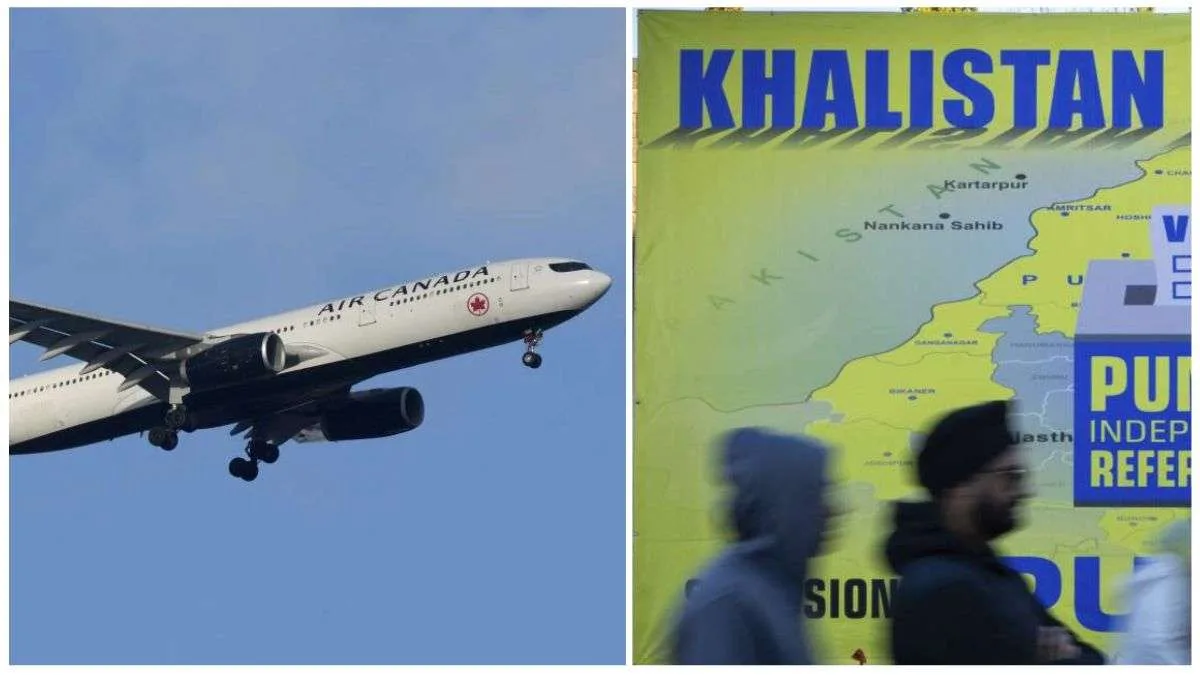
Ottawa, Jun 21 — A Canadian court has upheld the inclusion of two Sikh extremists on the country’s no-fly list, ruling that there are “reasonable grounds” to suspect they pose a threat to transportation security or might use air travel to commit terrorism.
This week, the Federal Court of Appeal dismissed an appeal by Bhagat Singh Brar and Parvkar Singh Dulai. The appeal followed their unsuccessful constitutional challenge against their no-fly designations under Canada’s Secure Air Travel Act, as reported by The Canadian Press from Vancouver on Thursday.
The two individuals were prevented from boarding planes in Vancouver in 2018. The ruling states that the act empowers the public safety minister to ban individuals from flying if there are “reasonable grounds to suspect they will threaten transportation security or travel by air to commit a terrorism offence.”
“At some point, the appellants tried to fly. They could not,” the ruling stated. “They were on the list, and the minister had directed that they not fly.”
The appellate panel concluded that, based on confidential security information, the minister “had reasonable grounds to suspect that the appellants would travel by air to commit a terrorism offence.”
In 2019, Brar and Dulai sought to have their names removed from the no-fly list through the Federal Court of Canada. However, in 2022, Justice Simon Noel ruled against them both, stating that the restrictions placed on Dulai were “the result of evidence-based suspicions that he could fly abroad in order to plot a terrorist attack.”
“The Government of Canada must enact laws that protect national security and intelligence activities in a way that respects rights and freedoms and encourages the international community to do the same,” Noel stated in his ruling.
In their appeal, Brar and Dulai argued that the impairment of their rights due to their placement on the list was not “minimal” and therefore unjustified. However, the appellate court found the legislation justified and the confidential portions of the court process procedurally fair.
The Secure Air Travel Act addresses “national security, international relations, and global co-operation to prevent terrorism,” focusing on prevention rather than past events. The appellate court noted the act’s preventive nature, designed to address potential risks proactively.
Judge David Stratas, writing for the three-judge panel, emphasized the balance between protecting rights and ensuring national security. He noted that the stakes for the government in security and terrorism prevention are “sky-high,” justifying some leeway for Parliament.
Lawyers for Brar and Dulai did not immediately respond to requests for comment on the court’s ruling.
According to sources in New Delhi, Dulai is a member of the banned Babbar Khalsa and a close associate of opposition New Democratic Party leader Jagmeet Singh. Dulai operates “Channel Punjabi” from Surrey and “Global TV” from Chandigarh, both of which allegedly spread Khalistani propaganda.
This ruling comes amid strained India-Canada relations, following Canadian Prime Minister Justin Trudeau’s allegations in September last year of a “potential” involvement of Indian agents in the killing of Hardeep Singh Nijjar. New Delhi dismissed Trudeau’s charges as “absurd” and “motivated.”
India has consistently highlighted its concerns about Ottawa providing a safe haven for pro-Khalistan elements operating from Canadian soil with impunity.

