

New Delhi, Jun 19 : India has been placed 63rd on the World Economic Forum’s Energy Transition Index, showing significant improvement in energy equity, security, and sustainability, according to a report released on Wednesday.
The index, topped by Sweden, also features Denmark, Finland, Switzerland, and France in the top five spots, while China secured the 20th rank.
The report highlighted that while 83 per cent of countries regressed in at least one dimension of energy system performance (security, equity, sustainability), India, China, and Brazil stood out for their progress.
India’s efforts were recognized for leading initiatives that could serve as global models, including policies promoting energy-efficient infrastructure and incentives for retrofitting. The WEF emphasized the potential for developing nations to pioneer innovative energy solutions, showcasing examples of scalable, cost-effective technologies originating from developed countries.
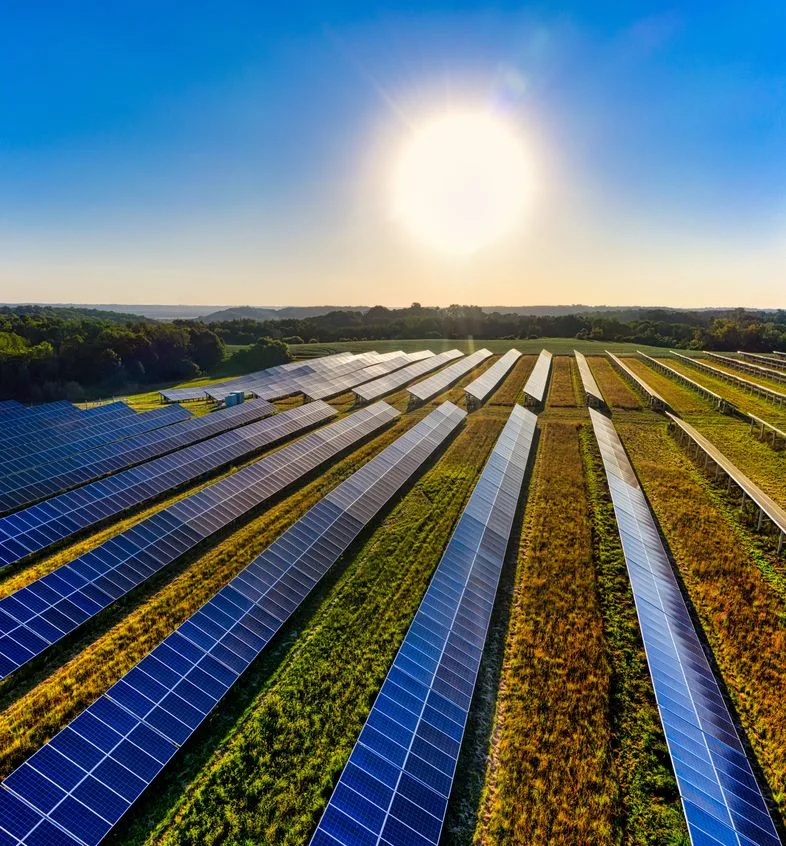
Regarding India’s role, the WEF underscored the country’s advancements in renewable energy, noting that renewables and biomass account for 42 per cent of its power generation capacity, positioning it as a major player in global renewable markets. The report praised India’s investments in electric vehicles (EVs) and green hydrogen production, highlighting annual investments nearing USD 10 billion in these sectors.
Despite these strides, India’s reliance on coal remains a challenge, contributing significantly to its emission intensity. However, India’s per capita emissions of 1.7 tonnes of CO2 are notably lower than the global average of 4.4 tonnes per capita.
Looking ahead, the report emphasized the need for India to continue investing in energy efficiency to decouple economic growth from energy demand, particularly in infrastructure and manufacturing sectors.
The WEF acknowledged India’s focus on integrating renewable energy to support income generation and microenterprises, highlighting the country’s commitment to sustainable energy practices that benefit local communities and foster economic growth.
In conclusion, while global energy transition progress has slowed amidst increasing uncertainty, India’s strategic initiatives and evolving energy landscape underscore its potential to drive substantial changes in the global energy paradigm.

