

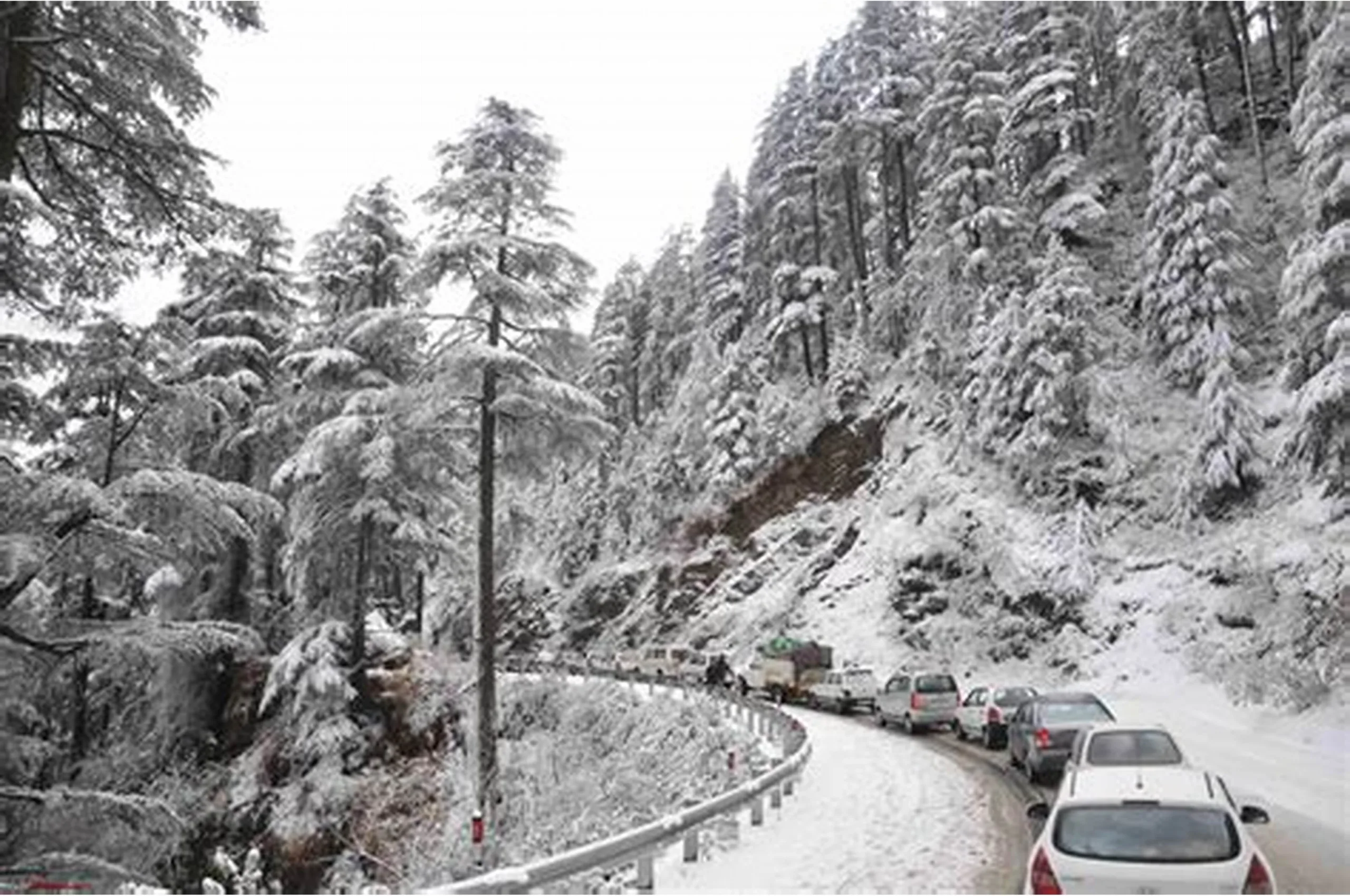
Srinagar, Jan 25 : The prolonged dry spell in Jammu and Kashmir may come to an end as officials forecast rain and snowfall at various locations in the coming days. The night temperatures in the Kashmir valley witnessed an increase due to a cloud cover, with Srinagar recording a minimum temperature of minus 3.6 degrees Celsius on Wednesday night, a rise from the previous night’s minus 5.3 degrees Celsius.
According to the meteorological department, the weather in Jammu and Kashmir is expected to be generally cloudy on Thursday, with light snow in isolated higher reaches towards the night. Friday may bring light rain in the plains and light snow in scattered higher reaches early morning.
Saturday’s weather is anticipated to be cloudy, with the possibility of light snow in isolated higher reaches late evening. From Sunday to Wednesday, the region may experience light to moderate rain and snow over widespread places. Additionally, there is a chance of light rain and snow at some locations on February 1 and 2.
The weather office has cautioned that this system could lead to the temporary closure of roads in higher reaches and critical passes like Sinthan Pass, Mughal Road, Sadhna, Razdan passes, and Zojila Pass, particularly from January 28-31.
Meanwhile, the night temperature in the Kashmir Valley improved due to the cloud cover, with Srinagar recording a minimum temperature of minus 3.6 degrees Celsius on Wednesday night. Pahalgam in south Kashmir’s Anantnag district, Qazigund town, Gulmarg in north Kashmir, Kokernag town, and Kupwara also saw a rise in minimum temperatures.
The dry and mostly snowless winter in Kashmir has led to freezing nights and warmer than usual days. A 79 per cent deficit in rainfall was recorded for December, and the first three weeks of January saw no precipitation in most parts of the valley.
The ongoing “Chilla-i-Kalan,” a 40-day harsh winter period, has brought cold wave conditions, freezing water bodies, and water in pipes. While this period is set to end on January 31, cold conditions are expected to persist during the subsequent 20-day ‘Chilla-i-Khurd’ (small cold) and the 10-day ‘Chilla-i-Bachha’ (baby cold).

