

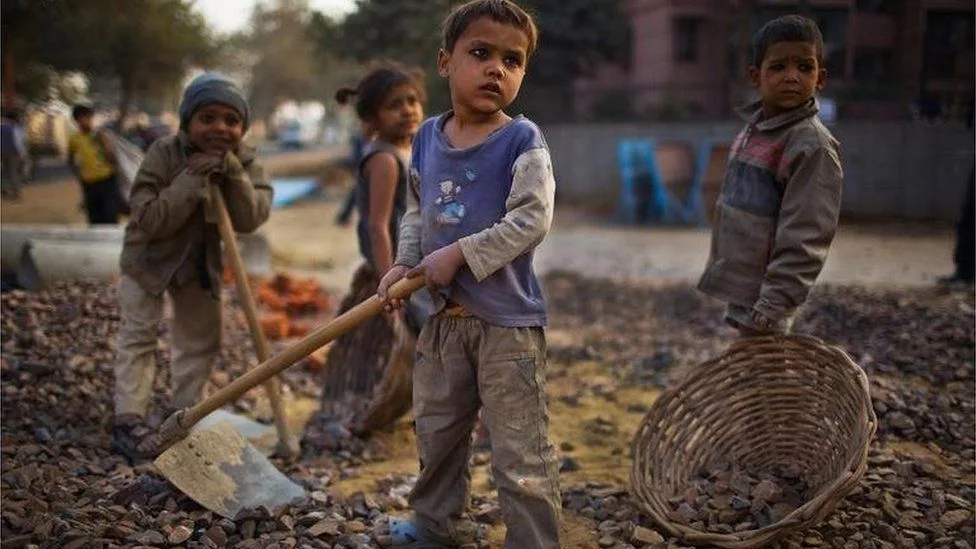
Child labour is a pressing issue that plagues societies worldwide, and India is no exception. It refers to the employment of children in any form of work that deprives them of their childhood, hinders their ability to attend regular schooling, and exposes them to mental, physical, social, or moral hazards. In this comprehensive article, we delve into the nuances of child labour, its impact on society, and the urgent need to eliminate this deep-rooted social ill.
The Magnitude of the Problem
According to the Census of India 2011, a staggering 10.1 million children aged 5-14 years were engaged in labour, out of which 8.1 million resided in rural areas. These children were primarily involved in agricultural activities, with 26% working as cultivators and 32.9% as agricultural labourers. While there has been a marginal decrease in the number of working children from 5% in 2001 to 3.9% in 2011, this decline rate falls woefully short of achieving the target set by the UN Sustainable Development Goals (SDGs) under target 8.7, which aims to eradicate child labour in all its forms by 2025.
India’s Disturbing Reality
Regrettably, India tops the list when it comes to the number of children trapped in bonded labour and slave-like conditions. This alarming situation necessitates immediate action and heightened awareness to protect the rights and well-being of these vulnerable children.
The Devastating Consequences
Child labour inflicts severe physical and psychological harm on children, impeding their overall development. Let’s explore some of the grave consequences faced by these young souls:
- Health Risks: Working in hazardous conditions exposes children to various occupational diseases such as skin ailments, lung disorders, weakened eyesight, and tuberculosis. These health issues can have lifelong implications and hinder their ability to lead healthy and productive lives.
- Exploitation: Children engaged in labour are highly susceptible to sexual exploitation in the workplace, perpetuating a cycle of abuse and robbing them of their innocence and dignity. This grim reality highlights the urgent need for stringent measures to protect these children from such heinous crimes.
- Education Deprivation: By being compelled to work at an early age, children are deprived of their right to education. Lack of access to quality education limits their opportunities for personal growth, perpetuating a cycle of poverty and restricting their future prospects.
Breaking the Chains of Child Labour
To combat this pervasive issue, concerted efforts from all sectors of society are imperative. The following measures can contribute significantly to eradicating child labour and ensuring a brighter future for these children:
- Strengthening Legislative Frameworks: Governments must enact and enforce stringent laws that protect the rights of children and prohibit any form of child labour. These laws should include robust monitoring mechanisms and strict penalties for violators.
- Promoting Education: Accessible and quality education is key to breaking the cycle of child labour. Governments, non-governmental organizations (NGOs), and communities must collaborate to provide free and compulsory education to all children, creating an enabling environment that encourages their enrollment and retention in schools.
- Supporting Economic Empowerment: Addressing the root causes of child labour requires initiatives that alleviate poverty and promote sustainable economic growth. This involves creating employment opportunities for adults, providing vocational training programs, and implementing social protection measures that safeguard vulnerable families.
- Raising Awareness: Widespread awareness campaigns are instrumental in changing societal attitudes and perceptions towards child labour. These campaigns should educate communities about the importance of child rights and the dangers of child labour.
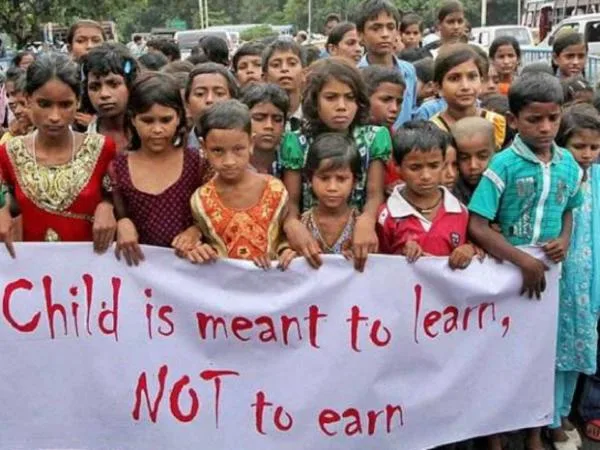
Factors Leading to Child Labour: Understanding the Complexities
Child labour remains a persistent problem, and it is crucial to examine the underlying factors that contribute to its prevalence. In this article, we delve into the various reasons that perpetuate child labour in India, shedding light on the complex socioeconomic challenges faced by the nation.
- Increase in ‘Out of School’ Children: The number of children who are “out of school” is a significant contributing factor to the prevalence of child labour. According to UNESCO estimates, approximately 38.1 million children in India are not enrolled in any educational institution. The lack of access to education creates a void in their lives, making them susceptible to exploitation and forced labour.
- Economic Crisis and Income Reductions: The economic downturn and subsequent lockdowns have had detrimental effects on businesses and workers, particularly those in the informal sector. With reduced incomes and financial instability, families are often compelled to rely on child labour as a means to supplement household earnings and meet basic needs.
- Socioeconomic Challenges and the Return of Migrant Workers: The mass exodus and subsequent return of migrant workers during the pandemic have exacerbated the child labour problem. The socioeconomic challenges faced by these workers upon their return, including limited job opportunities and financial hardships, have pushed families into desperate situations where child labour becomes a perceived solution.
- Issues in the Indian Economy: Even before the pandemic, India was grappling with slower economic growth and rising unemployment rates. These challenges have further deepened the vulnerabilities of families, making them more susceptible to resorting to child labour as a means of survival.
- Digital Divide and Lack of Access to Education: The digital divide, characterized by limited access to the internet and digital devices, has significantly impacted the education landscape. With the shift towards distance and online learning, children from marginalized communities often lack the necessary resources to participate fully in educational opportunities. According to the NSS Report titled ‘Household Social Consumption on Education in India,’ only 24% of Indian households had access to internet facilities, exacerbating the educational inequalities and increasing the likelihood of child labour.
- Growth of the Unorganized Sector: Stringent labour laws and regulations have prompted many industries to favor contractual labour over permanent hiring. This shift towards the unorganized sector has created a conducive environment for child labour to thrive, as employers exploit the lack of legal protections and oversight associated with such arrangements.
- Weak Laws and Inadequate Enforcement: The effectiveness of laws pertaining to child labour hinges upon their implementation and enforcement. In some instances, existing laws may not adequately address the seriousness of the issue, leading to gaps that allow child labour to persist. The need for regular updates and stronger enforcement mechanisms is crucial in combating this problem effectively.
- Increased Economic Insecurity and Reduced Household Income: Economic insecurity and declining household incomes contribute to the vulnerability of families, pushing them towards engaging their children in labour to cope with financial hardships. Without sufficient social protection measures, families face immense pressure to prioritize immediate economic survival over the long-term well-being of their children.
- Cycle of Poverty and Lack of Social Mobility: Children from impoverished households are disproportionately affected by child labour. The intergenerational cycle of poverty, limited access to quality education, and lack of social mobility perpetuate the vicious cycle of child labour, restricting these children’s opportunities for a better future.
Addressing the factors that contribute to child labour requires a multi-faceted approach, encompassing legislative reforms, investment in education and skill development, social welfare initiatives, and comprehensive poverty alleviation programs. By addressing these underlying causes, we can strive towards a society where every child can enjoy their fundamental rights and fulfill their potential.
Impacts of Child Labour: Unveiling the Consequences
Child labour leaves a profound impact on the lives of children, their communities, and the nation as a whole. In this article, we explore the various ramifications of child labour, shedding light on its detrimental effects on childhood, adulthood, health, poverty, and the socio-economic well-being of a country.
- Affects Childhood: Child labour robs children of their rightful childhood. It not only denies them access to education but also deprives them of the simple joys and experiences that define this formative phase of life. Instead of engaging in play, learning, and social interactions, these children are burdened with work responsibilities that steal their innocence and hinder their overall development.
- Affects Adult Life: Child labour prevents children from acquiring the necessary skills and education they need to secure decent work opportunities as adults. By forgoing their education and training, they are ill-equipped to break free from the cycle of poverty and are likely to face limited job prospects and low-paying occupations in their future.
- Major Health and Physical Risks: Child labour exposes children to prolonged working hours and tasks for which they are physically and mentally unprepared. Working in hazardous conditions and being subjected to physically demanding labor have adverse effects on their physical and mental well-being. It hampers their overall growth, impacting intellectual, emotional, and psychological development, which can have long-lasting consequences throughout their lives.
- Poverty: Child labour is both a cause and consequence of poverty. In households struggling with poverty, children are compelled to enter the labor market to contribute to the family income. By engaging in labor at an early age, these children are deprived of the opportunity to receive an education. This perpetuates a vicious cycle where the lack of education limits their future earning potential, trapping them and their families in a continuous cycle of poverty across generations.
- Affects the Country as a Whole: The existence of a significant number of child labourers has far-reaching implications for the overall economy and social welfare of a country. The exploitation of children as laborers hampers the human capital development of the nation, limiting its potential for sustainable economic growth. Moreover, child labour impedes social progress, hindering efforts to achieve social equality and inclusive development.
The impacts of child labour are pervasive and far-reaching, affecting not only the individual children involved but also their communities and the nation at large. It is imperative for governments, organizations, and individuals to work collectively to eradicate child labour and create a nurturing environment that allows every child to enjoy their rights, receive an education, and grow up in a healthy and supportive setting.
Child Labour: Constitutional and Legal Provisions in India
Child labour is a grave concern that undermines the rights and well-being of children. Recognizing the urgency to address this issue, the Indian constitution and legal framework have incorporated several provisions to safeguard the rights of children and combat child labour. In this article, we delve into the constitutional and legal provisions in India pertaining to child labour, highlighting the measures taken to protect children from exploitation.
- The Indian Constitution: The Indian constitution enshrines the right to education as a fundamental right for children between the ages of six and fourteen under Article 21A. This provision emphasizes the importance of providing free and compulsory education to all children, thereby aiming to ensure that they are not engaged in labor at the expense of their education.
- Prohibition of Forced Labor: Article 23 of the Indian Constitution explicitly prohibits any form of forced labor. This provision serves as a crucial safeguard against the exploitation of children and reinforces the need to eliminate any practices that force children into labor against their will.
- Prohibition of Hazardous Work: Article 24 stipulates that children under the age of fourteen cannot be employed to perform any hazardous work. This provision recognizes the vulnerability of young children and aims to protect them from engaging in tasks that could pose a threat to their safety, health, and overall well-being.
- Protection of Health and Strength: Article 39 of the Indian Constitution emphasizes the importance of safeguarding the health and strength of workers, including children. This provision reflects the commitment to ensure that children are not subjected to labor that compromises their physical and mental development.
- Child Labour (Prohibition and Regulation) Act, 1986: The Child Labour Act of 1986 is a significant legislative measure that prohibits the employment of children under the age of fourteen in hazardous industries and processes. This act aims to provide a legal framework to combat child labour and protect children from exploitation.
- Policy Interventions: Several policy interventions have been implemented to address the issue of child labour in India. The Mahatma Gandhi National Rural Employment Guarantee Act (MGNREGA) of 2005, the Right to Education Act of 2009, and the Mid Day Meal Scheme have played pivotal roles in ensuring that children have access to education while also providing wage employment opportunities for rural families.
- International Commitments: In 2017, the Indian government ratified International Labour Organization (ILO) Conventions Nos. 138 and 182, which focus on setting minimum age standards and eliminating the worst forms of child labour. This ratification demonstrates the commitment of the Indian government to eradicate child labour, particularly in hazardous occupations.
Despite significant progress in reducing child labour over the past two decades, the COVID-19 pandemic has posed new challenges. The closure of schools and the economic crisis triggered by the pandemic have increased the vulnerability of children, pushing them into poverty and unsafe forms of work. Reports indicate that the pandemic may reverse years of progress in the fight against child labour, with millions of children at risk of being pushed into labor.
Efforts must be intensified to protect children from exploitation and ensure their well-being. The Indian government, civil society organizations, and individuals must work together to enforce existing laws, strengthen implementation mechanisms, and provide support to vulnerable families. Only through collective action and a comprehensive approach can we create a society where every child is guaranteed their rights, protected from child labour, and provided with the opportunity to grow, learn, and thrive.
Impact of the Pandemic:
- COVID-19 crisis forces children out of school and into farms and factories, worsening child labour in India
- Additional poverty caused by the pandemic threatens years of progress in combating child labour
- School closures and economic hardships increase vulnerability to exploitation
- Unemployment rates rise, with informal workers suffering the most
- Orphaned children are at higher risk of trafficking and forced labour
- Children fill jobs left vacant by returning migrant laborers
- Civil society group rescues hundreds of children from forced work during the lockdown
Challenges before policy makers with respect to child labour:
- Definitional confusion around the age of a child in various laws
- Lack of identification documents makes age verification difficult
- Weak enforcement, corruption, and poor governance hinder eradication efforts
- Pandemic hampers enforcement with reduced inspections and pursuit of traffickers
- Anticipation of a surge in child labour as economic activity resumes
- Impact of the pandemic worsens conditions for existing child labourers
Government measures undertaken to eradicate child labour in India:
- Child Labour (Prohibition and Regulation) Act and its amendment
- Ratification of International Labour Organization conventions
- National Policy on Child Labour and Juvenile Justice Act
- Launch of dedicated platform for effective enforcement of child labour laws
- Right to Education Act ensures free education for children aged six to 14
- Amendments to the Scheduled Castes and Scheduled Tribes (Prevention of Atrocities) Act
- Draft National Policy for Domestic Workers
- Establishment of separate cells in police stations for juvenile, women, and child protection
- Involvement of NGOs in combating child labour
Also Read More Articles From Social Justice
Way Forward:
- Abolition of child trafficking, elimination of poverty, and access to education can reduce child labour
- Strict implementation of labour laws and addressing unemployment are essential
- Strengthening policy enforcement and building capacities at various levels
- Promoting education to combat child labour and improving school access and quality
- Creating child labour-free businesses and supporting informal sector workers
- Role of Panchayats in generating awareness, encouraging school enrollment, and improving conditions
- Changing attitudes and fostering public support to prevent child labour
- Integrated approach addressing child protection, poverty, and education
- Treating children as active stakeholders and aligning efforts with the SDGs
Read more detailed article on: MINISTRY OF LABOUR & EMPLOYMENT, GOVERNMENT OF INDIA Website

