

Harnessing the Power of Social Media in Disaster Management: Connecting, Informing, and Mobilizing Communities
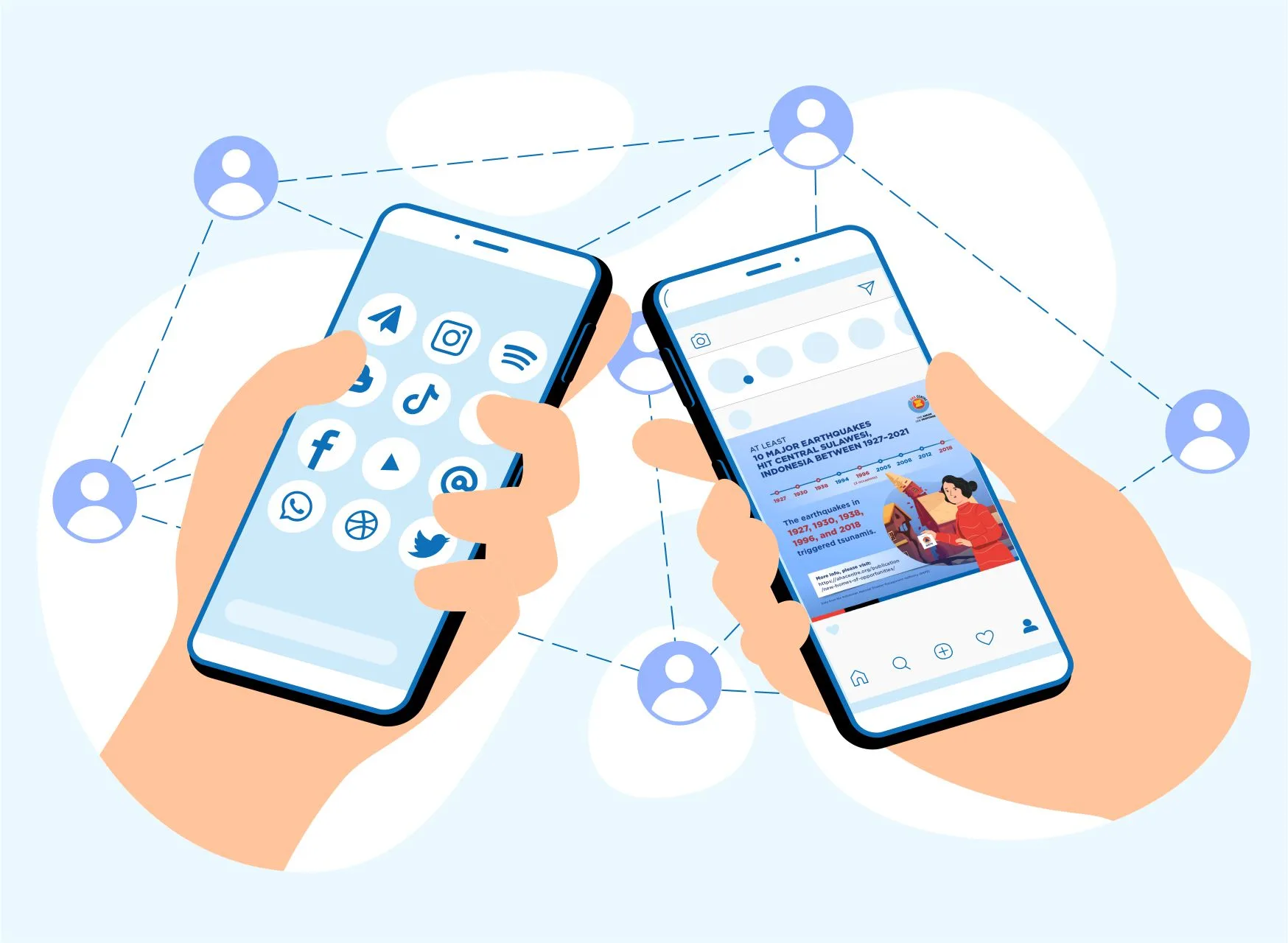
In the digital age, social media platforms have emerged as powerful tools for communication and information sharing. During times of disasters, social media plays a significant role in disaster management by facilitating real-time communication, providing situational updates, coordinating relief efforts, and mobilizing communities. Let’s explore the key roles played by social media in disaster management.
- Rapid Dissemination of Information: Social media platforms enable the rapid dissemination of information during disasters. Through posts, tweets, and updates, individuals and organizations can share real-time updates on the situation, including evacuation notices, safety guidelines, emergency contact information, and resource availability. The speed and accessibility of social media help bridge the information gap and reach a wide audience, ensuring timely awareness and response.
- Crowdsourcing and Collaborative Efforts: Social media serves as a platform for crowdsourcing information and mobilizing collective efforts. Users can share photos, videos, and eyewitness accounts, providing valuable insights into the impact of the disaster. This user-generated content helps authorities understand the situation on the ground and make informed decisions. Social media also facilitates the coordination of volunteer initiatives, donation drives, and community support, amplifying the impact of relief efforts.
- Emergency Communication and Crisis Response: During disasters, social media platforms act as channels for emergency communication and crisis response. Authorities can utilize official accounts to provide updates, address concerns, and dispel rumors, fostering a sense of trust and reliability. Social media platforms also enable two-way communication, allowing individuals to seek help, report emergencies, and share their experiences. This direct interaction enhances the efficiency of emergency response and enables authorities to prioritize resources effectively.
- Public Awareness and Education: Social media plays a crucial role in raising public awareness and promoting disaster preparedness. Organizations and influencers can share educational content, infographics, and videos to inform the public about potential risks, safety measures, and evacuation procedures. Social media campaigns can engage a wide audience, encouraging individuals to develop emergency plans, assemble disaster kits, and stay informed. This proactive approach enhances community resilience and reduces vulnerability.
- Monitoring and Early Warning Systems: Social media platforms serve as valuable tools for monitoring and early warning systems. By monitoring hashtags, geolocation data, and user-generated content, authorities can gain real-time insights into the intensity and spread of the disaster. Sentiment analysis and social media analytics help assess public sentiment, identify areas of concern, and target response efforts more effectively. Social media can complement traditional early warning systems, providing additional data for accurate situational assessments.
- Crisis Mapping and Resource Allocation: During disasters, social media can facilitate crisis mapping and resource allocation. Mapping tools and platforms allow individuals to mark areas of need, identify available resources, and request assistance. This information helps authorities and relief organizations allocate resources efficiently and reach the affected areas more effectively. By harnessing the collective intelligence of social media users, disaster management efforts can be better targeted and coordinated.
Also Read : Role of Media in Disaster Management
Conclusion: Social media has revolutionized the way we communicate and share information, and its role in disaster management is no exception. The ability to connect, inform, and mobilize communities in real-time has significantly enhanced disaster response and recovery efforts. By leveraging the power of social media, authorities, organizations, and individuals can collaborate, raise awareness, coordinate relief efforts, and build more resilient communities. As users, let’s responsibly utilize social media during disasters, verify information, and actively contribute to supporting those affected by sharing accurate updates and participating in relief initiatives.
You can Visit NDMA site : https://ndma.gov.in/

