

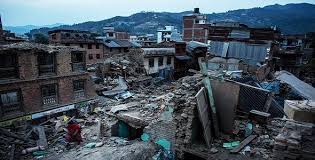
Disaster Management: Understanding the Fundamentals of Disaster Preparedness and Response
Disasters are events that cause significant disruption, damage, and loss of life and property, often resulting from natural phenomena or human activities. Effective disaster management involves a systematic approach to mitigate risks, prepare for potential hazards, respond swiftly, and facilitate recovery. Let’s explore the key concepts related to disaster management:
- What is a Disaster? A disaster is a sudden and extreme event that overwhelms the capacity of a community or society to cope, causing widespread destruction, displacement, and distress. Disasters can be natural, such as earthquakes, floods, hurricanes, or man-made, including industrial accidents, terrorist attacks, or pandemics.
- What is a Hazard? A hazard refers to a potential threat or source of danger that can cause harm or damage. Hazards can be natural, such as geological (earthquakes, volcanic eruptions), hydrological (floods, tsunamis), meteorological (storms, hurricanes), or biological (epidemics, pandemics). Hazards can also be human-induced, such as technological accidents, chemical spills, or conflicts.
- What is Vulnerability? Vulnerability refers to the susceptibility of individuals, communities, or systems to the impacts of hazards. It is influenced by factors such as socioeconomic conditions, infrastructure, access to resources, education, healthcare, and governance. Vulnerability varies across different population groups, regions, and contexts.
- What is Risk? Risk is the probability of a hazard occurring and the potential consequences it poses. It is determined by assessing the likelihood of a hazard event and the vulnerability of exposed elements. Risk assessment helps identify and prioritize actions to reduce vulnerabilities, enhance preparedness, and develop effective response plans.
- What is Capacity? Capacity refers to the ability of individuals, communities, organizations, and systems to effectively manage and respond to disasters. It encompasses resources, knowledge, skills, institutional frameworks, infrastructure, and governance structures that contribute to preparedness, response, recovery, and long-term resilience.
- Classification of Disasters: Disasters can be classified into various categories based on their origin and characteristics. Common classifications include natural disasters (e.g., earthquakes, floods, hurricanes), technological disasters (e.g., industrial accidents, chemical spills), complex emergencies (e.g., conflicts, humanitarian crises), and biological disasters (e.g., pandemics, epidemics).
- Disaster Management Cycle: The disaster management cycle comprises a continuous process of activities aimed at reducing risks, preparing for potential hazards, responding effectively during emergencies, and facilitating recovery and rehabilitation. The cycle consists of four phases:
- Mitigation: Measures taken to reduce or eliminate the impact of hazards, including land-use planning, infrastructure development, public awareness campaigns, and building codes.
- Preparedness: Activities and planning undertaken to enhance readiness, including developing emergency response plans, conducting drills and exercises, establishing early warning systems, and training emergency responders.
- Response: Immediate actions taken during and immediately after a disaster to save lives, provide emergency assistance, and restore critical services. It includes search and rescue operations, medical aid, evacuation, and emergency relief distribution.
- Recovery: Activities aimed at restoring normalcy, rebuilding infrastructure, providing support to affected individuals and communities, and facilitating long-term rehabilitation. It includes rebuilding homes, revitalizing livelihoods, addressing psychological needs, and enhancing community resilience.
Also Read: Disaster Management Act 2005
Conclusion: Understanding the fundamental concepts of disaster management, including hazards, vulnerability, risk, capacity, and the disaster management cycle, is crucial for effective preparedness and response. By adopting a comprehensive and proactive approach to disaster management, societies can reduce the impacts of disasters, protect lives and livelihoods, and promote sustainable development.
You can Visit NDMA site : https://ndma.gov.in/

