

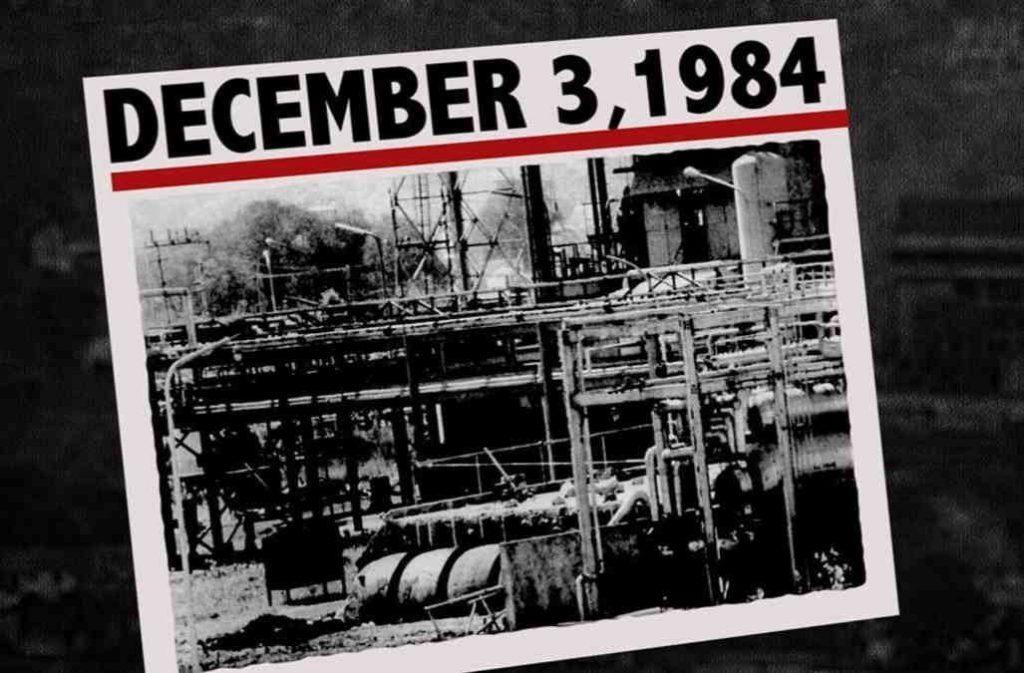
The Bhopal Gas Tragedy was a catastrophic industrial accident that occurred Post-midnight on December 3, 1984, in the city of Bhopal, Madhya Pradesh, India. The accident was caused by the release of toxic methyl isocyanate (MIC) gas from a pesticide plant owned by the Indian subsidiary of the American chemical company, Union Carbide Corporation. The gas leak resulted in the deaths of thousands of people, The final death toll was estimated to be between 15,000 and 20,000, and many more deaths due to related health issues in the years since. The tragedy is considered one of the world’s worst industrial disasters and had a significant impact on the public’s perception of corporate responsibility for environmental and health issues.
- Methyl isocyanate (MIC) is a colourless highly flammable liquid with a sharp, strong odour that evaporates quickly when exposed to air.
- It is used in the production of pesticides, polyurethane foam, and plastics.
- MIC is highly reactive to heat, and when exposed to water, the compounds in MIC react with each other causing a heat reaction.
- Immediate health effects of exposure to MIC include ulcers, photophobia, respiratory issues, anorexia, persistent abdominal pain, genetic issues, neuroses, impaired audio and visual memory, impaired reasoning ability, and more.
- Long-term health effects of exposure to MIC include chronic conjunctivitis, decreased lung function, increased pregnancy loss, increased infant mortality, increased chromosomal abnormalities, impaired associate learning, and more.
What actions were taken in the aftermath of tragedy?
- Indian government established committees to investigate and hold Union Carbide accountable.
- Bhopal Gas Leak Disaster Act passed in 1985.
- Union Carbide paid a settlement of $470 million to the Indian government in 1989.
- In 2010, seven former Union Carbide employees were convicted of negligence and sentenced to two years in prison.
- International organizations provided assistance in the form of medical aid, environmental cleanup efforts, and long-term health monitoring of survivors.
- Despite these efforts, the health and environmental effects of the disaster continue to be felt in Bhopal and the surrounding areas today.
- Activists continue to call for justice and compensation for the victims and their families.
What is the basis for the plea for more compensation?
The plea for more compensation for the victims of the Bhopal Gas Tragedy is based on several factors:
- Inadequate Settlement: The settlement of $470 million that Union Carbide paid to the Indian government in 1989 has been widely criticized as inadequate given the scale of the disaster and the ongoing health effects on survivors.
- Ongoing Health Effects: Many of the health effects of the disaster continue to be felt by survivors and their families today, including respiratory problems, eye irritation or blindness, muscular dystrophy, and other maladies resulting from exposure to the toxic gas. The long-term health effects of the disaster are still not fully understood, and many survivors continue to require medical treatment and care.
- Environmental Damage: The environmental damage caused by the disaster is also a cause for concern. The soil and water in the area around the Union Carbide plant remain contaminated with toxic chemicals, and efforts to clean up the site have been inadequate.
- Lack of Accountability: There is a perception among victims’ groups and activists that Union Carbide and its parent company, Dow Chemicals, have not taken full responsibility for the disaster or done enough to compensate the victims and their families. The conviction of only seven former employees of Union Carbide on charges of negligence has been criticized as insufficient, and many believe that the company and its executives should have faced more serious charges.
Overall, the plea for more compensation is based on the idea that the victims of the Bhopal Gas Tragedy have not received adequate justice or compensation for the harm they have suffered.
What are the safeguards against chemical disasters in India ?
There are several safeguards against chemical disasters in India, including:
- The Environment (Protection) Act, 1986: This legislation provides a framework for the protection and improvement of the environment, and includes provisions for the prevention and control of pollution from industrial activities.
- The Factories Act, 1948: This law regulates the working conditions in factories, including those that handle hazardous materials. It sets out guidelines for the storage, handling, and transportation of hazardous materials, and requires employers to take measures to prevent accidents and protect workers.
- The Chemical Accidents (Emergency Planning, Preparedness, and Response) Rules, 1996: These rules require industries handling hazardous chemicals to prepare and implement an emergency plan for dealing with accidents. The plan must include measures for notifying authorities, evacuating people, and providing medical treatment.
- The National Disaster Management Act, 2005: This legislation provides a framework for the management of disasters, including those caused by chemical accidents. It establishes national and state-level bodies responsible for disaster management, and requires the development of plans and procedures for preventing and responding to disasters.
- The Public Liability Insurance Act, 1991: This law requires industries handling hazardous materials to take out insurance policies to cover the costs of damages and compensation in the event of an accident.
- The National Green Tribunal: The tribunal was established in 2010 to handle cases related to environmental protection and conservation, including those related to chemical accidents. It has the power to impose penalties and order compensation for damages caused by environmental disasters.
These safeguards are designed to prevent chemical accidents and minimize their impact when they do occur. However, their effectiveness depends on their implementation and enforcement, and there have been instances of non-compliance and inadequate enforcement in the past.

 gas from a pesticide plant owned by the Indian subsidiary of the American chemical company, Union Carbide Corporation.)