Category: Uncategorized

  • Army Chief Dwivedi Warns Pakistan: Stop Sponsoring Terrorism or Risk Your Place on World Map

    Army Chief Dwivedi Warns Pakistan: Stop Sponsoring Terrorism or Risk Your Place on World Map

    Army Chief General Upendra Dwivedi on Friday issued a stern warning to Pakistan, saying the neighbour must stop sponsoring terrorism on its soil if it wishes to retain its standing on the global stage. Speaking to troops at Anupgarh in Rajasthan’s Sri Ganganagar district, he added that the restraint shown by India during Operation Sindoor would not necessarily be repeated in any future conflict.

    “India, as a country, is fully prepared this time. And this time, it will not show the restraint that it showed during Operation Sindoor 1.0. This time we will take a step forward and act in a manner that will make Pakistan think whether it wants to remain on the world map or not,” Gen. Dwivedi said.

    He urged soldiers to stay ready: “Keep yourselves fully prepared now, if God wills, the opportunity will come soon.” The Army chief also said India had exposed evidence of terrorist hideouts in Pakistan during Operation Sindoor — evidence that, he said, might otherwise have been concealed.

    Gen. Dwivedi said the international community stood with India after the April 22 Pahalgam attack and described strikes carried out under Operation Sindoor: nine targets inside Pakistan were hit — seven by the Army and two by the Air Force — aimed at terrorist bases, not ordinary citizens. He reiterated that as long as Pakistan sponsors terrorists, such targets will be struck.

    Addressing civilians near the international border, the Army chief called them partners in the nation’s defence, saying border populations stand “shoulder to shoulder” with soldiers and urging their continued support in any future struggle.

  • Mehbooba Mufti Criticizes Police Move on Geelani’s House

    Mehbooba Mufti Criticizes Police Move on Geelani’s House

    Peoples Democratic Party (PDP) president Mehbooba Mufti on Thursday criticized the Jammu and Kashmir Police’s decision to attach the Hyderpora residence of the late separatist leader Syed Ali Shah Geelani. This house, also the headquarters of his outfit Tehreek-e-Hurriyat, is located in central Kashmir’s Budgam district.

    Mufti labeled the action as “unfortunate and inhuman” during a press conference in Anantnag. She pointed out that Geelani’s 80-year-old widow continues to reside there. “Today is Gandhi Ji’s day,” she remarked, adding that, “He once saw a ray of light in Kashmir when all of Asia was burning. Now, this same Kashmir is perceived as criminal, with its people being branded as criminals, and their homes and businesses treated as such.”

    The PDP president accused the government of criminalizing normal Kashmiris. “Geelani Sahib has left this world, but his widow still lives there. You might disagree with him, as we do with RSS ideology, but attaching his home is inhuman. The BJP protests across Bihar over an insult to ‘mother,’ yet here, even an 80-year-old widow faces such treatment,” she stated.

    Mufti warned that the police’s actions would further alienate the people of Kashmir. “By attaching Geelani’s house, you aren’t narrowing distances but rather widening them. You’ve banned JEI schools, targeted madrasas, and now you attach homes. What have you made of Kashmir?” she questioned, highlighting the continuing tensions in the region.

    She drew comparisons with other global conflicts, suggesting that even groups like Israel and Hamas engage in dialogue, while in Kashmir, the situation worsens. “In Kashmir—where people stood with you in 1947—you are criminalizing them. This is very bad,” she lamented.

    On Wednesday, the Jammu and Kashmir Police announced that the Tehreek-e-Hurriyat headquarters had been attached under the Unlawful Activities (Prevention) Act (UAPA). Officials noted that the three-story building, built on one kanal and one marla of land, served as Geelani’s base for running his organization. The Union Home Ministry had banned Tehreek-e-Hurriyat in 2023, stating it was involved in “fomenting terrorism and spreading anti-India propaganda.” Geelani passed away in September 2022 and was buried near the same residence.

    In her remarks, Mufti further criticized the ruling BJP, arguing that the party incites communal hatred to divert attention from its governance failures. “They have no jobs, no hospitals, no roads. So they divide Hindus and Muslims to seek votes. What should I say about Yogi Ji, Bulldozer Baba? May God grant them wisdom,” she said, reflecting on the state of affairs in Jammu and Kashmir.

  • Snow Leopard Population in Himachal Pradesh Soars 62% in Four Years

    Snow Leopard Population in Himachal Pradesh Soars 62% in Four Years

    The population of rare snow leopards in Himachal Pradesh’s high-altitude tribal regions has grown by an impressive 62 per cent over the past four years, according to a newly released wildlife survey. The count, which stood at 51 in 2021, has now increased to 83, officials from the state Forest Department’s Wildlife Wing announced on Friday.

    The survey, conducted over the previous year, marks a significant milestone in the successful implementation of long-term conservation strategies that actively involve local communities. Released on the first day of Wildlife Week (October 2–8), the report revealed that this count excluded cubs and exceeded the upper confidence estimate of 73 from the 2021 survey. This suggests a possible expansion of habitats for these elusive creatures.

    The winter survey utilized a thorough camera-trapping exercise across six sites, encompassing nearly 26,000 sq km. These stunning landscapes included regions of Lahaul-Spiti, Kinnaur, and Pangi Valley, with notable sightings reported both within and beyond protected areas like Kibber Wildlife Sanctuary, Great Himalayan National Park, Sechu Tuan Nallah Wildlife Sanctuary, and Asrang Wildlife Sanctuary.

    In addition to snow leopards, officials mapped populations of crucial prey species such as blue sheep, Himalayan ibex, and musk deer. Other mammals including Himalayan wolves, brown bears, leopards, red foxes, and martens also featured prominently in the survey results.

    Noteworthy discoveries included the first official sighting of Pallas’s cat in Kinnaur and the rediscovery of the woolly flying squirrel in Lahaul, underscoring the biodiversity richness within the state.

    Officials emphasized that the success of this survey significantly stemmed from active community involvement. Local youth and women from Kibber village participated in camera trap deployments and data analysis, while forest officers collaborated with villagers to support field operations. In contrast to the earlier survey which took three years for completion, this assessment was concluded in just one year.

    Based on its cost-effective methodologies, the survey has managed to create a scalable framework for long-term snow leopard monitoring in India. With its comprehensive approach, Himachal Pradesh has positioned itself as the first state in the country to carry out a second statewide snow leopard assessment, reinforcing its commitment to wildlife conservation.

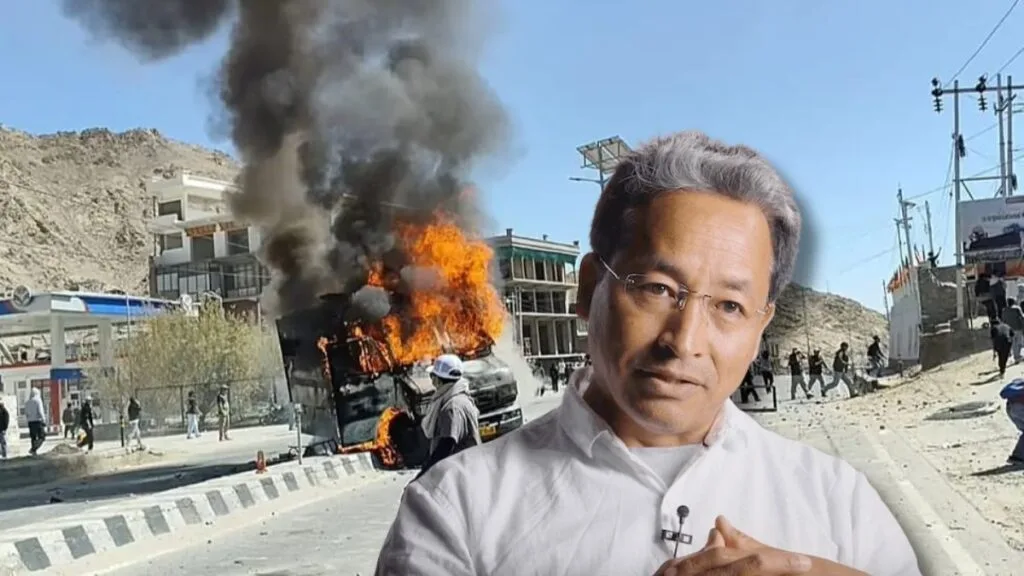
  • Ladakh admin says Wangchuk’s NSA detention on credible grounds denies ‘witch-hunt’

    Ladakh admin says Wangchuk’s NSA detention on credible grounds denies ‘witch-hunt’

    Ladakh Administration has rejected claims of a “witch-hunt” or a “smoke-screen” operation against activist Sonam Wangchuk, who was detained under the National Security Act last week. It asserted that the actions taken by law enforcement agencies were based on credible inputs and documents.

    The administration appealed that the process of law should be allowed to take its own course and expressed confidence that “together we will bring back normalcy in the peace-loving Leh township and continue with our dialogue process”.

    Wangchuk, the primary face of the agitation seeking statehood and Sixth Schedule safeguards for Ladakh, was detained under the stringent NSA following the violent clashes between protesters and security personnel on September 24.

    Talks between the Centre and representatives from Ladakh have hit a roadblock with the Kargil Democratic Alliance (KDA) backing the Leh Apex Body’s (LAB) decision to suspend dialogue until Wangchuk and others were released.

    Terming the release of Wangchuk and others as the key condition for resuming negotiations, scheduled for October 6, the two powerful organisations also demanded a judicial inquiry into the police firing in Leh that left four people dead and scores of others injured.

    Gitanjali Angmo, Wangchuk’s wife and co-founder of the Himalayan Institute of Alternatives Ladakh (HIAL), has alleged that a “witch-hunt” was underway to project her husband as an “anti-national.”

    She claimed there was “no need to impose the NSA on Sonam Wangchuk” and asserted that authorities have not provided her with formal documents detailing the charges.

    In a statement issued on Tuesday night, the Department of Information and Public Relations said, “The administration of UT of Ladakh would like to clarify a few issues in the background of a series of press conferences and media statements given by certain sections.

    “There have been reports in the media of baseless allegations of victimisation of certain individuals, including Wangchuk, by government agencies. There is no question of witch-hunting or smoke screen,” it said.

    The administration said actions taken by the law enforcement agencies were based on credible inputs and documents. “The agencies should be allowed to continue with their investigation impartially without vitiating the process.”

    It said the case of financial irregularities and foreign currency violations by HIAL is under investigation by agencies. “Prima facie, there is evidence available, which merits such investigation.”

    Further, the statement said, despite knowing that it is not a recognised university, HIAL is issuing degrees to young men and women, jeopardising their future prospects.

    “HIAL did not make full disclosure of foreign funds in their balance sheets in the relevant Financial Years. FCRA cancellation of SECMOL is based on clear evidence of multiple violations (not just one).

    “After observing these irregularities, appropriate action has been taken. There are established processes and forums available to appeal to the appropriate authorities, which the organisation can resort to,” it said.

    It said the government had already announced dates for talks on September 20 and had also expressed flexibility for dates, taking into consideration the convenience of the Ladakh leaders.

    “Still, Wangchuk made multiple provocative statements. He gave the reference of Nepal, Sri Lanka and Bangladesh on several occasions from the Anshan venue, trying to incite the public, especially the youth,” it said.

    During an interview with Ladakh Express on September 11, the statement said, Wangchuk stated, “the youth are saying that they do not want peace and Mahatma Gandhi’s path is not necessary. People are not scared of the security forces deployed, and if people come out worse may happen.

    “Before starting his anshan, Wangchuk suggested (Sept 9) people to wear masks, caps and hoodies, etc., while participating in the protest, citing Covid as an excuse, though there is no sign of spread of Covid in Ladakh,” it said.

    He said Wangchuk, in a video uploaded on his YouTube channel ‘Achoe Nyingstam’ (a dedicated channel for the Ladakhi audience wherein he speaks only in vernacular), stated (June 8, 2025) that he would bring an ‘Arab Spring’ type revolution in India to overthrow the government.

    “Wangchuk had suggested ‘overthrow’ of government on the lines of ‘Arab Spring’, if their demands were not met, besides putting forth the idea of self-immolation for instigating agitation for this purpose, as happened in Arab countries including Tunisia,” the statement said.

    On multiple occasions, the statement said he suggested self-immolation by Ladakhis on the lines of protests in Tibet.

    Referring to the September 24 violent protests, it said even though other LAB leaders, including elders, rushed to pacify the aggressive crowd, Wangchuk made no attempts to ensure peace.

    “When the situation was out of control, Wangchuk called off his fast and discreetly moved out from the backside of the anshan venue, thereby indicating his overall sense of irresponsibility,” it said.

    It said Wangchuk did not call off his hunger strike despite the government announcing the date of the next meeting of the High Powered Committee, although he sat on the strike demanding talks with the government.

    “The government also expressed flexibility for dates as per the convenience of the Ladakh leaders. This irresponsible act of continuation of the hunger strike for personal and political gain is responsible for all the further unfortunate developments,” the statement said.

  • RBI Upgrades FY26 GDP Growth to 6.8%, Cuts Inflation to 2.6%

    RBI Upgrades FY26 GDP Growth to 6.8%, Cuts Inflation to 2.6%

    The Reserve Bank of India (RBI) on Wednesday announced a significant revision in its economic forecasts, projecting the gross domestic product (GDP) growth rate for the fiscal year 2025-26 at 6.8 percent. It also lowered the inflation forecast to 2.6 percent, attributing these changes to an above-normal monsoon and the rationalisation of Goods and Services Tax (GST) rates.

    In August, the RBI had estimated a 6.5 percent growth rate for the same fiscal year, along with an inflation forecast of 3.1 percent. The recent adjustments indicate a more optimistic outlook, reflecting crucial developments on both domestic and international fronts.

    During the announcement of the bi-monthly monetary policy, RBI Governor Sanjay Malhotra highlighted the strength of the Indian economy, which demonstrated growth during the first quarter of FY26. Malhotra noted that the good monsoon season has positively influenced economic performance. “We observe a higher growth in Q1 2025-26, alongside a considerable moderation in headline inflation,” he stated.

    Regarding the impact of GST rationalisation, Malhotra emphasized its potential to encourage consumption and spur economic growth while simultaneously having a calming effect on inflation. He acknowledged that while domestic factors are promising, global economic conditions, including recent US tariffs, could dampen export performance.

    “Considering these diverse elements, we have revised the real GDP growth for 2025-26 to 6.8 percent, with projections of 7.0 percent for Q2, 6.4 percent for Q3, and 6.2 percent for Q4,” he explained. The GDP growth rate for the initial quarter of 2026-27 is expected to be around 6.4 percent.

    Malhotra also noted that inflation conditions remain under control, with actual inflation outcomes significantly lower than previous predictions. “The low inflation levels can be primarily traced to a sharp decline in food prices, driven by improved supply chains and effective government interventions,” he elaborated.

    The core inflation rate has stayed relatively unchanged, with August figures reporting at 4.2 percent. This stability exists despite ongoing pricing pressures on precious metals. The RBI’s revised Consumer Price Index (CPI) inflation forecast for 2025-26 now indicates 2.6 percent inflation, with quarterly estimates showing 1.8 percent for Q2, 1.8 percent for Q3, and 4.0 percent for Q4. Looking ahead, the CPI inflation rate for the first quarter of 2026-27 is projected at 4.5 percent.

    This revised economic outlook signals the resilience of the Indian economy in navigating both domestic challenges and external pressures. Analysts and economists will closely monitor these developments, as they play a pivotal role in shaping monetary policy and influencing market confidence in the upcoming fiscal year.

  • PM Modi Hails RSS’ Role In Nation-Building, Says It Showed No Bitterness Despite Attacks

    PM Modi Hails RSS’ Role In Nation-Building, Says It Showed No Bitterness Despite Attacks

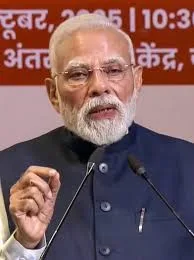
    Prime Minister Narendra Modi on Wednesday lauded the RSS on its centenary celebrations, and said the organisation never displayed any bitterness despite several attacks on it as it continued to work on the principle of nation first.

    Participating in the centenary celebrations of the Rashtriya Swayamsevak Sangh (RSS) here, Modi highlighted the contribution of the Sangh in nation-building and said it reached every corner of the country with the goal of fostering harmony by removing divisions of caste or creed and spreading the message of an inclusive society.

    “The Sangh has fought against the atrocities of the British. Their only interest has always been love towards the nation,” Modi said, adding that Sangh volunteers gave shelter to freedom fighters and its leaders were also jailed during the freedom struggle.

    The prime minister said there have been numerous attempts to crush the spirit of the RSS by levelling allegations and registering false cases.

    “The RSS has never been bitter, despite attempts to make false cases against them, attempts to ban them, and other challenges, because we are part of society where we accept both the good and the bad,” he said, in an apparent reference to the ban on the RSS after the assassination of Mahatma Gandhi.

    Modi said even the then RSS chief Madhav Golwalkar was falsely implicated in a case and sent to jail.

    “Yet, when he came out, he said with calm wisdom: ‘At times, the tongue may get caught under the teeth, but we do not break teeth’,” the prime minister said.

    He said every ‘swayamsevak’ has unflinching trust in democracy and constitutional institutions, which gave them strength when faced with challenges.

    “When Emergency was imposed, this trust gave strength to every swayamsevak to face it,” he said.

    The prime minister also released a special postage stamp and a commemorative coin to mark the centenary of the RSS.

    “The Rs 100 coin features the national emblem on one side and on the other side it depicts a majestic image of Bharat Mata in Varada Mudra with a lion, while swayamsevaks are shown bowing before her in devotion and dedication,” Modi said.

    “For the first time in the history of independent India the image of Bharat Mata has been featured on Indian currency which marks a moment of great pride and historical significance,” he said.

    The prime minister said the foundation of RSS on Vijaya Dashmi 100 years ago was not just a coincidence, it was the resurrection of a tradition which has been continuing for thousands of years.

    “The Sangh has been synonymous with patriotism and service since its inception,” he said.

    Modi asserted that the RSS believes in ‘One India, Great India’ yet post-Independence attempts were made to prevent it from joining the national mainstream “Unity in diversity has always been the soul of India, if this principle is broken then India will weaken. Despite challenges, the RSS stands strong and is tirelessly serving the nation,” he added.

    The centenary celebrations were organised by the Ministry of Culture and attended by RSS general secretary Dattatreya Hosabale, Delhi Chief Minister Rekha Gupta and Culture Minister Gajendra Singh Shekhawat.

    Founded in 1925 in Nagpur by Keshav Baliram Hedgewar, the RSS was established as a volunteer-based organisation with an aim to foster cultural awareness, discipline, service and social responsibility among citizens.

    Modi was himself an RSS ‘pracharak’ and made a mark as an able organiser before being shifted to the BJP, which draws its ideological inspiration from the Hindutva organisation. (Agencies)

  • Congress Accuses BJP-RSS of Conspiracy Against Rahul Gandhi

    Congress Accuses BJP-RSS of Conspiracy Against Rahul Gandhi

    The Congress party on Monday intensified its attack on the BJP-RSS, accusing them of orchestrating a conspiracy against Rahul Gandhi. This development follows a former Akhil Bharatiya Vidyarthi Parishad (ABVP) leader’s controversial comments that included a chilling death threat against the Leader of Opposition. Congress spokesperson Pawan Khera highlighted that those losing the ideological battle resort to threats as they perceive a growing support for Gandhi’s vision.

    Khera pointed out a remark from Printu Mahadev, the ex-state president of ABVP, who stated during a televised debate that ‘Rahul Gandhi will be shot in the chest.’ According to Khera, this statement exemplifies the BJP’s desperation and need to stifle dissenting voices.

    “When the BJP spokesperson makes such ominous threats in a public forum, and no action follows, it sets a dangerous precedent,” remarked Khera. He noted the alarming politicisation of security concerning Gandhi. Previously, the CRPF had leaked information regarding a letter intended for Congress chief Mallikarjun Kharge, discussing Gandhi’s safety and security concerns.

    “This reeks of conspiracy,” Khera insisted, urging the public to question who is behind this orchestrated campaign against Gandhi. He suggested that the BJP cannot tolerate the rising tide of support for Gandhi from Kashmir to Kanyakumari and fears their ideological inadequacy is being exposed.

    During a video statement, Khera underscored the party’s stance, declaring that violence would not be tolerated. He stated emphatically, “Your time is up; your theft has been exposed, and you’re responding with threats.” His remarks resonate with the Congress’ ongoing narrative regarding alleged electoral fraud by the BJP, termed ‘vote chori’ by Gandhi.

    Khera also took to social media, expressing that when the RSS fails to crush opposing ideologies, their affiliates turn to threats and violence. He likened current threats against Gandhi to historical precedents of violence against dissenters, warning of a resurgence of a toxic atmosphere that promotes hatred and intimidation.

    The Congress general secretary K C Venugopal also weighed in on the situation, asserting that the government must act swiftly to address Mahadev’s remarks or face allegations of complicity. Venugopal sent an official letter to Union Home Minister Amit Shah, describing the threats as dangerous for both Gandhi and democratic integrity.

    Venugopal voiced the gravity of the situation, stating that Mahadev’s words represent a calculated assault, undermining the safety assurances every citizen deserves. His letter asked, “What does your party stand for? Are you endorsing the politics of intimidation?”

    He stressed that the threat was not merely a slip of the tongue but rather a symptom of a politically-charged atmosphere poised for violence against political leaders. Venugopal demanded immediate legal action to ensure that threats against Gandhi are taken seriously, emphasizing that inaction will lead to further normalisation of violence.

    “The nation calls for immediate and decisive justice,” he warned, highlighting the collective demand for clarity on the government’s stance regarding threats posed to the Leader of Opposition.

    As tensions mount, the Congress party insists that the safety of its leaders reflects the health of India’s democracy. Allegations against the BJP-RSS have reached a critical point, raising urgent questions about political accountability and the responsibilities of governing bodies to protect elected officials.

  • Congress Likely to Boycott JPC Over Controversial Bills

    Congress Likely to Boycott JPC Over Controversial Bills

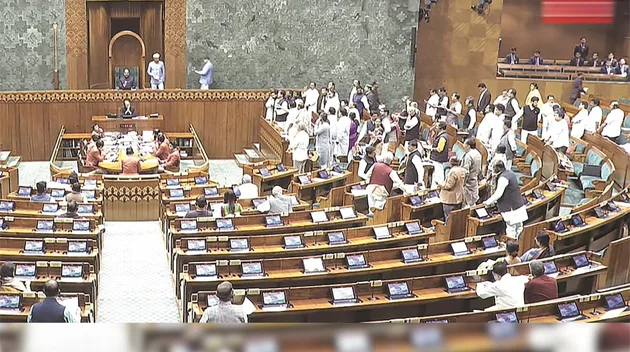
    The Congress party is likely to stay away from the Joint Parliamentary Committee (JPC) set up to investigate three contentious Bills concerning the removal of government officials arrested for 30 consecutive days on serious charges. This decision, according to party insiders, will be formally communicated to Lok Sabha Speaker Om Birla shortly.

    In a show of united opposition, at least three other parties—the Trinamool Congress, Shiv Sena (UBT), and the Aam Aadmi Party—have already declared their intention not to participate in the committee. The Samajwadi Party has also signaled support for a collective boycott, leaving multiple parties undecided, yet none have expressed interest in joining the committee.

    Earlier this month, Lok Sabha Speaker Om Birla commented on the situation, noting that no party had officially notified him regarding a boycott of the JPC. He stated,

    “On the issue of JPC, no political party has communicated to me in writing on this subject,”

    addressing concerns from various political quarters.

    The controversy surrounding the Bills began during the last day of the Monsoon Session when Home Minister Amit Shah introduced three crucial pieces of legislation:

    • The Government of Union Territories (Amendment) Bill
    • The Constitution (One Hundred and Thirtieth Amendment) Bill
    • The Jammu and Kashmir Reorganisation (Amendment) Bill

    These proposals have significant implications, seeking to allow the removal of a sitting Prime Minister, Chief Ministers, and other ministers if they face arrest for 30 consecutive days on serious charges. This legislative effort has sparked intense backlash across the political spectrum, with numerous parties labeling the Bills as unconstitutional and suggesting they are politically motivated attempts to target opposition leaders controlling state power.

    The JPC, still awaiting formation, is set to include 21 members from the Lok Sabha and 10 from the Rajya Sabha. However, as protests escalate, the timeline for its constitution remains uncertain.

    While many in the opposition call for collaborative action, the lack of clarity surrounding participation in the JPC raises questions about the future of these controversial Bills. The coming days shall reveal how this political saga unfolds within Parliament as parties consider the implications of their possible absence.

  • Congress Leaders Address Voter Adhikar Samelan in Uri

    Congress Leaders Address Voter Adhikar Samelan in Uri

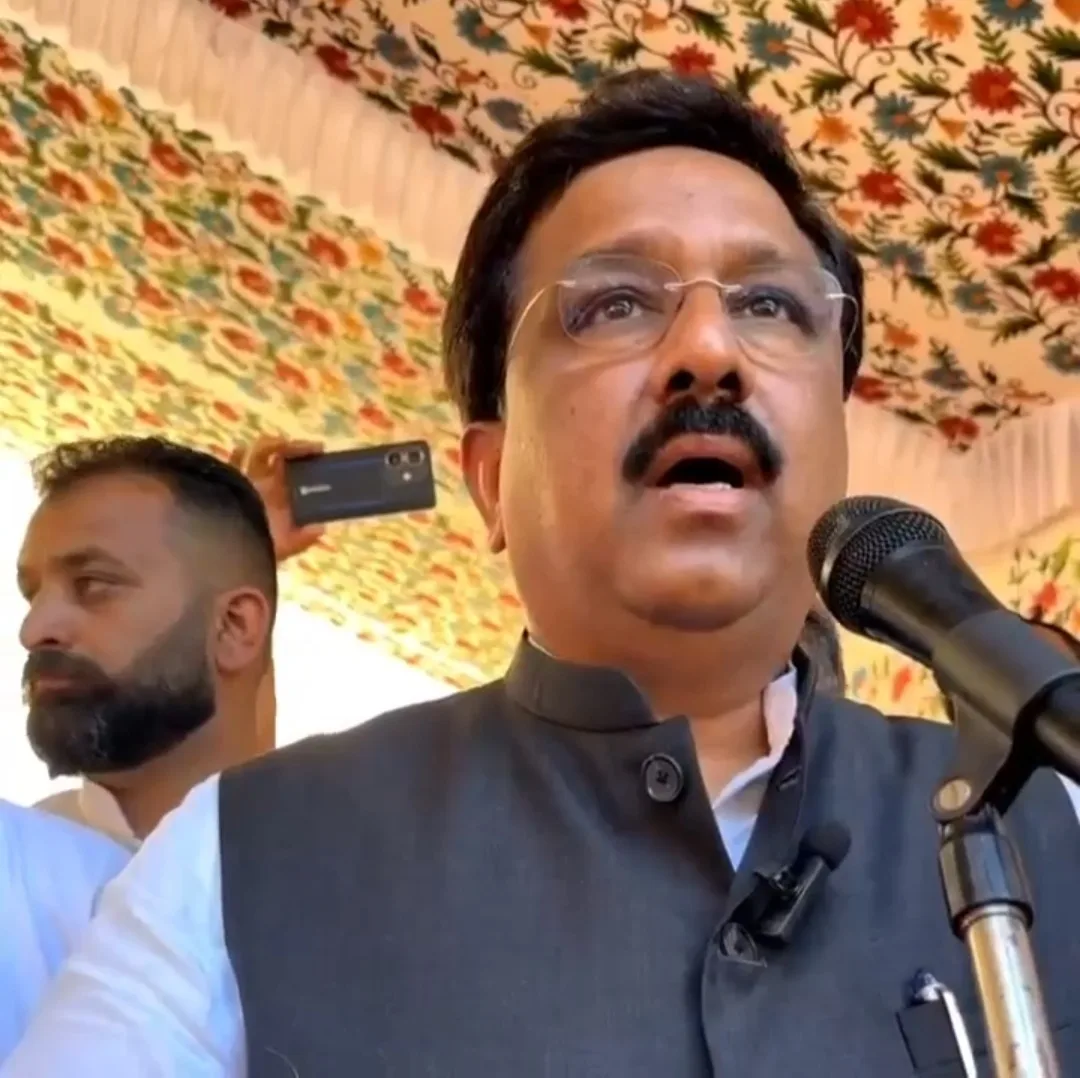
    Uri, Baramulla, Sep 21: Senior Congress leaders today addressed a Voter Adhikar Samelan in Uri, Baramulla district, highlighting the importance of protecting democratic rights and strengthening grassroots participation.

    The event was led by AICC General Secretary in-charge J&K, Dr. Syed Naseer Hussain (MP, Rajya Sabha), along with JKPCC President Tariq Hameed Karra, AICC General Secretary & CLP Leader G.A. Mir, and several senior leaders of the Jammu and Kashmir Pradesh Congress Committee.

    The Samelan was organised by former minister Taj Mohiuddin, drawing wide participation from party cadres and the local populace.

    Prominent leaders who addressed the gathering included former minister G.M. Saroori, MLA Nizamuddin Bhat, MLA Irfan Lone, Ab. Raheem Rather, Abdul Gani Khan, S.S. Channi, Nissar Ahmad Mandoo, Abid Kashmiri, Mir Iqbal, Irfan Naqib, Fayaz Mir and several others.

    Speakers reaffirmed Congress’s commitment to safeguard the rights of voters, defend constitutional values, and provide a strong alternative to the people of Jammu and Kashmir.

  • Rahul Gandhi Accuses Election Chief of Protecting Vote Chors

    Rahul Gandhi Accuses Election Chief of Protecting Vote Chors

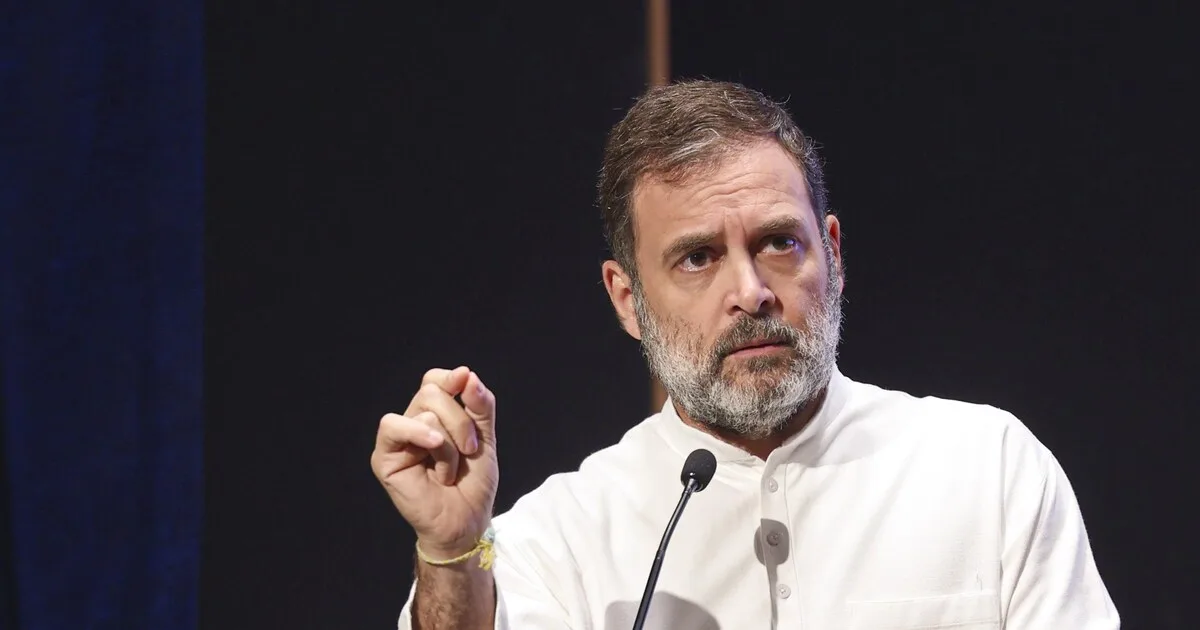
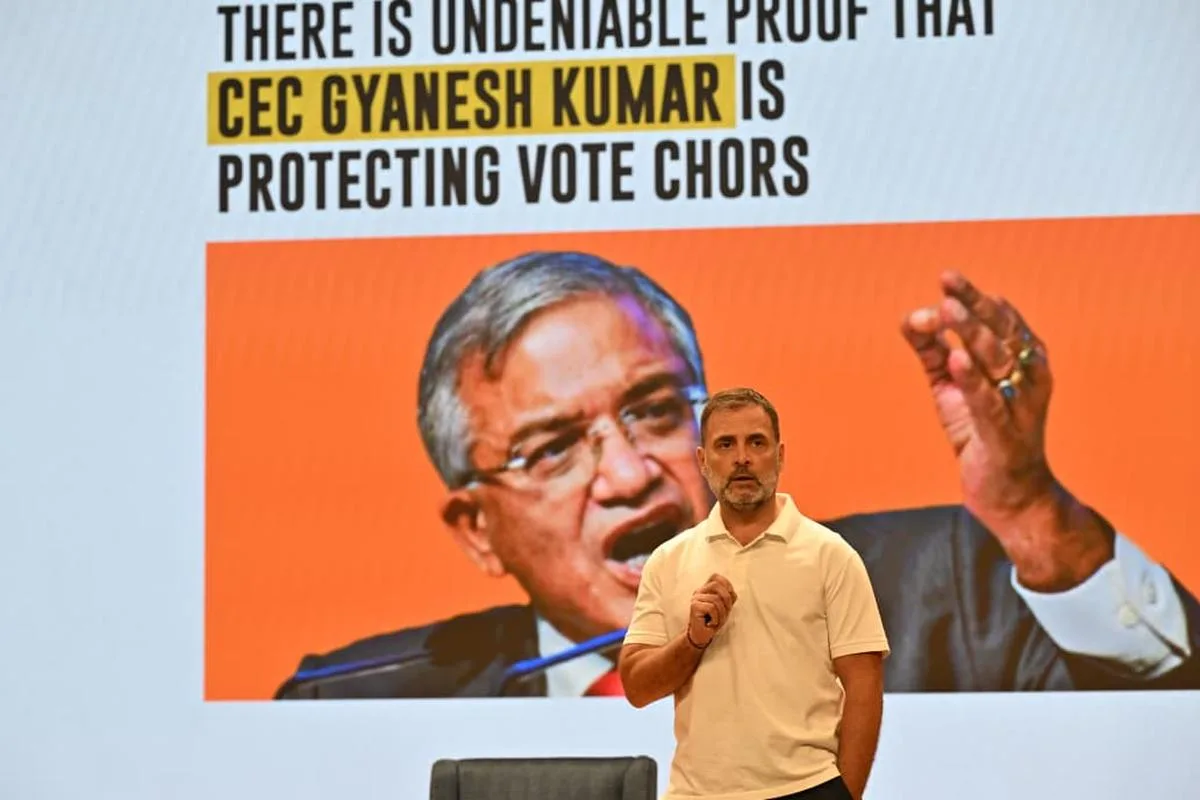
    Congress leader Rahul Gandhi made significant allegations on Thursday against Chief Election Commissioner Gyanesh Kumar, stating he was protecting “vote chors” and those undermining Indian democracy. This announcement came during a press conference at the Congress’ Indira Bhawan headquarters.

    Gandhi claimed that data from the Karnataka Assembly elections shows systematic deletions of Congress supporters’ votes, stating that these actions must be halted immediately. He demands transparency from the Election Commission and called for the release of information sought by the Karnataka CID regarding serious voter deletion claims.

    Allegations Against Gyanesh Kumar

    During his address, Gandhi emphasized his strong stance against what he described as an attack on democracy, urging youth to recognize these rigged elections. He noted, “I am making a serious claim about Gyanesh Kumar. The CEC is protecting vote chors and those who have destroyed democracy across India.”

    Gandhi highlighted specific instances from the Aland constituency in Karnataka in 2023, where he alleged attempts to delete over 6,018 votes occurred. He also referenced fraudulent actions in Maharashtra’s Rajura constituency where voters’ details were manipulated using automated software. His assertions come with urgency, urging immediate action by authorities.

    Evidence of Systematic Voter Deletions

    “Someone has been systematically targeting millions of voters for deletion across India,” he declared, emphasizing his commitment to providing proof for all allegations made. Gandhi recounted a personal story involving a booth-level officer whose uncle’s vote had been deleted. This incident sparked an investigation into the matter, revealing extensive impersonation and unauthorized applications for vote deletions.

    He recounted, “Over 6,018 applications were filed impersonating voters, and this was done automatically using mobile numbers from outside Karnataka.” Gandhi further asserted that these deletions were executed via software tactics.

    Karnataka CID Investigation Ongoing

    Gandhi shed light on inquiries made by the Karnataka CID, stating they have sent 18 letters over the past 18 months to the Election Commission requesting crucial data related to the IP addresses and OTP trails connected to these applications. He claimed that the Election Commission has not cooperated because the findings could expose operatives behind these manipulations.

    Claiming that Gyanesh Kumar is shielding the culprits, Gandhi urged the public, particularly young voters, to advocate for their democratic rights. He expressed a sense of urgency, stating, “When they do not provide this information, they are defending the murderers of democracy.”

    Future Revelations to Come

    In a forward-looking statement, Gandhi promised more revelations during his ongoing campaign, stating that a significant disclosure of information regarding “vote chori” is forthcoming and will leave Prime Minister Modi unable to face the public.

    With his previous claims regarding the 2024 Lok Sabha polls and the alleged theft of over one lakh votes through manipulation in Mahadevapura, Gandhi stresses that awareness and accountability are crucial to preserving India’s democracy.

    As political tensions rise, these accusations against the chief election official highlight the broader concerns about electoral integrity in India. The youth’s engagement in these issues could play a pivotal role in shaping the future of democratic processes in the country.