Category: Ayurveda

  • Regional Ayurveda Research Institute (RARI) a Peripheral Pharmacovigilance Centre for ASU Drugs for Jammu & Kashmir

    Regional Ayurveda Research Institute (RARI) a Peripheral Pharmacovigilance Centre for ASU Drugs for Jammu & Kashmir

    PRESS BRIEF

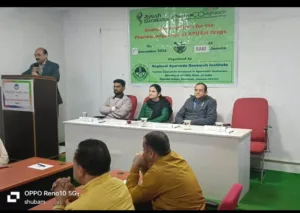
    Regional Ayurveda Research Institute (RARI) a Peripheral Pharmacovigilance Centre for ASU Drugs for Jammu & Kashmir organized a series of events from 05.12.2024 to 07.12.2024 on “Pharmacovigilance Awareness Program for Ayurveda, Siddha & Unani (ASU) Drugs”. In this series awareness programme were organized in Jammu Institute of Ayurveda & Research, Nardani and Govt Ayurvedic Medicinal College, Akhnoor and in Regional Ayurveda Research Institute, Bantalab.

    The purpose of this program was intends to make aware people about importance of Pharmacovigilance in AYUSH Systems and to provide valuable insights and its role in ensuring the safety and efficacy of ASU drugs. This program was aimed to sensitize the Doctors, Interns and Paramedical Staff of the Institute.

    Mrs. Lotika Khajuriya, State Drug Controller, Govt of J&K was present as Chief Guest held in Regional Ayurveda Research Institute on 07.12.2024. In her remarks she emphasized for having robust mechanism for reporting system in pharmavigilance in ASU medicines and need to fill gaps available in it.

    During the event, Dr. Aaditya Shah, Research Officer (Ayu) explained the roles of doctors and paramedical staff in reporting of Adverse Drug Reactions (ADR) and Adverse Events (AE) under Pharmacovigilance. Dr. Priya Rana, Research Fellow informed about the background of Pharmacovigilance and mechanism of reporting any misleading advertisement as per Drugs & Magic Remedies Act, 1955.

    Dr. Gopesh Sharma, Incharge Director of the Institute, informed about availability of Pharmacovigilance like guidelines in classical texts of Ayurveda and stressed upon to follow by the doctors & hospital staff.

    Dr. Vipin Sharma, Research Officer (Ayu), welcomed the participants and explained the need of time to have evidence based information under Pharmacovigilance in Ayurveda in present scenario.

    Dr. Harbans Singh and Dr. Poonam Mohod, Research Officer and Shabbir Ahmed Mir, Drug Control Officer, J&K, Dr. Abhishek Magotra contributed in organizing these events.


  • JIAR observed World Mental Health day under the celebration of World Ayurveda Day

    JIAR observed World Mental Health day under the celebration of World Ayurveda Day

    As part of the Ayurveda Day celebrations themed “Ayurveda Innovation for Global Health,” the Jammu Institute of Ayurveda and Research observed World Mental Health Day on October 10, 2024. This year’s theme was “It Is Time to Prioritize Mental Health in the Workplace.”
    On this occasion, various PowerPoint presentations were delivered by postgraduate scholars and undergraduate students. Additionally, a skit was performed by first- and second-year students. The event provided a valuable opportunity to discuss mental health openly, advocate for improved mental health services, and address the stigma associated with mental illness.
    Maintaining good mental health requires consistent efforts to foster a positive mindset, emotional stability, and overall well-being. The event was organized by the Department of Panchkarma.

  • JIAR Toppers felcitated by Himalaya Wellness Company

    JIAR Toppers felcitated by Himalaya Wellness Company

    Himalaya Wellness Company, Bengaluru organized preliminary round of AyurWhiz 5 Quiz competition at Jammu Institute of Ayurveda and Research, Jammu.Dr Abhilasha A,Manager-Scientific Services, Himalaya Wellness Company conducted the quiz.Muskan Gupta and Vaidhy were declared winners who go ahead for cluster level competition.The company also felicitated toppers of University exams for session 2016-17 & 2017-18 Urja Singh,Tanvi Sharma,Ritika Anand & Muskan Gupta.They recieved cash prize of 15,000/- and Certificate of Merit.Felicitation was done by Smt Suman Sharma,Chairperson,Shri Sain Charitable Trust for Higher Education & Research, Jammu,Smt Japna Sharma & Smt Jasudha Sharma,CEO’s of the trust and Scientific Services Team of Himalaya Company.

    Himalaya Wellness Company JIAR
    Himalaya Wellness Company JIAR
  • Test Title

    Test Title

    Some Lorem ipsum

  • Embracing Balance: Ayurvedic Remedies for Managing Stress

    Embracing Balance: Ayurvedic Remedies for Managing Stress

    In our fast-paced modern lives, stress has become an all-too-common companion, affecting our overall well-being and quality of life. While there are various approaches to managing stress, Ayurveda, the ancient Indian system of medicine, offers a holistic and time-tested approach to restore balance and alleviate stress. By embracing Ayurvedic remedies, you can embark on a journey of self-care and find effective ways to manage and reduce stress levels.

    Understanding the Root Causes of Stress

    Ayurveda believes that stress is a result of imbalances within the body and mind. These imbalances can be caused by a variety of factors, including improper diet, lack of exercise, insufficient sleep, and emotional disturbances. Ayurvedic remedies for managing stress focus on addressing these root causes and restoring harmony to the body.

    1. Herbal Support

    Ayurveda utilizes the healing properties of herbs to promote relaxation and reduce stress. Some commonly used herbs and herbal formulations include:

    • Ashwagandha: Known as an adaptogen, Ashwagandha helps the body adapt to stress and promotes overall well-being.
    • Brahmi: This herb is revered for its ability to calm the mind, enhance mental clarity, and support cognitive function.
    • Jatamansi: Often used to promote relaxation and restful sleep, Jatamansi is known for its calming and grounding effects.

    These herbs can be taken in the form of powders, capsules, or teas, but it is recommended to consult with an Ayurvedic practitioner to determine the most suitable herbs and dosages for your individual needs.

    2. Abhyanga (Ayurvedic Self-Massage)

    Abhyanga is an Ayurvedic self-massage technique that involves the application of warm oil to the body. This practice not only nourishes the skin but also promotes relaxation and stress relief. Choose a soothing oil such as sesame or coconut oil and massage it into your body using gentle, circular motions. Focus on areas where you hold tension, such as the neck, shoulders, and back. Engaging in regular abhyanga can help release physical and mental stress, leaving you feeling rejuvenated and balanced.

    3. Meditation and Pranayama (Breathing Exercises)

    Meditation and pranayama are powerful practices that calm the mind, reduce stress, and promote inner balance. Find a quiet and comfortable space where you can sit in a relaxed posture. Close your eyes and focus on your breath, allowing your mind to settle. Practice deep, diaphragmatic breathing to bring a sense of calm and centeredness. Incorporate these practices into your daily routine, starting with just a few minutes and gradually increasing the duration as you become more comfortable.

    4. Balancing the Doshas

    According to Ayurveda, imbalances in the doshas—Vata, Pitta, and Kapha—can contribute to stress. Understanding your unique dosha constitution can help you make lifestyle choices that promote balance. If you are experiencing stress, it is beneficial to incorporate activities that pacify and balance the aggravated doshas.

    • Vata Balancing: Vata-dominant individuals benefit from warm and grounding activities such as gentle yoga, warm baths, and nourishing meals.
    • Pitta Balancing: Pitta-dominant individuals benefit from cooling and calming practices such as meditation, spending time in nature, and enjoying soothing herbal teas.
    • Kapha Balancing: Kapha-dominant individuals benefit from stimulating and invigorating practices such as vigorous exercise, pranayama, and light, warm foods.

    5. Healthy Lifestyle Choices

    In addition to specific Ayurvedic remedies, adopting a healthy lifestyle is crucial for managing stress. Prioritize self-care by getting enough restful sleep, eating balanced meals at regular times, and engaging in regular physical activity. Incorporate stress-reducing activities into your daily routine, such as practicing yoga, spending time in nature, and cultivating supportive relationships.

    6. Nourishing Your Senses

    Ayurveda recognizes the importance of nourishing the senses as a means to reduce stress. Engage in activities that bring you joy and relaxation. Listen to calming music, surround yourself with pleasant scents, and indulge in nurturing activities like reading, painting, or taking a soothing bath. Creating a harmonious sensory environment can significantly contribute to stress reduction and overall well-being.

    By embracing Ayurvedic remedies for stress management, you can find effective and natural ways to restore balance and harmony in your life. Remember to consult with an Ayurvedic practitioner for personalized guidance and recommendations tailored to your unique needs and constitution.

    Also Read: Ayurveda for Digestive Health: Nurturing Your Gut the Natural Way

    You can visit Ministry of AYUSH Website also for deeper understanding of Indian System of Medicine

  • Ayurveda’s Ancient Wisdom for Stress Relief: Techniques and Tips

    Ayurveda’s Ancient Wisdom for Stress Relief: Techniques and Tips

    In today’s fast-paced and demanding world, stress has become a prevalent issue affecting the well-being of countless individuals. While there are numerous approaches to managing stress, Ayurveda, the ancient Indian system of medicine, offers timeless wisdom and effective techniques for stress relief. By understanding and applying Ayurvedic principles, you can tap into a holistic approach that nurtures your mind, body, and spirit, promoting lasting relief and inner balance.

    1. Discovering Your Unique Constitution

    Ayurveda recognizes that each individual possesses a unique constitution, known as their dosha. The three doshas—Vata, Pitta, and Kapha—represent different energies within the body. Identifying your dominant dosha allows you to tailor stress-relief techniques to your specific needs. For instance, Vata-dominant individuals may benefit from grounding practices, Pitta-dominant individuals may require cooling and soothing methods, while Kapha-dominant individuals may benefit from stimulating practices.

    2. Embracing Mindful Eating

    Ayurveda emphasizes the importance of mindful eating for overall well-being and stress management. Choosing nourishing, wholesome foods that are appropriate for your dosha can help create a sense of balance and harmony. Favor warm, cooked meals with fresh ingredients, as they are easier to digest and promote optimal nutrition. Avoiding processed foods, excessive caffeine, and alcohol can also contribute to reducing stress levels and maintaining equilibrium.

    3. Herbal Support

    Ayurveda harnesses the healing power of herbs and botanicals to support stress relief. Some commonly used herbs include:

    • Ashwagandha: Known as an adaptogenic herb, Ashwagandha helps the body adapt to stress and promotes a sense of calm and relaxation.
    • Brahmi: This herb is renowned for its ability to enhance mental clarity, reduce anxiety, and support overall brain health.
    • Jatamansi: Often referred to as the “calming herb,” Jatamansi helps alleviate stress, anxiety, and promotes restful sleep.

    Consult with an Ayurvedic practitioner or herbalist to determine the most suitable herbs for your unique needs and constitution.

    4. Daily Self-Care Rituals

    Ayurveda emphasizes the importance of self-care rituals, known as Dinacharya, to maintain balance and manage stress. Incorporate the following practices into your daily routine:

    • Abhyanga (Self-Massage): Treat yourself to a gentle self-massage using warm oil. This practice promotes relaxation, improves circulation, and nourishes the body and mind.
    • Tongue Scraping: Upon waking, use a tongue scraper to remove toxins and bacteria that have accumulated overnight. This simple practice supports oral health and detoxification.
    • Nasya (Nasal Cleansing): Apply a few drops of herbal oil to each nostril to moisturize the nasal passages, improve breathing, and reduce stress-related imbalances.

    5. Mind-Body Practices

    Ayurveda recognizes the intimate connection between the mind and body. Incorporating mind-body practices into your routine can be immensely beneficial for stress relief. Consider the following techniques:

    • Yoga: Engage in a regular yoga practice tailored to your dosha. Yoga postures (asanas), breathing exercises (pranayama), and meditation promote physical strength, mental clarity, and emotional well-being.
    • Meditation: Dedicate time each day to quiet the mind through meditation. Even just a few minutes of focused attention on the breath or a mantra can help reduce stress, increase mindfulness, and cultivate inner peace.
    • Pranayama (Breathing Exercises): Practice deep breathing techniques, such as alternate nostril breathing or belly breathing, to calm the nervous system and alleviate stress.

    6. Creating a Tranquil Environment

    Ayurveda emphasizes the significance of creating a peaceful and nurturing environment to support stress relief. Ensure your living and working spaces are clutter-free, clean, and well-organized. Incorporate elements of nature, such as plants or natural materials, to promote a sense of calm. Engage in activities that bring you joy, such as listening to soothing music, reading, or spending time in nature.

    7. Balancing Daily Routine

    Maintaining a consistent daily routine, known as Ritucharya, is essential in Ayurveda for stress management. Establish regular sleep patterns, aiming for seven to eight hours of restful sleep each night. Wake up early, ideally before sunrise, to align with the natural rhythms of the day. Plan your meals at regular intervals and avoid excessive snacking. Following a balanced routine promotes a sense of stability, grounding, and overall well-being.

    By embracing the ancient wisdom of Ayurveda, you can unlock powerful techniques for stress relief and cultivate a harmonious state of being. Incorporate these practices into your daily life, adapting them to your unique needs and constitution, and experience the profound benefits of Ayurveda’s holistic approach to stress management.

    Also Read: Ayurveda for Digestive Health: Nurturing Your Gut the Natural Way

    You can visit Ministry of AYUSH Website also for deeper understanding of Indian System of Medicine
  • Stress Management Understanding the Ayurvedic Approach to : A Comprehensive Guide

    Stress Management Understanding the Ayurvedic Approach to : A Comprehensive Guide

    Ayurveda’s Holistic Approach to Stress Management

    In our fast-paced modern world, stress has become an ever-present companion for many individuals. Balancing the demands of work, relationships, and personal responsibilities can often feel overwhelming, leading to a variety of physical and mental health challenges. While there are numerous approaches to stress management, one ancient system of medicine stands out for its holistic and comprehensive perspective: Ayurveda.

    Understanding Ayurveda’s Core Principles

    Ayurveda, the traditional system of medicine originating in India over 5,000 years ago, views health as a harmonious balance between mind, body, and spirit. According to Ayurvedic philosophy, stress occurs when this delicate equilibrium is disrupted. By addressing the root causes of stress rather than merely treating its symptoms, Ayurveda offers a profound and sustainable approach to stress management.

    The Three Doshas and Stress

    At the core of Ayurveda lies the concept of the three doshas: Vata, Pitta, and Kapha. These doshas represent different energy patterns within the body, each associated with specific qualities and functions. When in balance, the doshas promote optimal health, while imbalances can lead to various ailments, including stress.

    1. Vata: Associated with movement, creativity, and air, Vata imbalance can manifest as anxiety, restlessness, and scattered thoughts, often exacerbating stress levels.
    2. Pitta: Linked to fire, transformation, and metabolism, Pitta imbalance can result in anger, irritability, and perfectionism, intensifying stress and its effects.
    3. Kapha: Associated with stability, nourishment, and earth, Kapha imbalance can lead to lethargy, resistance to change, and emotional heaviness, making stress management more challenging.

    Ayurvedic Techniques for Stress Relief

    Ayurveda offers a multitude of techniques and practices that promote stress relief and overall well-being. Here are some key strategies to consider:

    1. Dietary Recommendations: Ayurveda emphasizes a wholesome, balanced diet tailored to an individual’s unique constitution. Consuming fresh, nutrient-rich foods and avoiding stimulants like caffeine and processed foods can support the body’s natural ability to manage stress.
    2. Herbal Remedies: Ayurveda harnesses the power of nature through a wide range of herbs and botanicals known for their calming properties. Herbs such as Ashwagandha, Brahmi, and Jatamansi can help reduce stress, improve sleep quality, and enhance overall resilience.
    3. Yoga and Meditation: Ayurveda encourages the regular practice of yoga and meditation to cultivate inner harmony and mindfulness. These ancient disciplines help calm the mind, reduce anxiety, and promote relaxation, making them invaluable tools in managing stress.
    4. Abhyanga (Self-Massage): This Ayurvedic self-massage technique involves applying warm oil to the body, nourishing the skin, soothing the nervous system, and promoting deep relaxation. Regular abhyanga can significantly alleviate stress and tension.
    5. Pranayama (Breathing Exercises): The breath is intricately connected to our mental and emotional states. Ayurvedic breathing techniques, such as alternate nostril breathing (Nadi Shodhana), can help balance the nervous system, reduce stress hormones, and promote a sense of calm and balance.
    6. Lifestyle Modifications: Ayurveda recognizes the influence of daily routines and lifestyle choices on overall well-being. By aligning with the body’s natural rhythms, implementing regular sleep patterns, and engaging in stress-reducing activities like spending time in nature, individuals can create a nurturing environment that supports stress management.

    Conclusion

    Ayurveda provides a profound approach to stress management by addressing the underlying causes rather than merely suppressing symptoms. Its holistic principles and time-tested practices can empower individuals to find lasting relief from stress, enhance their overall well-being, and restore balance in their lives.

    Also Read: Ayurveda for Digestive Health: Nurturing Your Gut the Natural Way

    You can visit Ministry of AYUSH Website also for deeper understanding of Indian System of Medicine

  • Unlocking the Secrets of Ayurveda: A Holistic Approach to Health and Well-being

    Unlocking the Secrets of Ayurveda: A Holistic Approach to Health and Well-being

    Ayurveda, an ancient system of medicine originating from India, holds the key to unlocking the secrets of holistic health and well-being. It offers a comprehensive approach that encompasses the body, mind, and spirit, recognizing the interconnectedness of all aspects of our being. Let’s explore the essence of Ayurveda and how it can empower you to achieve optimal health:

    1. Balance and Harmony: Ayurveda teaches us that true health is achieved when there is a delicate balance and harmony between the body, mind, and spirit. It emphasizes the importance of maintaining equilibrium in all aspects of our lives, including diet, lifestyle, emotions, and relationships. By restoring balance, Ayurveda enables us to experience vibrant health and overall well-being.
    2. The Five Elements: Ayurveda perceives the universe and the human body as composed of five fundamental elements – space, air, fire, water, and earth. These elements combine in unique ways to form three doshas – Vata (air and space), Pitta (fire and water), and Kapha (water and earth). Understanding the interplay of these elements and doshas within us helps us make informed choices to restore balance.
    3. Personalized Well-being: Ayurveda recognizes that each individual is unique, with their own constitution and specific needs. This personalized approach enables us to tailor our lifestyle, diet, and self-care practices according to our individual requirements. By honoring our uniqueness, we can optimize our well-being and address any imbalances effectively.
    4. Mind-Body Connection: Ayurveda acknowledges the profound connection between the mind and body. It highlights the influence of our mental and emotional states on our physical health. By nurturing our mental well-being through practices like meditation, mindfulness, and self-reflection, Ayurveda promotes holistic healing and enhances our overall vitality.
    5. Dietary Guidance: Ayurveda places great emphasis on the role of diet in maintaining health. It considers food as not just nourishment for the body but also as medicine. Ayurvedic principles guide us in choosing appropriate foods based on our dosha and individual needs. By consuming wholesome, seasonal, and fresh foods, we can nourish our bodies and support optimal digestion and overall well-being.
    6. Herbal Medicine: Ayurveda harnesses the healing power of herbs and natural substances to restore balance and promote wellness. Ayurvedic herbal remedies are carefully formulated to address specific imbalances and support various bodily functions. From widely known herbs like turmeric, ginger, and ashwagandha to lesser-known gems like brahmi and guduchi, Ayurveda offers a vast treasure trove of natural remedies.
    7. Cleansing and Detoxification: Ayurveda recognizes the importance of periodically cleansing and detoxifying the body to eliminate accumulated toxins and restore vitality. Various Ayurvedic therapies and practices, such as Panchakarma, help remove toxins, rejuvenate tissues, and revitalize the body and mind. These cleansing techniques play a vital role in maintaining optimal health.
    8. Daily Routines and Self-care: Ayurveda emphasizes the significance of daily routines and self-care practices in promoting well-being. By incorporating mindful practices like oil massage (Abhyanga), tongue scraping, and nasal cleansing (Neti), we can support our body’s natural detoxification processes and cultivate a sense of self-nurturing and self-love.
    9. Stress Management: Ayurveda recognizes the detrimental effects of stress on our health and offers effective techniques to manage and reduce it. Through practices like meditation, pranayama (breathing exercises), and yoga, Ayurveda provides tools to calm the mind, reduce anxiety, and cultivate inner peace. By managing stress, we enhance our overall well-being and resilience.
    10. Longevity and Vitality: Ayurveda aims not only to treat diseases but also to promote longevity and vitality. By adopting Ayurvedic principles and practices, we can enhance our vitality, slow down the aging process, and experience a deep sense of well-being and fulfillment.

    Unlocking the secrets of Ayurveda opens up a world of possibilities for achieving optimal health and well-being. By embracing its holistic approach, we can create a harmonious balance within ourselves and live a life of vitality, joy, and purpose. Remember, Ayurveda is a profound science that flourishes when integrated into our daily lives with reverence and mindfulness.

    Also Read: Ayurveda for Digestive Health: Nurturing Your Gut the Natural Way

    You can visit Ministry of AYUSH Website also for deeper understanding of Indian System of Medicine

  • Discover the Healing Power of Ayurveda: Ancient Wisdom for Modern Wellness

    Discover the Healing Power of Ayurveda: Ancient Wisdom for Modern Wellness

    Ayurveda, the ancient system of medicine from India, holds profound wisdom and healing power that is still relevant in our modern lives. Rooted in the belief that true wellness encompasses the balance of body, mind, and spirit, Ayurveda offers a holistic approach to health and well-being. Let’s delve into the key aspects of Ayurveda and how it can enhance your overall wellness:

    1. Individualized Approach: Ayurveda recognizes that each person is unique, with their own constitution and specific health needs. It considers factors such as body type (dosha), personality traits, and lifestyle choices to create personalized recommendations for optimal well-being. By understanding your unique constitution, Ayurveda empowers you to make choices that support your individual needs.
    2. The Three Doshas: Ayurveda categorizes individuals into three doshas—Vata, Pitta, and Kapha—based on their predominant characteristics. Vata represents the elements of air and space, Pitta embodies fire and water, and Kapha embodies earth and water. Understanding your dosha can help you make informed decisions about diet, lifestyle, and self-care practices that promote balance and harmony.
    3. Mind-Body Connection: Ayurveda recognizes the strong interconnection between the mind and body. It emphasizes that mental and emotional well-being greatly influence physical health. By addressing emotional imbalances and incorporating mindfulness practices such as meditation and yoga, Ayurveda aims to foster harmony between the mind and body, leading to overall wellness.
    4. Diet and Nutrition: Ayurveda views food as medicine and places great importance on proper nutrition for maintaining health and preventing disease. It emphasizes the consumption of fresh, seasonal, and whole foods that align with your dosha. Ayurvedic dietary guidelines help balance the doshas, improve digestion, and enhance overall vitality.
    5. Herbal Medicine: Ayurveda harnesses the healing power of herbs and botanicals to support health and well-being. Various herbs and herbal formulations are used in Ayurvedic medicine to address specific health concerns and promote balance within the body. From turmeric and ashwagandha to triphala and brahmi, Ayurvedic herbs offer a natural approach to supporting your wellness journey.
    6. Lifestyle Practices: Ayurveda emphasizes the importance of daily routines and lifestyle habits in promoting wellness. Practices such as oil massage (Abhyanga), cleansing techniques (Kriyas), and gentle exercise (Yoga) are recommended to maintain balance, enhance vitality, and promote overall well-being. Ayurvedic lifestyle practices help create a harmonious daily routine that aligns with your dosha.
    7. Detoxification and Rejuvenation: Ayurveda offers detoxification and rejuvenation therapies, known as Panchakarma, to cleanse the body and restore balance. Panchakarma treatments aim to remove toxins, rejuvenate tissues, and promote overall vitality. These therapies, performed under the guidance of Ayurvedic practitioners, help reset the body and mind, allowing for improved well-being.
    8. Integrative Wellness: Ayurveda recognizes the value of integrating different healing modalities for holistic wellness. It encourages the integration of Ayurvedic principles with other complementary practices such as yoga, meditation, acupuncture, and aromatherapy. This integrative approach addresses the unique needs of each individual and promotes overall well-rounded wellness.
    9. Preventive Care: Ayurveda emphasizes the importance of preventive care to maintain health and well-being. By adopting Ayurvedic principles and practices, you can identify imbalances in their early stages and take proactive steps to restore balance. Regular self-care routines, mindfulness practices, and healthy lifestyle choices can prevent the onset of diseases and promote longevity.
    10. Mindful Living: At its core, Ayurveda is not just a system of medicine but a way of life. It encourages mindful living, where individuals are attuned to their bodies, minds, and surroundings. By cultivating self-awareness, practicing gratitude, and embracing simplicity, Ayurveda guides individuals towards a more balanced and fulfilling life.

    Incorporating Ayurveda into your life can bring about profound changes in your well-being, helping you achieve balance, vitality, and longevity. Remember, Ayurveda is a comprehensive system, and it is advisable to seek guidance from qualified Ayurvedic practitioners or healthcare professionals for personalized recommendations and support on your Ayurvedic journey.

    Also Read: Ayurveda for Digestive Health: Nurturing Your Gut the Natural Way

    You can visit Ministry of AYUSH Website also for deeper understanding of Indian System of Medicine

  • Ayurveda: The Science of Life and Longevity

    Ayurveda: The Science of Life and Longevity

    Ayurveda, often referred to as the “Science of Life,” is a traditional system of medicine that originated in ancient India. With its holistic approach to health and well-being, Ayurveda offers a comprehensive framework for maintaining a balanced and harmonious lifestyle. Here’s an overview of Ayurveda and its key principles:

    1. Understanding the Doshas: Ayurveda recognizes three fundamental energies, known as doshas, which govern the functioning of the body and mind. These doshas are Vata (air and space), Pitta (fire and water), and Kapha (earth and water). Each individual has a unique combination of these doshas, which influences their physical and mental characteristics.
    2. Balancing the Doshas: The key to optimal health in Ayurveda lies in maintaining a balance among the doshas. When the doshas are in equilibrium, the body functions harmoniously. Imbalances, on the other hand, can lead to various health issues. Ayurvedic practices focus on identifying and balancing the doshas through lifestyle modifications, diet, herbs, and therapies.
    3. The Five Elements: Ayurveda recognizes the presence of five elements—earth, water, fire, air, and space—in the universe and within our bodies. These elements combine to form the doshas and play a vital role in determining our physical and mental attributes. Understanding the interplay of these elements helps in tailoring Ayurvedic recommendations for individual well-being.
    4. Individualized Approach: Ayurveda recognizes that each person is unique and has different health needs. It emphasizes the importance of personalized treatments and lifestyle modifications based on an individual’s constitution, known as Prakriti. By considering factors such as dosha dominance, physical characteristics, and mental tendencies, Ayurveda offers tailored guidance for optimal health.
    5. Importance of Diet and Digestion: Ayurveda places great emphasis on proper digestion as the foundation of good health. It views food as medicine and believes that a well-balanced diet can prevent and treat many ailments. Ayurvedic dietary recommendations take into account an individual’s dosha constitution and provide guidance on suitable food choices, cooking methods, and eating habits.
    6. Herbal Remedies: Ayurveda utilizes a vast array of herbs and botanical extracts to support health and well-being. These herbs are carefully selected based on their specific qualities and their ability to balance the doshas. Ayurvedic herbal remedies are believed to enhance the body’s natural healing processes and promote overall vitality.
    7. Therapeutic Practices: Ayurveda offers a range of therapeutic practices to address various health conditions. These include Panchakarma, a detoxification and rejuvenation therapy; Abhyanga, an oil massage for nourishing the body; and Yoga and Meditation for promoting physical and mental well-being.
    8. Preventive Approach: Ayurveda emphasizes the importance of prevention in maintaining good health. It provides guidelines for daily routines (known as Dinacharya) and seasonal regimens (Ritucharya) to help individuals stay in balance and prevent the onset of diseases.
    9. Mind-Body Connection: Ayurveda recognizes the deep connection between the mind and body. It acknowledges that mental and emotional well-being are integral to overall health. Ayurvedic practices incorporate meditation, yoga, and mindfulness techniques to promote mental clarity, emotional balance, and spiritual growth.
    10. Longevity and Vitality: The ultimate goal of Ayurveda is to promote longevity and vitality by maintaining balance and harmony in all aspects of life. It encourages individuals to lead a conscious and mindful lifestyle, nurturing their physical, mental, and spiritual well-being.

    While Ayurveda offers valuable insights and practices for health and longevity, it’s essential to consult with qualified Ayurvedic practitioners or healthcare professionals for personalized guidance. They can assess your individual needs, provide appropriate recommendations, and ensure the safe and effective application of Ayurvedic principles in your life.

    Also Read: Ayurveda and Stress Management: Ancient Techniques for Modern Life

    You can visit Ministry of AYUSH Website also for deeper understanding of Indian System of Medicine