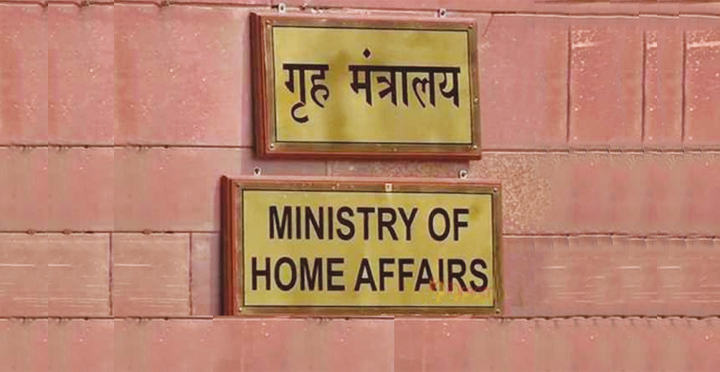
In a significant development, the Ministry of Home Affairs (MHA) reported that India has successfully brought back 274 fugitives from 36 countries from 2019 to 2026. This group comprises individuals wanted for serious crimes, including terrorism, gang activities, financial crimes, murder, rape, and violations under the Protection of Children from Sexual Offences (POCSO) Act.
The MHA disclosed this information on Tuesday, highlighting the robust efforts undertaken to tackle fugitive criminals. Alongside repatriating fugitives, authorities have attached assets worth Rs 17,874 crore belonging to these criminals between 2019 and 2026, invoking the stringent provisions of the Prevention of Money Laundering Act (PMLA).
Additionally, the MHA stated that a total of Rs 18,762 crore has been recovered in cases involving Fugitive Economic Offenders. They issued 40 Red Corner Notices in 2022 and reported 182 notices already issued in 2026 alone, underscoring an intensified crackdown on fugitive criminals.
Of the 274 fugitives returned to India, 45 were repatriated just this year up to July, following a record of 70 in 2025. Other repatriations in previous years include 43 in 2024, 37 in 2023, and 40 in 2022. The statistical breakdown reveals that a significant number of these fugitives were wanted for critical offences, that include 62 for violent crimes, 53 for sexual offences and POCSO violations, and many others involved in serious organized crime.
The MHA emphasized a decisive stance against these fugitives under the leadership of Prime Minister Narendra Modi and Union Home Minister Amit Shah. They credited the enactment of the Fugitive Economic Offenders Act in 2018 for providing stronger tools to bring back those who fled India.
Historically, before 2014, India’s extradition framework had been described as “outdated,” with treaties limited to just 37 countries and an average of only four extraditions per year from 2004 to 2013.
“Our previous governments lacked the political will to address this issue, but the Modi government has elevated the extradition of fugitives to a ‘national priority’,” the MHA explained. The agency highlighted a three-pronged strategy implemented by Home Minister Amit Shah—global outreach, strong coordination, and smart diplomacy—to strengthen the fight against fugitive offenders.
Under the current administration, rigorous enforcement of the PMLA has led to substantial asset attachments and the establishment of a Special Global Operations Centre by the Central Bureau of Investigation (CBI). This centre coordinates with international police agencies to effectively track and apprehend fugitives.
The MHA shared that the rise in the number of Interpol Red Corner Notices issued demonstrates the enhanced focus on repatriation in recent years. Operation Trishul, launched to geo-locate absconders, leverages advanced technologies such as satellite inputs and digital footprint analysis to trace fugitives who have adopted new identities abroad.
Among the notable instances of successful extradition includes Tahawwur Hussain Rana from the United States, showcasing India’s commitment to pursuing complex terror cases.
The recent successes in repatriating fugitives are attributed to strategic planning, sustained diplomatic efforts, and close operational partnerships across multiple Indian government agencies. This cohesive approach reflects a collective understanding of fugitive management as a critical aspect of national security.
National security is intrinsically linked to the issue of fugitive offenders, which requires coordinated, ongoing action and legal preparedness. The MHA noted the establishment of a Standing Focus Group under the Multi Agency Centre (MAC) to ensure comprehensive tracking and prosecution of fugitives.
“Fugitives operating from abroad are not just case files; they represent ongoing threats that necessitate a proactive approach,” concluded the MHA.